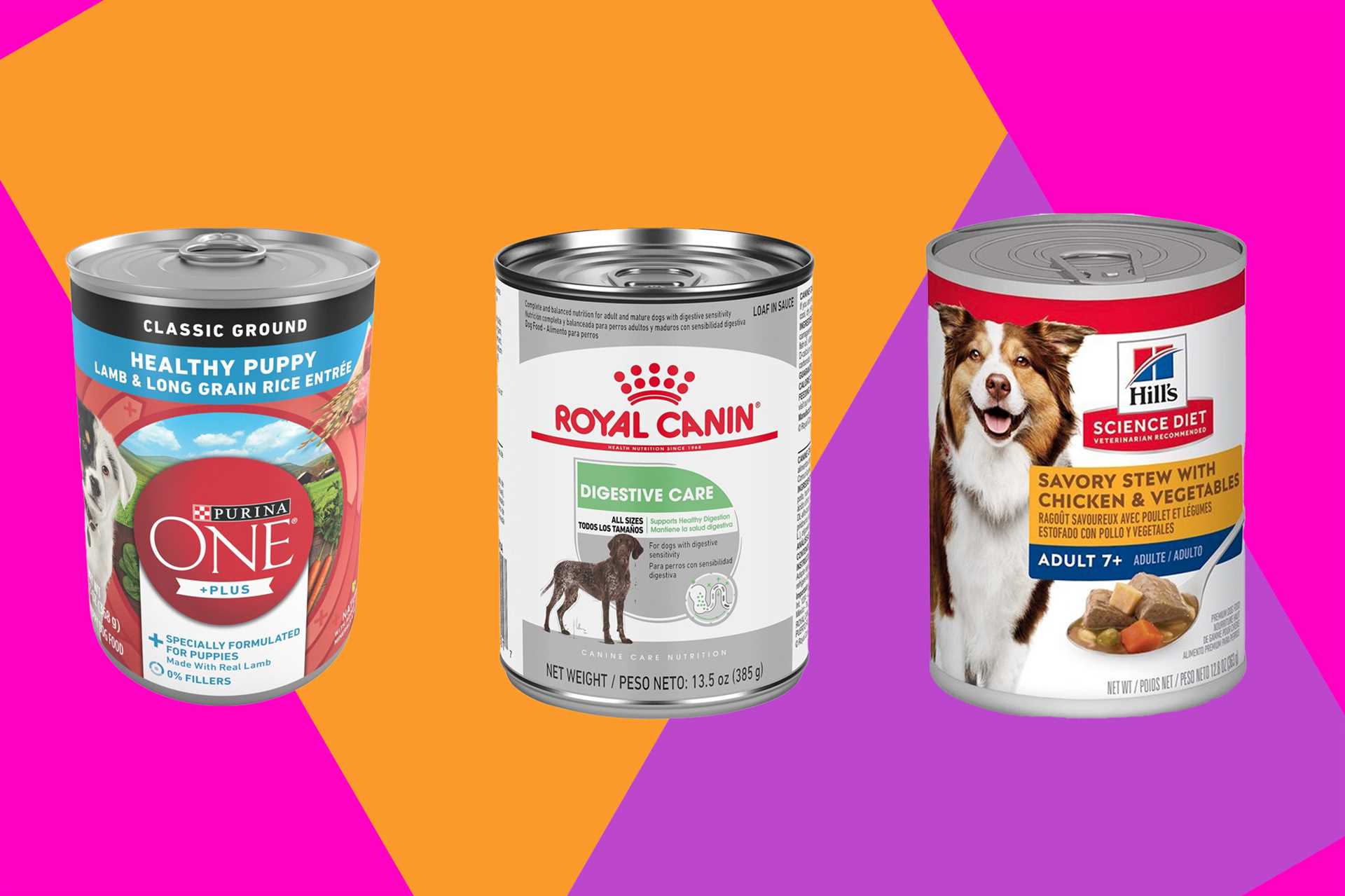
Choosing the best nutritional dog food requires evaluating your dog's life stage, activity level, health status, and specific nutritional requirements as outlined by regulatory bodies like the Association of American Feed Control Officials (AAFCO). To select a high-quality diet, look for named animal proteins as primary ingredients, ensure the food meets complete and balanced nutritional standards, verify the manufacturer's quality control practices, match the formula to your dog's physiological needs, and consult your veterinarian for personalized dietary guidance.
Selecting the appropriate diet for a canine companion is one of the most impactful responsibilities a pet owner faces. Commercial pet food aisles feature an overwhelming array of options, from grain-free and raw-ingredient diets to breed-specific formulations and veterinary therapeutic lines. Navigating this marketplace requires moving past clever marketing language, vibrant packaging, and nutritional trends to focus on scientific formulation, ingredient quality, and regulatory standards. Understanding how to systematically evaluate canine diets ensures that your pet receives optimal nutrition, supporting long-term health, vitality, and disease prevention.
1. Verify AAFCO Nutritional Adequacy Statements
The foundation of selecting a safe and nutritionally complete dog food begins with regulatory validation. In the United States, the Association of American Feed Control Officials (AAFCO) establishes the nutritional standards for pet foods. Unlike human food labels, which often rely on general dietary guidelines, pet food labels must display a specific AAFCO nutritional adequacy statement that dictates whether a food provides complete and balanced nutrition for a specific life stage.
Understanding Life Stages and Formulation Standards
An AAFCO statement typically indicates whether a food is formulated for "growth and reproduction," "maintenance," or "all life stages." Puppies, pregnant dogs, and lactating females require significantly higher levels of protein, fat, calcium, and phosphorus to support structural development and energy demands. Conversely, adult dogs maintained at a normal activity level require a balanced maintenance diet to prevent excessive weight gain.
When evaluating these statements, check for two primary methods of substantiation:
- Formulation via Nutrient Profile: The food has been formulated to meet specific nutrient profiles established by AAFCO based on laboratory analysis of the ingredients.
- Feeding Trials: The food has been tested through actual animal feeding trials using AAFCO-mandated protocols. This method is generally considered the gold standard in pet nutrition because it proves that the food can be safely eaten and properly digested by living animals over a sustained period.
If a label states that a food is intended for "intermittent or supplemental feeding only," it means the product is a treat, a supplement, or a mixer and cannot be fed as a primary diet without causing nutritional deficiencies or imbalances over time.
2. Inspect the Ingredient List and Protein Sources
The ingredient list on a dog food bag provides a sequential accounting of components by weight, measured prior to cooking. Because moisture content heavily influences weight—such as whole meats containing significant water—interpreting ingredient lists requires looking past the first position and analyzing the overall composition of the recipe.
Prioritizing High-Quality Animal Proteins
Dogs are facultative carnivores with high physiological requirements for essential amino acids found primarily in animal tissues. The first few ingredients should consist of clearly identified animal proteins rather than generic terms or isolated plant proteins.
| Ingredient Type | Examples | Nutritional Quality & Considerations |
|---|---|---|
| Whole Meats | Chicken, beef, lamb, salmon | High biological value; contain high moisture weight before processing. |
| Meat Meals | Chicken meal, lamb meal, fish meal | Rendered products with moisture removed; concentrated sources of protein. |
| Plant Proteins | Corn gluten meal, pea protein | Used to boost crude protein percentages; lower biological value for canines compared to animal sources. |
| Whole Grains | Brown rice, oatmeal, barley | Provide digestible complex carbohydrates, fiber, and essential fatty acids. |
Meat meals, which have undergone a rendering process to extract water and fat, offer a concentrated protein source per pound compared to fresh meat. Conversely, pet foods that rely heavily on plant-based proteins—such as pea protein, soy flour, or corn gluten meal—may lack the complete amino acid profile required by dogs, necessitating synthetic supplementation.
3. Assess Carbohydrate Quality and Grain Inclusions
Carbohydrates often form the structural and caloric bulk of dry kibble, providing readily available energy and dietary fiber. For decades, marketing trends have driven consumers toward grain-free formulations under the assumption that grains are mere cheap fillers or common allergens. However, veterinary nutritionists emphasize that true food allergies in dogs are most frequently caused by animal proteins like beef, chicken, or dairy, rather than grains.
Grains Versus Grain-Free Alternatives
Whole grains such as brown rice, oats, barley, and sorghum provide sustained energy, vitamins, and minerals. They also contribute dietary fiber, which supports gastrointestinal motility and feeds beneficial gut microbiota.
When a manufacturer removes grains from a recipe, they typically substitute them with alternative starches, such as:
- Potatoes
- Sweet potatoes
- Peas
- Lentils
- Chickpeas (legumes)
Research coordinated by the U.S. Food and Drug Administration (FDA) has investigated potential correlations between certain non-mainstream diets—specifically those heavy in peas, lentils, legume seeds, or potatoes, often marketed as grain-free—and the development of canine dilated cardiomyopathy (DCM) in breeds not traditionally predisposed to the condition. While investigations remain ongoing and multifactorial, selecting a diet that utilizes high-quality, digestible carbohydrates—whether whole grains or balanced alternative starches—is a critical component of safe formulation.
4. Evaluate Manufacturer Quality Control and Research Standards
The quality of a dog food is determined not only by what ingredients are listed on the bag, but also by how the food is manufactured, sourced, and tested. Two pet foods with identical ingredient panels can yield vastly different nutritional outcomes depending on the manufacturing facility's quality assurance protocols.
Questions to Ask Regarding Manufacturing Integrity
To ensure a pet food brand maintains rigorous safety and nutritional standards, verify whether the company meets the following criteria established by veterinary organizations like the World Small Animal Veterinary Association (WSAVA):
- Employment of Full-Time Qualified Nutritionists: Does the company employ a full-time PhD in animal nutrition or a board-certified veterinary nutritionist (ACVN or ECVCN) to formulate diets?
- Ownership of Manufacturing Facilities: Does the company own and operate its own manufacturing plants, allowing for direct oversight of quality control, or are diets outsourced to third-party co-packers?
- Peer-Reviewed Scientific Research: Has the manufacturer published peer-reviewed studies regarding its diets in scientific journals?
- Strict Quality Control Measures: What specific measures does the company take to test raw ingredients for pathogens, heavy metals, and mycotoxins before processing, and do they retain sample batches of finished products?
Companies that invest heavily in research, own their facilities, and maintain rigorous testing protocols provide a higher margin of safety against contamination, nutrient degradation, and formulation errors.
5. Match the Formula to Your Dog’s Specific Physiological Profile
Every dog has a unique physiological blueprint shaped by age, breed size, metabolic rate, reproductive status, and underlying medical conditions. A nutritional formulation that supports an active working dog will not suit a sedentary senior dog prone to joint degradation and weight gain.
Tailoring Nutrition by Life Stage and Health Status
- Puppies and Growth: Large and giant breed puppies require strictly controlled calcium-to-phosphorus ratios and controlled energy density to prevent rapid skeletal growth that can lead to developmental orthopedic diseases like hip dysplasia.
- Adult Maintenance: Normal adult dogs require a balance of protein, fats, and micronutrients to maintain lean muscle mass without accumulating excess adipose tissue.
- Senior and Geriatric Care: Older dogs often experience a decline in lean body mass and metabolic rate. They benefit from diets with moderate to high-quality protein to prevent muscle wasting, coupled with reduced calorie density and increased levels of omega-3 fatty acids for cognitive and joint support.
- Specialized Health Needs: Dogs diagnosed with chronic kidney disease, urolithiasis, or food intolerances require veterinary therapeutic diets formulated to restrict specific minerals or proteins.
Consulting your veterinarian allows you to establish a body condition score (BCS) and select a diet tailored precisely to your dog's metabolic needs rather than relying on generalized feeding trends.
Frequently Asked Questions
Are grain-free dog foods healthier for dogs?
No scientific evidence demonstrates that grain-free diets are inherently healthier for dogs unless the animal has a diagnosed, specific allergy to a particular grain. Most dogs digest grains efficiently. Furthermore, ongoing investigations by regulatory agencies into non-mainstream grain-free diets containing high concentrations of peas, lentils, or potatoes suggest caution when selecting grain-free formulations.
How do I transition my dog to a new food safely?
To avoid acute gastrointestinal upset such as vomiting, diarrhea, or anorexia, transition your dog to a new food gradually over a 7- to 10-day period. Mix 25 percent new food with 75 percent old food for the first two days, move to a 50/50 split for the next two to three days, increase to 75 percent new food for a couple of days, and complete the transition to 100 percent new food by day seven or ten.
What is the difference between meat meal and whole meat?
Whole meat includes the natural moisture content of the tissue, which is approximately 70 to 75 percent water. When the food is cooked into dry kibble, that water evaporates, reducing the ranking of the ingredient by weight. Meat meal has already had the moisture and fat removed through a rendering process prior to manufacturing, leaving a concentrated, dry source of animal protein.
Can I feed my dog a homemade diet for optimal nutrition?
Feeding a homemade diet can be nutritionally risky unless formulated by a board-certified veterinary nutritionist. Studies evaluating unverified homemade recipes found online or in books consistently show that the vast majority contain severe nutritional deficiencies or toxic imbalances that can harm a dog over time.
How much should I feed my dog daily?
Feeding amounts should be calculated based on your dog's target body weight, metabolic rate, and the caloric density of the specific food (measured in kilocalories per cup or kilogram). Relying on the general feeding chart on the bag is a starting point, but you should adjust portions based on regular weight checks and body condition scoring.
Conclusion
Choosing the best nutritional dog food requires a methodical approach grounded in science rather than marketing. By verifying AAFCO nutritional adequacy statements, prioritizing high-quality animal proteins, evaluating carbohydrate safety, verifying manufacturer quality control, and matching the diet to your dog's individual life stage, you establish a reliable foundation for your pet's lifelong health. Always consult your veterinarian before making significant dietary changes, especially if your dog has underlying health conditions.