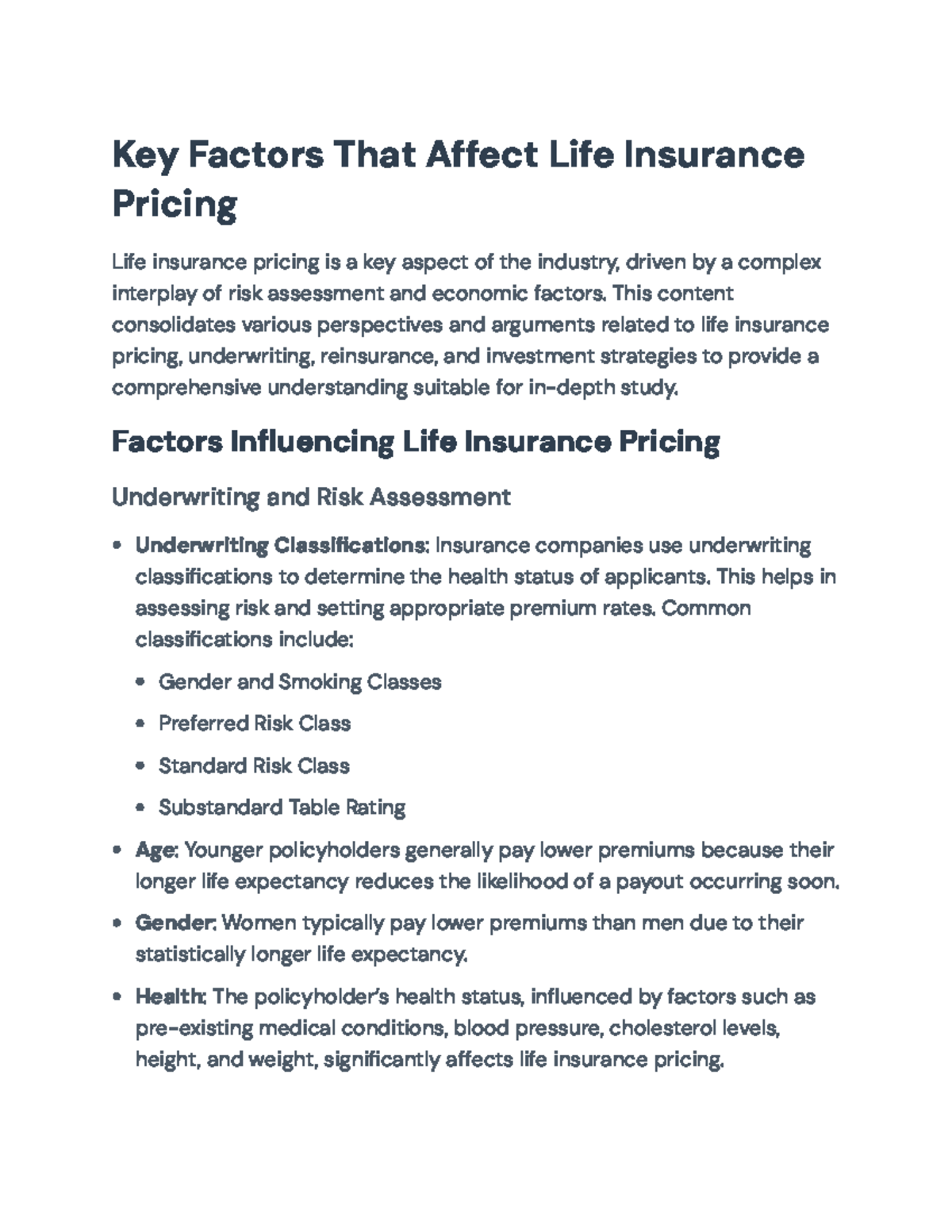
Securing life insurance as a 58-year-old female involves navigating a unique intersection of age-related underwriting criteria, changing financial obligations, and health considerations. At this stage of life, policies are primarily shaped by your current health profile, underwriting classifications, the specific type of policy you select, prevailing interest rates, and your primary financial goals—such as income replacement, estate planning, or final expense coverage.
1. Age-Related Underwriting and Health Profile Changes
At 58 years old, your chronological age is one of the most heavily weighted variables in life insurance pricing. Life insurance companies view age as a direct proxy for mortality risk. As you approach your late fifties, the cost of coverage per thousand dollars of death benefit begins to climb more steeply than it did in your forties. Insurers evaluate how your biological age intersects with your current health status through comprehensive underwriting, which typically includes a medical exam, blood panels, urine samples, and a review of your attending physician statement (APS).
Beyond basic vital statistics, underwriters closely examine your medical history for chronic conditions that frequently emerge or escalate around this decade of life. Conditions such as hypertension, hyperlipidemia, Type 2 diabetes, or early signs of osteopenia can significantly impact your risk classification. However, having a managed chronic condition does not automatically disqualify you from obtaining affordable coverage.
Underwriters place immense value on treatment compliance. A 58-year-old female who actively manages her blood pressure through diet, exercise, and stable medication will often receive a much more favorable rate class than someone with unmanaged or erratic readings. Insurers also look at family medical history, specifically screening for hereditary patterns of cardiovascular disease, stroke, or certain types of cancer. Understanding how your medical profile translates into underwriting tables is the first step toward securing an appropriate policy without unexpected financial surprises.
2. Selecting Between Term Life and Permanent Life Insurance
When evaluating life insurance policies at age 58, you must carefully weigh the structural differences between term life insurance and permanent life insurance. Your choice should be driven by the specific financial obligations you need to protect and your long-term budget.
Term Life Insurance
Term life provides coverage for a specific period, such as 10, 15, or 20 years. For a 58-year-old, a 10-year term policy can bridge the gap until retirement age, cover the remaining years of a mortgage, or protect dependent adult children until they achieve financial independence.
- Pros: Term insurance offers the highest death benefit for the lowest initial premium cost, making it an economical choice for temporary needs.
- Cons: Premiums are fixed only for the duration of the term. Once the term expires (for instance, when you turn 68 on a 10-year policy), renewing or purchasing a new policy becomes drastically more expensive due to your advanced age. Furthermore, term policies do not build cash value.
Permanent Life Insurance
Permanent life insurance, which includes whole life and universal life, provides lifetime coverage as long as premiums are paid. These policies also feature a cash-value component that grows on a tax-deferred basis over time.
- Pros: They offer lifelong protection and a guaranteed death benefit, alongside a cash reserve that you can borrow against or withdraw from if needed in retirement.
- Cons: The initial premiums are significantly higher—often multiple times more expensive than term equivalents—because the insurer knows a payout is guaranteed eventually.
| Feature | Term Life Insurance | Permanent Life Insurance (Whole/Universal) |
|---|---|---|
| Duration | Specific period (10, 15, 20 years) | Lifelong coverage |
| Cost | Lower initial premiums | Higher initial premiums |
| Cash Value | None | Accumulates tax-deferred cash value |
| Primary Use | Temporary obligations (mortgage, income replacement) | Permanent needs (estate planning, final expenses, lifelong security) |
| Renewability | Expires at term end; renewal rates rise sharply | Remains active as long as premiums are maintained |
3. Financial Objectives and Income Replacement Needs
At 58, your financial life looks vastly different than it did at 38. Your goals have likely shifted away from funding long-term child-rearing and towards retirement readiness, asset protection, and estate equalization. Evaluating your financial objectives ensures you do not over-insure or under-insure your estate.
If you are still part of the workforce, your primary concern may be replacing your earned income should you pass away prematurely, ensuring your surviving spouse can maintain their standard of living and fund their own retirement years. If you are a homemaker or care for a partner, life insurance can cover the economic value of the services you provide daily, which would otherwise require out-of-pocket expenses to replace.
Another critical financial factor is debt management. Many 58-year-olds are still paying down mortgages, business loans, or supporting aging parents. A life insurance policy can act as an immediate liquidity tool to wipe out these liabilities, preventing your family from having to liquidate real estate holdings or retirement accounts prematurely. Additionally, high-net-worth individuals at this age utilize permanent life insurance as an estate-planning vehicle to cover potential estate taxes or provide an equitable inheritance to heirs when non-liquid assets like real estate or business interests cannot be easily divided.
4. Policy Riders and Customization Options
Standard life insurance contracts can be tailored to address specific future risks through optional add-ons known as riders. For a 58-year-old female, selecting the right riders can transform a basic death-benefit contract into a comprehensive financial safety net.
- Accelerated Death Benefit Rider: This provision allows you to access a portion of your policy’s death benefit while you are still alive if you are diagnosed with a qualifying terminal, chronic, or critical illness. Given the rising costs of medical care, this provides a vital liquidity cushion.
- Long-Term Care (LTC) Rider or Hybrid Policies: Many permanent insurance policies now offer chronic illness or long-term care riders. Because the probability of requiring assistance with activities of daily living increases later in life, integrating LTC protection into a life insurance policy can protect retirement portfolios from being depleted by nursing home or in-home care costs.
- Waiver of Premium Rider: If you were to become totally disabled due to an illness or accident before retirement age, this rider waives your ongoing premium payments while keeping the policy active.
- Guaranteed Insurability Rider: This allows you to purchase additional coverage at specified future dates without undergoing a new medical exam, protecting your insurability even if your health declines.
5. Budgeting, Economic Factors, and Carrier Selection
Securing life insurance at age 58 requires a careful balancing act between the desired coverage amount and ongoing affordability, especially as you transition toward fixed-income retirement years. Insurance carriers price their products based on actuarial tables, administrative costs, and prevailing economic conditions, including bond yields that influence the growth of permanent policy cash values.
Because pricing models, underwriting leniency for specific conditions (such as treated thyroid issues or mild joint replacement history), and financial stability ratings vary widely among life insurance companies, shopping the market is essential. Independent insurance brokers can compare quotes across dozens of top-rated carriers to find the most competitive rate class for your specific health profile. When selecting a carrier, always verify their financial strength ratings through independent agencies like AM Best, Standard & Poor's, or Moody's to ensure the company will remain solvent and capable of paying out claims decades into the future.
Frequently Asked Questions
Is it too late to buy life insurance at 58?
No, it is not too late. Many carriers offer robust term and permanent life insurance options for individuals in their late fifties. While premiums are higher than they would be in your thirties or forties, securing a policy is entirely feasible and often necessary to cover remaining mortgages, income replacement, or final expenses.
How much does life insurance cost for a 58-year-old female?
The cost depends heavily on whether you choose term or permanent insurance, your health classification (preferred, standard, etc.), and the face amount of the policy. Generally, a healthy non-smoking 58-year-old female can expect to pay significantly less than a male of the same age, but rates should always be verified via personalized quotes based on your medical history.
Should I choose a 10-year or 20-year term policy at age 58?
A 10-year term policy typically covers you until age 68, which aligns with traditional retirement age and the conclusion of many mortgage obligations. A 20-year term extends coverage to age 78, offering longer protection but at a noticeably higher annual premium due to the increased mortality risk in your late sixties and seventies.
Can I get life insurance if I have pre-existing health conditions?
Yes, many people at age 58 have managed health conditions such as high blood pressure or high cholesterol. Insurers evaluate these conditions based on how well-controlled they are, your treatment history, and your overall stability. Working with an independent broker helps identify insurers that look favorably upon specific medical profiles.
What happens to my term life insurance policy when I turn 70?
If you purchase a 10-year term policy at age 58, it will expire when you turn 68. At that point, your coverage ends unless your policy includes a conversion privilege that allows you to switch to a permanent life insurance policy without undergoing a new medical exam, or you choose to renew at much higher annual-renewable term rates.