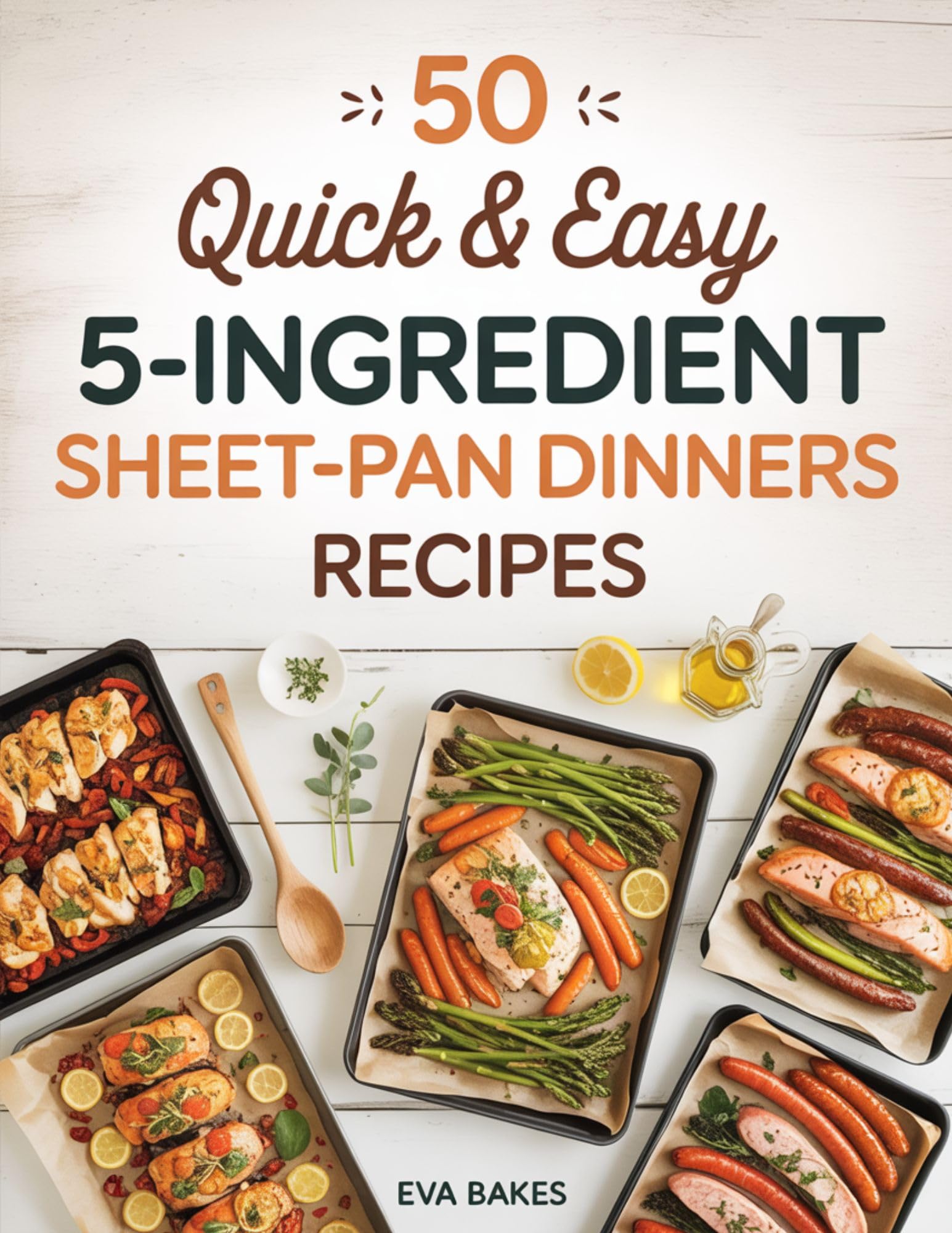
5-ingredient meals provide a streamlined approach to home cooking by focusing on high-impact flavors and efficient preparation. By utilizing a core set of multi-functional ingredients and excluding basic pantry staples like salt, pepper, and oil, these recipes reduce grocery costs, minimize food waste, and significantly lower the mental load of daily meal planning.
The Philosophy of Minimalist Cooking in 2026
As we navigate 2026, the culinary landscape has shifted toward radical simplicity. The "decision fatigue" associated with complex recipes and global supply chain fluctuations has made 5-ingredient cooking more than just a trend; it is a survival strategy for the modern household. The core philosophy centers on the Pareto Principle of Cooking: 80% of the flavor comes from 20% of the ingredients.
By limiting the component count, you are forced to choose ingredients that "work harder." This means selecting items that carry multiple flavor profiles—such as a jar of high-quality pesto that provides fat (oil), acidity (lemon), salt (parmesan), and aromatics (basil and garlic) all in one. Minimalist cooking does not mean a sacrifice in quality; rather, it demands a higher standard for the primary components used.
Defining the "Pantry Staples" Convention
In the world of professional recipe development, "5 ingredients" typically refers to the items you must specifically purchase for a dish. To maintain transparency and consistency, most culinary experts follow a standard list of "free" ingredients that do not count toward the primary five. These are items nearly every kitchen in 2026 is expected to have on hand.
Excluded Pantry Staples:
- Salt and Black Pepper: The baseline for seasoning.
- Cooking Fats: Neutral oils (canola/vegetable) and extra virgin olive oil.
- Water: Used for boiling or thinning sauces.
- Basic Dried Herbs: Often a standard Italian seasoning blend or red pepper flakes (though some strict interpretations may count these).
Understanding this convention is crucial for success. If a recipe calls for "salmon, asparagus, lemon, garlic, and butter," it is a 5-ingredient meal. The salt and pepper you use to season the salmon are assumed.
Strategic Grocery Shopping for 5-Ingredient Success
The secret to a successful 5-ingredient meal lies in the grocery cart. In 2026, food technology and retail packaging have evolved to support this lifestyle. To maximize flavor with minimal components, look for "flavor anchors."
- Fermented and Aged Products: Miso paste, kimchi, aged cheddar, and balsamic glaze provide deep "umami" or acidic notes that would otherwise require hours of simmering or dozens of spices.
- Pre-Marinated Proteins: Utilizing pre-seasoned chicken thighs or marinated tofu saves the step of building a flavor profile from scratch.
- The Frozen Aisle: Frozen vegetable blends (like a mirepoix mix or stir-fry medley) count as one ingredient but provide the complexity of three or four different plants.
- Compound Butters and Sauces: High-quality jarred sauces, such as Harissa, Thai curry paste, or Chimichurri, act as a bridge between protein and produce.
Essential 5-Ingredient Recipes for Every Occasion
The following recipes are designed to provide a balanced nutritional profile while adhering to the strict 5-ingredient limit. Each is optimized for the modern 2026 kitchen, often utilizing air fryers or multi-cookers for maximum efficiency.
1. Pesto-Crusted Salmon with Roasted Asparagus
This dish leverages the high fat content of salmon and the aromatic complexity of pesto to create a restaurant-quality meal in under 20 minutes.
- The Ingredients: Salmon fillets, basil pesto, panko breadcrumbs, asparagus spears, and a fresh lemon.
- The Process: Preheat your oven to 400°F (200°C). Place the salmon and asparagus on a single sheet pan. Spread a generous layer of pesto over the salmon, then press the panko breadcrumbs into the pesto to create a crust. Drizzle the asparagus with olive oil (pantry staple) and salt. Roast for 12–15 minutes until the salmon flakes easily.
- Why it Works: The pesto acts as both the fat and the seasoning for the fish, while the panko adds a necessary textural contrast. The lemon provides a final hit of acid to cut through the richness.
2. Slow-Cooker Salsa Verde Chicken Carnitas
A staple for meal prep, this recipe yields tender, shredded protein that can be used for tacos, salads, or grain bowls throughout the week.
- The Ingredients: Boneless skinless chicken thighs, a jar of salsa verde (tomatillo-based), a large white onion, fresh cilantro, and corn tortillas.
- The Process: Place the chicken and sliced onion in a slow cooker. Pour the entire jar of salsa verde over the top. Cook on low for 6–8 hours. Shred the chicken with two forks and stir back into the juices. Serve on charred tortillas topped with chopped cilantro.
- Why it Works: Salsa verde contains tomatillos, lime juice, peppers, and garlic, providing a complex braising liquid in a single ingredient. Chicken thighs are preferred over breasts as they remain moist during the long cooking process.
3. Creamy Spinach and Artichoke Gnocchi
This vegetarian powerhouse uses shelf-stable or refrigerated gnocchi for a meal that feels indulgent but requires very little labor.
- The Ingredients: Potato gnocchi, a jar of marinated artichoke hearts, fresh baby spinach, heavy cream, and grated Parmesan cheese.
- The Process: In a large skillet, sauté the artichokes (using a bit of the oil from the jar). Add the heavy cream and bring to a simmer. Stir in the gnocchi directly (no boiling required if using fresh or vacuum-sealed) and cook until the sauce thickens. Fold in the spinach until wilted and finish with plenty of Parmesan.
- Why it Works: The marinade from the artichokes is infused with herbs and vinegar, which seasons the cream sauce instantly. Heavy cream and Parmesan create a "cheat" Alfredo sauce that coats the gnocchi perfectly.
4. Honey Garlic Glazed Pork Chops with Broccoli
A classic sweet-and-savory profile that relies on the caramelization of sugars to create a deep glaze.
- The Ingredients: Bone-in pork chops, honey, garlic (freshly minced), soy sauce, and broccoli florets.
- The Process: Whisk honey, soy sauce, and garlic together. Sear the pork chops in a pan for 3 minutes per side. Pour the sauce into the pan and add the broccoli. Cover and steam for 5 minutes until the pork is cooked through and the sauce has reduced to a sticky glaze.
- Why it Works: Soy sauce provides the salt and umami, while honey provides the sweetness and viscosity. The broccoli steams in the moisture released by the pork and the sauce, absorbing the glaze.
Comparing Efficiency and Nutrient Density
The following table compares common 5-ingredient meal categories based on typical preparation times and their primary nutritional benefits as observed in 2026 dietary guidelines.
| Meal Category | Avg. Prep Time | Primary Macronutrient | Best Cooking Method | Shelf-Life (Leftovers) |
|---|---|---|---|---|
| Sheet Pan Seafood | 15–20 Mins | Omega-3 / Protein | Oven Roasting | 24 Hours |
| One-Pot Pasta | 15–25 Mins | Carbohydrates | Stovetop | 3 Days |
| Slow Cooker Poultry | 6–8 Hours | Lean Protein | Slow Cooker | 4–5 Days |
| Grain Bowls | 10 Mins | Fiber / Complex Carbs | No-Cook / Assembly | 2 Days |
| Plant-Based Legumes | 20 Mins | Fiber / Plant Protein | Stovetop / Pressure Cook | 5 Days |
Technical Considerations: Flavor Balancing with Minimal Assets
When you are limited to five ingredients, you cannot hide behind a spice rack. You must apply the technical principles of flavor balancing manually.
The Role of Acid
Without a variety of spices, a dish can often taste "flat." In 5-ingredient cooking, the fifth ingredient should often be an acid—lemon juice, lime juice, or vinegar. Acid brightens the other flavors and mimics the effect of salt without the sodium increase. According to the USDA FoodData Central, maintaining a balance of acidity can also improve the perceived freshness of stored meals.
Texture and "Mouthfeel"
A common mistake in minimalist cooking is producing "mushy" food. To avoid this, ensure at least one of your five ingredients provides a crunch. This could be toasted nuts, raw scallions, or a crispy sear on the protein. Texture sends signals to the brain that a meal is "complete" and satisfying.
The Maillard Reaction
Since you have fewer ingredients to create flavor, you must maximize the flavor of the ingredients you do have. This is achieved through the Maillard reaction—the chemical reaction between amino acids and reducing sugars that gives browned food its distinctive flavor. Always sear your meats and char your vegetables when possible before simmering or steaming.
Common Pitfalls to Avoid
- Under-seasoning: Because you are counting ingredients, you might forget that salt and pepper are essential. Season every layer of the dish, not just the end.
- Crowding the Pan: This is especially true for 5-ingredient sheet pan meals. If the ingredients are too close together, they will steam instead of roast, leading to a loss of flavor.
- Using Low-Quality "Free" Ingredients: If your olive oil is rancid or your black pepper is pre-ground and years old, it will ruin the simplicity of the dish. Use high-quality pantry staples to support your main five.
- Ignoring the Liquid: If a recipe seems too dry, remember that water is a "free" ingredient. A splash of water can emulsify a sauce or deglaze a pan to incorporate those browned bits of flavor.
Frequently Asked Questions
Can I swap fresh herbs for dried to save an ingredient slot?
Yes, but the ratio matters. Generally, use one-third the amount of dried herbs compared to fresh. However, in 5-ingredient cooking, fresh herbs often count as one of the five because they provide both flavor and a visual garnish. If you use dried herbs from your pantry, you "gain" an ingredient slot for something else, like a squeeze of fresh lime or extra cheese.
How do I adjust these recipes for a family of four?
Most 5-ingredient recipes are written for 2 or 4 servings. To scale up, simply double the primary ingredients. The cooking time for stovetop dishes usually remains the same, but for oven-roasted meals, you may need two separate sheet pans to avoid crowding, which can slightly increase the total time in the oven.
Are 5-ingredient meals actually cheaper?
Statistically, yes. By focusing on five specific items, you reduce the "incidental" costs of buying entire jars of spices or specialty oils that you may only use once. According to economic consumer reports in 2026, households focusing on minimalist ingredient lists reduced their monthly grocery expenditure by an average of 18% compared to traditional recipe-following.
Is it healthy to eat only 5-ingredient meals?
Health depends on the choice of ingredients, not the quantity. A meal of steak, butter, salt, pepper, and cream is five ingredients but lacks fiber and micronutrients. Conversely, a meal of salmon, kale, quinoa, lemon, and walnuts is exceptionally nutrient-dense. The key is ensuring your five ingredients cover a protein, a healthy fat, and a fiber source.
What if I don't have one of the five ingredients?
The strength of minimalist cooking is its modularity. If you don't have asparagus for the pesto salmon, any green vegetable like broccoli or green beans will work. If you don't have gnocchi, any pasta shape can be substituted. The "template" is more important than the specific item.
Recommendation for Next Actions
To successfully transition to a 5-ingredient meal plan, start by auditing your "pantry staples." Ensure you have high-quality olive oil, kosher salt, and a pepper grinder. For your first week, select three recipes that share at least one "flavor anchor" (for example, a jar of pesto that can be used for both salmon and a pasta dish). This minimizes initial costs and helps you master the technique of multi-use ingredients. For further nutritional guidelines on balancing simplified meals, consult the Academy of Nutrition and Dietetics for updated 2026 dietary standards.