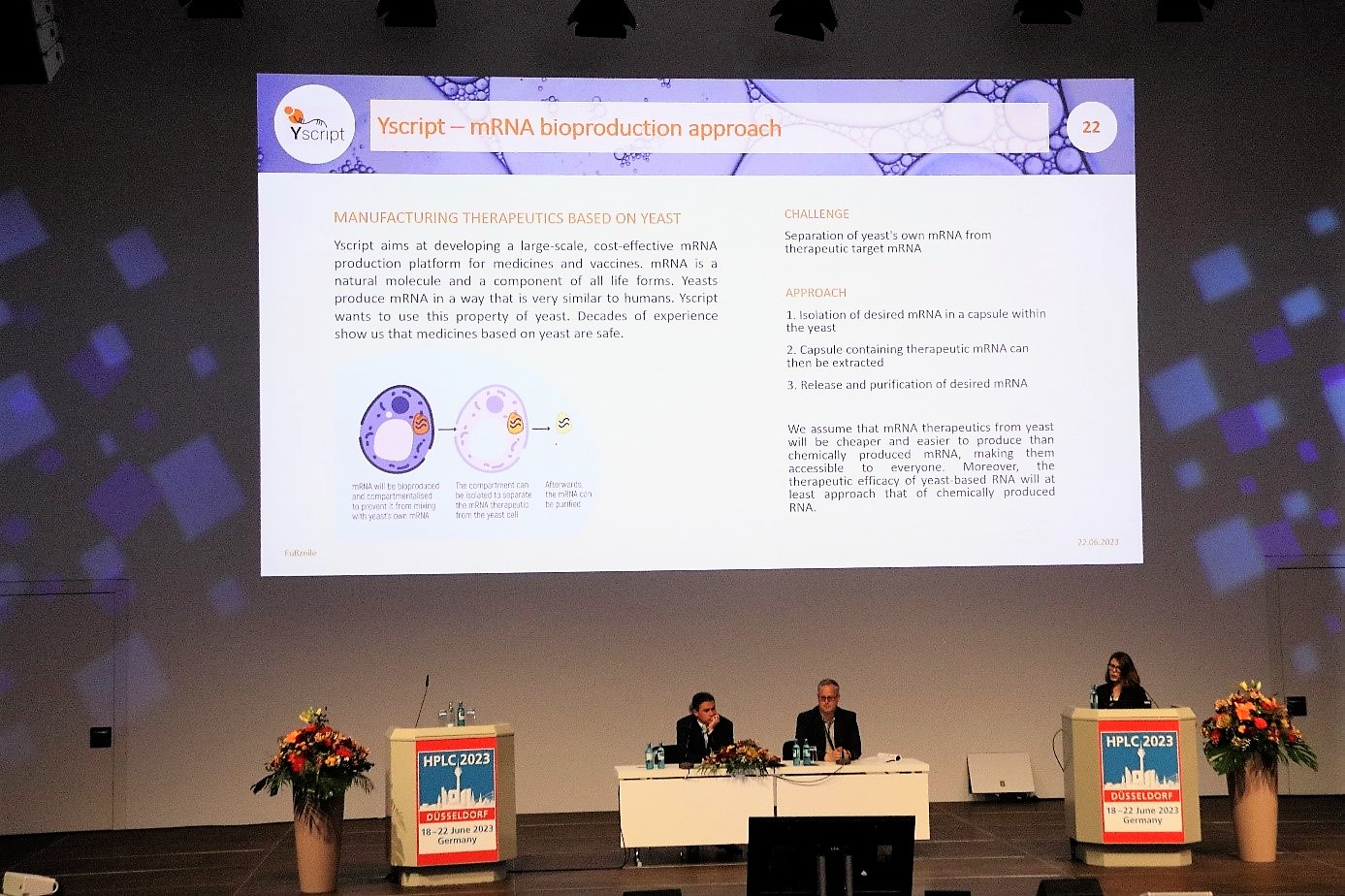
The 52nd International Symposium on High-Performance Liquid Phase Separations and Related Techniques (HPLC 2026) represents the pinnacle of analytical chemistry, bringing together the world’s leading scientists to discuss the future of separation science. Taking place in Minneapolis, Minnesota, this iteration of the symposium focuses on the integration of artificial intelligence, the maturation of multi-dimensional chromatography, and the urgent industry shift toward sustainable "green" laboratory practices. Attendees can expect a rigorous program that balances fundamental theory with the practical needs of the biopharmaceutical, environmental, and clinical sectors.
The Significance of the HPLC 2026 Symposium
The HPLC conference series has long been the primary venue for unveiling breakthroughs in liquid chromatography, mass spectrometry (MS), and electrophoresis. As we move through 2026, the analytical landscape is undergoing a profound transformation. The demand for higher throughput and more granular data—particularly in the characterization of complex biologics and environmental "forever chemicals"—has pushed instrumentation to its physical limits.
HPLC 2026 serves as the definitive gathering for addressing these challenges. It is not merely a showcase for new hardware; it is a collaborative forum where academic researchers and industry practitioners bridge the gap between "proof of concept" and "validated methodology." For the professional analytical chemist, the conference offers a window into the workflows that will become standard in the next decade.
1. The Integration of AI and Machine Learning in Method Development
One of the most anticipated highlights of the 2026 conference is the deep integration of Artificial Intelligence (AI) and Machine Learning (ML) into liquid chromatography workflows. Historically, HPLC method development was a labor-intensive process of "trial and error," where chemists manually adjusted mobile phase compositions, gradients, and temperatures to achieve the desired resolution.
At HPLC 2026, several sessions are dedicated to autonomous method development systems. These platforms utilize Bayesian optimization and neural networks to predict retention times and co-elutions with startling accuracy. Instead of running hundreds of injections, scientists can now input the chemical structures of their analytes, and the software suggests the optimal column chemistry and gradient profile.
The Shift from Automation to Autonomy
The distinction between simple automation and true AI autonomy is a major theme this year. While automated systems have existed for years, they required pre-defined parameters. The new generation of "self-healing" HPLC systems, which will be prominently featured in the exhibition hall, can detect peak tailing or pressure fluctuations in real-time and adjust flow rates or temperatures to maintain method integrity without human intervention. This shift is expected to significantly reduce the burden on Quality Control (QC) labs, where downtime is a major cost driver.
2. Advanced Multidimensional Separations (LCxLC)
As samples become increasingly complex—such as those found in proteomics, lipidomics, and the analysis of recycled plastics—traditional one-dimensional HPLC often lacks the necessary peak capacity. Two-dimensional liquid chromatography (2D-LC or LCxLC) has matured from a niche academic pursuit into a robust industrial tool, and its evolution is a core highlight of the 2026 program.
The focus at HPLC 2026 is on active modulation technology. In 2D-LC, the interface between the first and second dimensions is critical. New "active solvent modulation" techniques allow for the analysis of highly disparate chemical classes in a single run by mitigating the "solvent strength mismatch" that often plagues 2D systems. This allows researchers to combine hydrophilic interaction chromatography (HILIC) with reversed-phase LC (RPLC) more effectively than ever before.
Applications in Complex Matrices
Attendees can expect detailed case studies on the use of LCxLC for the characterization of antibody-drug conjugates (ADCs). These complex molecules require the separation of various "drug-to-antibody ratio" (DAR) species, a task that is nearly impossible with 1D-LC alone. The ability to visualize these separations in a 3D contour plot provides a level of molecular "fingerprinting" that is becoming a requirement for regulatory filings in 2026.
3. The "Green" Chromatography Revolution
Sustainability is no longer an optional "add-on" for analytical laboratories; it is a core operational requirement. HPLC 2026 highlights the industry's response to global environmental mandates, focusing on the reduction of hazardous waste and the carbon footprint of high-throughput labs.
Solvent Substitution and Micro-Flow Systems
A major highlight involves the transition from traditional acetonitrile-based methods to "greener" alternatives like ethanol, ethyl lactate, or even purely aqueous mobile phases using high-temperature LC. Furthermore, the conference will showcase the latest in supercritical fluid chromatography (SFC). Once considered a specialized technique, SFC has gained mainstream traction as a "green" alternative because it utilizes recycled CO2 as a mobile phase, drastically reducing the consumption of organic solvents.
Assessing "Greenness"
The symposium will also introduce updated frameworks for measuring the environmental impact of a method. Tools such as the AGREE (Analytical GREENness) metric and the AMBER (Analytical Method Greenness Score) are being integrated directly into chromatography data systems (CDS). This allows lab managers to see the "carbon cost" of every injection, facilitating a data-driven approach to corporate sustainability goals.
4. Microfluidics and Nano-LC for Single-Cell Analysis
The push toward miniaturization reaches a new milestone at HPLC 2026. While "lab-on-a-chip" technology has been discussed for decades, the 2026 symposium showcases the first generation of commercially viable, high-pressure microfluidic systems that offer the same reliability as their benchtop counterparts.
Single-Cell Proteomics
The highlight of the miniaturization track is the application of nano-LC in single-cell proteomics. To understand the heterogeneity of tumors or the nuances of neurological disorders, scientists must be able to analyze the protein content of a single cell. This requires separation systems that can handle nanoliter flow rates with zero "dead volume." HPLC 2026 features breakthroughs in 3D-printed columns and micro-fabricated frits that allow for unprecedented sensitivity, often coupled with the newest Orbitrap or Time-of-Flight (ToF) mass spectrometers.
Portability and Point-of-Care
Beyond the research lab, miniaturized HPLC is moving toward point-of-care diagnostics. We are seeing the emergence of "handheld" liquid chromatographs designed for real-time monitoring of drug levels in a patient’s bloodstream or the detection of contaminants in a local water supply. The technical sessions will address the challenges of maintaining calibration and precision in these portable units.
5. Biopharmaceutical Analysis: The New Gold Standard
With the explosion of mRNA vaccines, gene therapies, and viral vector delivery systems, the analytical requirements for biopharmaceuticals have reached a level of extreme complexity. HPLC 2026 devotes a significant portion of its agenda to the "New Gold Standard" in biologics characterization.
Oligonucleotide Separation
The separation of oligonucleotides—synthetic strands of DNA or RNA—is a major focus. Because these molecules are highly charged and prone to aggregation, they require specialized column chemistries and ion-pairing reagents. The conference will highlight new metal-free column hardware designed to prevent the non-specific adsorption of acidic analytes, which has historically been a major hurdle in oligonucleotide purity testing.
Native-State Analysis
Another key highlight is the move toward "native-state" LC-MS. By using volatile, physiological buffers, scientists can separate proteins while maintaining their folded, three-dimensional structure. This is critical for understanding how drugs interact with their targets in the human body. The development of specialized "size-exclusion" and "ion-exchange" columns that are MS-compatible is a breakthrough that will be featured prominently in the 2026 workshops.
Technical Comparison of HPLC Trends: 2020 vs. 2026
The following table illustrates the technological progression that has led to the current state of the art being showcased at the 2026 symposium.
| Feature | 2020 Standard | 2026 State-of-the-Art | Impact |
|---|---|---|---|
| Method Development | Manual (Trial & Error) | AI-Driven Predictive Modeling | Reduces dev time from weeks to hours. |
| Primary Solvent | Acetonitrile / Methanol | Ethanol / Supercritical CO2 | Lower toxicity and disposal costs. |
| Flow Rates | 0.5 – 2.0 mL/min (Analytical) | 10 – 500 nL/min (Nano-flow) | Enables single-cell analysis. |
| Separation Dimension | 1D-LC (Single Column) | Comprehensive 2D-LC (LCxLC) | Massive increase in peak capacity. |
| Hardware Surface | Stainless Steel | Bio-inert / Ceramic Coated | Prevents analyte loss in biologics. |
| Data Integration | Local Workstation | Cloud-based / Distributed AI | Real-time global lab monitoring. |
Practical Guidance for HPLC 2026 Attendees
To maximize the value of the HPLC 2026 conference, attendees should prioritize sessions that align with the impending regulatory shifts. For example, the U.S. Food and Drug Administration (FDA) and the European Medicines Agency (EMA) are increasingly looking for "Quality by Design" (QbD) principles in method submissions. The sessions on AI-driven method development are directly relevant to these requirements.
Furthermore, the Poster Sessions remain the heart of the symposium. While the keynote lectures provide the "big picture," the posters are where the raw data and troubleshooting tips are found. It is highly recommended to engage with the presenters, particularly the younger researchers who are often at the forefront of microfluidic and 3D-printing innovations.
Frequently Asked Questions
What is the primary focus of the HPLC 2026 conference?
The primary focus is the intersection of separation science with emerging technologies like AI and microfluidics. While "HPLC" is in the name, the conference covers all liquid-phase separation techniques, including UHPLC, SFC, and capillary electrophoresis, with a heavy emphasis on their application in biopharmaceuticals and environmental science.
Who should attend the HPLC 2026 symposium?
The conference is designed for analytical chemists, laboratory managers, pharmaceutical scientists, and academic researchers. It is also highly beneficial for regulatory affairs professionals who need to understand the latest capabilities in molecular characterization to ensure compliance with global standards.
How has "Green Chromatography" changed since the last symposium?
In 2026, green chromatography has moved from a conceptual framework to a measurable requirement. The highlight this year is the widespread adoption of "Greenness Assessment" software integrated into standard chromatography data systems and the shift toward supercritical fluid chromatography (SFC) for routine pharmaceutical testing.
Is AI actually replacing human chemists in method development?
No, AI is acting as a "force multiplier." It handles the iterative, computational aspects of predicting retention and resolution, allowing the human chemist to focus on complex problem-solving and the interpretation of results. The AI tools showcased at HPLC 2026 are designed to augment, not replace, expert judgment.
Why is Minneapolis the host city for 2026?
Minneapolis is a major hub for the medical device and biotechnology industries, particularly with the influence of the "Medical Alley" corridor. Hosting the 52nd symposium here allows for a unique synergy between academic innovators and the industrial giants who apply these technologies to life-saving medical products.
Final Recommendation: Navigating the Future of Separations
For those attending HPLC 2026, the clear "next action" is to evaluate your current laboratory's readiness for the transition to AI-assisted workflows and bio-inert hardware. The technologies showcased in Minneapolis represent the end of the "black box" era of chromatography. Labs that adopt these high-resolution, sustainable, and data-driven methods will be significantly more competitive in an environment where speed-to-market and analytical precision are paramount.
Explore the exhibition floor with a focus on MS-compatible columns and integrated 2D-LC systems. The insights gained here will likely dictate the hardware procurement and method validation strategies for your organization through the end of the decade.