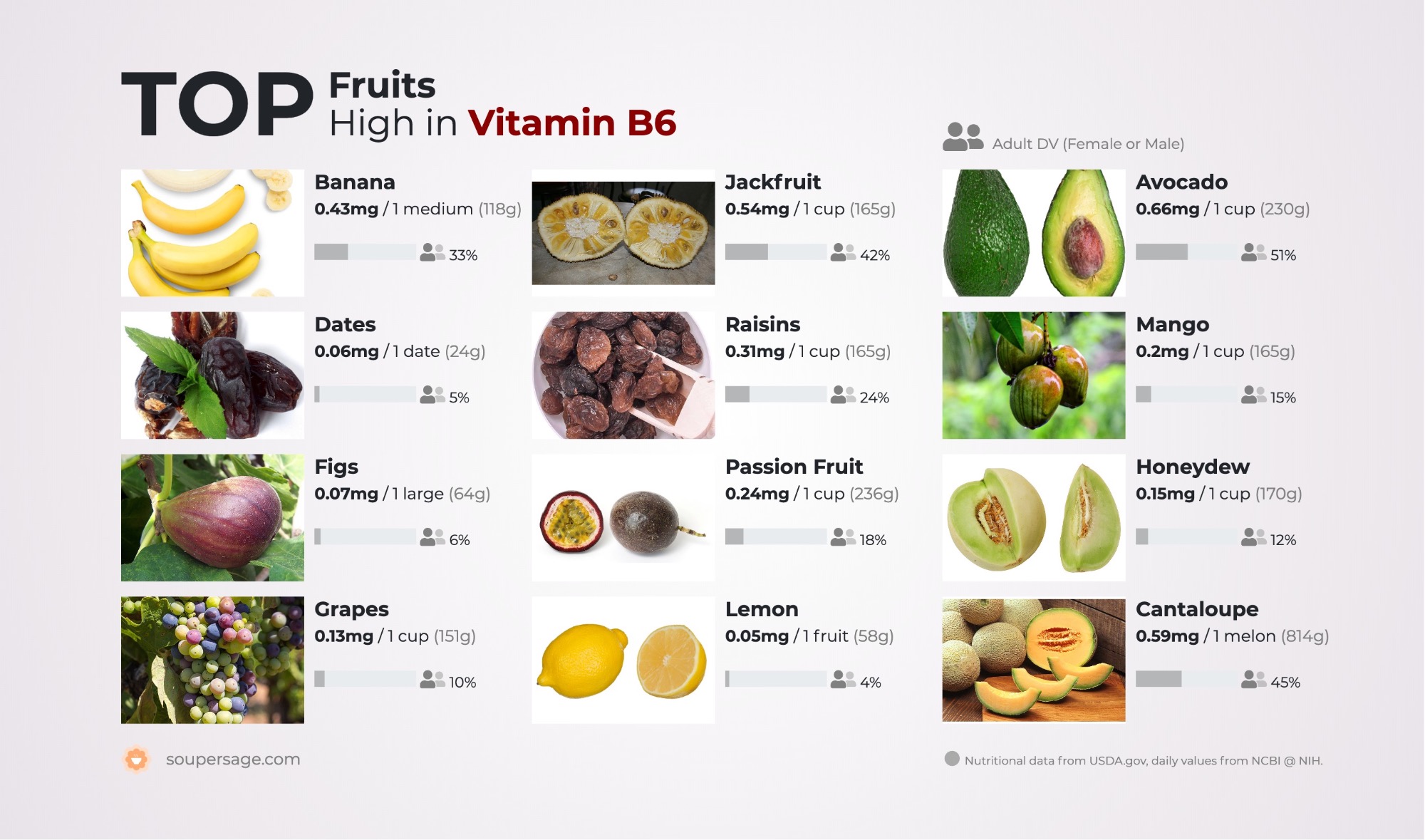
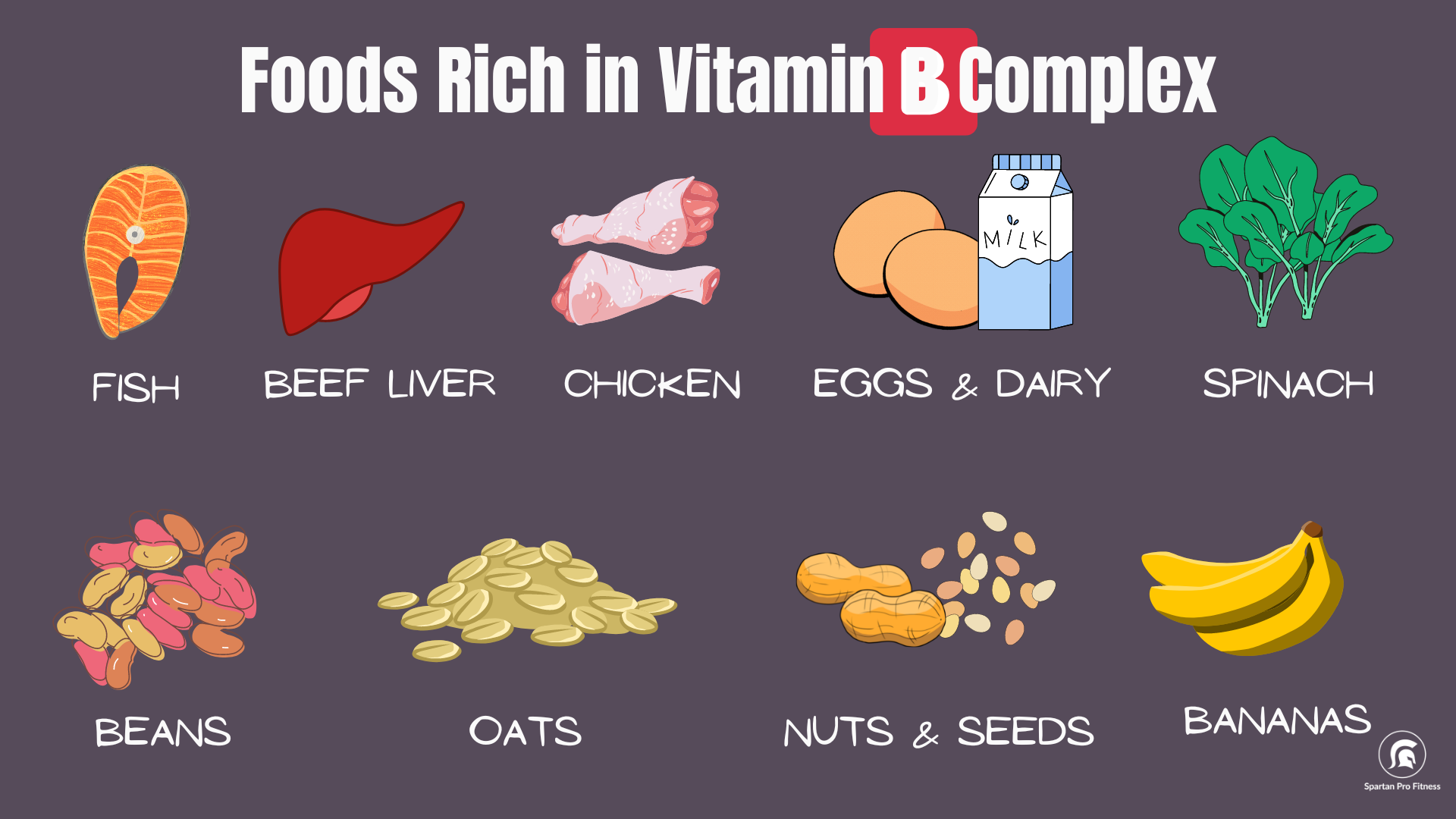
Vitamin B6, or pyridoxine, is a water-soluble micronutrient that plays a vital role in over 100 enzymatic reactions in the human body, supporting everything from amino acid metabolism to cognitive development and immune function. Because the human body cannot store vitamin B6 in large amounts, maintaining a steady daily intake through a balanced diet is essential for long-term health. While supplements are widely available, incorporating whole foods into your daily meals offers a superior approach by providing a synergistic matrix of vitamins, minerals, and dietary fiber.
Understanding Vitamin B6: Biological Roles and Daily Requirements
Before examining specific food sources, it is important to understand what vitamin B6 does and why maintaining adequate levels matters for daily physiological function. Pyridoxine exists in several forms—pyridoxal, pyridoxine, and pyridoxamine—all of which are converted in the liver into the active coenzyme pyridoxal 5'-phosphate (PLP). PLP acts as a critical cofactor for enzymes involved in macronutrient metabolism, neurotransmitter synthesis, and red blood cell formation.
Core Physiological Functions
- Protein and Amino Acid Metabolism: Vitamin B6 facilitates the breakdown and utilization of proteins. It helps convert amino acids into forms that the body can use for energy, tissue repair, and enzymatic synthesis.
- Neurotransmitter Synthesis: The nervous system relies heavily on vitamin B6 to produce neurotransmitters such as serotonin, dopamine, gamma-aminobutyric acid (GABA), and norepinephrine. These chemical messengers regulate mood, sleep cycles, and stress responses.
- Hemoglobin Production: PLP is necessary for the synthesis of heme, the iron-containing protein in red blood cells responsible for transporting oxygen throughout the circulatory system.
- Immune Support: Adequate vitamin B6 levels help maintain the health of lymphoid organs, including the thymus, spleen, and lymph nodes, ensuring robust antibody production and white blood cell proliferation.
Recommended Dietary Allowances (RDAs)
According to guidelines established by the Food and Nutrition Board at the Institute of Medicine (now the National Academy of Medicine), daily requirements for vitamin B6 vary by age, sex, and life stage:
- Adult Men (19–50 years): 1.3 milligrams per day
- Adult Men (51+ years): 1.7 milligrams per day
- Adult Women (19–50 years): 1.3 milligrams per day
- Adult Women (51+ years): 1.5 milligrams per day
- Pregnant Women: 1.9 milligrams per day
- Breastfeeding Women: 2.0 milligrams per day
Meeting these thresholds is entirely achievable through diet. The following sections explore five nutrient-dense foods that provide substantial amounts of vitamin B6, along with practical preparation tips and nutritional context.
1. Chickpeas (Garbanzo Beans)
Chickpeas are an exceptional plant-based source of vitamin B6, making them a staple for vegetarians, vegans, and anyone looking to increase their legume intake. Beyond pyridoxine, chickpeas provide complex carbohydrates, plant-based protein, and soluble dietary fiber, which collectively support digestive health and sustained energy levels.
Nutrient Profile and Vitamin B6 Content
A single one-cup serving of cooked, boiled chickpeas contains approximately 1.1 milligrams of vitamin B6, which fulfills a significant portion of the daily recommended intake for adults. This high concentration makes chickpeas one of the most concentrated non-animal sources of the nutrient available.
Health Benefits and Mechanisms
- Blood Sugar Regulation: The combination of slow-digesting complex carbohydrates and soluble fiber helps prevent rapid spikes in blood glucose, supporting metabolic stability.
- Heart Health: Regular consumption of legumes is associated with improved lipid profiles, including reductions in total and low-density lipoprotein (LDL) cholesterol.
- Satiety: Chickpeas promote feelings of fullness, helping to regulate appetite and support weight management goals.
Practical Incorporation Strategies
Chickpeas are remarkably versatile in culinary applications. They can be rinsed and tossed into green salads, roasted with olive oil and spices for a crunchy snack, or blended into homemade hummus using tahini, garlic, and lemon juice. When using canned chickpeas, rinsing them thoroughly under cold water can reduce excess sodium content without diminishing their vitamin and mineral profile.
2. Salmon
Fatty fish, particularly wild-caught and farmed Atlantic salmon, offer a powerful combination of high-quality protein, omega-3 fatty acids (EPA and DHA), and essential micronutrients, including vitamin B6. Incorporating seafood into your weekly meal plan provides multifaceted benefits for cardiovascular health and cognitive performance.
Nutrient Profile and Vitamin B6 Content
A standard three-ounce (85-gram) cooked fillet of Atlantic salmon provides roughly 0.6 to 0.8 milligrams of vitamin B6, depending on whether the fish is wild or farmed and its exact origin. This serving also delivers a substantial dose of vitamin D and selenium.
Health Benefits and Mechanisms
- Cardiovascular Protection: The long-chain omega-3 fatty acids found in salmon help reduce systemic inflammation, lower triglyceride levels, and support healthy blood pressure.
- Brain Function: The synergistic action of vitamin B6 and omega-3 fatty acids supports cognitive longevity, helping to maintain optimal neurological signaling.
- Muscle Synthesis: Salmon provides a complete amino acid profile, supplying all nine essential amino acids required for muscle tissue repair and maintenance.
Practical Incorporation Strategies
Salmon can be prepared in numerous ways, including baking, grilling, poaching, or pan-searing. For optimal nutrient retention, avoid overcooking, which can degrade delicate fats. Pair baked salmon with steamed leafy greens and roasted root vegetables for a nutrient-dense, balanced meal.
3. Poultry (Chicken and Turkey Breast)
Lean poultry, specifically skinless chicken and turkey breast, is widely recognized as a premier source of complete protein. Less commonly emphasized is its exceptional density of B-complex vitamins, particularly vitamin B6 and niacin (vitamin B3).
Nutrient Profile and Vitamin B6 Content
A three-ounce (85-gram) serving of cooked, skinless chicken breast contains approximately 0.5 milligrams of vitamin B6. Turkey breast offers a comparable concentration, making poultry an efficient dietary vehicle for meeting daily pyridoxine targets without excessive caloric intake.
Health Benefits and Mechanisms
- Efficient Protein Delivery: Poultry provides high biological value protein with minimal saturated fat when consumed without the skin.
- Energy Metabolism: The B-vitamins present in poultry act as coenzymes in the pathways that convert dietary carbohydrates, fats, and proteins into usable cellular energy (adenosine triphosphate, or ATP).
- Tissue Repair: The amino acids supplied by poultry support cellular regeneration, immune defense, and structural integrity across all body tissues.
Practical Incorporation Strategies
To maximize nutritional benefits while minimizing added fats and sodium, opt for roasting, grilling, or poaching chicken and turkey breast. Avoid heavy, cream-based sauces; instead, season poultry with herbs, spices, citrus juice, and olive oil. Leftover sliced chicken breast can be added to grain bowls, soups, and wraps for quick weekday meals.
4. Potatoes (with Skin)
While often overlooked due to misconceptions about carbohydrates, white potatoes—particularly when consumed with their skins intact—are an exceptionally rich source of vitamin B6, potassium, and vitamin C.
Nutrient Profile and Vitamin B6 Content
One medium-sized baked potato (approximately 6 ounces) with the skin on provides roughly 0.4 to 0.5 milligrams of vitamin B6. Because a significant portion of the vitamin B6 and dietary fiber resides in or directly beneath the skin, peeling potatoes removes a major share of their micronutrient value.
Health Benefits and Mechanisms
- Electrolyte Balance: Potatoes are a renowned source of potassium, which works in tandem with sodium to regulate fluid balance, nerve signals, and muscle contractions.
- Digestive Health: The skin provides insoluble fiber, which adds bulk to stool and promotes regular bowel movements.
- Sustained Energy: As a complex carbohydrate, potatoes provide a steady release of glucose to working muscles and the brain.
Practical Incorporation Strategies
To retain maximum nutritional value, bake, roast, or boil potatoes whole with their skins on rather than deep-frying them or mashing them with heavy amounts of butter and cream. Sweet potatoes also provide vitamin B6, though standard white Russet and Yukon Gold varieties are particularly potent sources of this specific vitamin.
5. Bananas
Bananas are globally recognized as a portable, easily digestible source of quick energy and potassium. They are also one of the most accessible and popular fruit sources of vitamin B6, making them an ideal addition to breakfasts, pre-workout snacks, and smoothies.
Nutrient Profile and Vitamin B6 Content
One medium-sized ripe banana contains approximately 0.4 milligrams of vitamin B6, which accounts for roughly 30% to 35% of the recommended daily intake for an average adult.
Health Benefits and Mechanisms
- Digestive Support: Bananas contain resistant starch and soluble pectin, which act as prebiotics to nourish beneficial gut bacteria.
- Exercise Recovery: The combination of easily digestible carbohydrates and potassium helps replenish glycogen stores and prevent muscle cramps during endurance activities.
- Mood Regulation: As discussed earlier, vitamin B6 is a crucial cofactor in synthesizing serotonin; consuming foods rich in pyridoxine supports steady neurological function.
Practical Incorporation Strategies
Bananas can be eaten raw on their own, sliced into morning oatmeal, blended into protein smoothies, or sliced over whole-grain toast with nut butter. As bananas ripen, their starch converts into natural sugars, altering their flavor profile and digestibility while maintaining their overall micronutrient content.
Nutritional Comparison of Vitamin B6 Foods
The following table summarizes the vitamin B6 content, primary active components, and key health benefits of the five foods discussed above.
| Food Item | Serving Size | Vitamin B6 Content | Primary Active Nutrients | Key Health Benefits |
|---|---|---|---|---|
| Chickpeas | 1 cup (cooked) | ~1.1 mg | Pyridoxine, fiber, folate, iron | Blood sugar regulation, digestive health |
| Salmon | 3 oz (cooked) | ~0.6–0.8 mg | Pyridoxine, omega-3 fatty acids, vitamin D | Cardiovascular health, neurological support |
| Poultry | 3 oz (cooked breast) | ~0.5 mg | Pyridoxine, niacin, complete protein | Cellular energy production, tissue repair |
| Potatoes | 1 medium (with skin) | ~0.4–0.5 mg | Pyridoxine, potassium, vitamin C | Electrolyte balance, sustained energy |
| Bananas | 1 medium | ~0.4 mg | Pyridoxine, potassium, pectin | Exercise recovery, gut microbiome support |
Frequently Asked Questions
Can you get too much vitamin B6 from food?
It is virtually impossible to develop vitamin B6 toxicity from dietary sources alone. Excess water-soluble vitamins that the body does not need are naturally excreted through urine. However, excessive intake of vitamin B6 supplements over long periods can lead to neurological side effects, such as peripheral neuropathy (nerve damage in the hands and feet). Always consult a healthcare professional before initiating high-dose supplementation.
How does cooking affect vitamin B6 in food?
Vitamin B6 is water-soluble and heat-sensitive, meaning that prolonged boiling or high-heat processing can cause some of the vitamin to leach into cooking water or degrade. To preserve vitamin B6 content, prefer cooking methods such as steaming, baking, roasting, or quick pan-searing, and consume cooking liquids in soups or stews when applicable.
Are there plant-based sources of vitamin B6 besides chickpeas and bananas?
Yes. Beyond chickpeas and bananas, many other plant foods contain notable amounts of vitamin B6. Examples include fortified breakfast cereals, nutritional yeast, avocados, spinach, sunflower seeds, and whole grains such as brown rice and oats. A diverse diet rich in whole plant foods naturally ensures adequate intake.
What are the symptoms of vitamin B6 deficiency?
Vitamin B6 deficiency is relatively rare in developed nations but can occur in individuals with malabsorption syndromes, chronic alcoholism, or certain autoimmune conditions. Common symptoms include microcytic anemia, confusion, depression, weakened immune function, inflammation of the tongue (glossitis), and cracked, sore lips (cheilosis). If you suspect a deficiency, diagnostic blood tests administered by a physician can evaluate your micronutrient status.
Conclusion and Next Action
Incorporating vitamin B6 into your daily routine does not require complicated meal plans or expensive supplements. By intentionally including nutrient-dense staples like chickpeas, salmon, poultry, potatoes, and bananas in your weekly rotation, you can easily meet your daily pyridoxine requirements while supporting overall metabolic and neurological health. Review your current dietary habits, identify one or two gaps where these foods can be added, and gradually integrate them into balanced, whole-food meals for sustainable long-term wellness.