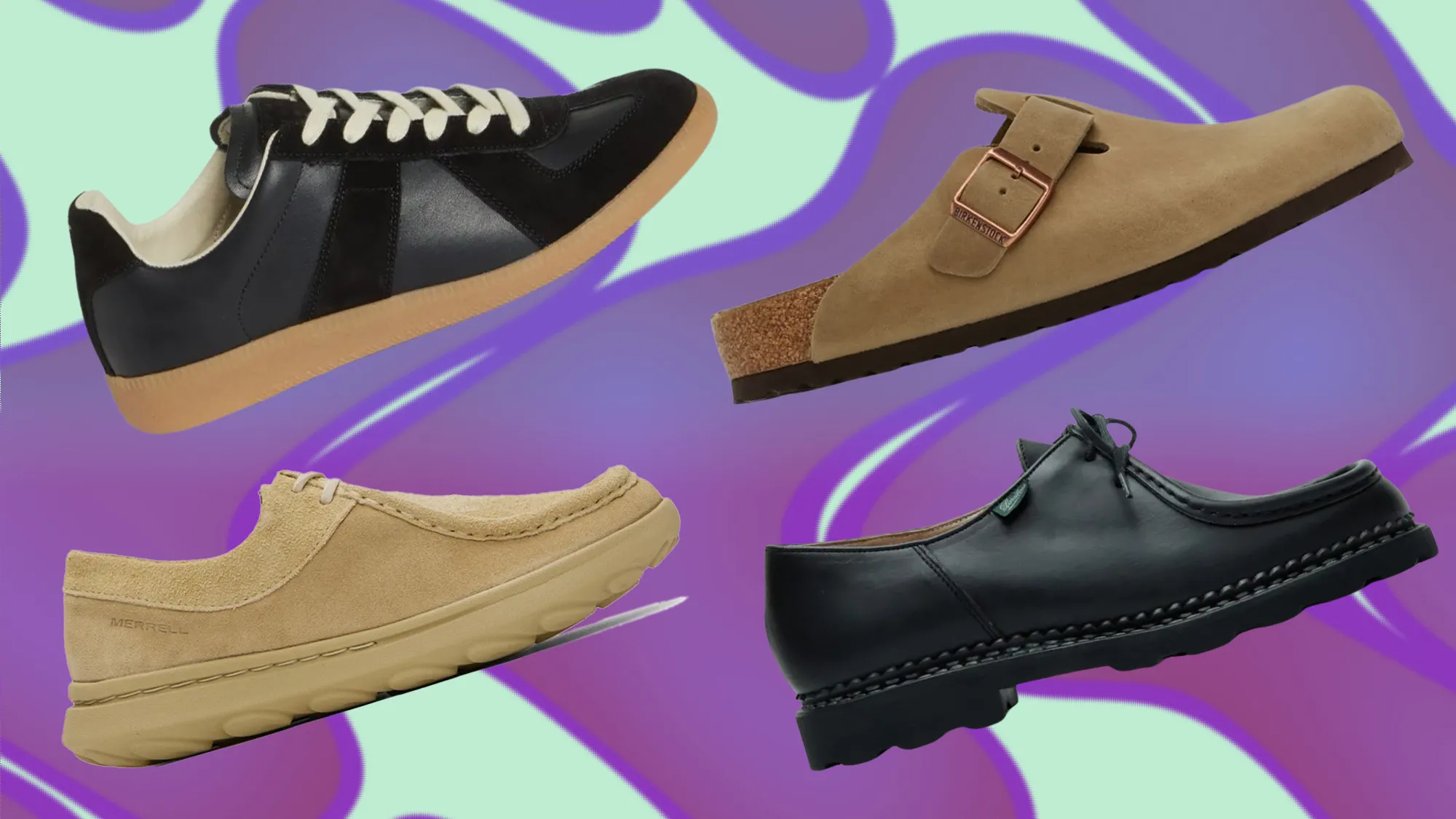
Building a versatile, long-lasting footwear collection requires focusing on five foundational silhouettes that cover every wardrobe need: the clean white leather sneaker for casual wear, the minimalist dark leather sneaker for smart-casual occasions, the classic leather Oxford for formal dressing, the rugged Chelsea boot for transitional and winter weather, and the timeless penny loafer for tailored warm-weather looks.
Curating a functional and stylish shoe collection often feels like chasing an endless cycle of micro-trends. However, dressing well does not require a walk-in closet overflowing with dozens of options. By focusing on core foundational pieces, you can build a streamlined capsule wardrobe of footwear that effortlessly bridges casual streetwear, business professional environments, and elevated evening attire. The goal is to maximize cost-per-wear while minimizing clutter, ensuring that every shoe serves a distinct purpose and pairs seamlessly with multiple items in your closet.
Understanding the anatomy, material quality, and stylistic boundaries of these essential shoes is critical to making informed investments. This guide examines the five best male shoes for every style archetype, breaking down their construction details, versatility metrics, maintenance requirements, and ideal pairings.
1. The Clean White Leather Sneaker: The Casual Anchor
The clean white leather sneaker has transitioned from a subcultural athletic staple to an absolute cornerstone of modern menswear. Its primary function is to ground casual and smart-casual outfits with a sense of effortless polish. Unlike heavily branded running shoes or hyper-technical trainers, a minimalist white leather sneaker offers clean lines and a neutral palette that pairs with almost anything.
Design Characteristics and Materials
A true staple in this category features full-grain or top-grain calfskin leather uppers, a tonal rubber cupsole (often stitched rather than solely glued for added durability), minimal branding, and flat cotton laces. The absence of loud logos, excessive paneling, and contrasting mesh ensures that the shoe remains timeless rather than bound to a fleeting seasonal trend.
Versatility and Styling
The beauty of the white leather sneaker lies in its extreme adaptability. It bridges the gap between ultra-casual and tailored elements:
- Casual: Pair with slim-fit raw denim jeans, a heavyweight cotton t-shirt, and a chore jacket.
- Smart-Casual: Wear with unstructured navy wool trousers, an Oxford cloth button-down shirt, and a lightweight cardigan or blazer.
Maintenance and Upkeep
Because white leather is susceptible to scuffs and dirt, regular maintenance is required to keep them looking sharp. Wipe down the uppers with a damp microfiber cloth after each wear, use a specialized leather cleaner for stubborn stains, and apply a neutral leather conditioner periodically to prevent cracking. Inserting cedar shoe trees maintains the structure and absorbs residual moisture.
2. The Minimalist Dark Leather Sneaker: The Smart-Casual Chameleon
While white sneakers dominate daytime casual wear, darker environments and evenings call for a subtler, more subdued footwear choice. The minimalist dark leather sneaker—typically rendered in rich espresso brown, deep navy, or matte black—fills the exact middle ground between athletic comfort and dress shoe refinement.
Design Characteristics and Materials
Like its white counterpart, the dark leather sneaker relies on simplicity. High-quality calfskin or supple suede uppers are standard. Suede variants offer rich texture that plays exceptionally well with flannel, tweed, and heavier cottons, while smooth leather pairs easily with technical fabrics and sleek wool blends. The sole should be low-profile, matching the upper or rendered in a clean tonal or gum rubber finish.
Versatility and Styling
This shoe shines in office environments with relaxed dress codes, creative industries, or evening outings where standard athletic sneakers look too casual and traditional dress shoes feel overly stuffy.
- Tailored Separates: Pair black or dark brown leather sneakers with charcoal grey wool trousers, a fine-gauge merino wool crewneck sweater, and an overcoat.
- Weekend Wear: Combine dark suede sneakers with olive green chinos, a chambray shirt, and a leather bomber jacket.
Maintenance and Upkeep
Dark leather requires less frequent cleaning than white leather, but conditioning is still vital. For smooth leather, use a matching or neutral shoe cream to nourish the hide. For suede options, use a suede eraser for scuffs and a brass-bristle brush to restore the nap.
3. The Classic Leather Oxford or Derby: The Formal Foundation
No wardrobe is complete without a traditional leather dress shoe. Whether attending a wedding, interviewing for a corporate role, or stepping into a black-tie venue, a formal lace-up shoe is non-negotiable. While Oxfords feature closed lacing for a sleek, formal silhouette, Derbies utilize open lacing, offering slightly more volume and versatility for transitional dress codes.
Design Characteristics and Materials
The gold standard for formal footwear is a cap-toe Oxford in black or dark oxblood calfskin. Goodyear welted or Blake stitched construction allows the soles to be repaired and resoled multiple times, making an initial investment in quality leather shoes a decades-long proposition. The leather should possess a natural sheen rather than a heavy, artificial plastic coating.
Versatility and Styling
Formal shoes are strictly bound to tailoring, but their exact level of formality dictates their pairing options:
- Black Oxfords: Reserved strictly for formal business attire, bespoke suits, and tuxedo pairings (patent leather is traditionally required for white tie or black tie, though a highly polished black calfskin Oxford is widely accepted).
- Brown Derbies: Ideal for navy, grey, and earth-toned suits, as well as high-end smart-casual combinations involving tailored trousers and blazers.
Maintenance and Upkeep
Traditional leather dress shoes demand a structured care routine. This includes cleaning with saddle soap, conditioning the leather to maintain moisture, applying pigmented wax or cream polish to build a deep shine, and storing them exclusively on shaped cedar shoe trees to prevent creasing and curling.
4. The Rugged Chelsea Boot: The Transitional Powerhouse
When temperatures drop or weather conditions turn inclement, standard low-profile shoes fall short. The Chelsea boot—a sleek, ankle-high slip-on boot defined by its elastic side gussets and pull tab—provides an exceptional balance of weather resistance, comfort, and streamlined elegance.
Design Characteristics and Materials
Chelsea boots are generally found in two primary finishes: smooth calfskin leather and weatherproofed suede. Leather options offer a sharper, more rock-and-roll or formal edge, while brown or taupe suede provides a softer, tactile aesthetic. Look for Dainite rubber soles or reinforced leather soles with rubber inserts to ensure adequate traction on wet urban pavements.
Versatility and Styling
The laceless design of the Chelsea boot allows it to sit cleanly under slim or straight-leg trousers without bunching fabric.
- Urban Edge: Pair black leather Chelsea boots with slim black denim, a black turtleneck, and a leather biker jacket.
- Smart Seasonal: Wear dark brown suede Chelsea boots with dark indigo denim, a heavy flannel shirt, and a waxed canvas field jacket.
Maintenance and Upkeep
Suede Chelsea boots require waterproofing spray before their first wear to protect against moisture and stains. Smooth leather versions benefit from regular conditioning and cream polish applications to maintain suppleness around the ankle flex points.
5. The Timeless Penny Loafer: The Warm-Weather and Tailored Staple
Originating as a casual Norwegian house shoe and later adopted by Ivy League students and high-fashion icons alike, the penny loafer is the ultimate slip-on shoe. It bridges the gap between relaxed warm-weather dressing and structured tailoring, offering a distinct sense of understated sophistication.
Design Characteristics and Materials
A classic penny loafer features a moc-toe construction with a distinctive leather strap (the "addle") across the vamp. They are crafted from polished calfskin, cordovan, or soft suede. Unlined loafers offer incredible breathability and softness for barefoot summer wear, while structured lined variants provide year-round durability.
Versatility and Styling
The penny loafer is remarkably adaptable, transitioning seamlessly from beachside tailoring to corporate boardrooms.
- Summer Tailoring: Wear brown leather or suede loafers sockless with a lightweight linen suit or tailored cotton trousers and a polo shirt.
- Preppy Classic: Pair with pleated chinos, an Oxford cloth button-down shirt, and a navy blazer.
Maintenance and Upkeep
Because loafers are frequently worn without socks, interior moisture management is critical. Cedar shoe trees are mandatory to draw out sweat and neutralize odors between wears. Exterior leather should be conditioned regularly to prevent cracking along the flex points of the instep.
Comparison of Essential Male Shoes
| Shoe Type | Primary Style Archetype | Best Season | Construction Highlight | Core Maintenance Need |
|---|---|---|---|---|
| White Leather Sneaker | Casual / Streetwear | Year-Round | Rubber cupsole | Surface cleaning & whitening agents |
| Dark Leather Sneaker | Smart-Casual | Year-Round | Low-profile rubber sole | Leather conditioning or suede brushing |
| Leather Oxford / Derby | Formal / Business | Year-Round | Goodyear welt / Blake stitch | Polishing, creaming, & shoe trees |
| Chelsea Boot | Transitional / Edgy | Fall / Winter | Elastic gusset & rubber tread | Waterproofing spray & conditioning |
| Penny Loafer | Tailored / Preppy | Spring / Summer | Moccasin vamp construction | Cedar shoe trees for moisture control |
Frequently Asked Questions
How many pairs of shoes does a functional men's capsule wardrobe actually need?
A functional capsule wardrobe requires just these five core pairs to cover every conceivable dress code, weather condition, and social setting. Having one designated shoe for casual, smart-casual, formal, cold-weather, and warm-weather environments eliminates decision fatigue and ensures high utilization of every item you own.
Can I wear sneakers with a formal suit?
Traditional formal suits—such as those worn for black-tie events, galas, or conservative corporate settings—require traditional leather dress shoes like Oxfords. However, in modern creative or relaxed tailoring environments, a pristine, minimalist white leather sneaker can be paired successfully with an unstructured suit, provided the trousers are properly tailored with a minimal break.
What is the difference between Goodyear welted and cemented shoe construction?
Cemented shoes feature soles that are glued directly to the upper. While lighter and cheaper to manufacture, they cannot be resoled once the outsole wears out. Goodyear welted shoes feature a strip of leather (the welt) stitched to the upper and the sole, allowing a cobbler to easily replace worn-out soles, making them a lifelong investment.
How do I properly care for suede shoes in wet weather?
Suede is more resilient than many assume, provided it is treated correctly. Before wearing new suede shoes outside, apply a dedicated suede waterproofing spray to create a barrier against moisture. If they get wet, allow them to dry naturally away from direct heat sources, then restore the nap using a suede brush.
Should I wear socks with loafers?
Wearing loafers sockless is a classic warm-weather styling choice, particularly with cropped trousers, shorts, or lightweight suits. If you prefer the comfort and hygiene benefits of socks without altering the aesthetic, invisible no-show socks made from breathable cotton or merino wool offer the ideal solution.
Final Recommendation
To build your ultimate footwear foundation without breaking the bank, avoid buying multiple trendy pairs at once. Start by assessing your lifestyle: if you work in a corporate office, prioritize a high-quality leather Oxford before purchasing boots or sneakers. If your daily life is casual and creative, invest first in a pristine white leather sneaker and a durable Chelsea boot. Purchase Goodyear welted or high-grade construction where possible, always use cedar shoe trees, and rotate your footwear to give the leather adequate time to rest and recover between wears.