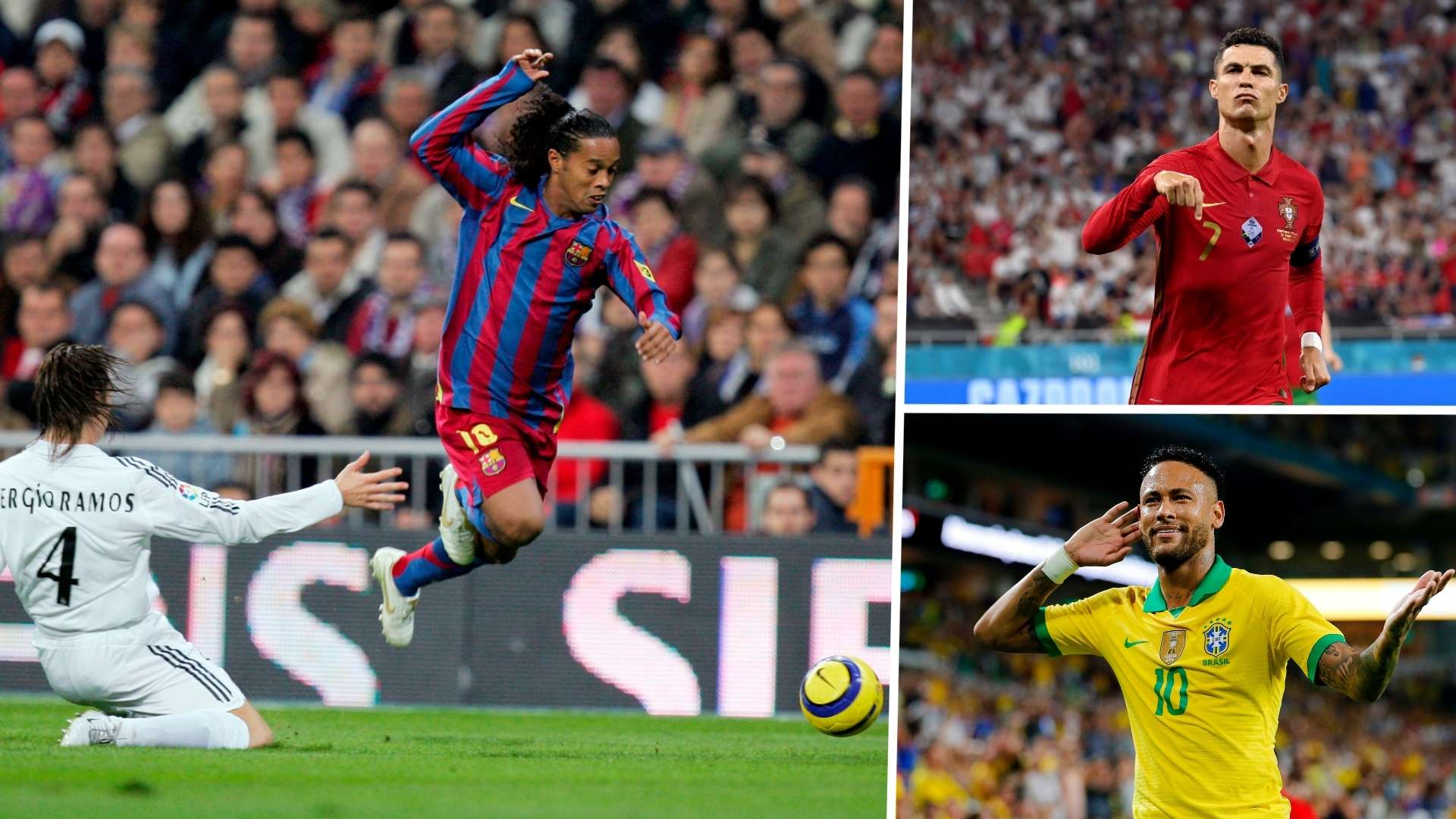
Mastering the five essential football skills—ball control and trapping, accurate passing, crisp dribbling, defensive tackling, and precise shooting—provides the foundational framework every player needs to succeed on the pitch, regardless of their specific position or tactical role.
Developing a well-rounded skill set is the cornerstone of modern association football. Whether you are an aspiring academy prospect, an amateur weekend competitor, or a seasoned coach looking to structure efficient training sessions, understanding the core mechanical requirements of the game is essential. Football has evolved into a fast-paced, high-intensity sport where split-second decisions and technical execution dictate the flow of play. While flashy tricks and elaborate step-overs capture media attention, foundational execution dictates real match outcomes.
This guide examines the five best football skills for every player. Beyond simply listing these capabilities, we will explore the biomechanics, common technical errors, progressive training drills, and tactical applications required to translate training ground proficiency into match-day success.
1. Ball Control and Trapping (First Touch)
The ability to successfully receive, cushion, and redirect an incoming ball is arguably the most critical technical attribute in football. Often referred to as your "first touch," ball control dictates whether you can immediately transition into your next action—be it a pass, a dribble, or a shot—or whether you waste valuable seconds recovering a loose ball under defensive pressure.
The Mechanics of an Effective First Touch
Receiving a football requires absorbing the kinetic energy of the incoming pass. Rather than kicking out at the ball like a block, a player must cushion the impact using a large surface area of the body, such as the inside of the foot, the thigh, the chest, or the instep.
- Body Shape: Open your body to the field before the ball arrives. Scanning your surroundings while the ball is traveling ensures you know your options before contact.
- Surface Relaxation: Tense muscles cause the ball to rebound uncontrollably. Relaxing the receiving surface allows it to act like a pillow, dropping the ball directly into your path.
- Directional Touch: The ultimate goal of a first touch is not just stopping the ball, but moving it into space away from an oncoming defender.
Common Mistakes and Troubleshooting
- Stiff Ankles: Locking the ankle joint causes the ball to bounce several yards away, inviting pressure. Solution: Practice wall-rebound drills focusing strictly on a soft, yielding ankle joint.
- Failing to Scan: Players frequently keep their eyes locked entirely on the ball, leaving them blind to closing defenders. Solution: Incorporate shoulder checks before receiving in training drills.
2. Accurate Passing and Distribution
Passing is the lifeblood of team possession and tactical progression. A team can only move fluidly up the pitch if its players can deliver the ball cleanly over varying distances, under heavy defensive pressure, and with the correct weight and spin.
Types of Passes Every Player Must Master
- The Push Pass (Inside of the Foot): The most common and reliable pass for short to medium distances. It utilizes the instep to provide a broad, flat surface for maximum accuracy.
- The Driven Pass (Laces): Used for long-range distribution, switching the play across the pitch, or breaking multiple defensive lines quickly.
- The Chip or Lofted Pass: Used to bypass an immediate defender or drop the ball behind a defensive backline into space.
| Pass Type | Primary Surface | Ideal Tactical Use |
|---|---|---|
| Push Pass | Inside of the foot | Short-range combination play |
| Driven Pass | Laces (Instep) | Switching play, long balls |
| Chip/Lofted Pass | Toe-end / underneath | Bypassing defensive blocks |
Technical Execution and Weight of Pass
The "weight" of a pass refers to how hard the ball is struck. A pass that is too soft gets intercepted; a pass that is too hard is impossible for a teammate to control cleanly.
- Plant your non-kicking foot alongside the ball, pointing in the exact direction you want the pass to travel.
- Keep your ankle locked and strike through the center of the ball to maintain a low, skimming trajectory along the turf.
3. Crisp Dribbling and Ball Manipulation
Dribbling is not merely about executing elaborate skill moves down the flank; it is the art of moving the ball across the turf under control while evading opponents. Effective dribbling creates numerical advantages, breaks defensive structures, and wins crucial free kicks in dangerous areas.
Close Control vs. Bursting Speed
A common misconception is that dribbling requires running at top speed with the ball glued to your feet. In reality, elite dribblers vary their pace drastically:
- Close Control: Using the outside and inside of both feet to keep the ball within an inch of your boots during tight spaces or when a defender is immediately adjacent.
- Acceleration: Knocking the ball into open space and using raw athletic speed to sprint past an unbalanced opponent.
Drills to Improve Footwork
- Cone Weaving: Dribbling through a tight line of cones using strictly the outside and inside of alternating feet without breaking rhythm.
- 1v1 Isolation: Practicing body feints, shoulder drops, and sudden changes of direction against a live defensive opponent to understand balance disruption.
4. Defensive Tackling and Interceptions
Football is an 11-v-11 game where every player—regardless of whether they line up as a striker, midfielder, or center-back—must contribute defensively. Knowing how to regain possession cleanly without committing a foul is an invaluable trait.
Fundamental Defensive Principles
- Jockeying: Instead of diving straight into a tackle, a defender should stay on their toes, lower their center of gravity, match the attacker's lateral movement, and guide them away from dangerous central areas toward the touchline.
- Timing and Patience: The golden rule of tackling is waiting for the attacker to take a heavy touch or commit their momentum in one direction before stepping in.
- The Block Tackle: Placing a firm, locked foot directly against the ball while making contact simultaneously with the opponent's ball progression.
Avoiding Common Fouls
Lunging from behind or sliding recklessly often results in yellow or red cards. Proper defensive technique relies on footwork and spatial awareness rather than raw physical force. Keep your arms close to your body to avoid accidental handballs or pulling infractions.
5. Precise Shooting and Finishes
Ultimately, matches are decided by goals. Developing clean striking mechanics ensures that when an opportunity arises in or around the penalty box, you can convert chances efficiently.
Biomechanics of a Powerful, Accurate Shot
- Approach Angle: Approaching the ball at a slight diagonal allows your hips to open up, generating greater rotational power through your core.
- Foot Placement: Place your standing foot roughly 2 to 4 inches to the side of the ball, pointing directly at your intended target.
- Knee and Chest Over the Ball: Lean your upper body slightly forward over the ball as you strike. Leaning backward causes the ball to balloon over the crossbar.
- Contact Zone: Strike the center or lower half of the ball with the laces for power, or use the inside of the foot for placed, curling finesse shots into the corners.
Frequently Asked Questions
Which football skill is the most important for beginners?
Ball control and a reliable first touch are universally considered the most critical starting points. Without a solid first touch, a player cannot execute passes, dribble effectively, or shoot under pressure, regardless of their athletic ability.
How often should I practice these five fundamental skills?
Consistency matters far more than duration. Spending 20 to 30 minutes a day executing wall-passing drills, juggling, and close-control footwork yields significantly better technical development than a single intense weekly session.
Can these skills be practiced alone without a team?
Yes. Solo training is exceptionally effective for mastering these core fundamentals. Rebounders, brick walls, and simple agility cones allow you to replicate game-speed passing, trapping, and shooting scenarios independently.
How do I improve my weak foot passing and shooting?
The primary method is intentional overload in training. Dedicate the first 15 minutes of every session to performing your passing, dribbling, and shooting routines using exclusively your non-dominant foot until neural pathways and muscle memory adapt.
Conclusion and Next Actions
Mastering football fundamentals requires deliberate, patient practice and an understanding of the mechanics behind each movement. Rather than attempting to learn advanced tricks immediately, focus your training sessions on refining your first touch, delivering crisp passes, maintaining close ball control, timing your defensive interventions, and striking cleanly toward goal. Pick one skill to focus on during your next training session, isolate its mechanics, and build your confidence step by step on the pitch.