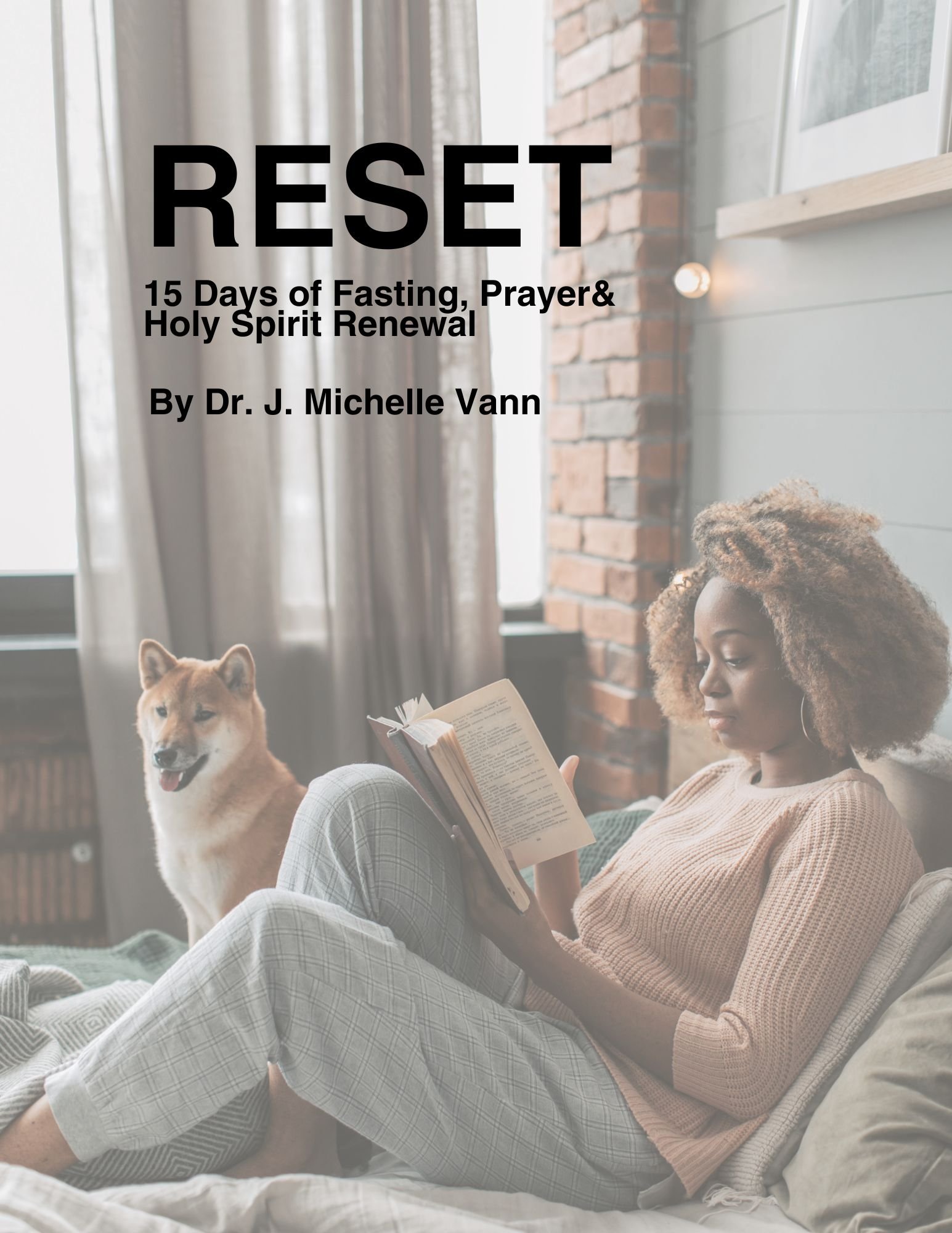
A comprehensive 40-day fasting and prayer guide provides a systematic framework for spiritual renewal, combining biblical discipline with structured reflection. By utilizing a daily checklist, individuals can track their dietary commitments, scripture readings, and prayer points, ensuring consistency and intentionality throughout this significant spiritual journey toward personal breakthrough and deeper faith.
Understanding the Significance of a 40-Day Journey
The number 40 holds profound biblical significance, representing periods of testing, preparation, and transformation. Moses spent 40 days on Mount Sinai (Exodus 24:18), Elijah traveled 40 days to Horeb (1 Kings 19:8), and most notably, Jesus fasted in the wilderness for 40 days before beginning His public ministry (Matthew 4:2). In 2026, the practice of a 40-day fast remains a cornerstone for those seeking a "reset" in their spiritual lives, providing enough time to break old habits and establish new rhythms of devotion.
A structured checklist is not merely a tool for legalistic tracking; it is a scaffold for the soul. During a long-term fast, physical hunger and mental fatigue can cloud one’s focus. Having a predefined roadmap prevents "decision fatigue," allowing the practitioner to devote their limited energy to prayer rather than wondering what they should study or how they should pray each day.
Spiritual and Physical Preparation
Before beginning a 40-day fast, preparation is essential to ensure both safety and spiritual efficacy. This journey is a marathon, not a sprint, and jumping in without a plan often leads to premature termination of the fast.
Defining Your Spiritual "Why"
Clearly articulate your objectives. Are you seeking direction for a career change, praying for the restoration of a relationship, or simply desiring a closer walk with God? Write these goals at the top of your checklist. Specificity in your petitions helps you recognize answered prayers as the 40 days progress.
Physical Tapering and Medical Safety
Fasting, particularly for 40 days, significantly impacts the body's metabolism and electrolyte balance. It is imperative to consult a healthcare professional before starting, especially if you have underlying conditions like diabetes or heart disease.
In the week leading up to Day 1, begin tapering off caffeine, sugar, and processed foods. This reduces the severity of "detox" headaches and lethargy during the first few days of the fast. Increasing water intake during this period also prepares the kidneys for the shift in dietary load.
Selecting the Right Type of Fast
Not every 40-day fast involves a total abstinence from food. The most effective fast is the one you can realistically complete with integrity. In 2026, practitioners often choose from several established models:
- The Daniel Fast: Based on Daniel 10:2-3, this involves consuming only "pulse" (vegetables, fruits, nuts, seeds, and whole grains) and drinking only water. It excludes meats, sweets, dairy, and leavened breads.
- The Partial Fast: This involves skipping specific meals, such as fasting from sunrise to sunset (Intermittent Fasting style), or abstaining from specific food groups.
- The Liquid Fast: This consists of water, herbal teas, fruit juices, and vegetable broths. It is more intense than a Daniel Fast but provides more caloric support than a water-only fast.
- The Absolute Fast: Abstaining from all food and water. Note: This should never be attempted for 40 days. Biblical instances of absolute fasts lasted only three days (Esther 4:16). A 40-day absolute fast is medically impossible without supernatural intervention and is not recommended.
The 40-Day Structured Checklist: Phase-by-Phase
This checklist is divided into four 10-day phases, each with a specific spiritual focus. You can copy this structure into a PDF or journal to track your progress.
Phase 1: Days 1–10 – Purgation and Humility
The first ten days are often the most difficult physically as the body adjusts to the lack of accustomed stimulants and calories. Spiritually, this is a time for "clearing the ground."
- Daily Action: Check off your dietary commitment and record 15-30 minutes of silent meditation.
- Spiritual Focus: Repentance and Purgation.
- Scripture Readings: Psalm 51, Isaiah 58, Matthew 6:16-18.
- Prayer Point: Ask for the revealing of hidden sins or distractions that hinder your spiritual growth.
- Checklist Item: [ ] Morning Prayer [ ] Scripture Reading [ ] Fasting Commitment Kept [ ] Evening Reflection.
Phase 2: Days 11–20 – Intercession and Community
By the second phase, the initial "hunger pangs" often subside, replaced by a sense of clarity or, occasionally, a "spiritual plateau." This is the time to look outward.
- Daily Action: Identify one person or global issue to pray for specifically each day.
- Spiritual Focus: Intercession for others.
- Scripture Readings: Ephesians 6:10-20, 1 Timothy 2:1-4, John 17.
- Prayer Point: Pray for your local community, national leaders, and those suffering from injustice or illness.
- Checklist Item: [ ] Intercessory Prayer [ ] Journaling Insights [ ] Fasting Commitment Kept [ ] Acts of Kindness/Service.
Phase 3: Days 21–30 – Seeking Wisdom and Direction
This phase is the "mid-point of the wilderness." It is a time to ask for specific guidance regarding your future and the goals you set at the beginning.
- Daily Action: Spend extra time in "listening prayer," where you remain silent and wait for spiritual prompting.
- Spiritual Focus: Divine Guidance and Wisdom.
- Scripture Readings: James 1:5, Proverbs 3:5-6, Colossians 1:9-12.
- Prayer Point: Seek clarity on specific decisions or "forks in the road" you are currently facing.
- Checklist Item: [ ] Listening Prayer [ ] Study of Wisdom Literature [ ] Fasting Commitment Kept [ ] Record "Promptings" or Ideas.
Phase 4: Days 31–40 – Victory and Thanksgiving
The final stretch focuses on the "finish line." It is a time of high expectation and preparing to carry the lessons of the fast back into "normal" life.
- Daily Action: List three things you are grateful for each day.
- Spiritual Focus: Praise, Power, and Preservation.
- Scripture Readings: Psalm 103, Romans 8, Revelation 5.
- Prayer Point: Pray for the strength to maintain the spiritual disciplines you’ve developed once the fast ends.
- Checklist Item: [ ] Praise/Worship Time [ ] Thanksgiving List [ ] Fasting Commitment Kept [ ] Re-entry Plan Review.
Fasting Modality Comparison Table
Choosing the right structure depends on your health, work schedule, and previous experience with fasting.
| Fasting Type | Included Foods/Drinks | Excluded Foods/Drinks | Best For |
|---|---|---|---|
| Daniel Fast | Fruits, vegetables, whole grains, nuts, seeds, water. | Meat, dairy, sugar, caffeine, leavened bread, alcohol. | Those with active jobs or health concerns requiring solid food. |
| Liquid Fast | Water, fruit/vegetable juices, clear broths, herbal tea. | All solid foods. | Deep detox and those seeking a significant physical "reset." |
| Partial Fast | Normal food during specific hours (e.g., 6 PM to 6 AM). | Food during daylight hours (or chosen time blocks). | Beginners or those with demanding physical labor. |
| Soul Fast | Normal diet. | Social media, television, secular music, shopping. | Those with medical conditions preventing dietary restrictions. |
Practical Guidelines for Maintaining the Fast
To successfully navigate the 40 days, certain practical habits are necessary to support the spiritual work.
Managing Hunger and Low Energy
Hunger usually peaks between Day 3 and Day 7. In 2026, many practitioners use electrolytes (ensure they are sugar-free) to prevent dizziness and muscle cramps. If you feel extreme weakness, it may be a sign that your body needs more hydration or a slight adjustment in your fast type (e.g., adding a cup of broth).
The Importance of Journaling
A checklist tells you what you did; a journal tells you who you are becoming. Use the "Evening Reflection" portion of your checklist to jot down any recurring thoughts, dreams, or scriptures that seemed particularly resonant. By Day 40, this journal becomes a valuable record of your spiritual evolution.
Navigating Social Obligations
Fasting is traditionally a private discipline (Matthew 6:17-18). However, a 40-day fast will inevitably overlap with social events or work lunches. Decide beforehand how you will handle these. A simple "I'm not eating right now, but I'm happy to join the conversation" is often sufficient. If you are on a Daniel Fast, many restaurants offer salads or grain bowls that fit the requirements.
Troubleshooting Common Fasting Obstacles
Even with a perfect checklist, obstacles will arise. Recognizing them early prevents discouragement.
- The "Accidental" Break: If you forget you are fasting and eat something, do not give up. Acknowledge the slip, ask for grace, and continue immediately. One mistake does not invalidate the previous 20 days.
- Spiritual Dryness: There may be days where you feel nothing. This is normal. Faith is built in the "dry" times. Stick to your checklist and your scripture readings regardless of your emotional state.
- Physical Ailments: Persistent dizziness, heart palpitations, or severe abdominal pain are signs to stop and seek medical advice. Fasting should be a "reasonable sacrifice," not an act of self-harm. You can always transition to a "Soul Fast" (abstaining from media/hobbies) if your physical health prevents dietary restriction.
Ending the Fast: The Re-entry Process
The most dangerous part of a 40-day fast is the first 48 hours after it ends. The digestive system has "gone to sleep," and introducing heavy, fatty, or sugary foods too quickly can lead to severe illness or "refeeding syndrome."
- Day 41: Introduce small amounts of fruit or light soup.
- Day 42: Add steamed vegetables and yogurt (if not vegan).
- Day 43: Gradually introduce proteins and complex carbohydrates.
- Day 44+: Resume a normal, balanced diet, hopefully incorporating the healthier habits learned during the fast.
Frequently Asked Questions
Can I do a 40-day fast if I work a full-time job?
Yes, but the type of fast should be chosen carefully. A Daniel Fast or a Partial Fast is typically manageable for those with office jobs. If your work involves heavy physical labor, a Partial Fast (skipping one or two meals) is safer to maintain energy levels and safety on the job.
What should I do if I feel like I'm failing the fast?
Fasting is a discipline of the heart, not just the stomach. If you are struggling, simplify your plan. It is better to complete a "lesser" fast with a focused heart than to quit an "intense" fast out of frustration. Revisit your "Why" and adjust your checklist to a more sustainable level.
Is it okay to drink coffee during a 40-day fast?
This depends on the "rules" you set at the beginning. In a traditional Daniel Fast, caffeine is avoided. However, some people choose to keep coffee (black, no sugar) to avoid withdrawal headaches that might interfere with their work or family responsibilities. Be clear about your boundaries before you start Day 1.
How do I handle the "brain fog" that occurs during fasting?
Brain fog usually occurs during the first week as the brain switches from glucose to ketones for fuel. Staying hydrated and ensuring you get adequate sleep can mitigate this. By the second or third week, many people report a "fasting high" characterized by increased mental clarity and focus.
Can I exercise during a 40-day fast?
Light exercise, such as walking or stretching, is generally beneficial and can help with circulation. High-intensity interval training (HIIT) or heavy weightlifting should be avoided or significantly scaled back, as your body lacks the glycogen stores for explosive energy.
Recommendation for Next Actions
To begin your journey, download or create a 40-day calendar today. Mark your start and end dates clearly. For the first three days, focus exclusively on hydration and "quieting the noise" of your daily schedule. By establishing a solid routine in the first 72 hours, you set the foundation for a successful and transformative 40-day experience. Use your structured checklist as a daily appointment with yourself and your faith, and remember that the goal is not perfection, but proximity to the divine.