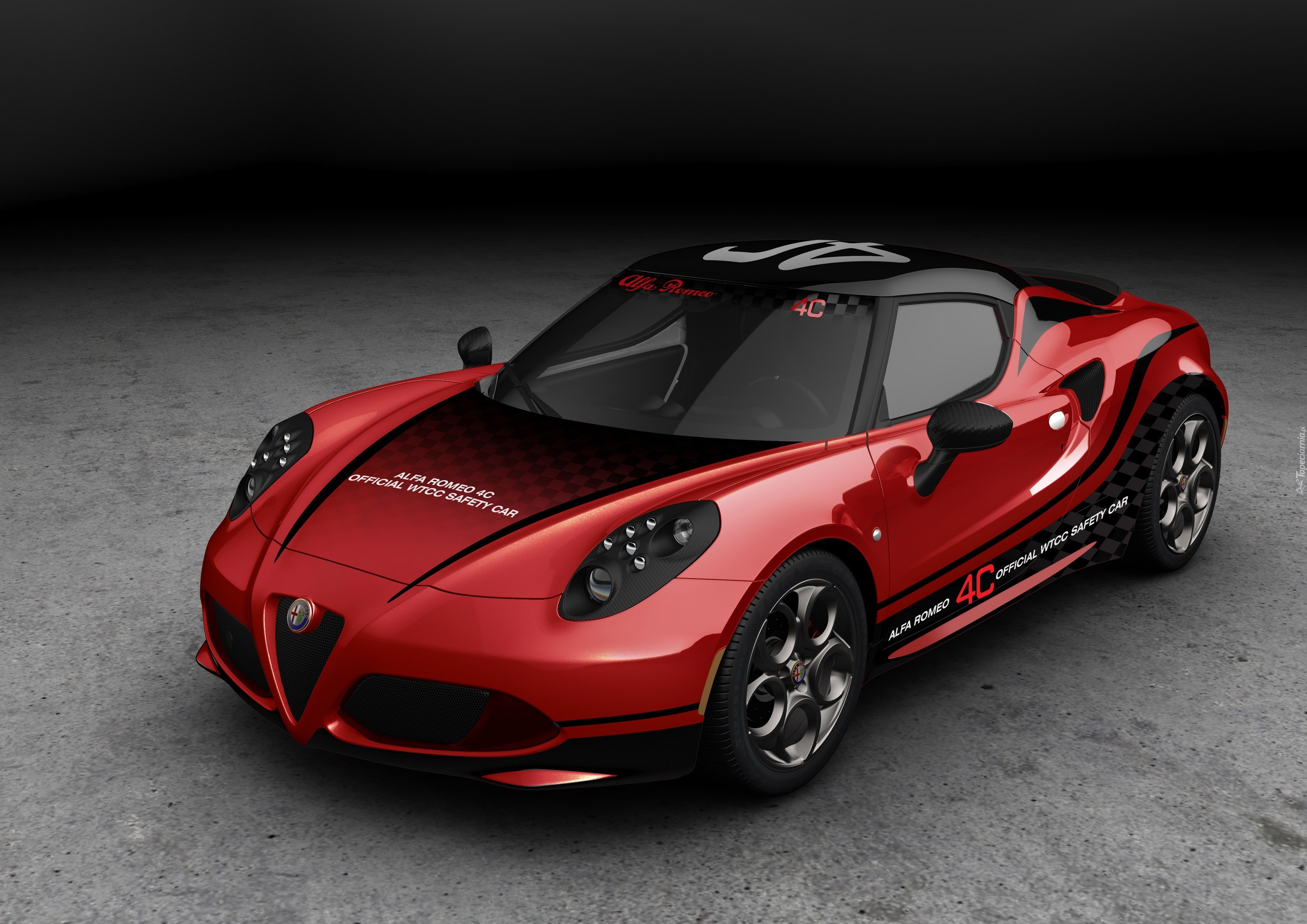
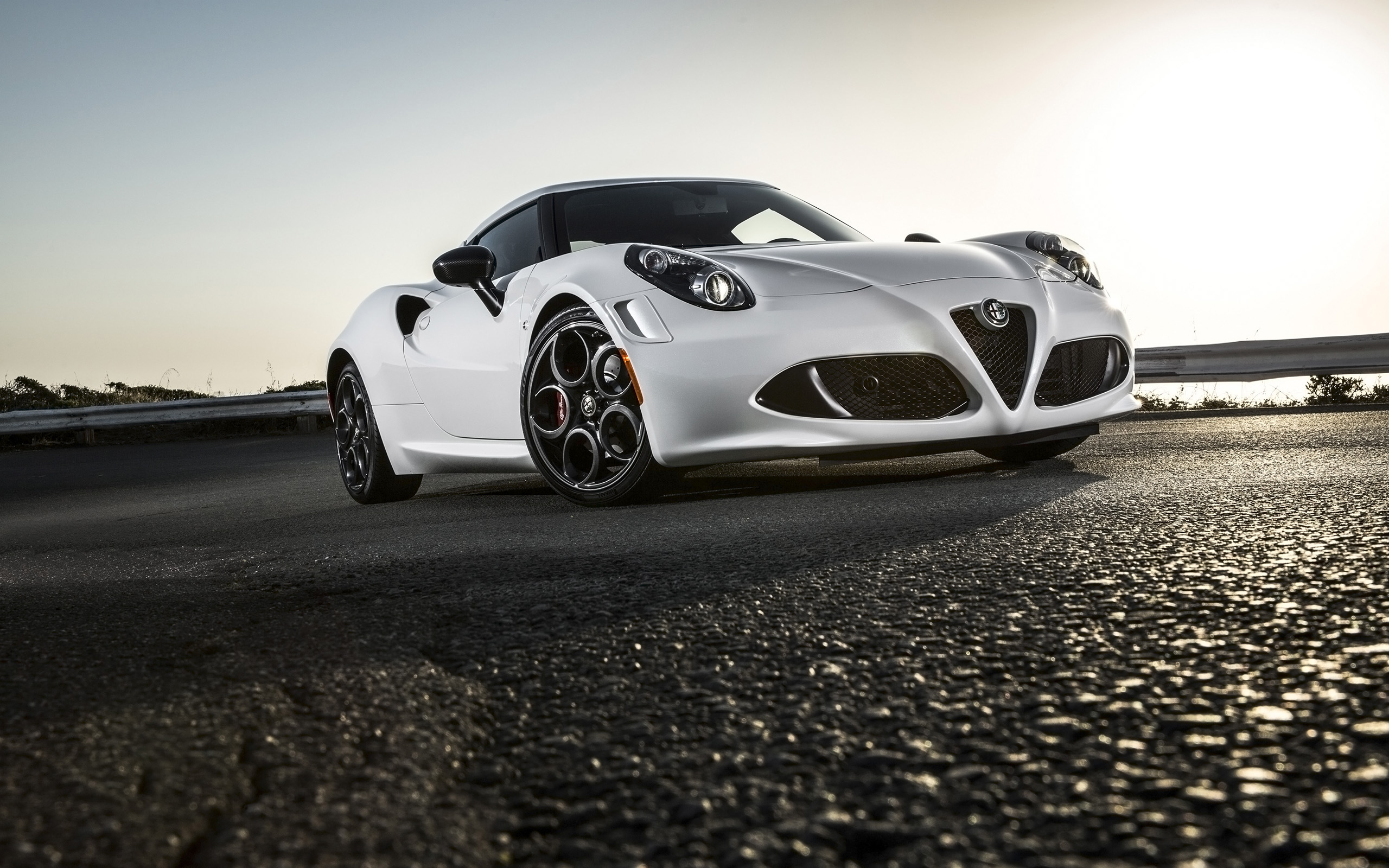
The debut of the Alfa Romeo 4C for the 2014 model year triggered a distinct market shift in the lightweight sports car segment, creating a ripple effect often analyzed through the lens of a "4-car bump" among competing enthusiast vehicles. This phenomenon highlights how a lightweight, carbon-tubbed Italian sports car forced legacy manufacturers to recalibrate their pricing, performance benchmarks, and production strategies for low-volume enthusiast models.
The Alfa Romeo 4C arrived in 2014 as a purist's sports car, featuring a carbon-fiber monocoque chassis, a mid-mounted turbocharged 1750cc four-cylinder engine, and unassisted steering. Weighing under 2,500 pounds, it offered power-to-weight ratios that challenged cars twice its price. Its introduction disrupted a market segment previously dominated by traditional roadsters and heavy grand tourers, forcing a reevaluation of what enthusiasts expected from factory-built track toys.
The Genesis of the Alfa Romeo 4C in 2014
When Alfa Romeo reintroduced itself to the North American market and reinforced its European lineup in 2014, the 4C served as the brand's technological halo car. Developed with significant input from Maserati and manufactured at Maserati's Modena plant, the car rejected modern conveniences like power steering in favor of raw mechanical feedback.
Underneath its composite body panels lay an 143-pound carbon-fiber tub—a construction technique previously reserved for hypercars and low-volume exotics costing upwards of six figures. By bringing this technology down to a sub-$70,000 price point, Alfa Romeo forced competing manufacturers to justify traditional aluminum or steel spaceframe architectures.
The powertrain, a 1.75-liter direct-injection turbocharged inline-4, produced 237 horsepower and 258 lb-ft of torque. Mated exclusively to a 6-speed dual-clutch transmission (Alfa TCT), the car sprinted from 0 to 60 mph in roughly 4.1 seconds. However, its true market impact was not found in straight-line acceleration figures, but in its dynamic cornering abilities and the distinct competitive reaction it triggered among rival marques.
Defining the "4-Car Bump" Phenomenon
The "4-car bump" refers to the simultaneous market adjustment and repositioning experienced by four primary competitors directly impacted by the 2014 Alfa Romeo 4C launch. In niche automotive sectors, the arrival of a disruptive product often forces rival automakers to alter production allocations, adjust pricing, or accelerate mid-cycle refreshes.
| Competitor Model | Primary Architecture | Market Response to 4C Introduction |
|---|---|---|
| Porsche Cayman (981) | Aluminum/Steel Monocoque | Revised trim positioning; emphasis on GTS variants to counter track focus. |
| Lotus Exige S / Evora | Bonded Aluminum Extrusion | Enhanced interior amenities; targeted lightweight marketing. |
| Chevrolet Corvette Stingray (C7) | Aluminum Frame / Composite Body | Shifted performance-per-dollar messaging to highlight value gap. |
| BMW Z4 / Toyota Supra (Pre-dev) | Steel Unibody | Accelerated lightweight partnership discussions for future platforms. |
This four-car cluster represents the intersection of mid-engine balance, lightweight engineering, and enthusiast pricing. As automotive journalists and market analysts evaluated the 4C against these established benchmarks, consumer interest shifted dynamically, creating temporary pricing bubbles and inventory adjustments across the segment.
Impact on Porsche and the Mid-Engine Status Quo
Porsche’s 981-generation Cayman, particularly the Cayman S, was arguably the most direct target of the Alfa Romeo 4C. While the Porsche offered a more refined daily driving experience, a manual transmission option, and power steering, the 4C undercut it in sheer exotic appeal and raw mechanical purity.
In response to the 4C's arrival, Porsche’s product strategy experienced a subtle shift. Rather than engaging in a direct weight-reduction war—which would have compromised the comfort expected by broader Cayman buyers—Porsche leaned into the track-readiness of the platform. This competitive pressure accelerated the development of the Cayman GT4, signaling that legacy manufacturers needed factory-built track specials to retain purist buyers who might otherwise gravitate toward carbon-tubbed Italian alternatives.
Furthermore, dealership networks observed a phenomenon where cross-shopping between the 4C and the Cayman was exceptionally common, despite the vastly different corporate backing and reliability reputations of the two brands. The 4C pulled buyers away from German showrooms purely on the strength of its styling and uncompromising layout.
Lotus, Lightweight Engineering, and Market Survival
For Lotus, the 2014 Alfa Romeo 4C represented both validation and a severe competitive threat. Lotus had long championed the "simplify, then add lightness" mantra with cars like the Elise and Exige. However, by 2014, Lotus was navigating financial restructuring, and the introduction of a mass-produced (relatively speaking) carbon-tubbed rival from a major conglomerate threatened to usurp Lotus's unique selling proposition.
The market shift forced Lotus to sharpen its North American strategy and emphasize the tactile superiority of its hydraulic power steering and manual gearboxes, areas where the 4C received mixed reviews due to its heavy unassisted steering at low speeds and the absence of a true manual transmission. The 4C effectively proved that a market existed for ultra-lightweight sports cars, but it also raised consumer expectations regarding interior fit, finish, and modern infotainment integration.
Value Propositions: Corvette C7 and the American Alternative
While the Chevrolet Corvette Stingray (C7) operated in a higher power bracket with its V8 engine and traditional front-engine, rear-wheel-drive layout, it frequently appeared in the same comparison tests as the Alfa Romeo 4C. The C7 offered vastly superior horsepower, daily drivability, and cargo space for significantly less money than the Italian import.
However, the 4C's market shift highlighted a distinct polarization among sports car buyers. Those seeking numerical performance and utility purchased the Corvette; those prioritizing exclusivity, mid-engine weight distribution, and exotic styling absorbed the production allocation of the 4C. This forced domestic and European performance divisions to realize that emotional appeal could successfully offset a deficit in raw horsepower numbers.
Long-Term Residuals and Collector Market Evolution
Looking at the market status of the Alfa Romeo 4C, the car has transitioned from a polarizing new release to a sought-after modern classic. Because production numbers were strictly limited—with North America receiving fewer than 2,000 units total across coupe and spider variants—depreciation curves leveled off significantly compared to traditional luxury vehicles.
Enthusiasts now view the 4C as a unique milestone: the last genuinely analog-feeling, carbon-tub sports car built by a mainstream manufacturer before strict electrification mandates and autonomous safety regulations transformed the segment. The initial market shockwaves it sent through Porsche, Lotus, and Chevrolet showrooms ultimately proved that buyers were hungry for uncompromising mechanical design, even if it required accepting certain ergonomic compromises.
Frequently Asked Questions
Why is the Alfa Romeo 4C considered a market-shifting car?
The 4C introduced a carbon-fiber monocoque chassis—a technology previously reserved for ultra-expensive supercars—into a sub-$70,000 sports car. This forced competitors like Porsche and Lotus to re-evaluate their lightweight performance offerings and pricing strategies.
Did the Alfa Romeo 4C offer a manual transmission?
No. The 4C was sold exclusively with a 6-speed Alfa TCT dual-clutch automatic transmission featuring steering-wheel-mounted paddle shifters. The absence of a traditional manual pedal box remains one of the most frequently debated aspects of the car among purists.
How does the carbon fiber tub affect the 4C's driving dynamics?
The carbon-fiber monocoque provides exceptional torsional rigidity while keeping the curb weight under 2,500 pounds. This high rigidity-to-weight ratio allows the suspension geometry to work efficiently, resulting in sharp turn-in response and agile mid-corner behavior.
What maintenance challenges are associated with the 2014 Alfa Romeo 4C?
Maintenance requires specialized care, particularly due to the carbon-fiber chassis, which cannot be repaired using traditional body-shop techniques after a significant impact. Engine servicing requires careful adherence to timing belt replacement intervals and dual-clutch fluid maintenance protocols.
How many Alfa Romeo 4Cs were imported to North America?
Total North American imports between 2015 and 2020 (including both the Coupe and Spider variants introduced later) are estimated at roughly 1,700 to 2,000 units, making specific color combinations and early 2015-model-year cars increasingly collectible.
Practical Next Actions for Prospective Buyers
For enthusiasts evaluating a used Alfa Romeo 4C in the current market, prioritizing a pre-purchase inspection (PPI) by a technician certified in Italian exotics or familiar with carbon-tub construction is essential. Verify structural integrity, service history records, and transmission actuator health. Ensure that the vehicle has not suffered underbody scraping or chassis compromise, as repairs to the carbon monocoque require specialized factory intervention.