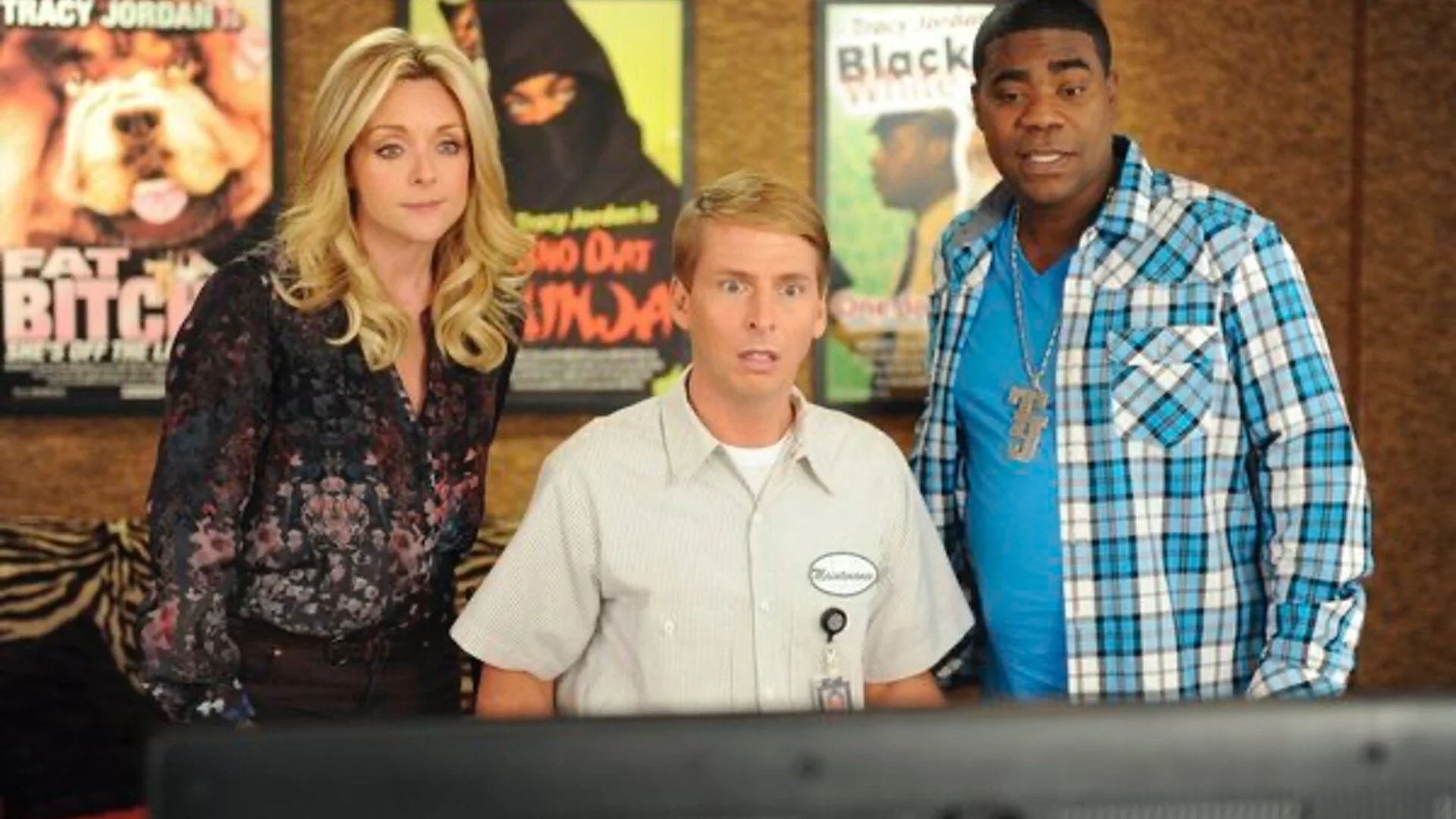
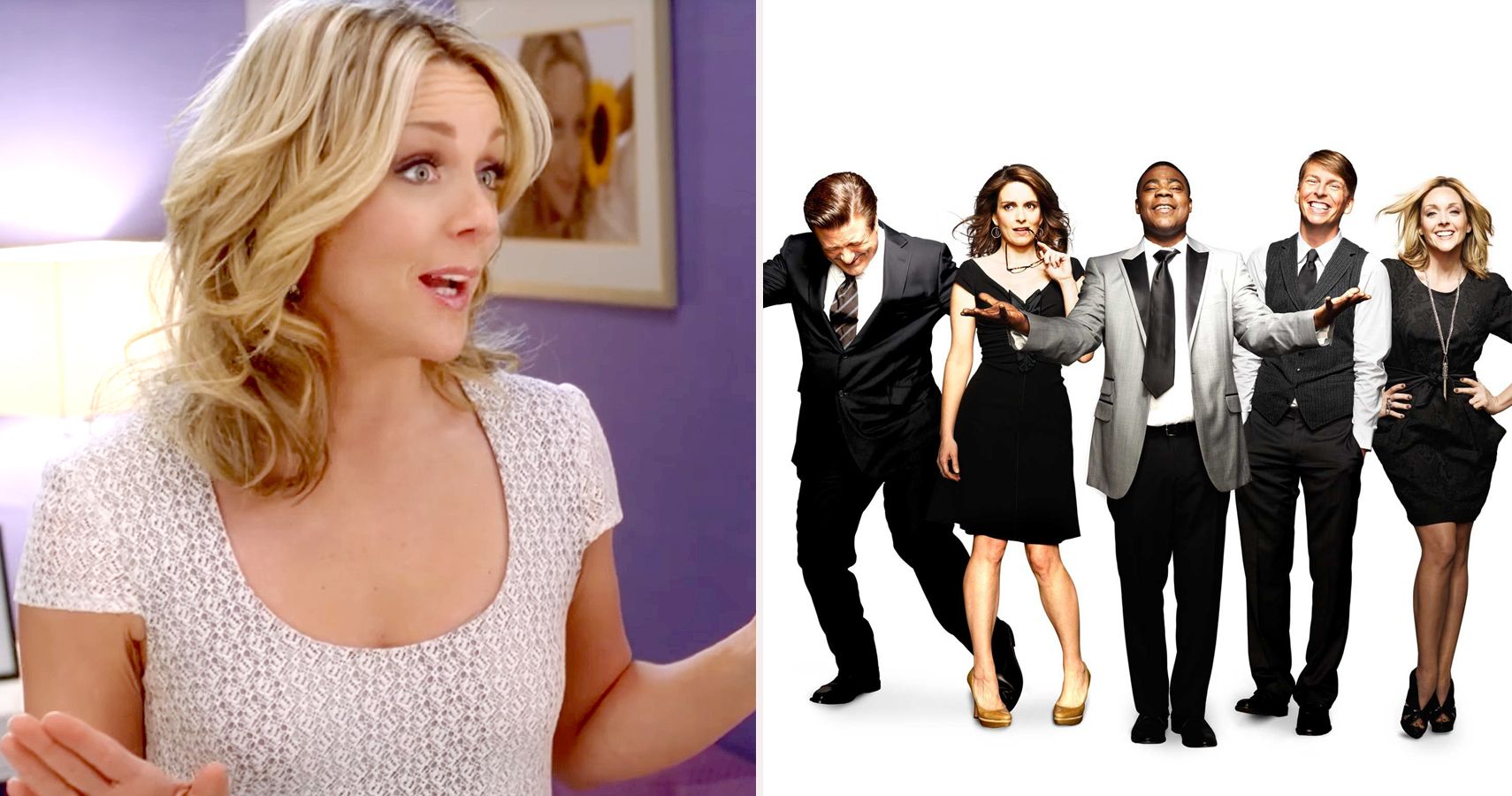
The historical retrospective and subsequent streaming removal of episodes featuring blackface characters from NBC’s comedy series 30 Rock mark a significant moment in the intersection of television syndication, cultural accountability, and modern content stewardship. Driven by requests from creators Tina Fey and Robert Carlock, episodes containing instances of characters performing in blackface were pulled from streaming platforms and syndication feeds in 2020. This action reflects broader industry shifts toward re-evaluating historical media representations, balancing artistic intent against changing social standards, and managing digital-era content archives.
Background and Context of 30 Rock
Created by Tina Fey and premiering on NBC in October 2006, 30 Rock ran for seven seasons, concluding in January 2013. The series follows Liz Lemon, the head writer of a fictional sketch comedy show titled TGS with Tracy Jordan, as she navigates workplace dynamics, network executives, and eccentric cast members. Known for its rapid-fire joke delivery, meta-humor, and satirical take on corporate media culture, the show achieved critical acclaim, earning multiple Emmy Awards and maintaining a dedicated viewership long after its broadcast run concluded.
Within the narrative universe of TGS, sketch comedy tropes and satirical performances were frequent elements. The show within a show often parodied low-brow comedy, television clichés, and entertainment industry absurdities. However, these narrative devices occasionally involved actors utilizing makeup and costuming that mimicked racial characteristics—a practice with a deeply painful and racially charged history in American entertainment.
Specific Episodes Affected and the Removal Decision
In June 2020, amid a broader cultural reckoning regarding racial representation in media, co-creators Tina Fey and Robert Carlock requested that NBCUniversal remove specific episodes of 30 Rock from streaming services, digital storefronts, and syndication packages. The targeted episodes prominently featured characters appearing in blackface or similar racially insensitive mimicry.
The episodes identified and subsequently pulled from circulation included:
- Season 3, Episode 2: "Believe in the Stars"
- Season 5, Episode 10: "Christmas Attack Zone"
- Season 6, Episode 19: "Live from Studio 6H" (East Coast version)
- Additionally, a scene from the Season 5 episode "The Queen of Jordan" was edited out of subsequent broadcasts and streaming versions.
In their public statement regarding the decision, Fey and Carlock expressed regret over the inclusion of these scenes, noting that while the intent at the time was satirical, the use of racially insensitive imagery causes enduring pain and does not age well. Consequently, the creators asked that the episodes be removed to align with a more inclusive standard of media presentation.
| Episode Title | Season & Episode | Reason for Removal / Modification |
|---|---|---|
| "Believe in the Stars" | Season 3, Episode 2 | Jenna Maroney wears blackface while dressed as broadcast journalist/athlete Morton Downey Jr. / a spoof of racial swapping. |
| "Christmas Attack Zone" | Season 5, Episode 10 | Jenna Maroney appears in blackface during a fantasy sequence portraying a character from The Amos 'n' Andy Show. |
| "Live from Studio 6H" | Season 6, Episode 19 | Jon Hamm's character appears in blackface during a satirical historical sketch (East Coast live broadcast only). |
| "The Queen of Jordan" | Season 5, Episode 24 | A brief cutaway scene featuring character makeup that replicated racial caricature was digitally edited out. |
The Mechanics of Content Removal in the Streaming Era
The removal of episodes from a completed television series involves coordination between copyright holders, network executives, and digital distribution partners. Unlike the physical syndication era—where altering a television library required recalling physical tapes or editing master broadcast reels—the digital ecosystem allows for immediate adjustments via content management systems (CMS) and video-on-demand (VOD) asset management portals.
When a network or production company decides to pull specific installments of a show, several technical and operational steps occur:
- Rights Holder Notification: The creators, production studios (such as Universal Television), and network executives reach a consensus on which assets require removal or modification.
- Platform Asset Depublishing: Streaming services (such as Hulu, Peacock, and digital purchasing platforms like Apple TV and Amazon Prime Video) receive updated manifest files and content blacklists. The specified episode files are unlinked from the series season listings.
- Syndication Feed Updates: Broadcast syndication partners receive updated transmission guidelines, ensuring that local television stations and cable networks do not air the withdrawn episodes during rerun blocks.
- Digital Editing (When Applicable): For instances where an entire episode is not removed, digital editors isolate the offending segment, re-render the episode master file without the targeted scene, and distribute the clean mezzanine file to digital storefronts.
Industry Precedents and Broad Cultural Shifts
The decision regarding 30 Rock was part of a larger wave of content auditing across the television and film industries during 2020. Several other long-running comedies and sketch shows—including The Office, Community, Scrubs, and Little Britain—simultaneously underwent internal reviews by their respective networks and creators. In many cases, specific episodes containing blackface, yellowface, or other outdated tropes were either excised entirely or modified with introductory content advisories.
This trend highlights a fundamental tension in modern media curation: the balance between historical preservation and contemporary social responsibility. Critics of content removal argue that altering or hiding past television episodes risks sanitizing history and erasing the context in which art was produced. Conversely, supporters and creators often maintain that voluntary removal is an exercise of artistic accountability, acknowledging that certain tropes perpetuate systemic harm and should not be actively monetized or promoted on modern entertainment platforms.
Frequently Asked Questions
Why were the blackface episodes removed from 30 Rock?
The episodes were removed at the direct request of co-creators Tina Fey and Robert Carlock in June 2020. They acknowledged that the use of blackface and racial mimicry—even when framed as satire within the show's narrative—was insensitive and caused pain, prompting them to ask NBCUniversal to pull the specific installments from streaming and syndication.
Which specific episodes of 30 Rock are unavailable?
The primarily affected episodes are Season 3, Episode 2 ("Believe in the Stars"), Season 5, Episode 10 ("Christmas Attack Zone"), and the East Coast live version of Season 6, Episode 19 ("Live from Studio 6H"). Additionally, a brief scene in Season 5, Episode 24 ("The Queen of Jordan") was edited out rather than removing the entire episode.
Can viewers still purchase or watch the removed episodes?
No. The removed episodes have been systematically pulled from official streaming platforms, digital purchase storefronts (such as Apple TV and Amazon Prime Video), and broadcast syndication packages managed by NBCUniversal. They are absent from digital distribution networks.
Did other television shows remove episodes during the same period?
Yes. Several other comedies, including Community, The Office, Scrubs, and It's Always Sunny in Philadelphia, also had specific episodes removed or edited by their respective networks and creators around 2020 due to the inclusion of blackface or racially insensitive content.
Does the removal of these episodes affect the overall plot continuity of 30 Rock?
No. 30 Rock relied primarily on an episodic sitcom format with loose serialized arcs, meaning the removed episodes are largely standalone or feature minor recurring jokes that do not interrupt the overarching narrative progression of the main characters, making the series fully watchable without them.
Conclusion and Recommendations for Viewers
The removal of specific episodes from 30 Rock illustrates the ongoing evolution of how media conglomerates and creators manage their digital catalogues. For viewers seeking to watch or study the series, understanding that these episodes are intentionally omitted helps clarify gaps in season numbering and streaming runtimes. Those interested in the broader historical context of television censorship and the shifting boundaries of satire can examine industry reporting and archival documentation surrounding the 2020 content audits without relying on unauthorized or unverified digital sources.