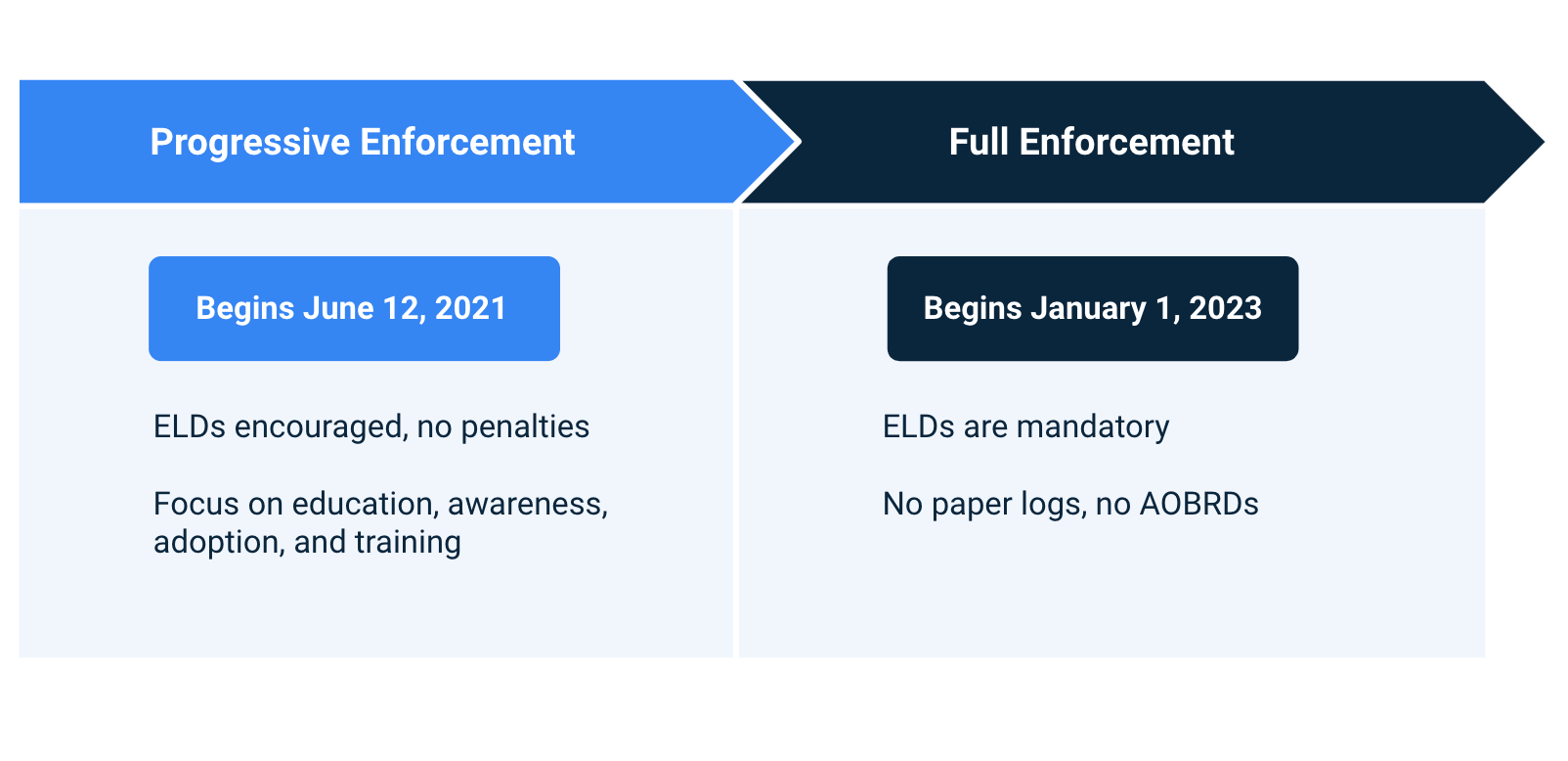
The 2019 ELD mandate timeline marked the final phase of the Federal Motor Carrier Safety Administration’s (FMCSA) transition from paper logs to Electronic Logging Devices. By December 16, 2019, all commercial motor vehicle drivers who were previously using grandfathered Automatic On-Board Recording Devices (AOBRDs) were required to fully transition to compliant ELDs, completing the multi-year implementation of the ELD rule first published in 2015.
The Legislative Genesis of the ELD Rule
To understand the 2019 enforcement deadline, one must first look at the foundational regulation. The FMCSA finalized the ELD rule in December 2015, driven by the Moving Ahead for Progress in the 21st Century Act (MAP-21). This legislation aimed to improve road safety by ensuring more accurate recording of Hours of Service (HOS) for commercial drivers, thereby reducing fatigue-related accidents.
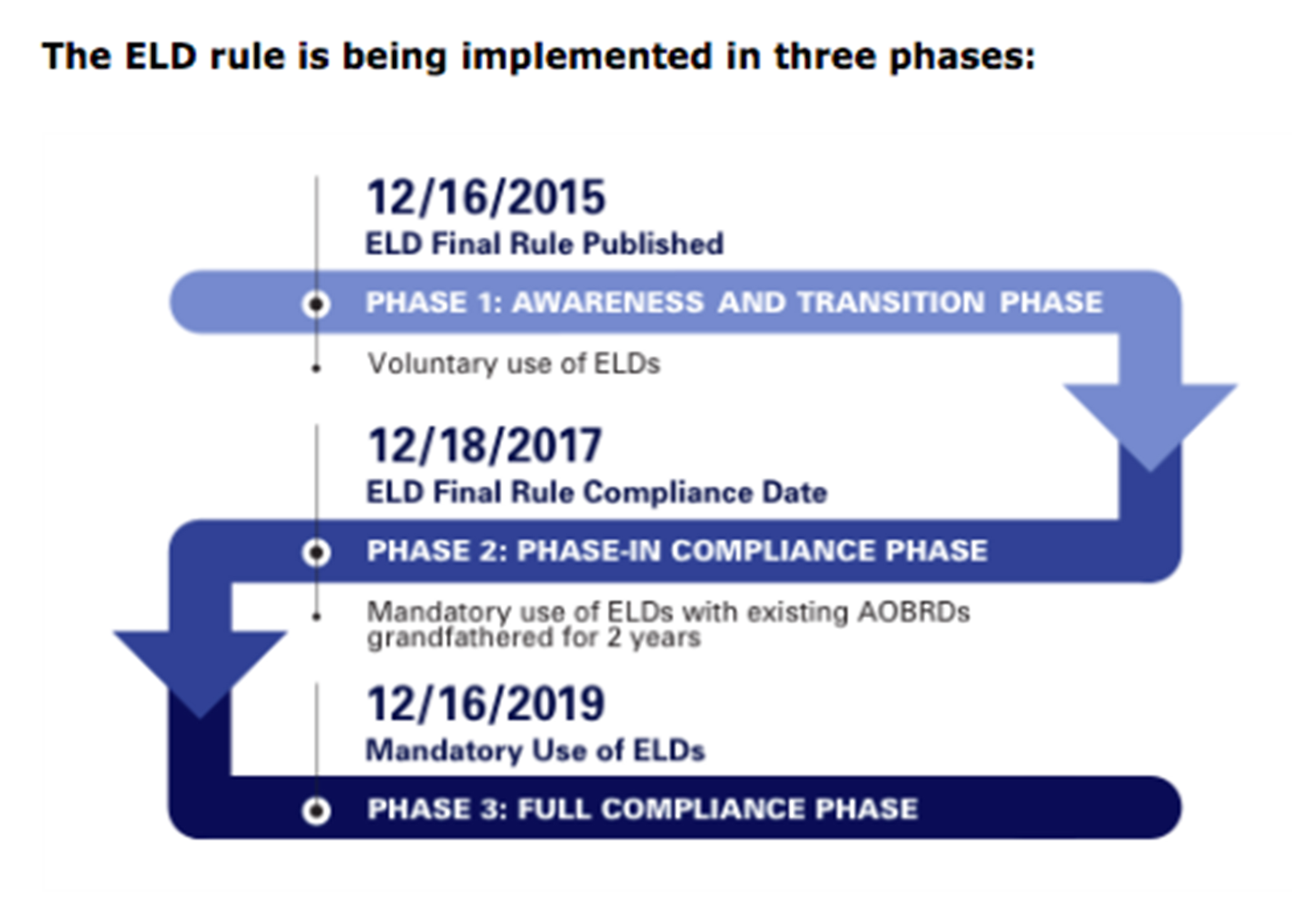
The rule established a phased implementation schedule. The first significant milestone occurred on December 18, 2017, which served as the primary compliance date for carriers and drivers who were previously using paper logs or non-certified logging software. However, the FMCSA provided a two-year "grandfathering" period for fleets that had already invested in AOBRD technology prior to the publication of the final rule. This specific exemption allowed these fleets to continue using AOBRDs until December 16, 2019, effectively creating a secondary deadline that defined the landscape of the transportation industry for that year.
Understanding the AOBRD to ELD Transition
The distinction between an AOBRD and a fully compliant ELD is technical but critical. An AOBRD is a device that synchronizes with the engine of a commercial motor vehicle to automatically record driving time. While these devices were effective at moving away from manual paper logs, they lacked the rigid data transfer and reporting standards required by the new 2015 ELD mandate.
As the December 2019 deadline approached, the industry faced a massive technical migration. Unlike the initial 2017 mandate, which primarily affected those who had no automated tracking, the 2019 deadline forced the phase-out of legacy hardware. Carriers were required to either update their existing AOBRD software to meet full ELD specifications—if their provider offered such a path—or undergo a complete hardware swap. This transition period was a significant operational hurdle, requiring fleet managers to train drivers on new user interfaces, update data transfer protocols, and ensure that all logs were correctly archived according to the FMCSA’s record-keeping standards.
Timeline of Key Enforcement Milestones
The enforcement timeline was structured to provide the industry with a gradual adjustment period, preventing a total collapse of supply chain operations on the initial effective dates.
- December 10, 2015: The FMCSA officially publishes the final rule, "Electronic Logging Devices and Hours of Service Supporting Documents."
- December 18, 2017: The phase-in period begins. Carriers and drivers are required to start using compliant ELDs, unless they are operating under the AOBRD grandfather clause.
- December 18, 2017 – December 16, 2019: The "Grandfather Period." Fleets that installed AOBRDs before December 18, 2017, were permitted to continue using these systems.
- December 16, 2019: The hard deadline. All AOBRDs must be removed or upgraded to meet the full technical specifications of the ELD rule. Law enforcement began issuing citations and placing vehicles out-of-service for non-compliance immediately following this date.
Regulatory Requirements and Compliance Expectations
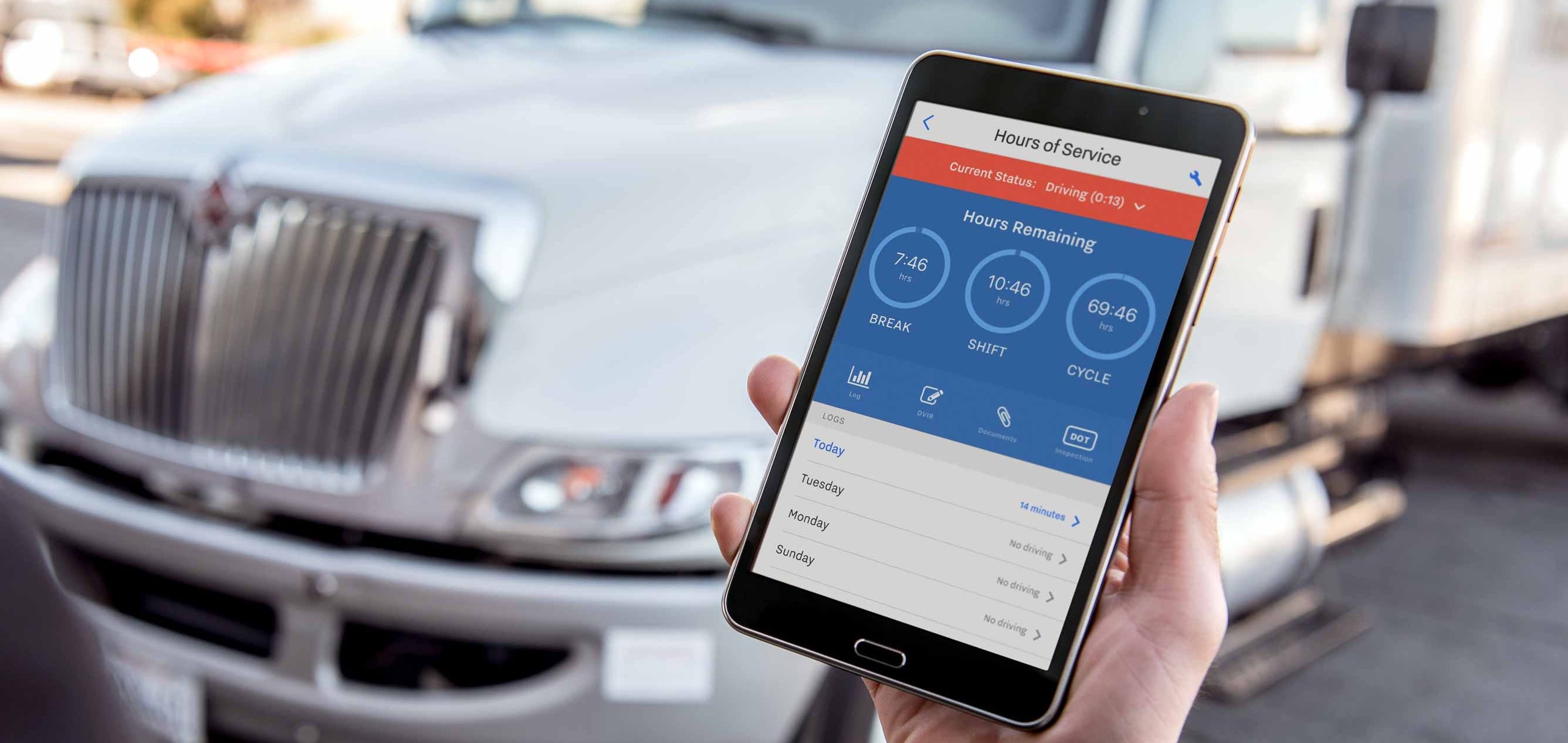
By the time the 2019 enforcement date arrived, the requirements for a compliant device were strictly codified. An ELD must connect directly to the vehicle’s engine control module (ECM) to capture motion data. The device must be registered with the FMCSA and must provide a standardized method for transferring data to safety officials during a roadside inspection, typically via wireless web services or email, or through a USB/Bluetooth interface.
Compliance is not merely about the hardware. The mandate also dictates how the data is handled. Drivers are required to maintain a digital logbook that is accessible for inspection. Furthermore, the regulation specifies how supporting documents—such as fuel receipts, toll records, and dispatch paperwork—must be organized to verify the ELD’s electronic entries.
Comparison: AOBRD vs. ELD Technical Standards
| Feature | AOBRD (Pre-2019) | ELD (Post-2019) |
|---|---|---|
| Engine Sync | Required | Required |
| Data Transfer | Proprietary/Limited | Standardized (Telematics/Local) |
| Driver Edit | Allowed/Flexible | Restricted/Audited |
| GPS Tracking | Optional/Varies | Required (at duty status change) |
| Certification | Manufacturer-declared | FMCSA-registered/Certified |
Addressing Challenges During the 2019 Transition
The 2019 deadline was met with significant concern regarding the "data cliff." Many smaller fleets found that their AOBRD vendors did not provide a seamless "over-the-air" update to full ELD status. This necessitated manual data offboarding, as companies had to preserve the previous six months of logs for inspection purposes even after the hardware was replaced.
The industry also grappled with interoperability issues. During the 2019 transition, some roadside inspectors experienced difficulties accessing data from specific ELD models. The FMCSA eventually had to issue guidance on "back-office" transfer methods, confirming that if a digital transfer failed due to system limitations, drivers could provide a visual display of the logs or printouts to satisfy the requirement, provided the device was on the list of registered ELDs.
Ongoing Compliance in 2026
While the 2019 mandate is now a historical benchmark, its legacy continues to define current operations. In 2026, the regulatory environment is mature. Compliance is no longer treated as a "new" requirement but as a standard operating procedure for all interstate motor carriers.
For carriers operating in 2026, the emphasis has shifted from the initial hardware transition to data integrity and software updates. Using a device that is no longer supported by its manufacturer, or one that has been removed from the FMCSA’s list of registered devices, is a common pitfall that can lead to significant fines. Drivers are expected to know how to perform a "data transfer" for an officer upon request, and carriers must ensure that their software subscriptions are active to keep the device’s database of authorized personnel and locations current.
Frequently Asked Questions
What happens if I use an old AOBRD in 2026? You would be in violation of the FMCSA mandate. The 2019 deadline was absolute; AOBRDs are no longer recognized as compliant recording devices. Operating with one will result in a violation and likely an out-of-service order during a roadside inspection.
Are there any exemptions to the ELD rule? Yes. Exemptions exist for drivers who operate under the 150 air-mile radius short-haul exception, drivers of vehicles manufactured before model year 2000, and drivers conducting drive-away-tow-away operations. Always verify your specific status against current FMCSA guidance, as these rules are interpreted strictly.
How do I verify if my ELD is currently compliant? You should regularly check the official FMCSA list of registered ELDs. The agency updates this list to remove devices that fail to meet technical standards or whose manufacturers have gone out of business. Using a device that is "revoked" from this list puts your fleet in non-compliance.
Is it legal to use a smartphone as an ELD? A smartphone can function as part of an ELD system, but only if it is part of a package that is registered with the FMCSA. You cannot simply use a generic logging app; the entire system—the hardware, the software, and the data transfer method—must be certified to meet the technical specifications of the mandate.
What is the penalty for not having an ELD? Non-compliance usually results in the driver being placed out-of-service for the remainder of the day. Additionally, the motor carrier may face substantial civil penalties. Repeated violations can lead to a downgrade of the carrier's safety rating, which impacts insurance premiums and the ability to operate.
Recommendations for Maintaining Compliance
To remain compliant in 2026, fleet managers should implement a quarterly audit of their ELD hardware and software. First, ensure your device remains on the FMCSA’s active, authorized list. Second, verify that all drivers know the correct procedure for transferring data to law enforcement via the eRODS (Electronic Record of Duty Status) system. Finally, ensure your backup protocols—such as physical logbooks for a limited, temporary period in the event of a device malfunction—are understood by all personnel to avoid unnecessary downtime during technical outages. Always consult the official FMCSA website for the most recent updates to technical specifications and regulatory notices.