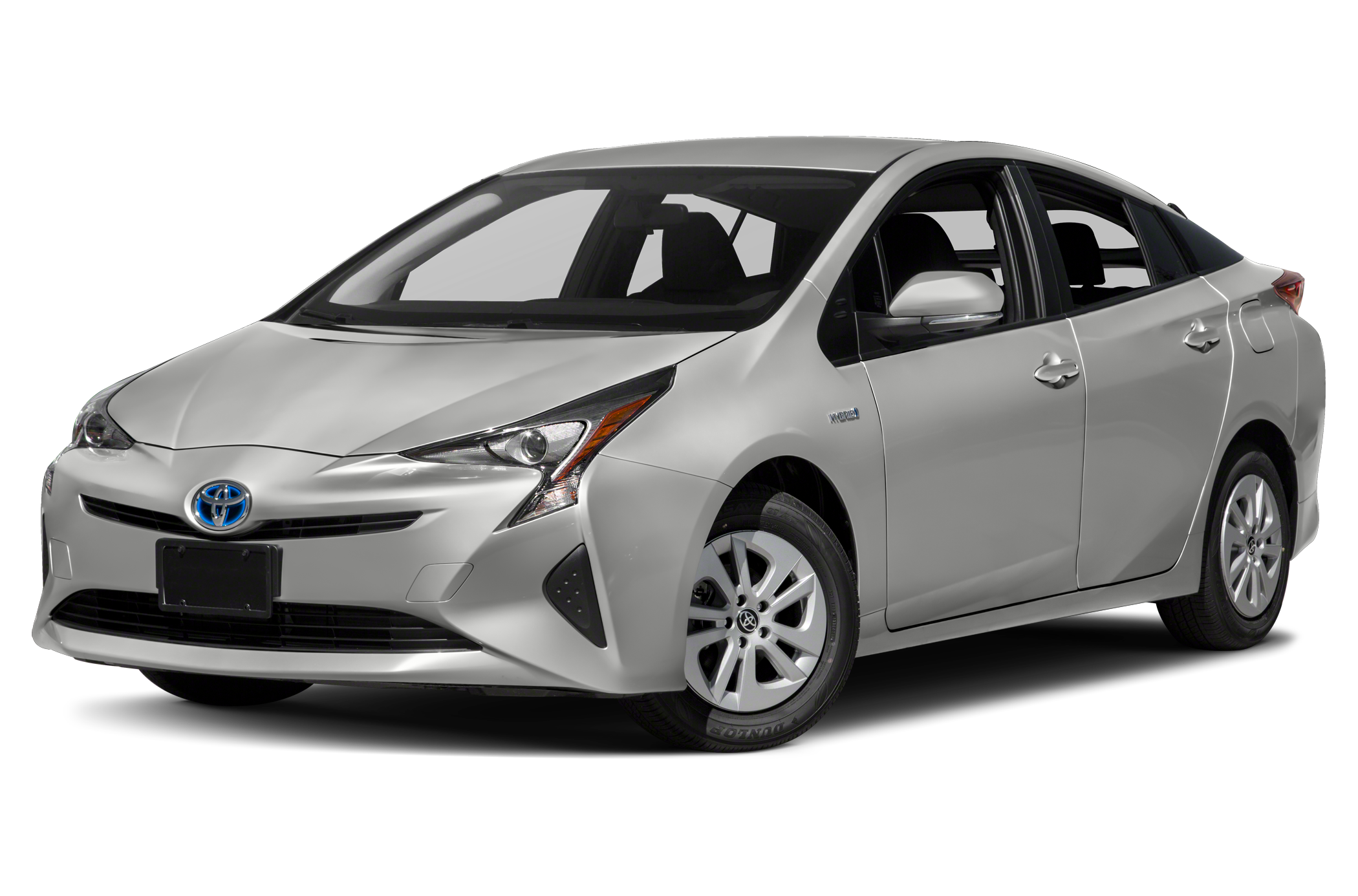
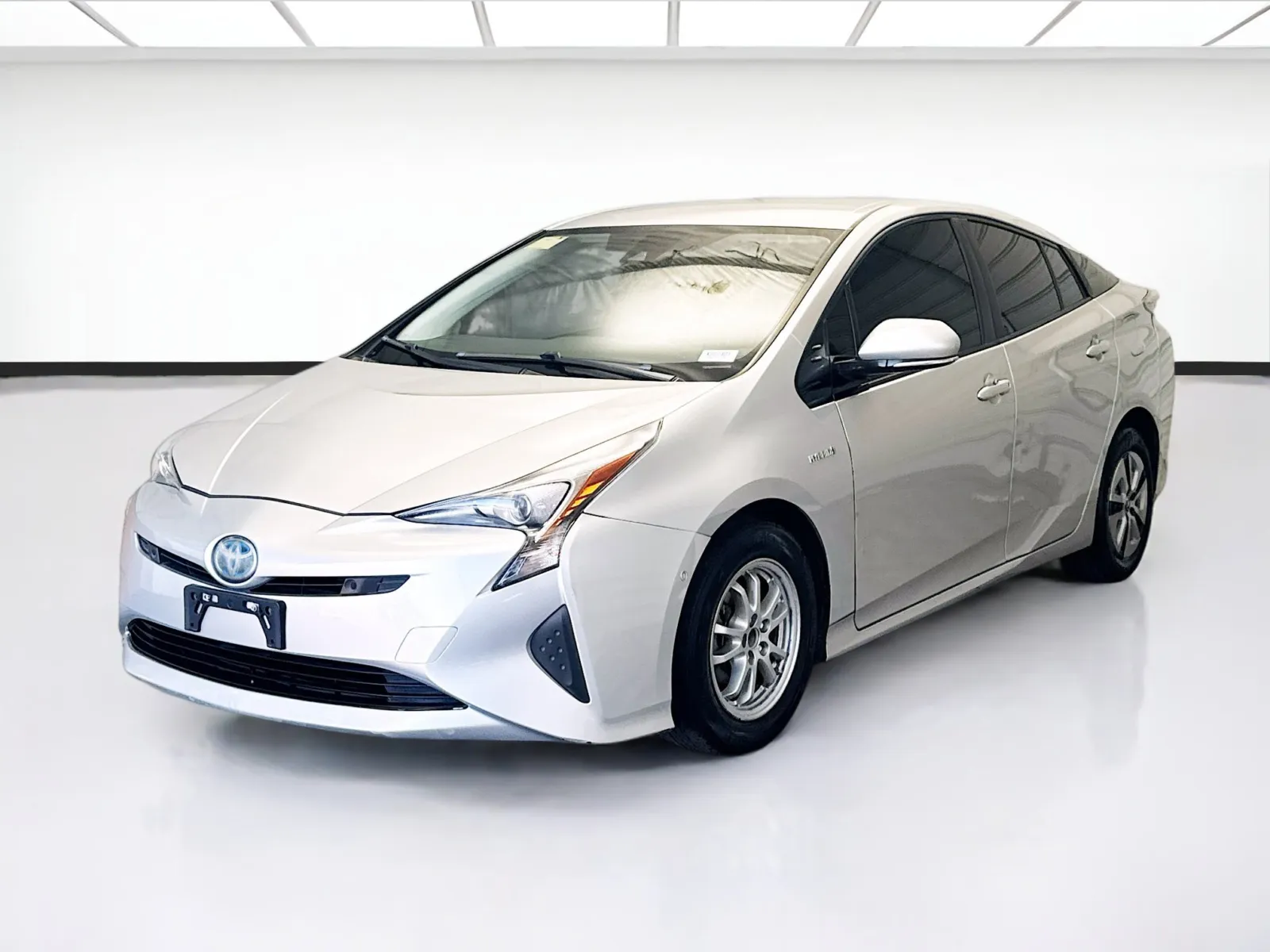
The 2018 Toyota Prius Two is the core standard trim of Toyota’s fourth-generation hybrid hatchback, offering an EPA-estimated 52 MPG combined, standard Toyota Safety Sense P (TSS-P), and standard Nickel-Metal Hydride (NiMH) battery technology. It balances daily commuter practicality, generous cargo space, and proven long-term durability for second-hand vehicle buyers.
1. Overview and Trim Positioning in the 4th-Gen Lineup
The 2018 model year represents the third year of the fourth-generation Prius (XW50 platform), which debuted for 2016 built on the Toyota New Global Architecture (TNGA-C). This platform significantly improved chassis rigidity, lowered the center of gravity, and replaced the older trailing-arm rear suspension with a double-wishbone independent rear suspension system, substantially improving ride quality and handling stability compared to third-generation models.
Within the 2018 model structure, Toyota divided the liftback lineup into several distinct numeric trims: Prius One (a fleet-oriented trim), Prius Two, Prius Two Eco, Prius Three, Prius Three Touring, Prius Four, and Prius Four Touring.
2018 Prius Lineup Hierarchy:
- Prius One (Fleet)
- Prius Two (Standard)
- Prius Two Eco (Efficiency Leader)
- Prius Three/Four (Tech/Leather)
The Prius Two served as the baseline volume trim for retail consumers. While it lacks some of the luxury enhancements found in higher-tier models—such as SofTex synthetic leather seats, embedded navigation, or larger infotainment displays—it incorporates the essential modern safety and convenience features standard across the lineup.
Understanding the distinction between the standard Two and the Two Eco is critical for used car buyers:
- Battery Chemistry: The standard Prius Two utilizes a proven Nickel-Metal Hydride (NiMH) battery pack mounted beneath the rear seats, whereas the Two Eco upgraded to a lighter Lithium-ion (Li-ion) battery.
- Spare Tire: The Prius Two includes a space-saver temporary spare tire under the cargo floor. The Two Eco omitted the spare tire in favor of an inflation kit to shed weight, which accounts for its slightly higher EPA fuel economy rating (56 MPG combined versus the Two's 52 MPG combined).
- Keyless Entry: The Prius Two features Smart Key access on the driver’s door only, whereas higher trims extend touch sensors to the passenger door and rear hatch.
2. Powertrain Specs, Hybrid System, and Fuel Economy
At the heart of the 2018 Toyota Prius Two is Toyota’s Hybrid Synergy Drive system, pairing an internal combustion engine with two electric motor-generators through a planetary gear-set continuously variable transmission (eCVT).
Engine and Electric Motor Technical Specifications
- Engine Type: 1.8-liter 4-cylinder DOHC 16-valve VVT-i (2ZR-FXE) operating on the Atkinson cycle.
- Engine Power: 95 horsepower @ 5,200 RPM and 105 lb-ft of torque @ 3,600 RPM.
- Thermal Efficiency: 40 percent, achieved via high-tumble intake ports, cooled Exhaust Gas Recirculation (EGR), and redesigned water jackets.
- Electric Motor (MG2): Permanent magnet AC synchronous motor delivering 71 hp (53 kW) and 120 lb-ft of torque.
- Total System Horsepower: 121 net system horsepower.
- Hybrid Battery: 201.6-volt sealed Nickel-Metal Hydride (NiMH) pack consisting of 28 modules (1.31 kWh capacity).
- Drivetrain: Front-wheel drive (FWD).
Hybrid Synergy Drive Layout:
- Power Generation:
- 1.8L 2ZR-FXE Engine
- MG1 / MG2 Motors (connected to 201.6V NiMH Battery Pack via DC-DC Converter & Inverter)
- Transaxle:
- Planetary Gear eCVT
- Drive:
- Front Wheels
Driving Modes and Real-World Performance
The 2018 Prius Two offers four selectable drive modes via center-console buttons:
- Normal Mode: Default setting balancing fuel efficiency and throttle response for general driving.
- Eco Mode: Damps throttle sensitivity and alters climate control operation to minimize parasitic engine loads, maximizing fuel economy.
- Power Mode: Increases throttle sensitivity for improved acceleration response when entering freeways or passing.
- EV Mode: Allows low-speed electric-only driving for short distances (up to roughly 0.5 miles under low throttle inputs) when the hybrid battery charge state allows.
In terms of acceleration, the 2018 Prius Two completes 0 to 60 mph in approximately 9.8 to 10.0 seconds. While acceleration is modest, the instantaneous low-end torque provided by motor-generator MG2 delivers responsive off-the-line performance in city traffic.
EPA Fuel Economy Ratings
The 2018 Toyota Prius Two carries the following EPA fuel economy estimates:
- City: 54 MPG
- Highway: 50 MPG
- Combined: 52 MPG
With a fuel tank capacity of 11.3 gallons, the theoretical maximum driving range of the 2018 Prius Two exceeds 580 miles under optimal driving conditions, making it an exceptionally efficient vehicle for long-distance commuters.
3. Interior Design, Comfort, and Cargo Practicality
The interior design of the fourth-generation Prius marked a significant departure from earlier models, featuring a centralized digital instrument cluster positioned high on the dashboard, reduced wind noise via acoustic windshield glass, and improved material quality.
Cabin Comfort and Controls
The 2018 Prius Two features durable fabric-trimmed seating surfaces with 6-way manually adjustable driver and 4-way manually adjustable front passenger seats. The central dashboard houses a dual 4.2-inch color Multi-Information Display (MID) that presents driver information, fuel efficiency tracking, climate settings, and hybrid energy flow diagrams.
Standard interior convenience amenities include:
- Automatic dual-zone climate control with S-FLOW mode, which directs airflow only to occupied seats to reduce HVAC energy consumption.
- Tilt and telescopic steering wheel with integrated controls for audio, Bluetooth, and dynamic radar cruise control settings.
- Power windows with auto up/down on all four doors.
- Center console with two cupholders, armrest storage, and a 12V auxiliary power outlet.
Infotainment System
The standard audio setup on the Prius Two is Toyota’s Entune Audio system:
- Screen Size: 6.1-inch color touchscreen display.
- Audio Features: 6-speaker sound system, AM/FM CD player, auxiliary audio jack, USB 2.0 port with iPod connectivity, and Bluetooth hands-free phone capacity with wireless audio streaming.
- Limitations: The 2018 Prius Two does not include Apple CarPlay or Android Auto integration, as Toyota did not begin rolling out these platforms across the Prius lineup until the 2020 model year. Drivers seeking modern smartphone mirroring must rely on aftermarket head unit replacements or Bluetooth audio routing.
Interior Dimensions and Cargo Space
Thanks to the relocation of the hybrid battery beneath the rear seats, the 2018 Prius Two maximizes utility within its hatchback body style.
| Interior Dimension | Measurement |
|---|---|
| Front Headroom | 39.4 inches |
| Front Legroom | 42.3 inches |
| Rear Headroom | 37.4 inches |
| Rear Legroom | 33.4 inches |
| Cargo Volume (Seats Up, with Spare Tire) | 24.6 cubic feet |
| Total Passenger Volume | 93.1 cubic feet |
The 60/40 split fold-down rear seats fold nearly flat to expand cargo capacity significantly, enabling the transport of large luggage, bicycles, or bulky boxes.
4. Advanced Safety Features and Crash Test Ratings
One of the primary advantages of the 2018 model year over earlier hybrid vehicles is the inclusion of active driver-assistance systems as standard equipment.
Toyota Safety Sense P (TSS-P) Standard Features
In 2018, Toyota made its Toyota Safety Sense P (TSS-P) suite standard across all Prius trims, including the base Prius Two. This system utilizes a windshield-mounted camera and a front grille-mounted millimeter-wave radar sensor to deliver four key safety technologies:
- Pre-Collision System with Pedestrian Detection (PCS w/ PD): Monitors the road ahead for vehicles or pedestrians. If a potential collision is detected, it provides audible and visual warnings, automatically engaging emergency braking if the driver fails to react.
- Lane Departure Alert with Steering Assist (LDA w/ SA): Identifies visible white and yellow lane markings at speeds above 32 mph. If unintentional lane drift occurs, it alerts the driver and provides subtle steering inputs to nudge the vehicle back into its lane.
- Automatic High Beams (AHB): Uses an in-vehicle camera to detect oncoming headlights and preceding taillights, automatically toggling between high and low beams based on surrounding ambient light conditions.
- Full-Speed Range Dynamic Radar Cruise Control (DRCC): An adaptive cruise control system capable of maintaining a preset distance from the vehicle ahead down to a complete stop, reducing driver fatigue in stop-and-go highway traffic.
passive Safety Features
The Prius Two comes standard with eight airbags, including driver and front passenger advanced air bag systems, seat-mounted side airbags, driver knee airbag, passenger seat-cushion airbag, and front and rear side curtain airbags. It also incorporates Toyota’s Star Safety System, which includes Enhanced Vehicle Stability Control (VSC), Traction Control (TRAC), Anti-lock Braking System (ABS), Electronic Brake-force Distribution (EBD), and Brake Assist (BA).
Official Crash Test Ratings
The 2018 Toyota Prius received top marks from major crash testing organizations:
- National Highway Traffic Safety Administration (NHTSA): Awarded an overall 5-Star Safety Rating, receiving five stars in side crash performance and four stars in frontal crash and rollover tests.
- Insurance Institute for Highway Safety (IIHS): Earned the Top Safety Pick designation for 2018 models, receiving top "Good" ratings in all five crashworthiness assessments (small overlap front, moderate overlap front, side impact, roof strength, and head restraints).
5. Comprehensive Trim Comparison: 2018 Prius Lineup
To help contextualize where the Prius Two sits relative to other 2018 models, the following table compares key technical specifications, features, and equipment variations across the lineup.
| Feature / Spec | Prius Two | Prius Two Eco | Prius Three | Prius Four |
|---|---|---|---|---|
| EPA Combined MPG | 52 MPG | 56 MPG | 52 MPG | 52 MPG |
| Hybrid Battery Type | NiMH (201.6V) | Lithium-ion (207.2V) | Lithium-ion (207.2V) | Lithium-ion (207.2V) |
| Temporary Spare Tire | Yes (Standard) | No (Inflation Kit) | Yes | Yes |
| Infotainment Screen | 6.1-inch Touchscreen | 6.1-inch Touchscreen | 11.6-inch HD Touchscreen | 11.6-inch HD Touchscreen |
| Upholstery | Fabric | Fabric | Fabric | SofTex Synthetic Leather |
| Qi Wireless Charging | No | No | Yes | Yes |
| Blind Spot Monitor (BSM) | Optional / Not Standard | No | Available in packages | Standard |
| Smart Key System | Driver Door Only | Driver Door Only | 3-Door (Driver, Pass, Hatch) | 3-Door (Driver, Pass, Hatch) |
| Standard Wheel Size | 15-inch alloy w/ covers | 15-inch alloy w/ covers | 15-inch alloy w/ covers | 15-inch alloy (17" on Touring) |
6. Long-Term Reliability, Battery Health, and Maintenance Guidance
Toyota hybrid powertrains are widely recognized for exceptional long-term reliability. However, as 2018 models age on the secondary market, proper maintenance monitoring becomes crucial.
High-Voltage Battery Considerations
The 2018 Prius Two utilizes a Nickel-Metal Hydride (NiMH) hybrid battery. NiMH chemistry is known for thermal stability and high cycle tolerance.
- Factory Warranty Coverage: Original factory hybrid component coverage extended for 8 years or 100,000 miles (or 10 years/150,000 miles in California Air Resources Board [CARB] states).
- Battery Lifespan: A well-maintained 2018 NiMH hybrid battery typically lasts between 150,000 and 250,000 miles.
- Hybrid Battery Cooling Fan Maintenance: The hybrid battery cooling vent is located beneath the driver-side rear seat cushion. Dust, pet hair, or lint accumulating in this intake vent can cause the battery pack to overheat, accelerating cell degradation. Owners should inspect and clean this filter screen every 20,000 to 30,000 miles.
- HV Battery Intake Vent (Under Rear Seat)
- Filter Screen
- Cooling Fan
- NiMH Battery Modules
Blocked intake filters lead to high internal cell temperatures and premature battery degradation.
Key Mechanical Maintenance Areas
- Engine Oil & Filter: The 1.8L 2ZR-FXE engine requires 0W-20 full synthetic motor oil. Change intervals are recommended every 10,000 miles or 12 months under normal driving conditions.
- EGR (Exhaust Gas Recirculation) System Cleaning: While the 4th-gen Prius significantly improved the EGR valve design compared to 3rd-gen models, carbon buildup can still occur over high mileage (100,000+ miles). Cleaning the EGR valve, cooler, and intake manifold ports prevents engine knock and rough idle conditions.
- Inverter and Engine Coolant: The hybrid system uses two independent cooling loops filled with Toyota Super Long Life Coolant (SLLC). Initial replacement is scheduled at 100,000 miles for the engine loop and 150,000 miles for the inverter loop.
- Brake System Maintenance: Due to regenerative braking (where electric motor resistance slows the car while recharging the battery), physical brake pads and rotors experience minimal wear and often last over 100,000 miles. However, slide pins and calipers should be inspected and lubricated periodically in northern climates to prevent seizure from road salt exposure.
- eCVT Fluid Transaxle Flush: Toyota lists the WS transaxle fluid as a lifetime fill under normal conditions, but technical specialists recommend draining and refilling the transaxle fluid every 60,000 to 90,000 miles to clear metallic wear debris from planetary gear sets.
7. Pros and Cons for Used Car Buyers
Evaluating the 2018 Toyota Prius Two on the used car market highlights several distinct trade-offs:
Pros
- Exceptional Fuel Economy: 52 MPG combined delivers exceptionally low fuel costs per mile.
- Standard Active Safety Tech: Full TSS-P package includes adaptive cruise control and automatic emergency braking without requiring upgraded trim packages.
- Includes Spare Tire: Unlike the Two Eco, the standard Two trim includes a space-saver spare tire for peace of mind on remote drives.
- Refined Suspension Geometry: TNGA platform provides a smooth ride quality and vastly improved handling over pre-2016 Prius models.
- Proven NiMH Battery Track Record: Predictable long-term performance with wide availability of cost-effective individual replacement modules or remanufactured packs.
Cons
- Outdated Infotainment: The small 6.1-inch Entune touchscreen lacks Apple CarPlay, Android Auto, and factory navigation.
- Modest Acceleration: A 0-60 mph time of ~10 seconds requires full accelerator application when merging onto high-speed freeways.
- Styling Polarization: The angular exterior lines of the 2018 model remain controversial for some buyers.
- Road Noise: While quieter than its predecessor, tire cabin noise can remain noticeable on rough pavement at highway speeds.
- Basic Interior Trims: High-touch plastics and basic cloth upholstery feel modest compared to premium compact hatchbacks.
8. Buying Guidance: What to Inspect on a Used 2018 Prius Two
When shopping for a used 2018 Toyota Prius Two, performing a thorough inspection ensures you avoid costly repairs down the road.
Pre-Purchase Checklist
- OBD-II Hybrid Diagnostic Scan: Connect a diagnostic scan tool (or use specialized smartphone apps like Dr. Prius with a compatible OBD-II adapter) to check for pending diagnostic trouble codes (DTCs) in the Hybrid Control Module. Verify voltage delta across all 14 battery block pairs; a healthy battery shows less than a 0.2-volt difference between block pairs under electrical load.
- HV Cooling Intake Fan Filter Inspection: Check the intake vent under the left-hand rear seat. Ensure the mesh screen is clear of debris and pet hair.
- 12V Auxiliary Battery Health: The 12V AGM auxiliary battery (located in the engine bay) powers the vehicle’s ECU computer networks prior to starting the high-voltage system. An aging 12V battery causes erratic dashboard warning lights and hybrid system start failures.
- Check Underbody Shielding: Inspect the plastic aerodynamic underbody panels for damage, missing push pins, or scrapes from low curb contact.
- Engine Oil Dipstick Inspection: Check for proper oil level and verify there are no signs of engine sludge or fuel dilution.
Frequently Asked Questions
Does the 2018 Toyota Prius Two have Apple CarPlay or Android Auto?
No. The 2018 Toyota Prius Two comes standard with the Entune 6.1-inch touchscreen system, which does not support Apple CarPlay or Android Auto natively. Toyota introduced smartphone integration to the Prius lineup beginning with select 2020 models. Owners seeking these features typically install an aftermarket double-DIN touchscreen head unit.
What is the difference between the 2018 Prius Two and Prius Two Eco?
The key differences lie in battery chemistry, spare tire availability, and fuel economy. The standard Prius Two uses a Nickel-Metal Hydride (NiMH) battery pack and includes a temporary spare tire, achieving an EPA rating of 52 MPG combined. The Prius Two Eco uses a lighter Lithium-ion (Li-ion) battery pack, omits the spare tire in favor of a tire repair kit, and achieves 56 MPG combined.
How long does the hybrid battery last in a 2018 Toyota Prius Two?
The standard NiMH hybrid battery pack typically lasts between 150,000 and 250,000 miles depending on driving habits, climate, and maintenance. Keeping the rear-seat battery cooling fan clean and free of lint or dust significantly extends the operational lifespan of the battery modules.
Does the 2018 Prius Two have adaptive cruise control?
Yes. The 2018 Prius Two comes standard with Toyota Safety Sense P (TSS-P), which includes Full-Speed Range Dynamic Radar Cruise Control (DRCC). This system allows the car to adjust its speed automatically to maintain a pre-set distance from the vehicle ahead, even slowing down to a complete stop in heavy traffic.
Is the 2018 Prius Two all-wheel drive (AWD)?
No. The 2018 Toyota Prius Two is strictly front-wheel drive (FWD). Toyota did not introduce its electronic all-wheel drive system (AWD-e) to the Prius liftback lineup until the 2019 mid-cycle refresh.
What engine oil does the 2018 Toyota Prius Two take?
The 1.8-liter 4-cylinder 2ZR-FXE engine in the 2018 Prius Two requires SAE 0W-20 full synthetic motor oil meeting ILSAC GF-5 or GF-6 specifications. The oil capacity with a filter change is 4.4 quarts (4.2 liters), with standard change intervals recommended every 10,000 miles or 12 months.
Summary and Final Recommendation
The 2018 Toyota Prius Two remains a compelling standard on the secondary hybrid vehicle market. By offering full active safety suite technology (TSS-P), 52 MPG combined fuel efficiency, an independent rear suspension, and a reliable NiMH hybrid battery system, it delivers practical, highly efficient daily transportation.
For buyers who prioritize low operating costs per mile, reliable standard equipment, and built-in spare tire utility, the 2018 Prius Two offers an excellent balance of utility and value. When purchasing, prioritize vehicles with verified maintenance records, clean high-voltage battery cooling vents, and healthy OBD-II module diagnostics.