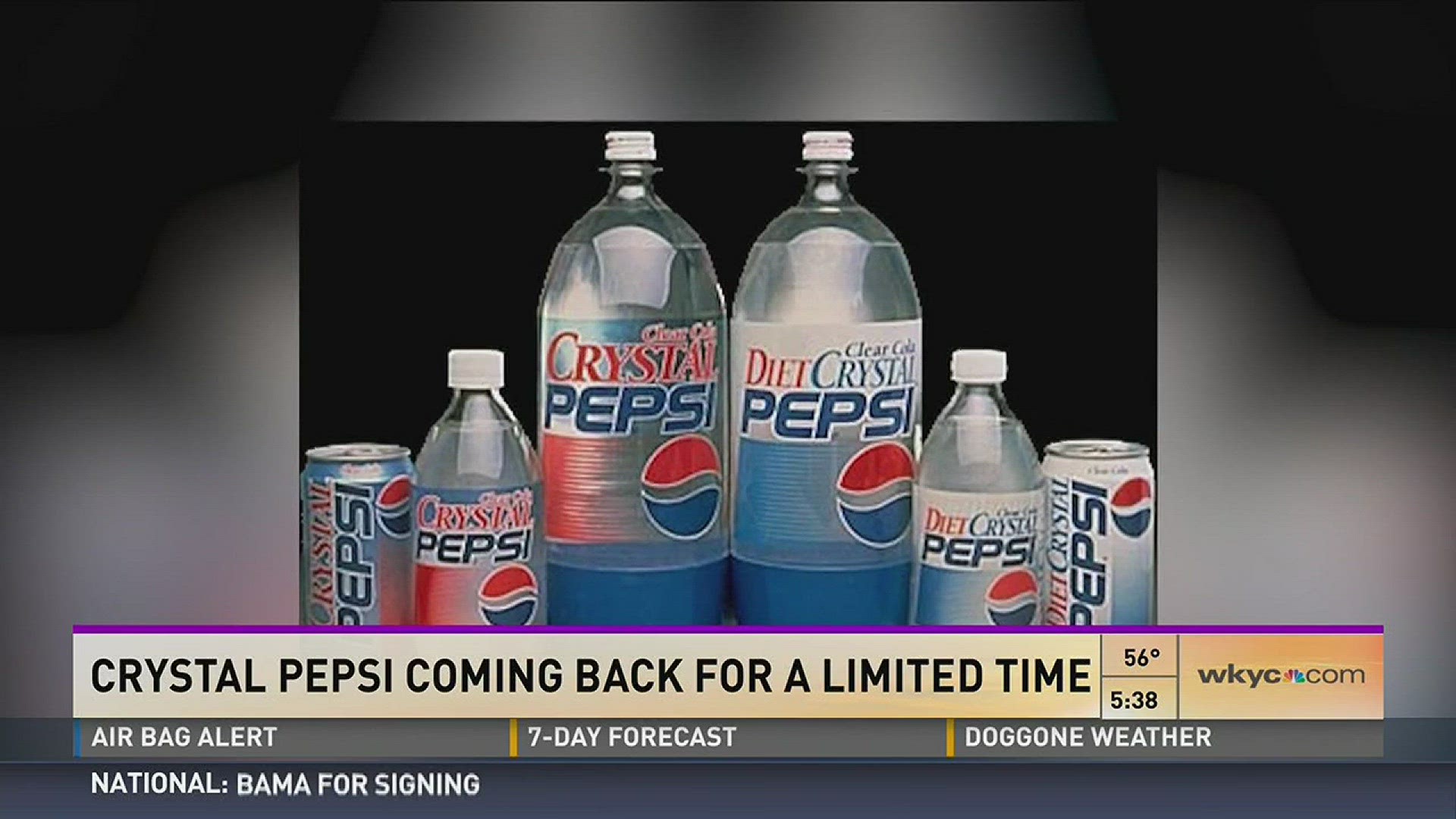
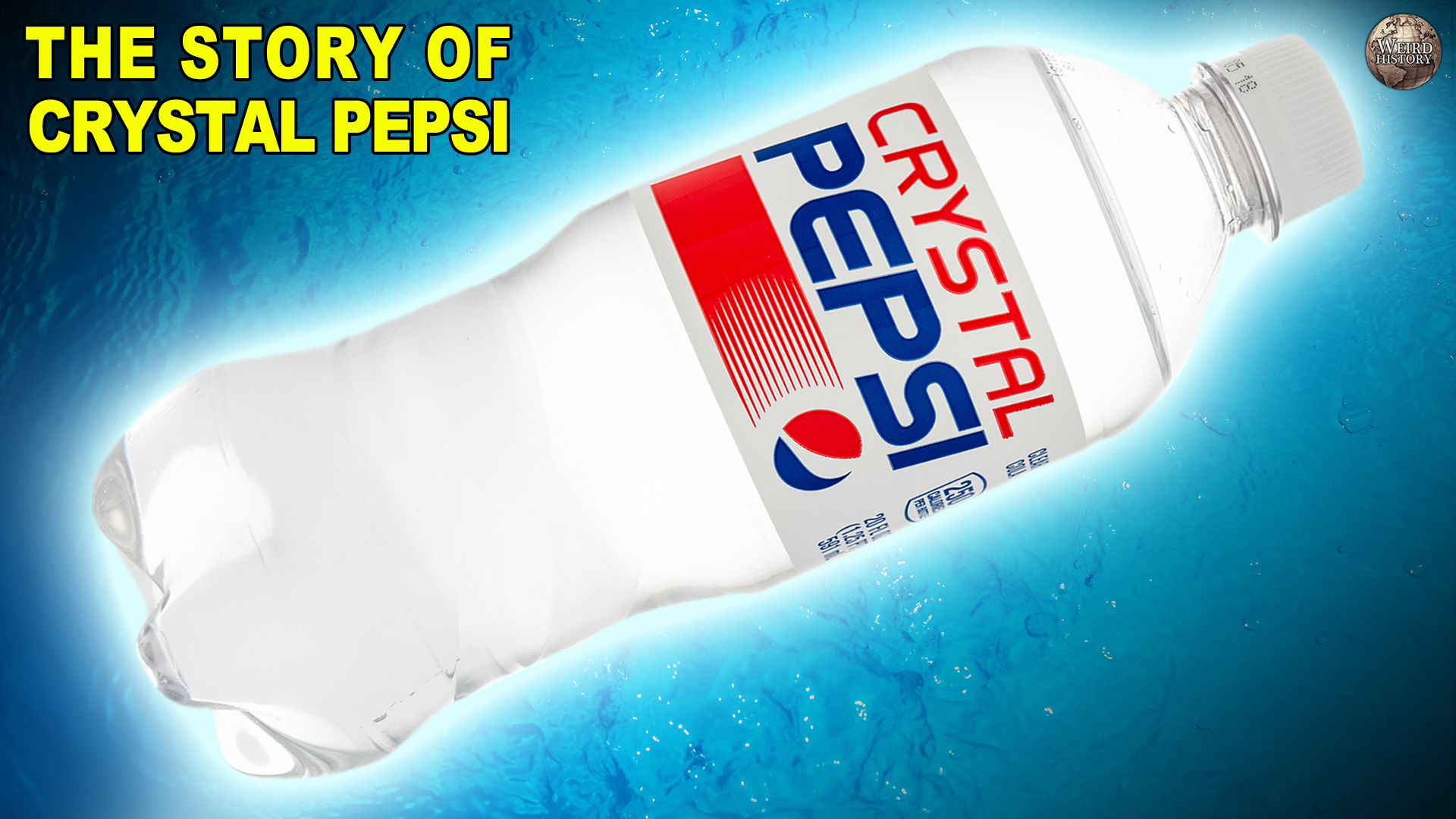
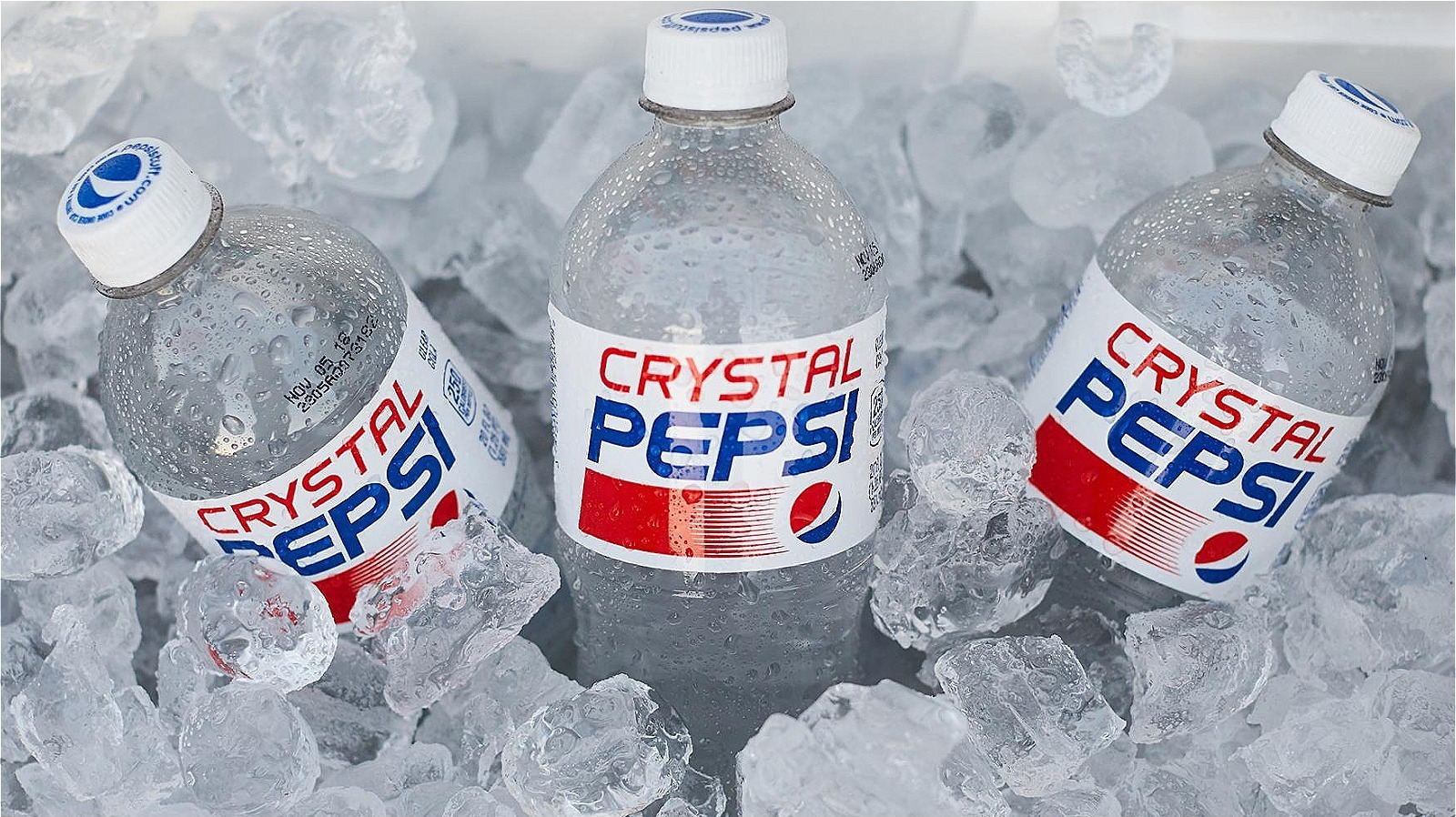
The 2016 Crystal Pepsi re-release marked the first major return of the iconic 1990s clear soda to North American retail shelves. Driven by a massive social media campaign and nostalgia-fueled consumer demand, PepsiCo brought the caffeine-infused, translucent beverage back for a limited-time engagement in the United States and Canada.
The Origins of a Cult Classic: Why the 2016 Return Mattered
To understand the significance of the 2016 re-release, one must look back at the original debut in 1992. Created by David Novak, Crystal Pepsi was designed as a "clear" alternative to traditional colas, riding the wave of early 90s "purity" marketing. It was caffeine-free and marketed as a healthier, cleaner soda option. However, despite a massive Super Bowl launch, it famously failed by 1994 due to consumer confusion and a lack of clear brand identity.
For two decades, Crystal Pepsi existed primarily as a punchline or a distant memory for Generation X and Millennials. However, as the 2010s progressed, the "90s nostalgia" trend became a dominant force in marketing. Consumers began demanding the return of discontinued childhood staples. By 2015, the groundswell of support for a Crystal Pepsi return reached a tipping point, setting the stage for one of the most successful "Limited Time Offer" (LTO) campaigns in beverage history.
The Catalyst: How Fan Activism Forced PepsiCo’s Hand
The 2016 re-release was not a top-down corporate decision but rather a response to a relentless grassroots campaign. The face of this movement was Kevin Strahle, known online as "The L.A. Beast." A competitive eater and YouTube personality, Strahle launched a massive campaign to #BringBackCrystalPepsi.
Strahle’s efforts included:
- Petitions: Gathering tens of thousands of signatures from fans worldwide.
- Social Media Blitzes: Flooding Pepsi’s official accounts with requests.
- Billboard Campaigns: Purchasing physical advertising space near PepsiCo headquarters to demand the drink's return.
In June 2015, PepsiCo sent a direct letter to Strahle, hinting that his efforts were working. The letter stated, "We think you’ll all be happy with what’s in store." This interaction was a pivotal moment in modern marketing, demonstrating that consumer-led digital activism could influence the production cycles of multi-billion-dollar corporations.
The Rolling Launch: From Sweepstakes to Retail Shelves
The 2016 return was executed in phases, creating a sense of scarcity and high demand before the product even hit general retail. PepsiCo used the launch to promote their digital infrastructure, specifically the "Pepsi Pass" app.
The Pepsi Pass Sweepstakes (December 2015)
Before the official 2016 retail launch, Pepsi held a sweepstakes through the Pepsi Pass app in December 2015. Over 13,000 lucky winners were awarded a six-pack of the clear soda. This served as a "beta test" for the public’s reaction and immediately created a secondary collector’s market on sites like eBay, where individual bottles sold for significant premiums.
The Summer 2016 Retail Launch
Following the success of the sweepstakes, PepsiCo announced the official retail rollout:
- Canada: The product launched across Canada on July 11, 2016.
- United States: The product arrived in U.S. stores on August 8, 2016.
The 2016 version was sold in 20-ounce plastic bottles, priced similarly to standard Pepsi products (typically between $1.79 and $1.99 depending on the retailer). Unlike the original 1992 version, which was caffeine-free, the 2016 re-release contained caffeine, aligning its flavor and energy profile more closely with standard Pepsi-Cola.
Technical Specifications and Flavor Profile
The 2016 formula was a subtle departure from the 1992 original. PepsiCo’s chemists aimed to replicate the "idea" of Crystal Pepsi while making it palatable for modern 21st-century taste buds.
Ingredient Analysis
The primary challenge of a clear cola is providing the flavor of cola without the use of caramel color. Caramel color provides both the dark hue and a slight bitterness associated with traditional Pepsi. To compensate, the 2016 version relied on a specific blend of "Natural Flavors" and phosphoric acid to provide that familiar "bite."
| Feature | 1992 Original Version | 2016 Re-Release Version |
|---|---|---|
| Color | Translucent / Clear | Translucent / Clear |
| Caffeine Content | Caffeine-Free | 63mg per 20oz bottle |
| Primary Sweetener | High Fructose Corn Syrup | High Fructose Corn Syrup |
| Calorie Count | ~250 per 20oz | 250 per 20oz |
| Sodium | 50mg | 55mg |
| Flavor Profile | Light, citrusy cola | Standard Pepsi flavor, no caramel notes |
The Taste Experience
Reviewers in 2016 noted that the drink tasted remarkably similar to regular Pepsi, though with a slightly "sharper" finish. The absence of caramel color led some to perceive a hint of citrus—reminiscent of Sprite or 7-Up—though PepsiCo maintained that the flavor essence was that of a standard cola. The addition of caffeine was the most significant technical change, as it moved the product from a "niche health alternative" (the failed 90s strategy) to a "mainstream cola alternative" (the successful 2016 strategy).
Market Reception and the Psychology of Scarcity
The 2016 re-release was a masterclass in scarcity marketing. By announcing from the start that the product would only be available for eight weeks (or while supplies lasted), PepsiCo triggered a "fear of missing out" (FOMO) among consumers.
Sales Performance
Retailers reported that Crystal Pepsi was often sold out within hours of being stocked. This was not just due to individual consumers buying a single bottle for a taste test, but collectors purchasing entire cases. The 2016 launch proved that the "nostalgia economy" was a viable business model. Rather than trying to maintain Crystal Pepsi as a permanent year-round SKU—which had failed in the 90s—PepsiCo realized the product was far more valuable as an intermittent, "hyped" event.
Social Media Impact
The launch was accompanied by the "Crystal Pepsi Trail," an online game inspired by The Oregon Trail, which leaned heavily into 90s aesthetics. This digital engagement kept the brand trending on platforms like Twitter (now X) and Instagram throughout the summer of 2016, providing PepsiCo with millions of dollars in "earned media" that surpassed traditional television advertising in effectiveness.
The Legacy of 2016: Looking Back from 2026
As we stand in 2026, the 2016 re-release is viewed as the "Big Bang" of the modern limited-edition beverage trend. It proved that legacy brands could successfully revive discontinued products to generate brand equity and short-term revenue spikes.
Subsequent Re-Releases
The success of 2016 led to several follow-up campaigns:
- 2017 & 2018: Pepsi brought the drink back for additional summer runs due to sustained demand.
- 2022: To celebrate the 30th anniversary of the original launch, Pepsi held a contest where fans could win bottles, though it did not see a full-scale retail rollout like in 2016.
The Collector's Market in 2026
In 2026, unopened bottles from the 2016 run are considered historical artifacts for beverage collectors. While they are no longer safe for consumption due to the degradation of plastics and chemical sweeteners over a decade, they remain popular items on collector platforms. The 2016 bottles are easily distinguished from later runs by the specific "Pepsi Pass" branding and the 2016 expiration dates.
Common Mistakes and Misconceptions
Several myths have persisted regarding the 2016 re-release. Clarifying these is essential for anyone researching the history of the brand.
- The "It Tastes Like Lemon" Myth: Many people believe Crystal Pepsi was intended to be a lemon-lime soda. This is false. It was always intended to be a cola. The perceived citrus notes come from the lack of heavy caramel solids that usually mask the lighter flavor esters in cola.
- The "Permanent Return" Misconception: At no point during 2016 did PepsiCo suggest the product was returning permanently. It was always a "Limited Time Only" engagement. Fans who waited for the "second wave" often found empty shelves.
- Availability: Many believe it was available worldwide. In reality, the 2016 retail launch was strictly limited to the North American market (USA and Canada). International fans had to rely on expensive import services.
Comparison: 2016 vs. Other Nostalgia Launches
The 2016 Crystal Pepsi launch paved the way for other brands to dig into their archives. Comparing its success to other re-releases provides context for its impact.
- Coca-Cola’s Surge: When Surge returned in 2014/2015, it was initially an Amazon exclusive. Crystal Pepsi’s 2016 return was more ambitious because it moved directly into physical big-box retailers (Walmart, Target) and convenience stores.
- Pepsi Blue: Revived in 2021, the Pepsi Blue comeback followed the exact "scarcity blueprint" established by the 2016 Crystal Pepsi campaign, though it did not achieve the same level of mainstream cultural conversation.
Expert Guidance: How to Verify Authentic 2016 Memorabilia
For collectors in 2026 looking to acquire 2016-era Crystal Pepsi items, verification is key.
- Check the Label: Authentic 2016 bottles feature a "Limited Edition" banner and often reference the Pepsi Pass app.
- Bottle Shape: The 2016 bottle has the modern "contoured" 20oz plastic shape used by PepsiCo during that era, differing significantly from the 1990s glass or straight-wall plastic bottles.
- The "L.A. Beast" Connection: Some promotional materials from 2016 specifically credit the fans, a nod to the grassroots campaign that made the re-release possible.
Frequently Asked Questions
Is the 2016 Crystal Pepsi still safe to drink in 2026?
No. Beverage experts and food safety guidelines indicate that sodas in plastic bottles have a shelf life of approximately 6 to 9 months before the carbonation escapes and the chemicals (especially sweeteners like High Fructose Corn Syrup) begin to break down. Additionally, microplastics from the bottle may leach into the liquid over a ten-year period.
Why did the 2016 version have caffeine while the original did not?
Consumer research between 1992 and 2016 showed that the primary reason people buy cola is for the caffeine "kick." To ensure the 2016 re-release was a sales success, PepsiCo decided to include caffeine to make it a direct substitute for a standard Pepsi, rather than a "healthier" alternative.
Was Crystal Pepsi 2016 available in Diet?
No. The 2016 re-release was limited to the full-calorie version. While "Diet Crystal Pepsi" existed in the 1990s, PepsiCo opted not to revive it in 2016, focusing all production and marketing efforts on the flagship clear product.
How much did a bottle cost in 2016?
The manufacturer's suggested retail price (MSRP) was approximately $1.79 for a 20oz bottle. However, due to high demand and limited supply, many independent retailers marked the price up to $3.00 or more.
Did the 2016 re-release happen in the UK or Europe?
No. The 2016 campaign was exclusive to the United States and Canada. While there were social media petitions in Europe, PepsiCo did not extend the retail rollout to those regions during that specific calendar year.
Final Recommendation for Enthusiasts
If you are a student of marketing or a fan of beverage history, the 2016 Crystal Pepsi re-release serves as the primary case study for "Nostalgia Marketing 2.0." It proved that the voice of the consumer, when amplified by social media, can resurrect a product that had been "dead" for two decades.
For those looking to relive the experience in 2026, we recommend focusing on the media and advertising archives of the 2016 campaign rather than attempting to consume decade-old liquid. The "Crystal Pepsi Trail" digital assets and the L.A. Beast’s documentary-style videos remain the best ways to experience the energy of that unique cultural moment.