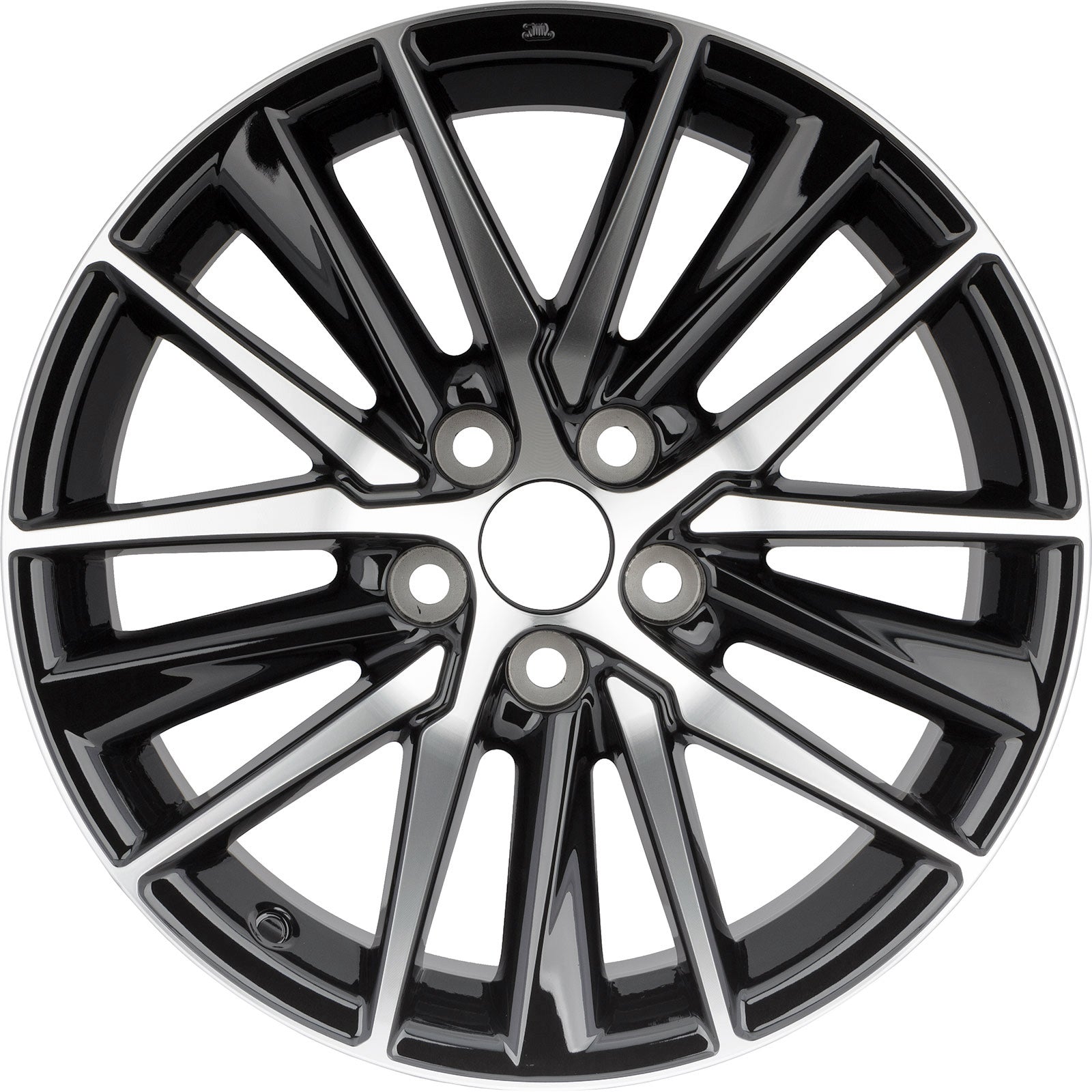
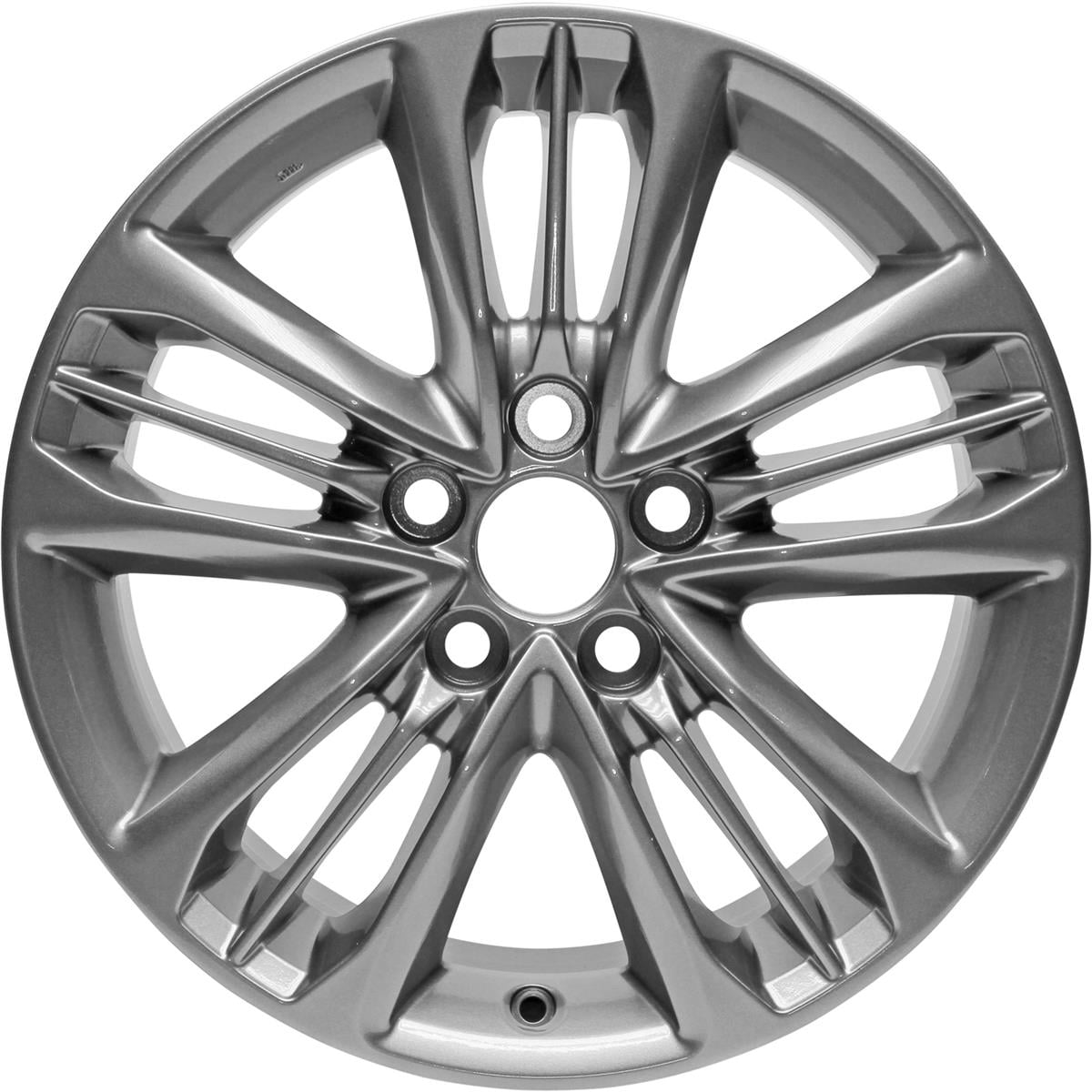
For the 2016 Toyota Camry, selecting the correct rim size requires matching the factory 5x114.3mm (5x4.5") bolt pattern and a 60.1mm center bore. Standard rim diameters range from 16 to 18 inches across the LE, SE, XLE, and XSE trims. Practical choices prioritize a balance between ride comfort, which 16-inch wheels offer, and the sharper aesthetic and handling of 18-inch options.
Understanding the 2016 Toyota Camry Wheel Architecture
To make an informed decision about wheels for a 2016 Camry, one must first understand the technical foundation of the XV50 chassis (the generation spanning 2012–2017). Toyota engineered this vehicle with a focus on reliability and "Hub-Centric" design. A hub-centric setup means the wheel’s center hole fits perfectly over the car's hub, ensuring the weight of the vehicle is supported by the hub itself rather than just the lug studs.
The 2016 Camry utilizes a 5x114.3mm bolt pattern. This is one of the most common bolt patterns in the automotive industry, shared by various Lexus, Honda, and Nissan models. However, the 60.1mm hub bore is a specific Toyota/Lexus standard. When shopping for aftermarket rims, if the center bore is larger than 60.1mm (which it often is to accommodate multiple car brands), you must use hub-centric rings to prevent high-speed vibrations and ensure the wheel is perfectly centered.
Another critical measurement is the offset (ET). The factory offset for a 2016 Camry typically ranges from +35mm to +45mm. This number represents the distance from the wheel's mounting surface to its true centerline. A higher positive offset moves the wheel further inward toward the suspension components, while a lower offset pushes the wheel outward toward the fender. Deviating too far from these numbers can lead to rubbing on the struts or the fender liners, especially when turning or hitting bumps.
Trim-Specific Rim Sizes and Factory Specifications
The 2016 Camry was offered in several distinct trims, each paired with a specific wheel and tire combination designed to match the trim's intended driving dynamics.
The 16-Inch Standard (LE and Hybrid LE)
The LE trim serves as the entry point, typically equipped with 16x6.5-inch or 16x7-inch steel wheels with plastic covers, though alloys were optional. These rims are paired with 205/65R16 tires. From a practical standpoint, the 16-inch size offers the most "sidewall," the vertical height of the tire. A larger sidewall acts as a secondary cushion for the suspension, absorbing potholes and road imperfections more effectively than larger rim sizes.
The 17-Inch Mid-Range (SE, XLE, and Hybrid XLE)
The SE (Sport Edition) and XLE (Executive Luxury Edition) trims generally move up to 17x7-inch alloy wheels. These are usually paired with 215/55R17 tires. This size is widely considered the "sweet spot" for the 2016 Camry. It provides a more modern, premium look than the 16-inch steelies while maintaining enough tire sidewall to preserve a comfortable ride. The SE wheels often featured a graphite or machined finish to emphasize a sportier appearance.
The 18-Inch Performance Choice (XSE and Special Edition)
The XSE and the 2016 Special Edition models featured 18x7.5-inch alloy wheels, wrapped in 225/45R18 tires. These wheels are aesthetically striking, often featuring complex multi-spoke designs and two-tone finishes. Because the 18-inch rim is larger, the tire must have a shorter, stiffer sidewall to maintain the same overall rolling diameter. This results in sharper steering response and less "tire roll" during cornering, but it also makes the ride significantly firmer.
| Trim Level | Rim Diameter | Rim Width | Offset (ET) | Tire Size | Material |
|---|---|---|---|---|---|
| LE / Hybrid LE | 16" | 6.5" or 7.0" | +40 to +45 | 205/65R16 | Steel or Alloy |
| SE / Hybrid SE | 17" | 7.0" | +40 to +45 | 215/55R17 | Alloy |
| XLE / Hybrid XLE | 17" | 7.0" | +40 to +45 | 215/55R17 | Alloy |
| XSE | 18" | 7.5" | +35 to +45 | 225/45R18 | Alloy |
| Special Edition | 18" | 7.5" | +35 to +45 | 225/45R18 | Alloy |
Practical Choices: Selecting the Right Upgrade or Replacement
When deciding on new rims in 2026 for a decade-old vehicle like the 2016 Camry, the choice should be dictated by your primary driving environment and budget.
1. The Comfort and Budget Choice: 16-Inch Steel or Alloys
If your daily commute involves poorly maintained city streets or if you are looking to maximize fuel economy, sticking with the 16-inch size is the most practical path. Tires for 16-inch rims are significantly cheaper than 18-inch alternatives. Additionally, steel wheels are incredibly durable; if you hit a massive pothole, a steel wheel is more likely to bend (which can often be repaired) than an alloy wheel, which might crack or shatter.
2. The Balanced Daily Driver: 17-Inch Alloys
For most owners, the 17-inch alloy wheel is the best overall choice. It offers a significant aesthetic upgrade over 16-inch steel wheels without the harshness of 18s. Because the 215/55R17 tire size is extremely common, you will have a vast selection of tire types, from ultra-quiet touring tires to high-mileage all-season rubber. This is the recommended choice for XLE or SE owners looking to replace damaged factory rims.
3. The Aesthetic and Handling Choice: 18-Inch Alloys
If you value the "curb appeal" of your Camry and prefer a more connected feel to the road, the 18-inch rim is the way to go. However, be aware that 18-inch tires (225/45R18) are more prone to "bubbling" if you hit a sharp pothole because there is less rubber to protect the rim and the internal tire structure. If you live in a region with harsh winters and decaying infrastructure, this choice may lead to higher long-term maintenance costs.
Technical Limitations and Aftermarket Considerations
When venturing away from Original Equipment Manufacturer (OEM) Toyota wheels, there are several "invisible" factors that can affect the safety and performance of your 2016 Camry.
The Importance of Lug Nut Seats
Toyota OEM wheels typically use a "Mag Seat" lug nut, which has a flat washer. Most aftermarket wheels use a "Conical Seat" (or Acorn) lug nut, which is tapered at a 60-degree angle. You cannot mix these. Using your factory Toyota lug nuts on an aftermarket wheel that requires conical seats will prevent the wheel from being secured properly, leading to the wheel vibrating loose or even shearing the studs off. Always ensure your lug nuts match the seat type of the specific rim you are installing.
The Impact of Unsprung Weight
"Unsprung weight" refers to the weight of components not supported by the car's suspension—namely the wheels, tires, and brakes. Heavy wheels require more energy to start spinning (affecting acceleration) and more energy to stop (affecting braking). Many cheap aftermarket rims are significantly heavier than the factory Toyota alloys. If you choose a wheel that is 5-10 lbs heavier than the original, you may notice a slight drop in MPG and a "sluggish" feeling in the steering. For a practical choice, look for "Flow Formed" or lighter-weight alloys if you are moving up in size.
Clearance and Rubbing
The 2016 Camry can technically accommodate 19-inch rims, but this is rarely a practical choice. A 19-inch setup usually requires a 235/40R19 tire. While this fits physically, the extremely thin sidewall makes the car ride very poorly and leaves the rims highly vulnerable to damage. Furthermore, if the offset is lower than +35, the tire may rub against the fender liner when the steering wheel is at full lock (turned all the way to one side).
Tire Selection and Speedometer Accuracy
When changing rim sizes, it is vital to maintain the overall rolling diameter of the tire as close to the factory original as possible. The speedometer and odometer in the 2016 Camry are calibrated based on how many times the wheel rotates per mile.
If you install a tire that is too tall (larger diameter), your speedometer will read slower than you are actually going (e.g., indicating 60 mph when you are doing 63 mph). Conversely, a tire that is too short will result in the speedometer reading faster than your actual speed. Ideally, you want to keep the diameter difference within 1-2% of the original.
- Original 205/65R16 Diameter: ~26.5 inches
- Original 215/55R17 Diameter: ~26.3 inches
- Original 225/45R18 Diameter: ~25.9 inches
Notice that as the rim gets larger, the tire diameter actually stays relatively consistent or even drops slightly. When choosing aftermarket tires for a 17-inch rim, for example, sticking to the 215/55R17 ensures your safety systems, such as Anti-lock Braking (ABS) and Traction Control, function exactly as the manufacturer intended.
Maintenance and Installation Standards
Proper installation is just as important as choosing the right size. For the 2016 Camry, the wheel nut torque specification is 76 lb-ft (103 Nm). Over-tightening lug nuts can warp the brake rotors or stretch the wheel studs, while under-tightening can lead to the wheel falling off.
Additionally, the 2016 Camry is equipped with a Direct Tire Pressure Monitoring System (TPMS). Each wheel has a sensor attached to the valve stem. If you are buying a second set of rims (for example, for winter tires), you will need to purchase a second set of TPMS sensors and have them programmed to the car's computer, or you will have a persistent warning light on your dashboard. Some owners choose to ignore the light for winter sets, but this disables the car's ability to warn you of a sudden pressure loss.
Frequently Asked Questions
Can I put 18-inch XSE rims on my Camry LE?
Yes, you can. Since all 2016 Camry trims share the same chassis and hub assembly, the 18-inch wheels from an XSE or Special Edition will bolt directly onto an LE. However, you must also use the correct 225/45R18 tire size to ensure proper clearance. Be prepared for a slightly firmer ride and a potential small decrease in fuel economy due to the wider contact patch and heavier wheel.
Will rims from a newer Toyota Camry (2018-2025) fit my 2016 model?
In most cases, yes. Toyota has maintained the 5x114.3 bolt pattern and 60.1mm center bore on the Camry for many years. Most 17, 18, and 19-inch wheels from the 2018+ (XV70) generation will fit the 2016 (XV50). However, always double-check the offset, as some newer models have slightly different offsets that might push the wheel too far out or pull it too far in.
What is the most durable rim for winter driving?
The most practical and durable choice for winter is a 16-inch steel wheel. Steel is less prone to cracking in extreme cold than alloy. Using a 16-inch rim also allows for a 205/65R16 tire; the narrower width of the 205 tire helps "cut" through snow rather than "floating" on top of it, and the taller sidewall protects against hidden potholes under the snow.
Do I need an alignment after changing my rim size?
Changing rims and tires does not technically change the suspension geometry, so an alignment isn't strictly required just because you swapped wheels. However, if your old tires showed uneven wear, or if you are changing to a significantly different wheel offset, getting an alignment is a wise investment to protect your new tires from premature wear.
What happens if I use a wheel with the wrong center bore?
If the center bore is too small, the wheel simply won't fit over the hub. If the center bore is too large (e.g., 73.1mm on a universal aftermarket wheel), the wheel will be "lug-centric." Without hub-centric rings, the wheel may not be perfectly centered on the hub, causing the car to shake or vibrate at highway speeds, even if the wheels are balanced.
Final Recommendation for 2016 Camry Owners
For the average driver looking for the best balance of aesthetics, cost, and comfort, the 17x7-inch alloy rim paired with 215/55R17 tires remains the most practical choice for the 2016 Toyota Camry. It maintains the vehicle's refined ride quality while offering a modern appearance. If you live in an area with poor roads, stay with the 16-inch setup to maximize your "tire cushion." Regardless of your choice, always ensure you use the correct lug nuts and hub-centric rings to maintain the safety and integrity of your vehicle's handling.