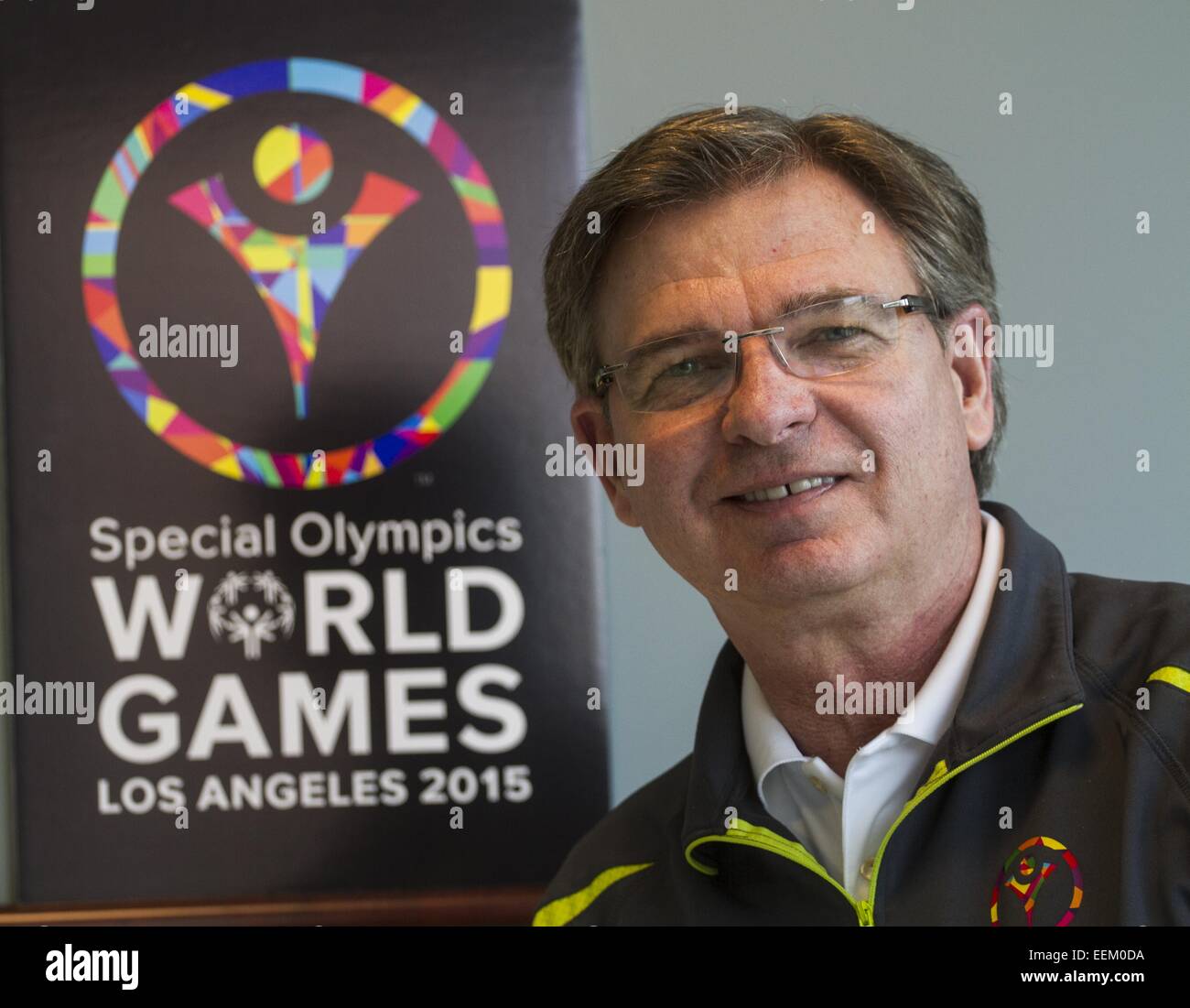
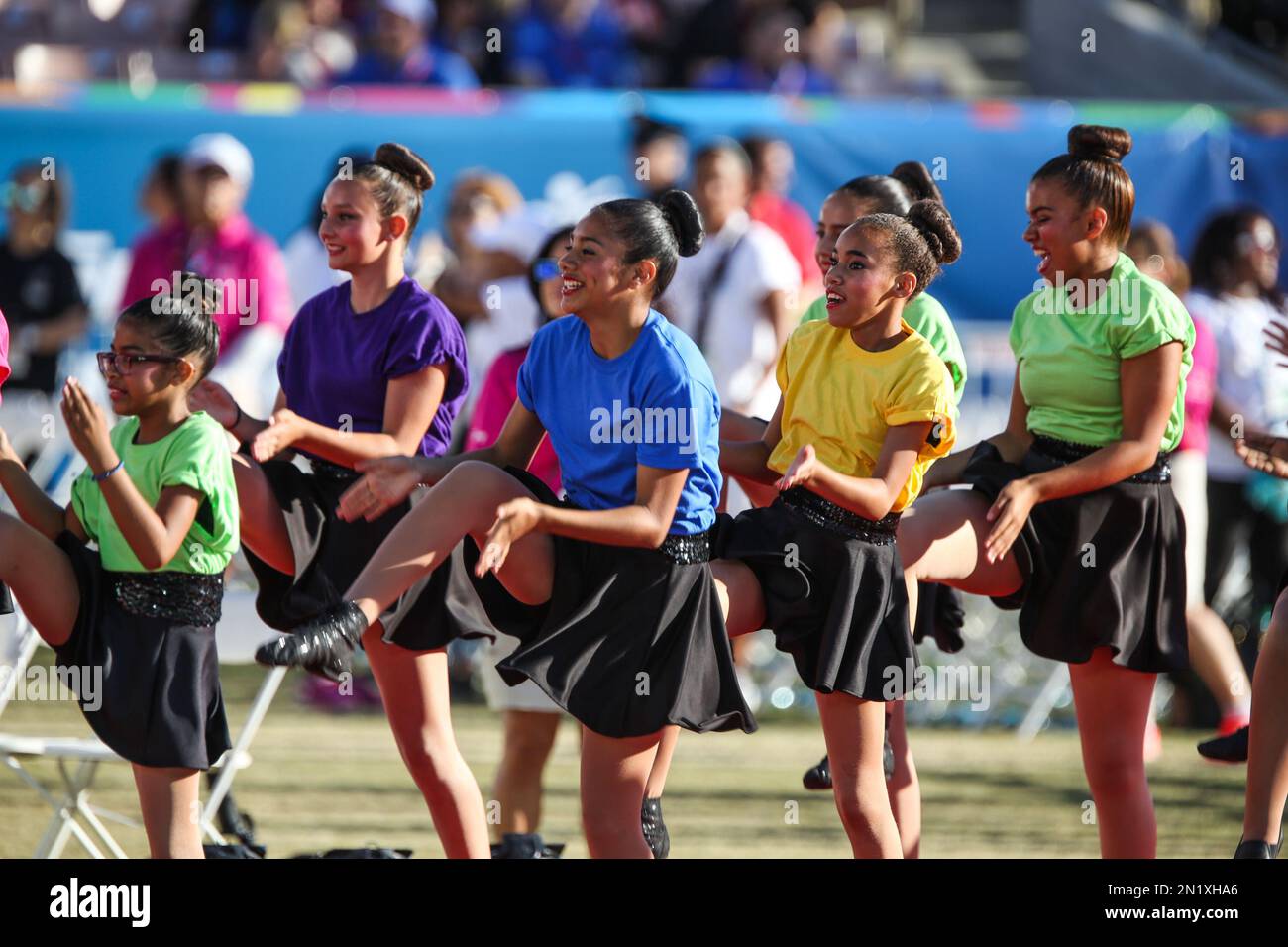
The 2015 Special Olympics World Summer Games took place in Los Angeles, California, from July 25 to August 2, 2015. This global event brought together approximately 6,500 athletes from 165 countries to compete in 25 Olympic-style sports. It stood as the largest sporting and humanitarian event in the world that year, utilizing iconic venues like the Los Angeles Memorial Coliseum and campuses such as USC and UCLA to celebrate the skills and achievements of people with intellectual disabilities.
The Significance of the 2015 World Summer Games
The 2015 Special Olympics World Summer Games marked a pivotal moment for the Special Olympics movement, returning to the United States for the first time in 16 years. By choosing Los Angeles, the organizers leveraged a city with a deep Olympic history, specifically calling back to the 1932 and 1984 Summer Olympics. However, the 2015 games were not merely about athletic competition; they served as a global stage for the "Inclusion Revolution," a movement aimed at ending discrimination against individuals with intellectual disabilities (ID).
For the city of Los Angeles, the event was a massive undertaking that required the coordination of over 30,000 volunteers and 2,000 coaches. The economic impact was substantial, but the social impact was even more profound. The games helped shift public perception by highlighting the capabilities of athletes rather than their limitations. In the decade-plus since the games concluded, their influence remains visible in how major metropolitan areas approach large-scale inclusive events and how sports media covers athletes with disabilities.
Planning and Preparation: Building a Global Stage
The journey to the 2015 Games began in 2011 when Los Angeles was officially awarded the bid. The organizing committee, known as LA2015, was tasked with raising approximately $100 million to fund the event. Unlike the traditional Olympics, which rely heavily on broadcasting rights and ticket sales, the Special Olympics depends significantly on corporate sponsorships, private donations, and government support.
One of the most innovative aspects of the preparation was the Host Town Program. Before the games officially began, 100 communities across Southern California—ranging from San Luis Obispo to San Diego—hosted international delegations. This program allowed athletes to acclimate to the California climate and time zone while participating in local cultural exchanges. It also decentralized the spirit of the games, ensuring that the message of inclusion reached beyond the borders of Los Angeles proper.
Logistically, the games required the transformation of university campuses into "Athletes' Villages." Both the University of Southern California (USC) and the University of California, Los Angeles (UCLA) served as primary residences, providing athletes with high-quality housing, dining, and training facilities. This collegiate partnership was essential for managing the massive influx of international visitors and ensuring a secure, supportive environment for the competitors.
The Opening Ceremony: A Message to the World
The Opening Ceremony, held on July 25, 2015, at the Los Angeles Memorial Coliseum, was a star-studded affair that set the tone for the week. The Coliseum, which had previously hosted the 1932 and 1984 Olympics, became the first stadium to host three separate Olympic-style opening ceremonies.
The event was attended by high-profile figures, including First Lady Michelle Obama, who officially opened the games. Her presence underscored the administration's support for disability rights and the importance of physical fitness for all populations. The ceremony featured performances by Stevie Wonder, Avril Lavigne, and Nicole Scherzinger, and was broadcast globally by ESPN, marking a significant increase in media visibility for the Special Olympics.
The "Flame of Hope," which had traveled across the United States in a Law Enforcement Torch Run, was used to light the cauldron. This tradition emphasizes the partnership between the Special Olympics and law enforcement agencies worldwide, who have been the movement's largest grassroots fundraisers for decades.
Sporting Disciplines and Competitive Excellence
While the mission of the games is rooted in inclusion, the competition itself was rigorous. Athletes competed in 25 different sports, ranging from traditional athletics and aquatics to more specialized events like powerlifting and bocce.
Key Sports and Venues
The distribution of events across Los Angeles allowed for a wide variety of sporting environments:
- Athletics and Basketball: Primarily held at USC’s facilities.
- Gymnastics and Judo: Conducted at UCLA’s Pauley Pavilion and John Wooden Center.
- Aquatics: Long Beach served as the hub for swimming and open-water events.
- Equestrian: Competitions took place at the Los Angeles Equestrian Center in Griffith Park.
- Beach Volleyball: Appropriately hosted on the sands of Long Beach, reflecting the Southern California culture.
The 2015 Games also saw a massive expansion of Unified Sports. This initiative pairs athletes with intellectual disabilities (Special Olympics athletes) and those without (partners) on the same team. Unified Sports aims to break down social barriers and foster true integration through shared athletic goals. In Los Angeles, Unified Sports competitions in football (soccer), basketball, and volleyball were among the most highly attended and celebrated events.
Special Olympics World Summer Games 2015 Statistics
The following table outlines the scale and reach of the 2015 Games compared to general expectations for international multi-sport events.
| Category | Statistic | Details |
|---|---|---|
| Total Athletes | ~6,500 | Representing 165 different nations |
| Volunteers | 30,000+ | The largest volunteer force in LA since 1984 |
| Coaches | ~2,000 | Providing technical and emotional support |
| Sports Disciplines | 25 | Ranging from Aquatics to Triathlon |
| Venues Used | 27 | Spanning LA, Long Beach, and Griffith Park |
| Spectators | 500,000+ | Estimated total attendance across all venues |
| Media Reach | Global | First games with daily ESPN live coverage |
Beyond the Field: The Healthy Athletes Program
One of the most critical, yet often overlooked, components of the 2015 World Games was the Healthy Athletes program. For many international competitors, the games provided a rare opportunity to receive high-quality medical screenings that were unavailable in their home countries.
During the event, volunteer healthcare professionals provided free screenings in seven different areas:
- Special Smiles: Dental health and hygiene.
- Opening Eyes: Vision testing and prescription eyewear.
- Healthy Hearing: Audiology screenings.
- Fit Feet: Podiatry and proper footwear assessment.
- FUNfitness: Physical therapy and flexibility.
- Health Promotion: Nutrition and lifestyle choices.
- Strong Minds: Emotional well-being and stress management.
In 2015, the Healthy Athletes program in Los Angeles performed thousands of screenings, identifying undiagnosed conditions and providing immediate interventions, such as custom-made glasses or hearing aids. This program highlights a harsh reality: people with intellectual disabilities often face significant health disparities and barriers to care. The 2015 Games acted as a massive clinics, significantly improving the quality of life for many participants long after they returned home.
The Cultural and Social Impact in Southern California
The 2015 Special Olympics didn't just happen in Los Angeles; it moved the city. The "Reach Up LA" campaign encouraged local residents to fill the stands, ensuring that no athlete competed in an empty venue. The "Fans in the Stands" program was particularly successful, mobilizing youth groups, corporate teams, and local families to cheer for athletes from countries they might never have visited.
Furthermore, the games served as a catalyst for discussions on accessibility. Los Angeles utilized the event to test and improve its public transportation accessibility, particularly the Metro Rail system, which moved thousands of athletes and spectators daily. The success of the 2015 logistical operation provided a blueprint for the city's future hosting duties, including the upcoming 2028 Olympic and Paralympic Games.
Socially, the games challenged the "R-word" and other derogatory language. The "Spread the Word to End the Word" campaign saw a surge in engagement during the summer of 2015. By humanizing the athletes through in-depth profiles and televised stories, the games moved the needle from "sympathy" to "respect."
Challenges and Lessons Learned
No event of this magnitude is without its hurdles. The 2015 Games faced significant challenges, primarily regarding the Southern California heat. With temperatures frequently exceeding 90°F (32°C), organizers had to implement rigorous hydration and cooling protocols to protect athletes, many of whom have underlying health conditions that make them more susceptible to heat exhaustion.
Transportation also presented a unique challenge. Los Angeles is infamous for its traffic, and moving 6,500 athletes between the Villages at USC/UCLA and various venues required a massive fleet of buses and a coordinated effort with the LAPD and Department of Transportation. While there were occasional delays during the first few days, the logistical "kinks" were largely ironed out by the midpoint of the games.
From a financial perspective, the 2015 Games underscored the difficulty of funding massive humanitarian events. While the games were a success, the pressure to meet fundraising goals remained until the final weeks. This has led to a more diversified funding model for subsequent World Games, emphasizing long-term multi-year partnerships over one-time event sponsorships.
Long-Term Legacy: Los Angeles and the World
Looking back from 2026, the 2015 Special Olympics World Summer Games are viewed as a transformative event for the Special Olympics organization. It proved that the games could command a global television audience and major corporate backing. It also solidified the "Unified" model as the future of the movement.
For the athletes, the legacy is personal. Many participants from 2015 transitioned into leadership roles within the organization, serving as Sargent Shriver Global Messengers. These athlete-leaders travel the world to advocate for policy changes and inclusive education. The confidence gained on the tracks and in the pools of Los Angeles translated into career opportunities and increased independence for thousands of individuals.
In the sports world, the 2015 Games forced a re-evaluation of how disability sports are categorized. The high level of performance—such as powerlifters squatting over 600 pounds or sprinters clocking near-professional times—shattered the myth that Special Olympics is "just for fun." It is a legitimate athletic endeavor that requires elite-level training and discipline.
Frequently Asked Questions
What made the 2015 Special Olympics different from previous years?
The 2015 Games were the first to receive comprehensive, daily media coverage from a major sports network (ESPN). This visibility moved the Special Olympics into the mainstream sports conversation. Additionally, the scale of the Host Town program in Southern California was unprecedented, involving 100 different cities in the welcoming process.
Who is eligible to compete in the Special Olympics World Games?
To compete in the Special Olympics, an athlete must be at least eight years old and identified by an agency or professional as having an intellectual disability. There must also be functional limitations in both general learning and adaptive skills. The 2015 Games utilized a "divisioning" process to ensure that athletes competed against others of similar ability levels, making the competition fair and exciting for everyone.
How did the 2015 Games impact the city of Los Angeles?
The games generated an estimated $415 million in economic impact for the region. Beyond the finances, it served as a successful "test run" for Los Angeles' infrastructure and volunteer mobilization capabilities ahead of its bid for the 2028 Olympics. It also fostered a permanent increase in local awareness and support for disability-inclusive programming in schools and parks.
What is the difference between the Special Olympics and the Paralympics?
While both are prestigious international sporting events, they serve different populations. The Special Olympics is primarily for individuals with intellectual disabilities (ID), regardless of physical disability. The Paralympics is primarily for athletes with physical, visual, and sometimes intellectual impairments, but with a strict focus on elite-level athletic qualification. The Special Olympics emphasizes participation and personal bests across all ability levels through its divisioning system.
How can I find results or footage from the 2015 Games?
The official Special Olympics website and its YouTube channel maintain archives of the 2015 World Games. ESPN also maintains a dedicated section for Special Olympics coverage where highlights and human-interest stories from the Los Angeles games can be found.
Final Recommendation for Further Action
To truly understand the impact of the 2015 Special Olympics World Summer Games, one should look beyond the medal counts and focus on the stories of the athletes. For those interested in promoting inclusion today, the best next step is to get involved with local Special Olympics chapters. Whether through volunteering as a coach, participating in Unified Sports, or supporting the Healthy Athletes initiative, the spirit of LA2015 continues through grassroots action. Exploring the official Special Olympics World Games resources can provide more context on upcoming events and how the lessons of 2015 are being applied to the next generation of global competition.