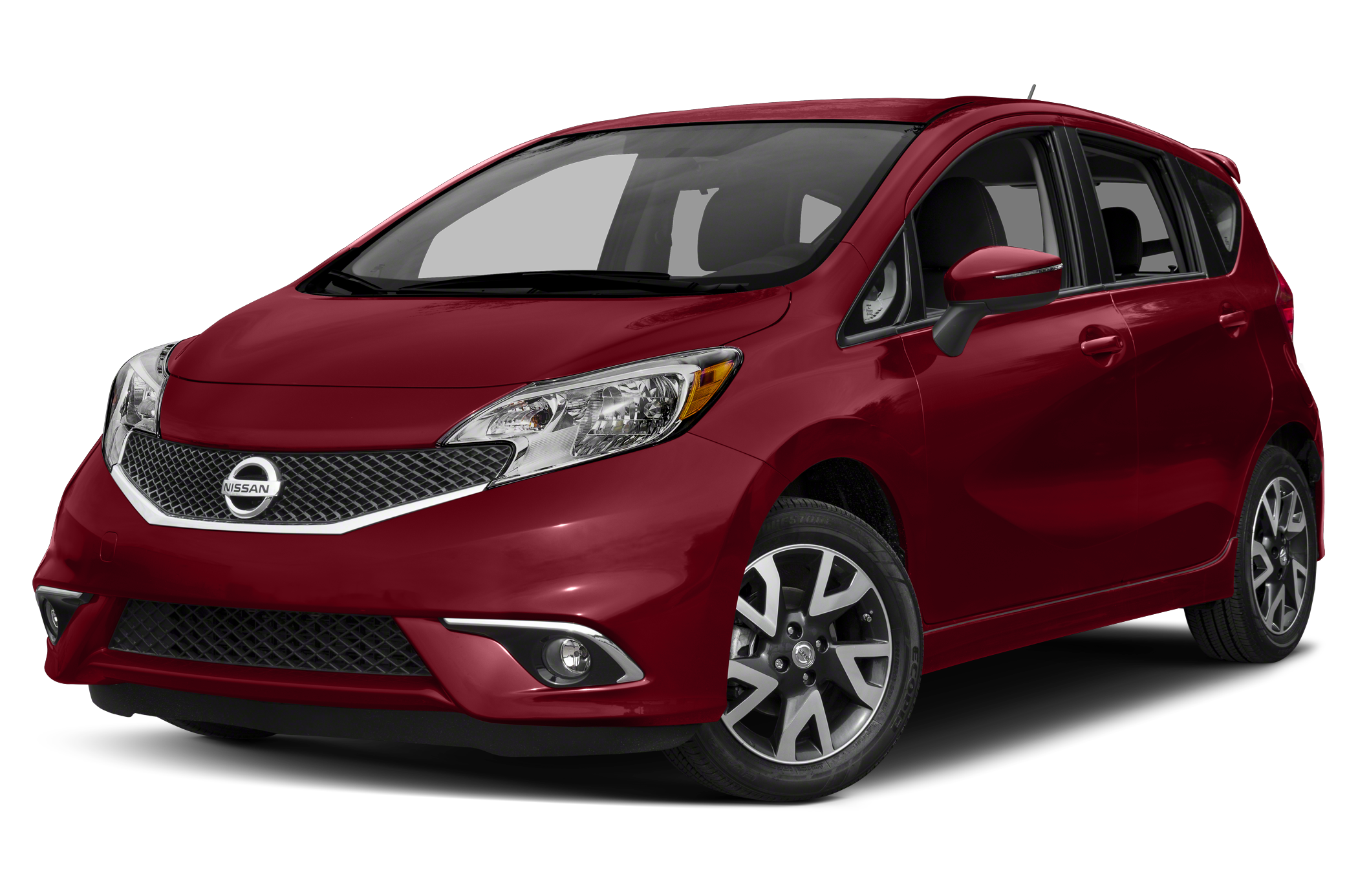
The 2015 Nissan Versa Note S Plus hatchback is a front-wheel-drive, subcompact five-door vehicle powered by a 1.6-liter 4-cylinder engine paired with a standard Xtronic continuously variable transmission (CVT), featuring an EPA-estimated fuel economy of 35 to 40 mpg highway, designed primarily for budget-conscious drivers seeking high fuel efficiency and maximized interior cargo space.
Evaluating a used subcompact vehicle like the 2015 Nissan Versa Note S Plus hatchback requires looking past initial sticker prices to examine long-term mechanical reliability, everyday utility, and standard equipment. Introduced during a period when consumers sought refuge from fluctuating fuel prices, this iteration of the Versa Note family bridged the gap between bare-bones economy cars and slightly larger compact hatchbacks. By focusing on aerodynamic enhancements and powertrain efficiency, Nissan positioned the S Plus trim as an accessible entry point for commuters, students, and urban drivers. Understanding its mechanical layout, daily performance characteristics, and common maintenance considerations helps prospective buyers and current owners maximize the lifespan and utility of this popular hatchback.
Identity, Scope, and Trim Positioning within the Versa Lineup
The Nissan Versa lineup for the 2015 model year was split between a traditional four-door sedan and the five-door hatchback variant known as the Versa Note. While the sedan prioritized trunk capacity and a conventional three-box profile, the Versa Note adopted a European-inspired two-box hatchback design that maximized interior headroom and cargo flexibility. Within the Note lineup, the trim hierarchy progressed from the base S (which uniquely featured a 5-speed manual transmission) up through the S Plus, SV, and the sport-styled SL.
The S Plus trim occupied a very specific niche: it served as the baseline entry point for buyers who wanted the efficiency of Nissan’s Xtronic CVT without stepping up to the more expensive SV or SL packages. Unlike the base S model, which lacked the CVT and active grille shutters, the S Plus integrated these fuel-saving technologies as standard equipment. This mechanical configuration allowed the S Plus to achieve EPA fuel economy ratings that rivaled hybrid vehicles of its era, making it an attractive proposition for high-mileage commuters. However, this positioning also meant that interior amenities were strictly basic, emphasizing utility and cost-effectiveness over luxury or advanced infotainment.
Powertrain, Technical Specifications, and Fuel Economy
At the heart of the 2015 Nissan Versa Note S Plus is a 1.6-liter DOHC 4-cylinder engine (factory designation HR16DE) featuring dual continuous variable valve timing on both intake and exhaust valves. This powerplant generates 109 horsepower at 6,000 rpm and 107 lb-ft of torque at 4,400 rpm. While these output figures are modest, they are adequate for a vehicle with a curb weight hovering around 2,400 pounds.
The defining mechanical characteristic of the S Plus trim is its pairing with the Xtronic Continuously Variable Transmission. Unlike traditional stepped-gear automatic transmissions, the CVT uses a system of pulleys and a steel belt to provide a virtually infinite number of gear ratios. This keeps the engine operating within its optimal power and efficiency band across varying vehicle speeds. Additionally, the S Plus trim incorporates standard active grille shutters that automatically close at highway speeds to reduce aerodynamic drag, further optimizing fuel consumption.
| Technical Specification | 2015 Nissan Versa Note S Plus Data |
|---|---|
| Engine Type | 1.6-liter DOHC 16-valve 4-cylinder |
| Horsepower | 109 hp @ 6,000 rpm |
| Torque | 107 lb-ft @ 4,400 rpm |
| Transmission | Xtronic Continuously Variable Transmission (CVT) |
| Drivetrain | Front-Wheel Drive (FWD) |
| EPA Fuel Economy (City/Hwy/Comb) | 31 / 40 / 35 mpg |
| Fuel Tank Capacity | 10.8 gallons |
| Steering Type | Electric Power-Assisted Rack-and-Pinion |
| Front Suspension | Independent strut with coil springs and stabilizer bar |
| Rear Suspension | Torsion beam with coil springs |
Fuel economy is the primary selling point of this mechanical layout. The EPA rated the 2015 Versa Note S Plus at 31 mpg in the city and an impressive 40 mpg on the highway, with a combined rating of 35 mpg. Real-world fuel economy often mirrors these figures closely, provided the vehicle is maintained properly and driven with efficiency in mind.
Interior Space, Ergonomics, and Practical Utility
Despite its subcompact footprint, the 2015 Nissan Versa Note S Plus punches above its weight class when it comes to interior volume. Nissan utilized clever packaging to carve out an expansive cabin, particularly in the rear seat area. Rear legroom measures a generous 38.3 inches, matching or exceeding that of several vehicles in the midsize segment of its era. This makes the rear bench genuinely usable for adults on daily drives or road trips.
Cargo capacity is another strong suit. Behind the rear seats, the hatchback configuration offers 18.8 cubic feet of storage space. Folding the 60/40-split rear seats flat expands total cargo volume to 38.3 cubic feet. Cargo loading is simplified by a relatively low lift-over height, and buyers could often find models equipped with the "Divide-N-Hide" adjustable floor system, which allowed owners to create a hidden under-floor storage compartment or drop the floor to accommodate taller items.
Ergonomically, the S Plus interior is defined by simplicity. Materials are heavily weighted toward durable, hard plastics designed to withstand daily wear and tear. The dashboard layout features straightforward, large rotary knobs for climate control and an uncluttered center stack. However, prospective buyers should note that the S Plus trim level is notably sparse on creature comforts; power windows and door locks are present, but features like cruise control, a leather-wrapped steering wheel, or advanced touchscreen infotainment systems were generally reserved for higher trim levels or added via specific options packages.
Driving Dynamics, Ride Quality, and Performance
Out on the road, the 2015 Nissan Versa Note S Plus is tuned explicitly for comfort and efficiency rather than spirited driving dynamics. The electric power-assisted steering is light, making low-speed maneuvering, tight parking, and urban navigation effortless. The turning radius is compact, allowing the hatchback to slip into tight parallel parking spaces with ease.
Suspension duties are handled by an independent front strut setup and a rear torsion beam. This setup absorbs everyday road imperfections, potholes, and expansion joints competently, yielding a compliant, smooth ride for daily commuters. However, the soft suspension tuning comes with trade-offs: body roll is noticeable during sharp cornering, and crosswinds on open highways can require minor steering corrections at higher speeds.
Acceleration from the 109-horsepower engine is adequate for city driving and merging onto highways, though it requires patience when passing at high speeds. When the driver demands full throttle, the CVT allows the engine to rev high and hold a steady pitch, which produces noticeable engine drone in the cabin. Once cruising speeds are reached, the cabin settles into a relatively quiet environment, making it a stress-free vehicle for longer highway commutes.
Safety Ratings, Equipment, and Crash Test Performance
Safety equipment on the 2015 Nissan Versa Note S Plus includes a standard suite of active and passive safety features mandated or expected for the era. Dual-stage supplemental front airbags, front-seat mounted side-impact airbags, and roof-mounted curtain side-impact airbags for outboard occupants come standard. Anti-lock brakes (ABS), electronic brake-force distribution (EBD), brake assist, and electronic stability control (ESC) with a traction control system are also integrated into every S Plus model.
In government and independent crash testing, the 2015 Versa Note performed reasonably well for a subcompact hatchback. The National Highway Traffic Safety Administration (NHTSA) awarded the vehicle an overall safety rating of four out of five stars, noting strong performance in side-impact evaluations. The Insurance Institute for Highway Safety (IIHS) gave the Versa Note a "Good" rating in moderate overlap front, side, roof strength, and head restraint tests, though it received a "Marginal" score in the small overlap front crash test, which was a challenging metric for many vehicles in this class during the mid-2010s.
Common Maintenance Items and Ownership Considerations
Owning a used 2015 Nissan Versa Note S Plus involves standard subcompact maintenance procedures, alongside specific attention to its mechanical components. Below are key factors owners and prospective buyers should evaluate:
- CVT Fluid Maintenance: The Xtronic CVT requires regular fluid changes to ensure longevity. Nissan specifies specialized NS-3 CVT fluid. Failing to change the fluid every 30,000 to 50,000 miles can accelerate wear on the internal steel belt and pulleys, potentially leading to transmission failure.
- Suspension Components: Front struts, control arm bushings, and sway bar links endure significant stress on poorly maintained roads. Clunking noises or loose steering feel typically indicate that these components require inspection and replacement.
- Brake Service: Given that front disc and rear drum brakes are standard on this trim, periodic inspection of front brake pads, rotors, and rear brake shoes ensures optimal stopping power and prevents premature wear.
- Drive Belt and Spark Plugs: The HR16DE engine utilizes a timing chain rather than a rubber timing belt, reducing major maintenance intervals. However, serpentine belts and spark plugs should be inspected and replaced according to the manufacturer's scheduled intervals (typically every 100,000 miles for spark plugs).
Pros and Cons of the 2015 Versa Note S Plus
Weighing the advantages and disadvantages of this hatchback helps determine if it fits specific driving habits and financial goals.
Advantages
- Exceptional Fuel Economy: Achieving up to 40 mpg on the highway makes it an economical choice for long-distance commuters.
- Class-Leading Interior Space: Rear legroom and cargo flexibility rival vehicles in higher market segments.
- Ease of Maneuverability: Light steering and a compact footprint simplify city driving and parking.
- Affordability: Low initial acquisition costs and readily available replacement parts keep total cost of ownership low.
Disadvantages
- Basic Interior Appointments: The S Plus trim lacks modern connectivity, cruise control, and soft-touch materials found in higher trims.
- Noisy Under Acceleration: The CVT causes the engine to drone loudly during heavy throttle applications.
- Limited Highway Passing Power: 109 horsepower provides modest acceleration when fully loaded or climbing steep inclines.
- Dated Styling and Tech: Infotainment systems and cabin tech reflect mid-2010s standards without modern smartphone integration capabilities out of the box.
Frequently Asked Questions
Does the 2015 Nissan Versa Note S Plus have cruise control?
No, cruise control was generally not standard equipment on the base S or S Plus trim levels for the 2015 model year. It was typically reserved for the higher SV and SL trims, or added via aftermarket installation. Buyers who require factory cruise control for highway driving should verify the exact equipment sheet of the specific vehicle they are inspecting.
Is the CVT transmission in the 2015 Versa Note reliable?
The Xtronic CVT in the 2015 Versa Note requires diligent maintenance to achieve high mileage without issues. Early iterations of Nissan's CVTs faced criticism for reliability concerns, but models receiving regular fluid changes using genuine Nissan NS-3 fluid tend to perform reliably. When purchasing a used model, verifying a complete service history detailing transmission fluid changes is strongly recommended.
What is the difference between the Versa Note S and S Plus?
The primary difference lies in the transmission and efficiency features. The base Versa Note S is equipped with a 5-speed manual transmission, whereas the S Plus comes standard with the Xtronic CVT and includes active grille shutters. These mechanical additions allow the S Plus to achieve a significantly higher highway fuel economy rating (40 mpg compared to the manual's lower highway figure).
Can the rear seats fold completely flat?
Yes, the 2015 Nissan Versa Note S Plus features a 60/40-split folding rear seat design. While the seatbacks fold down to significantly expand cargo capacity for large items, they do not fold completely flat into the floor, creating a slight upward slope toward the rear seatbacks.
How much fuel does the 2015 Versa Note S Plus hold, and what is its driving range?
The vehicle is equipped with a 10.8-gallon fuel tank. Based on the EPA-estimated combined fuel economy rating of 35 mpg, a full tank yields a theoretical driving range of approximately 378 miles, making it efficient for road trips and reducing the frequency of fuel stops.
Final Recommendations for Buyers and Owners
For drivers seeking a straightforward, highly efficient daily commuter car with exceptional cargo versatility, the 2015 Nissan Versa Note S Plus hatchback remains a practical secondary vehicle or budget-friendly primary driver. Prospective buyers should prioritize models with documented service histories, particularly concerning CVT fluid changes, and conduct a thorough pre-purchase inspection to assess suspension and brake health. Current owners can maximize the longevity of their vehicle by adhering to strict fluid maintenance schedules and addressing minor wear items promptly.