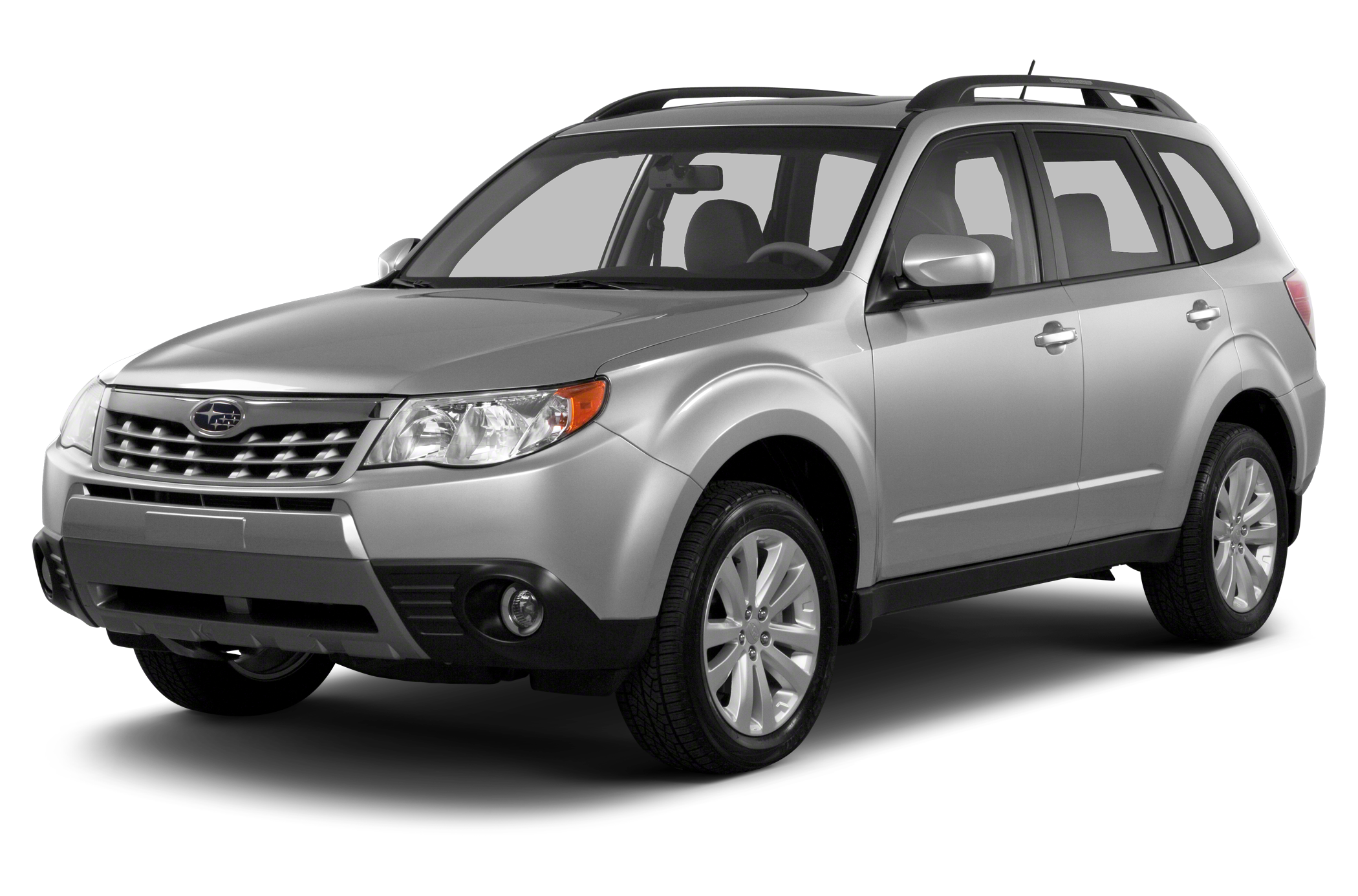
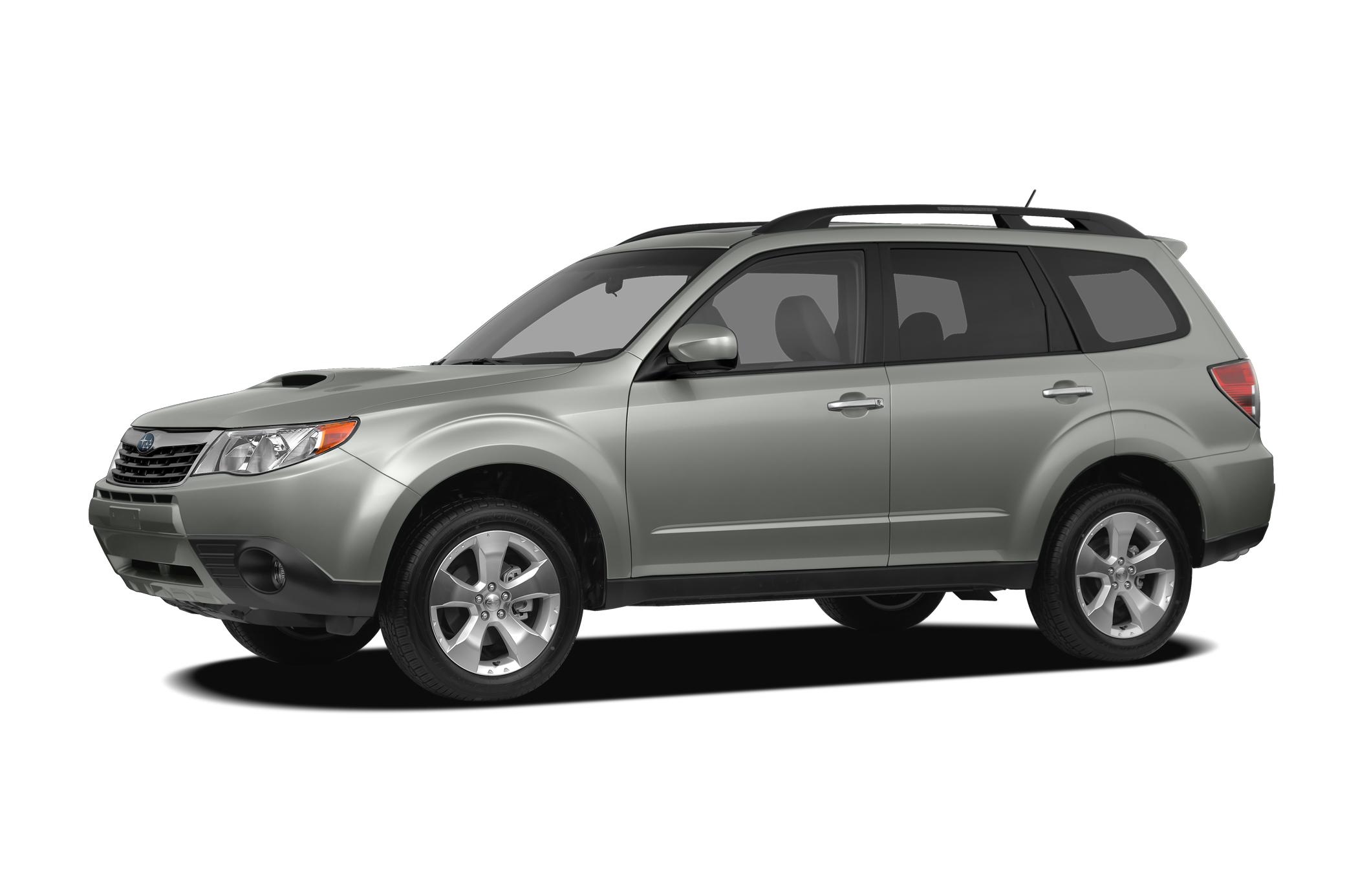
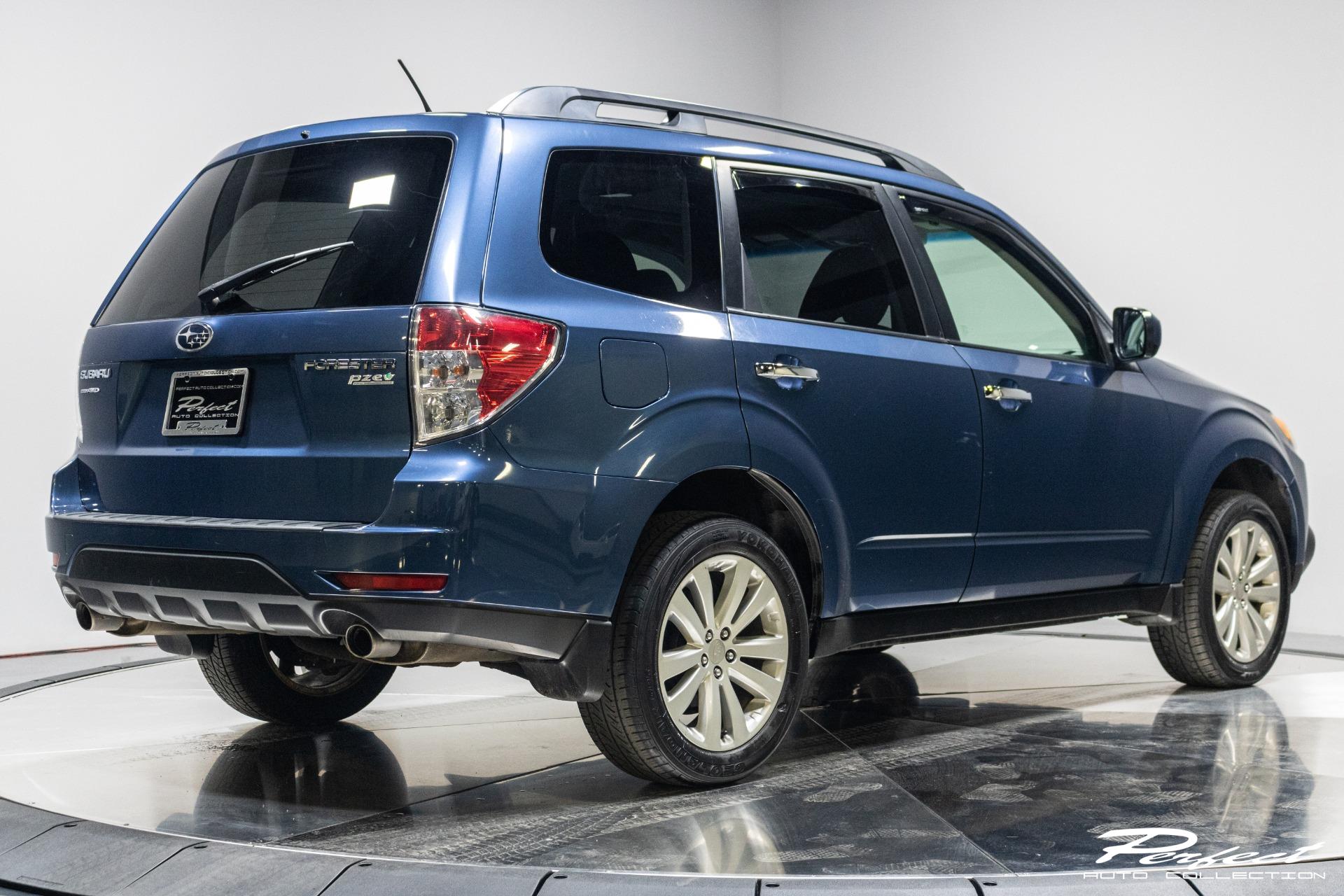
The 2013 Subaru Forester 2.5X Limited represents the final production year of the third-generation (SH) chassis, offering a proven 170-horsepower 2.5L FB25 engine and standard Symmetrical All-Wheel Drive. In 2026, it is a highly regarded used SUV, prized for its mechanical simplicity, exceptional visibility, and premium Limited-trim features like leather upholstery and a panoramic sunroof.
The Legacy of the SH Generation Forester
The 2013 Subaru Forester 2.5X Limited arrived at a pivotal moment in the manufacturer's history. As the final iteration of the third generation, it benefited from years of incremental refinements before the model transitioned to the fourth-generation SJ chassis in 2014. For many enthusiasts and used car buyers in 2026, the 2013 model is often preferred because it avoids the early-generation Continuously Variable Transmission (CVT) found in later models, sticking instead to a traditional, albeit older, 4-speed automatic gearbox.
This specific trim, the 2.5X Limited, was designed to bridge the gap between a rugged utilitarian vehicle and a comfortable daily driver. While the base 2.5X focused on affordability, the Limited added layers of civility that make it viable even by 2026 standards. It features high-quality materials and a suite of convenience options that were ahead of their time for the compact crossover segment in the early 2010s.
Technical Specifications: The FB25 Boxer Engine
At the heart of the 2013 Forester 2.5X Limited is the 2.5-liter DOHC (Double Overhead Cam) FB25 engine. This engine was a significant departure from the older EJ-series engines used in previous Foresters. One of the most important upgrades was the switch from a rubber timing belt to a maintenance-free metal timing chain. In 2026, this remains a massive advantage for used car buyers, as it eliminates the costly $800–$1,200 timing belt replacement service typically required every 100,000 miles on older Subarus.
The FB25 produces 170 horsepower at 5,800 rpm and 174 lb-ft of torque at 4,100 rpm. While these numbers may seem modest compared to modern turbocharged SUVs, the Boxer engine's flat layout provides a lower center of gravity. This design reduces body roll and improves handling stability, which is particularly noticeable during inclement weather or on winding roads.
Transmission and Symmetrical All-Wheel Drive
The 2.5X Limited came exclusively with a 4-speed electronically controlled automatic transmission (4EAT). While modern drivers might find the four gears limiting compared to today’s 8-speed or 10-speed units, the 4EAT is renowned for its durability. It utilizes Subaru's Active Torque Split All-Wheel Drive system.
Unlike many "slip-and-grip" AWD systems found in competitors, Subaru’s Symmetrical AWD is always engaged. In the 2013 Limited, the system normally distributes power 60/40 between the front and rear wheels. If sensors detect wheel slip, the electronically managed continuously variable transfer clutch can adjust that ratio instantly to 50/50, ensuring maximum traction. This mechanical reliability is a primary reason why these vehicles remain on the road in 2026.
Limited Trim Features and Interior Comfort
The "Limited" designation was the top-tier offering for the naturally aspirated Forester in 2013. Choosing this trim level fundamentally changed the interior experience. While the lower trims used durable but basic cloth, the Limited introduced perforated leather-trimmed upholstery, giving the cabin a much more premium feel.
Key features exclusive to or standard on the Limited trim include:
- Automatic Climate Control: Unlike the manual dials of the base model, the Limited allows for precise temperature settings.
- Panoramic Power Moonroof: One of the largest in its class, this moonroof extends over the rear seats, providing an airy, open feeling to the cabin.
- Cold Weather Package: Standard on the Limited, this includes heated front seats, heated side mirrors, and a windshield wiper de-icer—features that are essential for owners in northern climates.
- Upgraded Audio: The 2013 Limited often came equipped with a 4.3-inch display audio system, which included Bluetooth hands-free phone connectivity and audio streaming, as well as a 6-speaker sound system.
The interior ergonomics of the 2013 Forester are frequently praised for their "fishbowl" visibility. The tall windows and narrow pillars provide a nearly 360-degree view, a design trait that has become increasingly rare in 2026 due to modern side-impact and rollover safety standards that require thicker pillars.
Performance and Real-World Capability
On the road, the 2013 Subaru Forester 2.5X Limited prioritizes ride comfort over sporty handling. The suspension is tuned to soak up potholes and gravel road imperfections with ease. With 8.7 inches of ground clearance, the Forester outperforms many modern "soft-roaders," allowing it to navigate deep snow or light off-road trails that would bottom out a standard sedan.
Fuel Economy Expectations
According to the U.S. Environmental Protection Agency (EPA), the 2013 Forester with the automatic transmission achieves approximately 21 MPG city and 27 MPG highway. While these figures are lower than modern hybrids, they are respectable for a full-time AWD vehicle of its era. In 2026, owners should ensure that the oxygen sensors and air-fuel ratio sensors are clean to maintain these original efficiency ratings.
Safety Ratings and Reliability Records
Subaru has long marketed itself on safety, and the 2013 Forester was a high achiever for its time. It earned the "Top Safety Pick" designation from the Insurance Institute for Highway Safety (IIHS). It performed exceptionally well in moderate overlap front, side, and roof strength tests.
Known Issues to Monitor in 2026
While the 2013 Forester is generally reliable, any vehicle that is 13 years old requires scrutiny. Buyers and current owners should be aware of the following:
- Oil Consumption: Some early FB25 engines were prone to excessive oil consumption. This was often attributed to faulty piston rings. When inspecting a 2013 model, check the service records to see if the short block was replaced under Subaru's extended warranty program (which has since expired).
- Wheel Bearings: Subarus of this era are known for premature rear wheel bearing wear. If you hear a low-frequency hum or growl that increases with vehicle speed, the bearings likely need replacement.
- Head Gaskets: While the FB25 engine significantly improved upon the head gasket issues of the older EJ25, they are not entirely immune to external oil or coolant seeps as they cross the 150,000-mile mark.
- Suspension Bushings: The front lower control arm bushings are high-wear items on the SH chassis. Cracking in these bushings can lead to vague steering and uneven tire wear.
2013 Forester Trim Level Comparison
To understand the value proposition of the Limited trim, it is helpful to see how it compared to the rest of the 2013 lineup.
| Feature | 2.5X (Base) | 2.5X Premium | 2.5X Limited | 2.5XT Touring |
|---|---|---|---|---|
| Engine | 2.5L 170 hp | 2.5L 170 hp | 2.5L 170 hp | 2.5L Turbo 224 hp |
| Transmission | 5-Speed Manual/4-Speed Auto | 5-Speed Manual/4-Speed Auto | 4-Speed Auto Only | 4-Speed Auto Only |
| Wheels | 16-inch Steel | 17-inch Alloy | 17-inch Alloy | 17-inch Alloy |
| Upholstery | Cloth | Cloth | Leather | Leather |
| Climate Control | Manual | Manual | Automatic | Dual-Zone Auto |
| Moonroof | No | Panoramic | Panoramic | Panoramic |
| Rear Camera | No | Optional | Standard | Standard |
Maintenance Guidelines for Longevity
As we operate these vehicles in 2026, proactive maintenance is the key to reaching the 200,000 or 300,000-mile milestones. Because the 2013 2.5X Limited uses a timing chain, the primary engine maintenance involves fluid management.
- Oil Changes: It is highly recommended to use a high-quality 0W-20 synthetic oil every 5,000 miles. Given the oil consumption history of the FB25, checking the dipstick every two fuel fill-ups is a best practice.
- Differential Fluid: The front and rear differentials should have their gear oil replaced every 30,000 to 50,000 miles to protect the AWD system components.
- Brake System: The 2013 Limited features four-wheel disc brakes. Ensure the slide pins are lubricated during every brake service, as Subarus in salt-belt states are prone to sticking calipers.
- Coolant: Use only Subaru Super Coolant (blue) to prevent corrosion within the aluminum engine block and radiator.
Valuation and Market Position in 2026
In 2026, the 2013 Subaru Forester 2.5X Limited occupies a "sweet spot" in the used car market. It is old enough to be affordable for first-time drivers or as a secondary "winter car," yet it possesses the safety features and creature comforts (like Bluetooth and heated leather) that keep it from feeling obsolete.
Prices vary significantly based on mileage and geographic location. In regions with heavy snowfall, such as the Pacific Northwest or New England, these vehicles command a premium. According to Kelley Blue Book historical trends, a well-maintained Limited trim with 120,000 miles remains a high-demand item due to its reputation for longevity compared to modern, more complex turbocharged alternatives.
Frequently Asked Questions
Does the 2013 Subaru Forester 2.5X Limited have a timing belt or timing chain?
The 2013 Forester 2.5X Limited uses the FB25 engine, which is equipped with a timing chain. This is a major advantage over the 2010 and older models (and the 2013 Turbo XT model), which used timing belts that required replacement every 105,000 miles. The timing chain is designed to last the life of the engine, provided regular oil changes are performed.
Can the 2013 Forester Limited tow a trailer?
Yes, the 2013 Forester 2.5X Limited has a maximum towing capacity of 1,500 pounds. This is sufficient for a small utility trailer, a pair of jet skis, or a very light teardrop camper. However, because it uses a 4-speed automatic transmission, it is advisable to install an auxiliary transmission cooler if you plan to tow frequently or in mountainous terrain.
Is the 2.5X Limited better than the 2.5XT Turbo?
"Better" depends on your priorities. The 2.5XT Turbo offers significantly more power (224 hp), but it requires premium fuel, has lower gas mileage, and uses the older EJ-series engine with a timing belt. The 2.5X Limited is the better choice for buyers prioritizing fuel economy, lower maintenance costs, and long-term reliability.
What are common signs of the oil consumption issue?
The most common sign is the "Low Oil" warning light illuminating before you are due for your next oil change. You might also notice a slight burning smell after a long highway drive. In 2026, many of these engines have already been repaired or have high enough mileage that the consumption has stabilized, but it remains the most important check during a pre-purchase inspection.
Does it support Apple CarPlay or Android Auto?
No, the original head unit in the 2013 Forester did not support these features. However, the Limited trim’s double-DIN dashboard design makes it very easy to install an aftermarket head unit with CarPlay or Android Auto. This is one of the most popular upgrades for 2013 Forester owners in 2026.
How does the Symmetrical AWD perform in deep snow?
The system is exceptional. Because the 2013 Limited has 8.7 inches of ground clearance and a full-time AWD system, it can often traverse snow that stops other compact SUVs. Its mechanical simplicity means it doesn't rely solely on braking individual wheels to move power, but rather uses a physical transfer clutch to ensure constant drive to all four wheels.
Final Recommendation for Buyers
The 2013 Subaru Forester 2.5X Limited remains a standout choice for those who value utility and visibility over modern tech gimmicks. When shopping for one in 2026, prioritize vehicles with a documented service history, specifically looking for regular oil changes and any notes regarding the piston ring service.
If you find a specimen with under 150,000 miles and a clean undercarriage (free of excessive rust on the subframes), it can easily serve as a reliable daily driver for several more years. The combination of the FB25's timing chain and the durable 4-speed automatic makes this specific model year a "peak reliability" point for the Forester lineage. For the best experience, budget for an immediate fluid refresh (oil, transmission, and differentials) and consider an aftermarket infotainment upgrade to bring the cabin tech into the modern era.