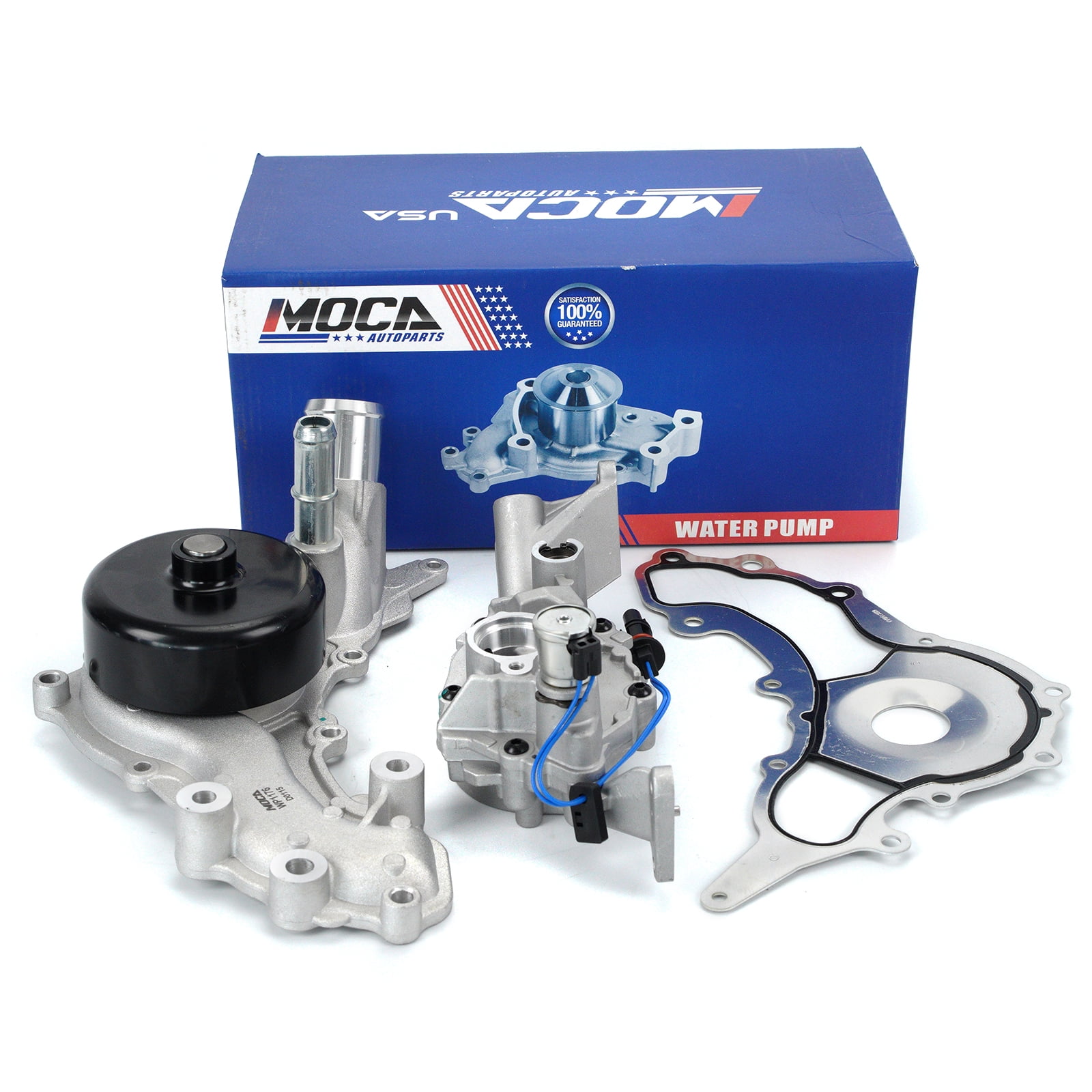
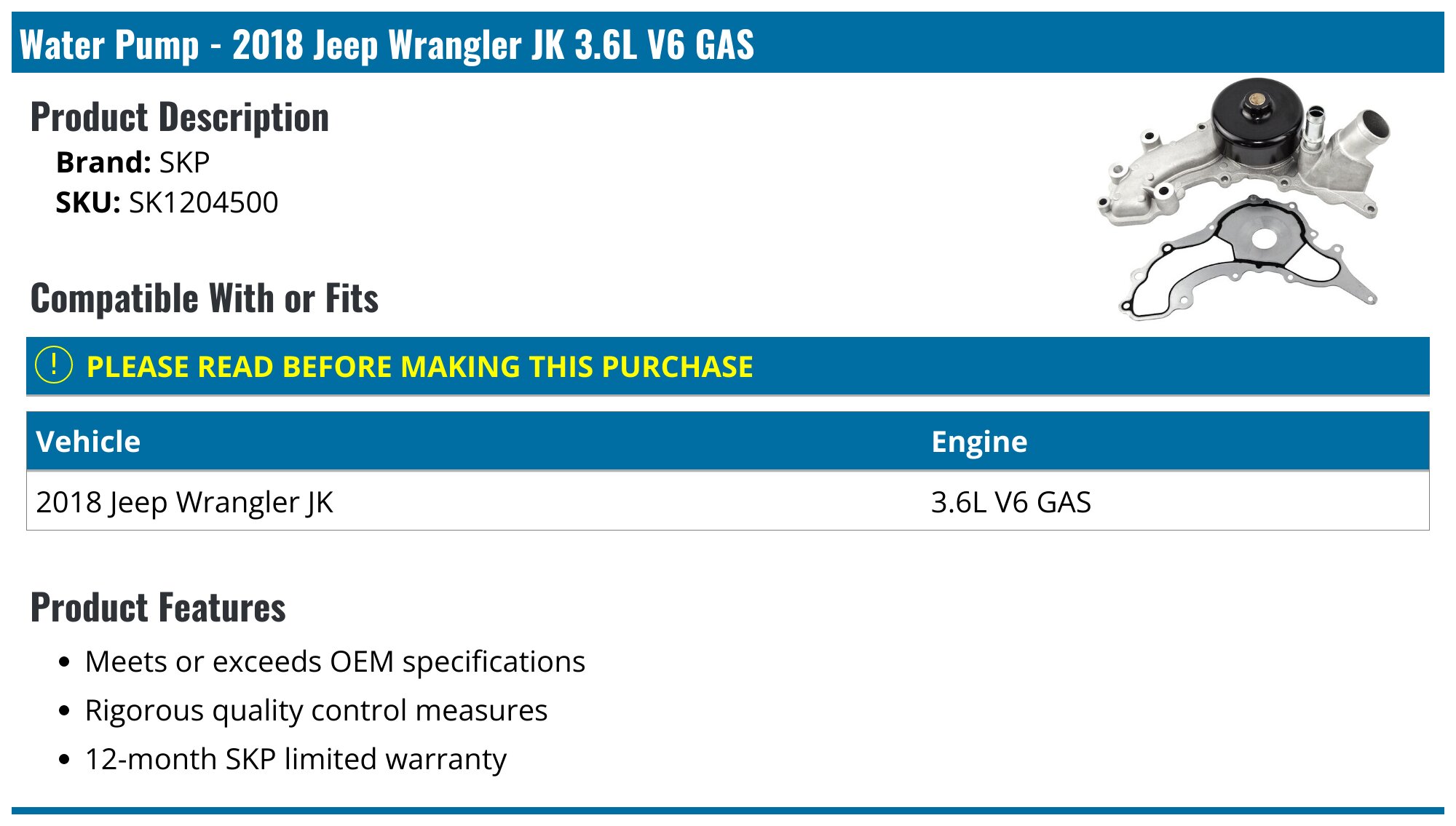
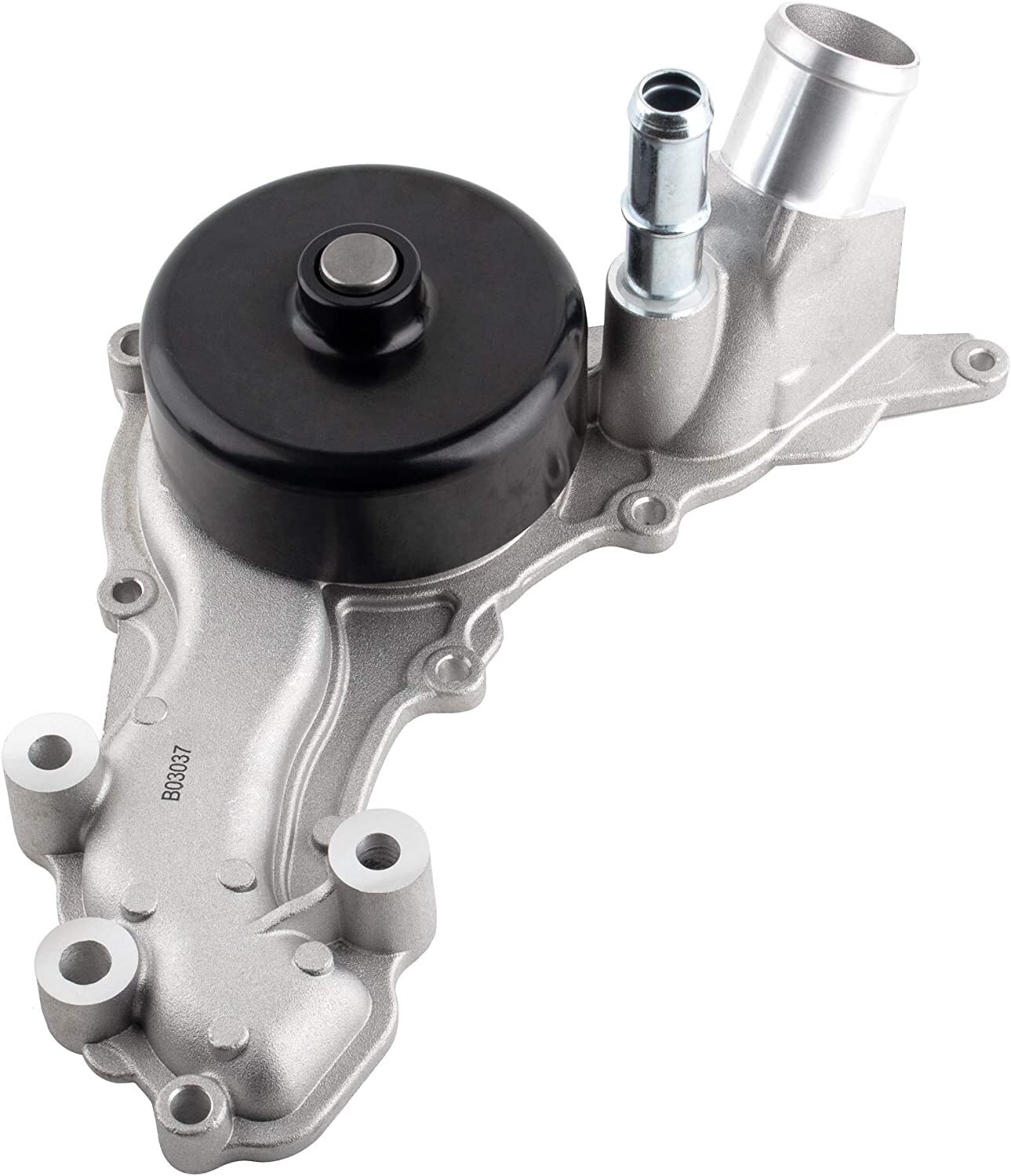
As of 2026, there is no active National Highway Traffic Safety Administration (NHTSA) safety recall specifically covering the water pump on the 2013 Jeep Wrangler. While many owners have experienced premature water pump failure, coverage is typically limited to the original powertrain warranty or specific Technical Service Bulletins (TSBs) rather than a universal safety recall.
The 2013 Jeep Wrangler, equipped with the 3.6L Pentastar V6 engine, has long been a subject of scrutiny regarding its cooling system. For many owners, the search for "recall coverage" stems from a series of well-documented issues involving coolant leaks, heater core clogs, and water pump bearing failures. Because these issues often result in engine overheating—a potential safety hazard—there is a common misconception that a formal recall exists. However, in the eyes of regulatory bodies, a water pump failure is generally classified as a mechanical breakdown rather than a safety defect, meaning the financial burden of repair usually falls on the owner once the warranty period expires.
Understanding the Recall Status for 2013 Jeep Wranglers
When discussing "recall coverage," it is essential to distinguish between a safety recall mandated by the NHTSA and a Technical Service Bulletin (TSB) or an extended warranty program issued by Jeep (Stellantis). A safety recall is issued when a defect poses an unreasonable risk to safety or fails to meet minimum safety standards. Because a failing water pump typically gives warning signs—such as noise or a slow leak—before total failure, it rarely triggers a formal NHTSA recall.
For the 2013 model year, Jeep did issue several recalls for other components, including side-impact sensor wires and exterior mirror heating elements. However, the water pump was never included in these mandatory safety actions. Owners who are experiencing water pump issues in 2026 must look toward historical TSBs and previous class-action settlements to understand if any residual coverage or "goodwill" repairs are available.
The Role of the Pentastar 3.6L Engine
The 3.6L Pentastar engine used in the 2013 Wrangler is a robust powerhouse, but its early years (2011–2014) were plagued by cooling system "sludging." This sludge was often caused by leftover casting sand from the cylinder head manufacturing process or the accidental mixing of incompatible coolant types. This debris would circulate through the system, acting as an abrasive that would prematurely wear out the internal seals and bearings of the water pump.
The Cooling System "Sludge" and Casting Sand Controversy
One of the primary reasons owners seek recall information is the "casting sand" issue. During the manufacturing of the engine blocks and cylinder heads, sand is used in the molds. If this sand is not thoroughly flushed out at the factory, it settles in the lowest points of the cooling system, such as the bottom of the radiator, the heater core, and the water pump housing.
Impact on the Water Pump
As the engine runs, this abrasive sand circulates with the coolant. When it passes through the water pump, it can:
- Erode the Impeller: The blades of the pump that move the fluid can become pitted and less efficient.
- Damage the Mechanical Seal: This is the most common failure point. Once the seal is compromised by abrasive debris, coolant begins to weep out of the "weep hole" on the pump body.
- Cause Bearing Seizure: If coolant gets past the seal and into the bearings, it washes away the lubricant, leading to a grinding noise and eventual seizure of the pump pulley.
While Jeep acknowledged these issues internally and through dealer-facing TSBs, they opted to handle repairs on a case-by-case basis through the powertrain warranty rather than issuing a blanket recall. By 2026, almost all 2013 Wranglers have aged out of the 5-year/100,000-mile powertrain warranty, leaving owners to cover the costs of these historical manufacturing remnants.
HOAT vs. OAT: The 2013 Coolant Transition
A critical factor in 2013 Jeep Wrangler water pump failures is the transition in coolant chemistry that occurred during that specific model year. Jeep switched from HOAT (Hybrid Organic Additive Technology), which is typically orange, to OAT (Organic Additive Technology), which is typically purple (though it can look pink or orange after use).
| Coolant Type | Years Used | Standard Color | Compatibility |
|---|---|---|---|
| HOAT | 2011–2012 | Orange | Incompatible with OAT |
| OAT | 2013–Present | Purple/Pink | Incompatible with HOAT |
Mixing these two fluids creates a chemical reaction that results in a thick, gel-like sludge. This sludge is catastrophic for the water pump. It increases the viscosity of the coolant, putting immense strain on the pump's motor and clogging the narrow passages of the radiator and heater core.
Because 2013 was the "transition year," many shops and DIY owners mistakenly topped off 2013 Wranglers with the older HOAT coolant, inadvertently shortening the lifespan of the water pump. If you are investigating a water pump failure today, verifying the coolant chemistry is the first step in diagnosing the root cause.
Identifying Symptoms of Water Pump Failure
Since there is no recall coverage to provide a free replacement, early detection is vital to prevent a minor leak from turning into a major engine-destroying overheat event. 2013 Wrangler owners should monitor for the following signs:
1. The "Whining" or "Chirping" Noise
A failing water pump bearing often produces a high-pitched squeal or a low-frequency grinding noise that increases with engine RPM. This is frequently mistaken for a bad serpentine belt or an idler pulley. A simple way to test this is to remove the belt and spin the water pump pulley by hand; it should spin smoothly with slight resistance and no "play" or wobbling.
2. Coolant Leaks and the "Sweet" Smell
The most obvious sign is a puddle of pinkish-orange or purple fluid under the front of the engine. The 3.6L Pentastar water pump features a weep hole. If the internal seal fails, coolant is designed to exit through this hole. If you see dried white or pink crusty residue around the water pump housing, the seal is failing.
3. Temperature Fluctuations
If the water pump impeller is slipping or if the system is clogged with casting sand/sludge, the engine temperature gauge will fluctuate. On a 2013 Wrangler, the needle should ideally stay slightly below the halfway mark. If it creeps toward the 3/4 mark during idling or low-speed crawling, the pump may not be circulating fluid effectively.
Estimated Repair Costs in 2026
Without recall coverage, owners are responsible for the parts and labor. The 2013 Wrangler's engine bay is relatively accessible compared to modern crossovers, making the labor costs somewhat manageable.
| Component/Service | Estimated Cost (Parts) | Estimated Labor | Total Estimated Cost |
|---|---|---|---|
| OEM Mopar Water Pump | $180 – $250 | 2 – 3 Hours | $450 – $700 |
| Aftermarket Water Pump | $80 – $130 | 2 – 3 Hours | $350 – $550 |
| Coolant Flush & Fill (OAT) | $50 – $80 | 1 Hour | $150 – $250 |
| Thermostat Replacement | $40 – $70 | 0.5 Hour | $100 – $150 |
Note: It is highly recommended to replace the thermostat and the serpentine belt at the same time as the water pump, as these parts must be removed anyway during the procedure.
Technical Service Bulletins (TSBs) and Legal History
While a recall was never issued, several TSBs addressed the cooling system. For example, TSB 07-004-15 addressed "Inadequate Heater Performance," which was often caused by the same sludge that killed water pumps.
In terms of litigation, there have been several class-action lawsuits (such as Sperling v. FCA US LLC) alleging that the cooling systems in 2012–2017 Wranglers were defective due to casting sand. Many of these lawsuits were either dismissed or resulted in limited settlements that required owners to prove the failure happened within a specific timeframe or mileage limit. By 2026, most of these legal avenues have closed for 2013 model owners, reinforcing the reality that this is now a standard maintenance item for a high-mileage vehicle.
Step-by-Step Guidance for Current Owners
If you suspect your 2013 Jeep Wrangler water pump is failing, follow this protocol to minimize costs and prevent engine damage:
- Verify the Leak Source: Ensure the leak isn't coming from the thermostat housing or the oil filter adapter housing (another common Pentastar failure point). Use a pressure tester on the radiator cap to pinpoint the leak.
- Check for Sludge: Open the radiator cap (when the engine is cold). If you see a "muddy" or "gritty" substance, a simple pump replacement won't be enough. You will need a professional chemical flush to remove casting sand and gelled coolant.
- Choose the Right Parts: While aftermarket pumps are cheaper, many Jeep enthusiasts prefer the Mopar OEM pump because the 3.6L cooling system is sensitive to flow rates. Ensure you use Mopar OAT Coolant (MS-12106) for the refill.
- Inspect the Radiator: Often, the same debris that kills the water pump will clog the bottom rows of the radiator. If your Jeep still runs hot after a pump replacement, the radiator is likely restricted.
Frequently Asked Questions
Is the 2013 Jeep Wrangler water pump covered under the 10-year/150,000-mile warranty?
No. While Chrysler (FCA) did extend the warranty on the left cylinder head (X56 Extended Warranty) for some 2013 Wranglers due to a ticking noise/misfire issue, this extension did not apply to the water pump or the cooling system. Most cooling components remained under the standard 5-year/100,000-mile powertrain warranty.
Can I use universal "all-makes" coolant in my 2013 Wrangler?
It is strongly discouraged. The 2013 Wrangler requires a specific OAT formula. Universal coolants often contain silicates or phosphates that can react with the OAT residue in the engine block, leading to the same sludging issues that caused the initial failures. Stick to Mopar-approved OAT fluid.
Why is there no recall if so many water pumps are failing?
The NHTSA generally only mandates recalls for failures that cause a loss of vehicle control, fire, or sudden stalling without warning. Because a water pump failure usually results in a leak or a noise first, it is considered a "service item." Unless the failure was proven to cause a specific safety catastrophe across thousands of units, a recall is unlikely.
How long should a 2013 Jeep Wrangler water pump last?
On average, the original factory water pumps on these models have been lasting between 60,000 and 100,000 miles. If your vehicle has surpassed 120,000 miles on the original pump by 2026, it is statistically likely to fail soon and should be replaced preventatively.
Will Jeep reimburse me if I already paid for a water pump repair?
Typically, reimbursement only occurs if a formal recall or a "Service Action" is issued after you paid for the repair. Since no such recall exists for the 2013 water pump, reimbursement from Stellantis is highly unlikely in 2026.
Final Recommendation for Owners
If you own a 2013 Jeep Wrangler in 2026, you should treat the water pump as a high-priority maintenance component rather than waiting for a recall that is almost certainly never coming. Given the age of the vehicle, the most cost-effective path is to perform a complete cooling system refresh. This includes a new water pump, a new thermostat, a serpentine belt, and—most importantly—a thorough flush of the system to ensure no residual casting sand or mixed coolant remains to destroy your new parts. Investing $500–$700 in these preventative measures is significantly cheaper than the $5,000+ cost of replacing a Pentastar engine that has warped its heads due to an overheat.