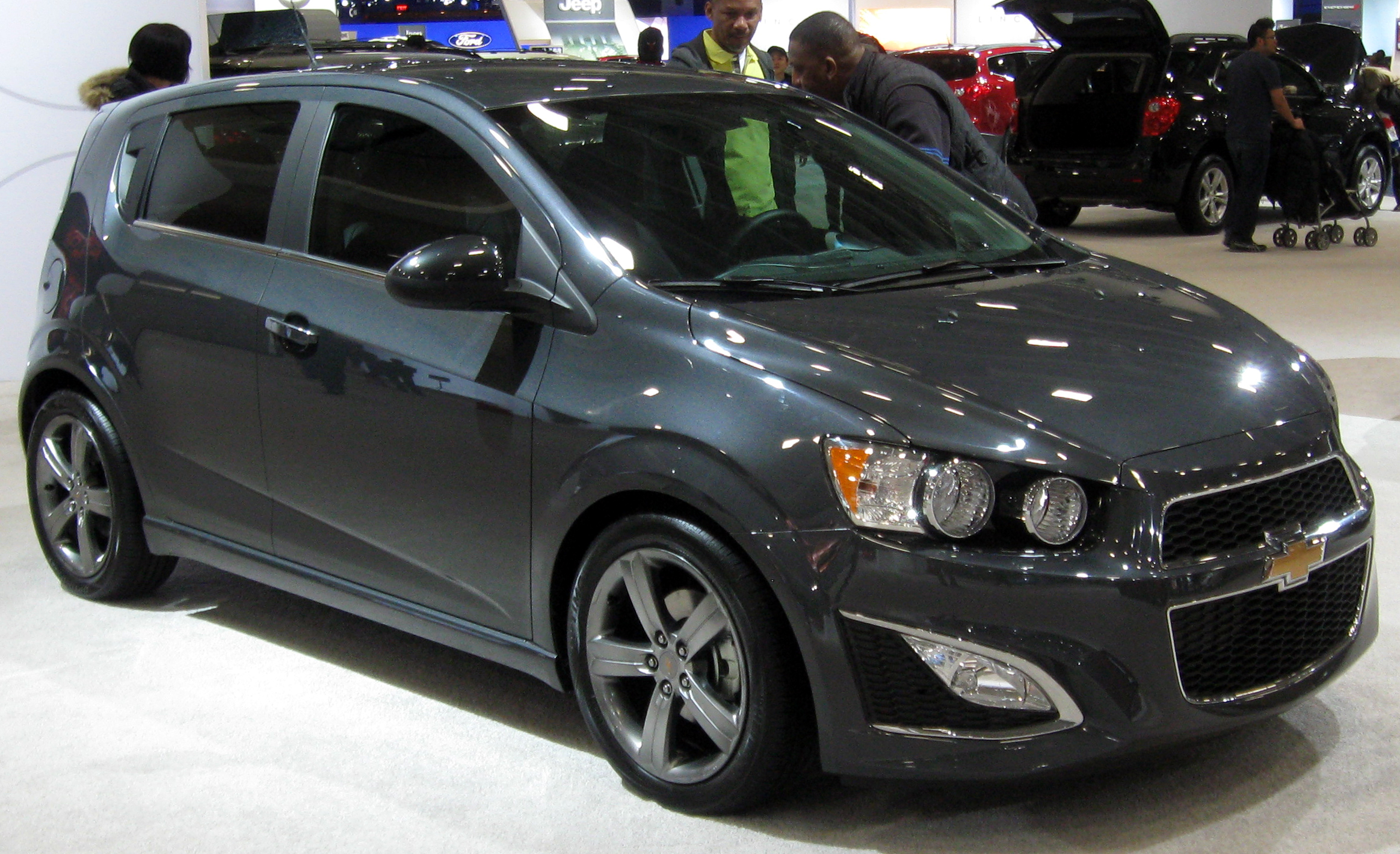
The 2013 Chevrolet Sonic is a subcompact vehicle known for its agile handling and diverse engine options, but it faces significant long-term reliability challenges in 2026. Common issues include chronic cooling system failures, PCV valve defects in the 1.4L turbo engine, and critical recalls involving the transmission turbine shaft and ignition switches.
As of 2026, the 2013 Chevrolet Sonic has reached a veteran status on the road. While it remains an affordable entry point for many used car buyers, the age of the vehicle has highlighted several systemic engineering weaknesses. Understanding these issues is vital for current owners performing maintenance and prospective buyers looking to avoid "money pits." This guide provides an in-depth analysis of the mechanical failures, safety recalls, and technical specifications that define the ownership experience of a 13-year-old Sonic.
The Dual Engine Landscape: 1.4L Turbo vs. 1.8L Naturally Aspirated
To understand the problems associated with the 2013 Sonic, one must first identify which powertrain is under the hood. Chevrolet offered two distinct Ecotec engines, each with its own set of mechanical headaches.
The 1.4L Turbocharged (LUV) Engine
This engine was marketed as the premium choice, offering better fuel economy and higher torque. However, it is the more complex of the two and is prone to several high-cost failures. The turbocharger itself is a frequent point of failure, often caused by oil starvation or cooling issues. Owners often report a loss of power and a "check engine" light accompanied by codes like P0299 (Underboost).
The 1.8L Naturally Aspirated (LUW) Engine
The base 1.8L engine is simpler but lacks the punch of the turbo. Its primary concern is the timing belt. Unlike the 1.4L, which uses a timing chain, the 1.8L requires a belt replacement every 100,000 miles. Failure to perform this maintenance can lead to catastrophic engine failure if the belt snaps, as it is an interference engine design.
| Feature | 1.4L Turbo (LUV) | 1.8L Naturally Aspirated (LUW) |
|---|---|---|
| Common Failure | PCV Valve / Turbocharger | Timing Belt / Oil Leaks |
| Cooling System | Plastic Thermostat Housing | Plastic Thermostat Housing |
| Transmission | 6-speed Auto / 6-speed Manual | 6-speed Auto / 5-speed Manual |
| Major Maintenance | Turbo Oil Feed Line | Timing Belt Replacement |
| Common DTCs | P0171, P0299 | P0597, P0011 |
Chronic Cooling System Failures
The most pervasive issue across all 2013 Chevy Sonic models is the cooling system. General Motors utilized high-temperature nylon and plastic components for the thermostat housing, water pump, and coolant recovery tank. By 2026, these materials have often become brittle due to thousands of heat cycles.
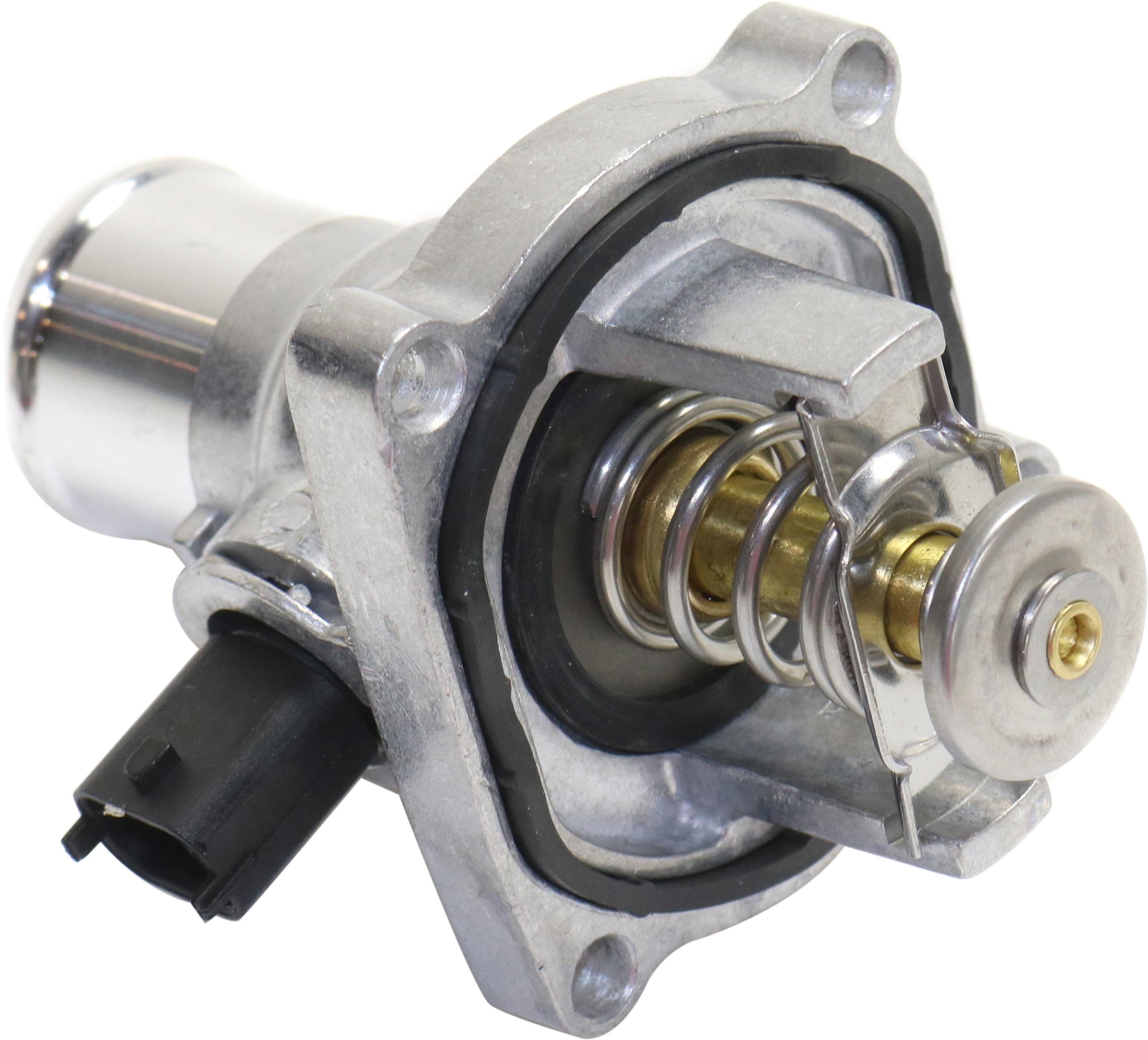
Cracked Thermostat Housings
The thermostat housing is notorious for developing hairline fractures. Because the Sonic's engine operates at relatively high temperatures to maximize efficiency, the internal pressure frequently causes these plastic housings to leak. Owners often notice a faint smell of maple syrup (antifreeze) after parking. The specific Diagnostic Trouble Code (DTC) associated with this is P0597, which indicates a failure in the thermostat heater control circuit.
Water Pump Leaks and Failures
While GM extended the warranty on some water pumps in the mid-2010s, many 2013 models are now well beyond any coverage. The water pump internal seals often fail, leading to a slow drip that can eventually lead to overheating. If the engine overheats even once, the aluminum cylinder head is at high risk of warping, which can escalate a $300 repair into a $3,000 engine rebuild.
The Brittle Coolant Reservoir
The pressurized coolant expansion tank is another weak point. Over time, the plastic turns from translucent to an opaque yellow/brown color, indicating it has become brittle. It is common for the small "return" nipples on the tank to snap off during routine maintenance, or for the tank to develop a seam leak under pressure.
The 1.4L Turbo PCV System and Intake Manifold Issue
For owners of the 1.4L Turbo engine, the Positive Crankcase Ventilation (PCV) system is a significant engineering flaw. Unlike most cars where the PCV valve is a $10 replaceable plastic part, the 1.4L Sonic integrates the PCV "check valve" directly into the intake manifold.
The Disappearing Check Valve
Inside the intake manifold, there is a small orange rubber nipple that acts as a one-way check valve. Over time, this valve can dislodge or be consumed by the engine. When this happens, the intake manifold loses the ability to regulate pressure, forcing pressurized air into the crankcase.
Collateral Damage: The Valve Cover
When the intake manifold check valve fails, it typically causes the PCV diaphragm located in the valve cover to rupture. This results in a loud whistling or hissing sound and a rough idle. Replacing the valve cover is only a temporary fix; if the intake manifold isn't replaced (or modified with an aftermarket bypass kit), the new valve cover will rupture again within weeks.
Error Codes and Symptoms
If your 2013 Sonic is throwing a P0171 (Lean Condition) code or P0106 (MAP Sensor Performance), the PCV system is the first place a technician should look. By 2026, many specialized aftermarket kits have been developed to "fix" this design flaw without requiring a brand-new OEM intake manifold every 50,000 miles.
Critical Safety Recalls for the 2013 Model
The 2013 Chevy Sonic was subject to several high-profile recalls. It is essential for current owners to verify via their VIN (Vehicle Identification Number) that these repairs were performed by a GM-certified dealer.
1. Transmission Turbine Shaft Recall (NHTSA #14V315000)
This is perhaps the most serious mechanical recall. In certain 2013 Sonics equipped with the 6-speed automatic transmission, the turbine shaft was susceptible to fracturing. If the shaft breaks while the vehicle is in motion, the transmission will lose the ability to transmit power to the wheels. While the engine will continue to run, the car will effectively be in "neutral," which can be extremely dangerous at highway speeds.
2. Ignition Switch Issues (NHTSA #14V355000)
As part of the massive GM ignition switch recall, certain Sonics were identified as having switches that could move out of the "run" position if the keychain was too heavy or if the vehicle experienced a significant jar (like hitting a large pothole). This would shut off the engine and, more importantly, disable the airbags and power steering.
3. Missing Front Brake Pads (NHTSA #12V063000)
In a rare assembly plant error, some early 2013 Sonics were released to the public with a missing inner or outer brake pad on the front wheels. While most of these were caught and fixed early in the car's life, it remains one of the more unusual recalls in the model's history.
Transmission and Drivetrain Concerns
Beyond the turbine shaft recall, the 6T40 automatic transmission in the 2013 Sonic has garnered a reputation for "hunt and seek" shifting behaviors.
Shifting Hesitation and TCM Issues
Many owners report a "flare" in RPMs during the 2-3 shift or a harsh engagement when shifting into Reverse. These issues are often related to the Transmission Control Module (TCM) or the wear of internal clutch packs. Regular fluid exchanges (not "flushes") every 45,000 miles are recommended to prolong the life of this unit, although many 2013 models on the used market in 2026 have likely suffered from neglected fluid maintenance.
Manual Transmission Bearing Noise
The 5-speed and 6-speed manual transmissions are generally more robust, but they are not immune to issues. High-mileage units sometimes develop a "whining" noise in certain gears, which typically points to worn input shaft bearings. If ignored, these bearings can fail completely, seizing the transmission.
Suspension and Interior Longevity
While engine and transmission issues take center stage, the Sonic's "wear and tear" items also follow predictable patterns.
- Sway Bar End Links: The factory end links are notorious for wearing out prematurely. This results in a "clunking" or "rattling" sound when driving over minor bumps at low speeds. Most owners replace these with heavy-duty aftermarket parts.
- The MyLink Infotainment Screen: In 2026, many original MyLink screens are beginning to suffer from "ghost touching" (where the screen acts as if it is being pressed) or complete delamination.
- Oil Leaks from the Valve Cover: Regardless of the engine type, the valve cover gaskets tend to harden and leak oil onto the exhaust manifold, creating a burning smell inside the cabin.
Buying and Maintenance Advice for 2026
If you are considering a 2013 Chevy Sonic in 2026, a pre-purchase inspection (PPI) is non-negotiable. The vehicle's affordability is often offset by the "deferred maintenance" of previous owners.
What to Look For:
- Coolant Color: If the coolant is orange (Dex-Cool), ensure it is clean and not "sludgy." If the coolant is green, it means a previous owner did not use the recommended fluid, which can lead to internal corrosion.
- Idle Quality: A surging idle on the 1.4L Turbo almost always indicates a PCV failure.
- Oil Residue: Check the spark plug wells. Oil in the wells indicates a failed valve cover gasket.
- Service Records: Specifically, look for a timing belt replacement on the 1.8L engine if the car has over 100,000 miles.
Note: This information is for educational purposes. Automotive repairs involve safety risks. Always consult a certified mechanic for diagnostic and repair work.
Frequently Asked Questions
Is the 2013 Chevy Sonic a reliable car for a high-school student?
While the Sonic is small and easy to park, its reliability is average at best. In 2026, a 13-year-old Sonic will likely require frequent small repairs to the cooling system and sensors. It is a good "learner" car for those interested in DIY maintenance, but it may not be the most dependable option for a student who cannot afford occasional downtime.
How do I know if my 2013 Sonic's PCV valve is bad?
The most common symptoms are a "check engine" light (P0171), a very rough idle, and a high-pitched whistling sound coming from the engine bay. A quick test is to try and remove the oil dipstick while the engine is idling; if there is a massive amount of suction making it difficult to pull the stick out, the PCV system has failed.
How much does it cost to fix the transmission turbine shaft?
If your vehicle is covered under the original recall, a Chevrolet dealer should perform the repair for free, regardless of the year, as safety recalls do not expire. However, if the transmission has failed due to non-recall wear and tear, a replacement or rebuild in 2026 typically costs between $2,500 and $4,000.
Why does my Sonic smell like antifreeze but I don't see a leak?
The plastic cooling components often develop "evaporative" leaks. The coolant seeps out of a tiny crack and evaporates immediately on the hot engine block. This creates the smell without leaving a puddle on the ground. Pressure testing the system is the only way to find these hidden cracks.
Should I choose the 1.4L Turbo or the 1.8L engine?
In 2026, the 1.8L is often considered the "safer" bet for used buyers because it lacks the expensive turbocharger and the complex PCV-integrated intake manifold. However, you must ensure the timing belt is serviced. The 1.4L offers better performance but requires more vigilant maintenance of the oil and cooling systems.
Final Recommendation
The 2013 Chevrolet Sonic remains a functional and fuel-efficient subcompact, but it requires an owner who is proactive about maintenance. To keep this vehicle on the road in 2026, you must prioritize the cooling system and engine gaskets. If you are buying one, ensure all safety recalls have been addressed and budget at least $1,500 for immediate "catch-up" maintenance on the plastic cooling components and PCV system.