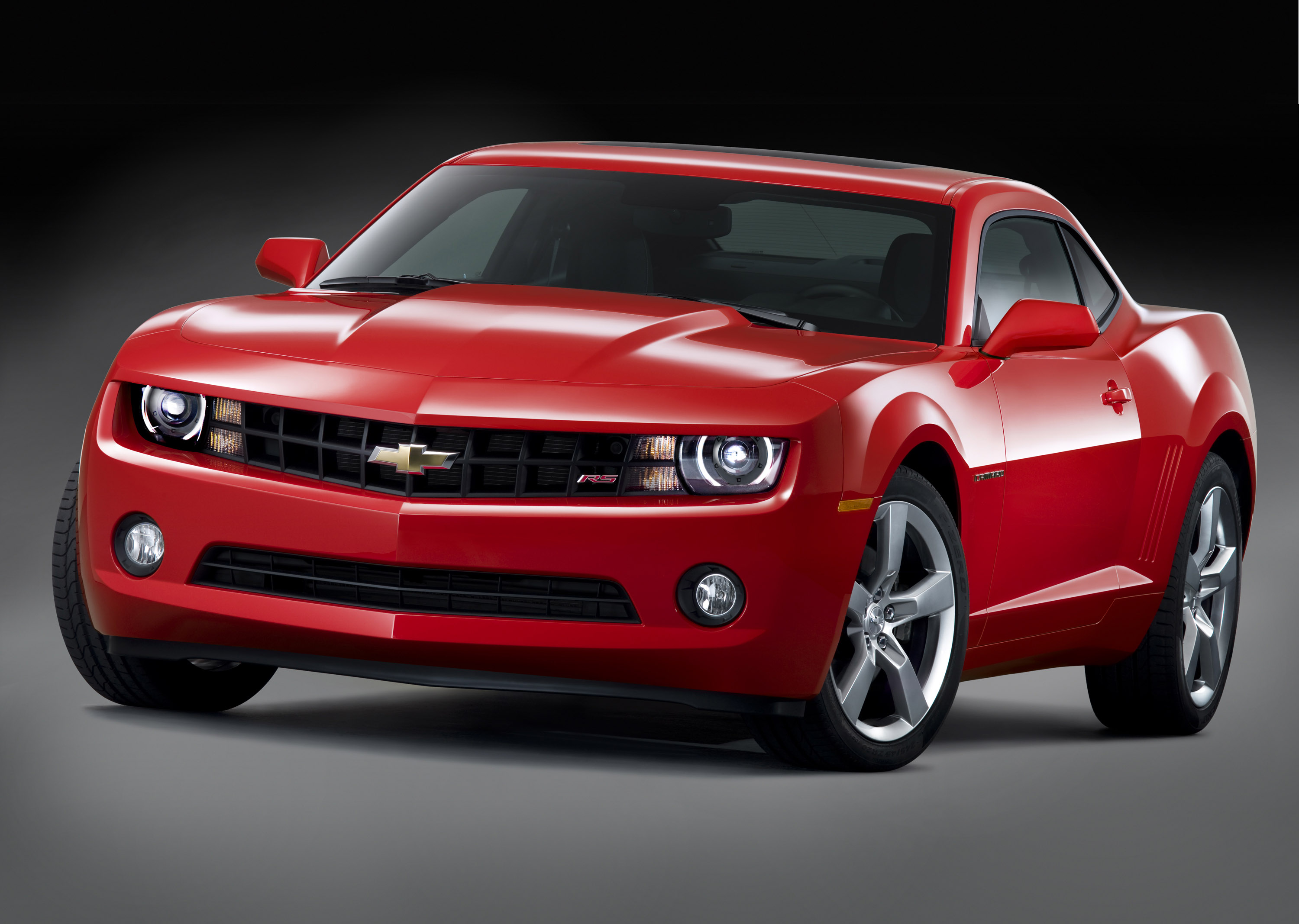
The 2010 Chevrolet Camaro featuring red and black stripes represents a defining aesthetic of the fifth-generation pony car revival, combining factory-available heritage styling with aggressive aftermarket customization options that continue to influence automotive enthusiasts.
When General Motors resurrected the Chevrolet Camaro for the 2010 model year after a nearly decade-long hiatus, it arrived with massive public anticipation and an unmistakable design language rooted in the classic 1969 models. Among the most popular visual configurations were stripe packages combining stark black accents with vibrant red details, or vice versa, creating a high-contrast muscle car appearance.
Understanding this specific vehicle configuration requires examining factory options, paint codes, vinyl graphics specifications, performance variants, and the lasting appeal of this modern classic.
The Return of an Icon: The 2010 Camaro Context
The fifth-generation Camaro, built on the GM Zeta platform, debuted for the 2010 model year. Its retro-modern styling immediately resonated with buyers looking for muscle car performance paired with contemporary engineering. While the car's sweeping body lines, aggressive front fascia, and high beltline turned heads in standard solid paint, enthusiasts quickly gravitated toward appearance packages that enhanced its muscular stance.
General Motors offered factory stripe options through its dealers and ordering systems, but the aftermarket quickly flooded the market with exact replicas and custom variations. The combination of red and black stripes against various body colors—most notably Silver Ice Metallic, Summit White, Victory Red, and Black—created distinct visual identities for both the base V6 and the high-output V8 SS models.
Factory Stripe Options vs. Aftermarket Vinyl
When purchasing or restoring a 2010 Chevrolet Camaro, distinguishing between original factory-installed graphics and aftermarket additions is essential for authenticity and valuation.
- Factory Rally Stripes: GM offered official over-the-top dual stripes that ran from the front bumper, across the hood, over the roof, and down the decklid. These were constructed from high-grade automotive vinyl designed to withstand UV exposure.
- Hockey Stick Side Stripes: Inspired by the 1969 design, these stripes started near the front wheel arch and swept upward across the door panels, terminating near the rear quarter windows.
- Aftermarket Variations: Many owners opted for custom pinstriping, painted-on graphics, or specialized vinyl wraps featuring metallic finishes or matte-versus-gloss contrasts not originally offered on the factory order sheet.
Design Breakdown: Color Combinations and Contrast
The visual impact of red and black stripes on a 2010 Camaro depends heavily on the primary body color. The interplay of warm red accents and deep black highlights creates distinct emotional and aesthetic responses depending on how they are deployed.
| Primary Body Color | Stripe Configuration | Visual Effect & Aesthetic Tone |
|---|---|---|
| Summit White | Gloss Black with Red Edge | High-contrast race-inspired appearance |
| Silver Ice Metallic | Matte Black with Red Pinstripe | Modern tech-forward muscle look |
| Black | Victory Red Solid Stripes | Aggressive, stealthy with bold accents |
| Victory Red | Matte Black Center Stripes | Monochromatic depth with dark contrast |
White and Silver Bases
On a Summit White or Silver Ice Metallic 2010 Camaro, black central rally stripes outlined with thin red pinstripes provide a classic racing aesthetic. This configuration recalls vintage Trans-Am racing cars, emphasizing the vehicle's heritage while offering clean lines that highlight the power bulges of the hood.
Dark and Red Bases
Conversely, applying red stripes to a Black or Victory Red Camaro yields a drastically different personality. A black car with wide red rally stripes evokes a sinister, track-ready demeanor. When applied to a Victory Red car, matte black stripes break up the monochromatic paintwork, grounding the visual weight of the heavy chassis and highlighting the deep recesses of the Camaro's aggressive front grille and fender flares.
Performance Trims: LT vs. SS in 2010
The visual package of red and black stripes could be applied across the entire 2010 lineup, which was split primarily between the V6-powered LT models and the V8-powered SS models.
2010 Camaro LT
- Engine: 3.6-liter Direct Injection V6 producing 304 horsepower.
- Transmission: 6-speed manual or 6-speed automatic.
- Stripe Application: Frequently utilized by owners of V6 models to achieve the aggressive look of the V8 SS without the higher insurance premiums and fuel consumption of the larger engine.
2010 Camaro SS
- Engine: 6.2-liter LS3 V8 (manual transmission) producing 426 horsepower, or L99 V8 (automatic transmission) producing 400 horsepower.
- Transmission: 6-speed manual (TREMEC) or 6-speed automatic (Hydra-Matic).
- Stripe Application: Often combined with the RS package (which added halo ring headlamps, specific taillights, and larger wheels), making the red and black striped SS the definitive poster car of its era.
Maintenance and Preservation of Vinyl Graphics
Over a decade and a half after initial production, surviving 2010 models with original vinyl graphics often require careful inspection and maintenance. Automotive vinyl degrades when exposed to prolonged ultraviolet radiation, extreme heat, and harsh chemical cleaners.
Common Issues with Aged Vinyl
- Cracking and Shrinking: Low-quality or neglected vinyl will dry out, leading to micro-fissures and pulling away from panel edges.
- Fading: Red pigments are notoriously susceptible to UV fade, causing bright red stripes to turn pink or chalky orange if left unprotected.
- Adhesive Failure: Trapped moisture or improper initial installation can cause bubbling and lifting, particularly along the complex curves of the 2010 Camaro's deep hood channels.
Restoration and Care Best Practices
- Washing: Use pH-neutral automotive shampoos. Avoid aggressive scrubbing brushes directly over stripe edges.
- Protection: Apply UV-blocking ceramic coatings or specialized vinyl protectants rather than traditional car waxes, which can leave white residue in the textured pores of matte or semi-gloss vinyl.
- Removal: When replacement becomes necessary, use a heat gun or professional steamer to soften the adhesive, followed by a dedicated adhesive remover to avoid damaging the underlying clear coat.
Frequently Asked Questions
Were red and black stripes a factory option for the 2010 Chevrolet Camaro?
General Motors offered various factory stripe packages through Chevrolet dealerships, including black, white, silver, and gray rally or hockey stick stripes. While pure factory combinations typically featured single-color stripes, dealerships and individual owners frequently added custom red pinstripes or secondary color accents to match personal preferences.
What are the standard engine specs for a 2010 Camaro SS?
The 2010 Chevrolet Camaro SS is powered by a 6.2-liter V8 engine. Models equipped with the 6-speed manual transmission feature the LS3 engine generating 426 horsepower and 420 lb-ft of torque, while automatic transmission models utilize the L99 engine rated at 400 horsepower and 410 lb-ft of torque.
How can I tell if a 2010 Camaro stripe package is original?
Inspecting the vehicle's service parts identification (SPID) sticker—typically located in the trunk near the spare tire well—will reveal factory option codes. Additionally, professional automotive detailers can often identify factory vinyl by its precise die-cut edges relative to panel gaps and badges.
What is the best way to clean and protect aged automotive vinyl stripes?
Wash the vehicle using a mild car wash soap and a microfiber wash mitt. Avoid petroleum-based solvents or high-pressure washers held too close to stripe edges. Protect the vinyl using specialized ceramic or polymer sealants formulated specifically for matte or gloss vinyl films to prevent UV fading and cracking.
Is the 2010 Chevrolet Camaro considered a collector car?
While early fifth-generation Camaros are generally viewed as modern enthusiast cars rather than traditional multi-exception classics, clean, low-mileage examples—particularly well-maintained SS models with desirable aesthetic packages—have begun stabilizing in value and attracting interest from modern muscle car collectors.
Conclusion and Next Actions
For automotive enthusiasts and potential buyers, a 2010 Chevrolet Camaro featuring red and black stripes offers a compelling blend of modern muscle car performance and retro styling inspired by the golden era of American performance. Whether evaluating an original factory survivor or planning a custom restoration project, verifying the condition of the body panels, mechanical components, and surface graphics is essential. Inspect the vehicle's service history, verify option codes via the trunk SPID label, and assess the structural integrity of any vinyl graphics before making a purchase or undertaking a cosmetic overhaul.