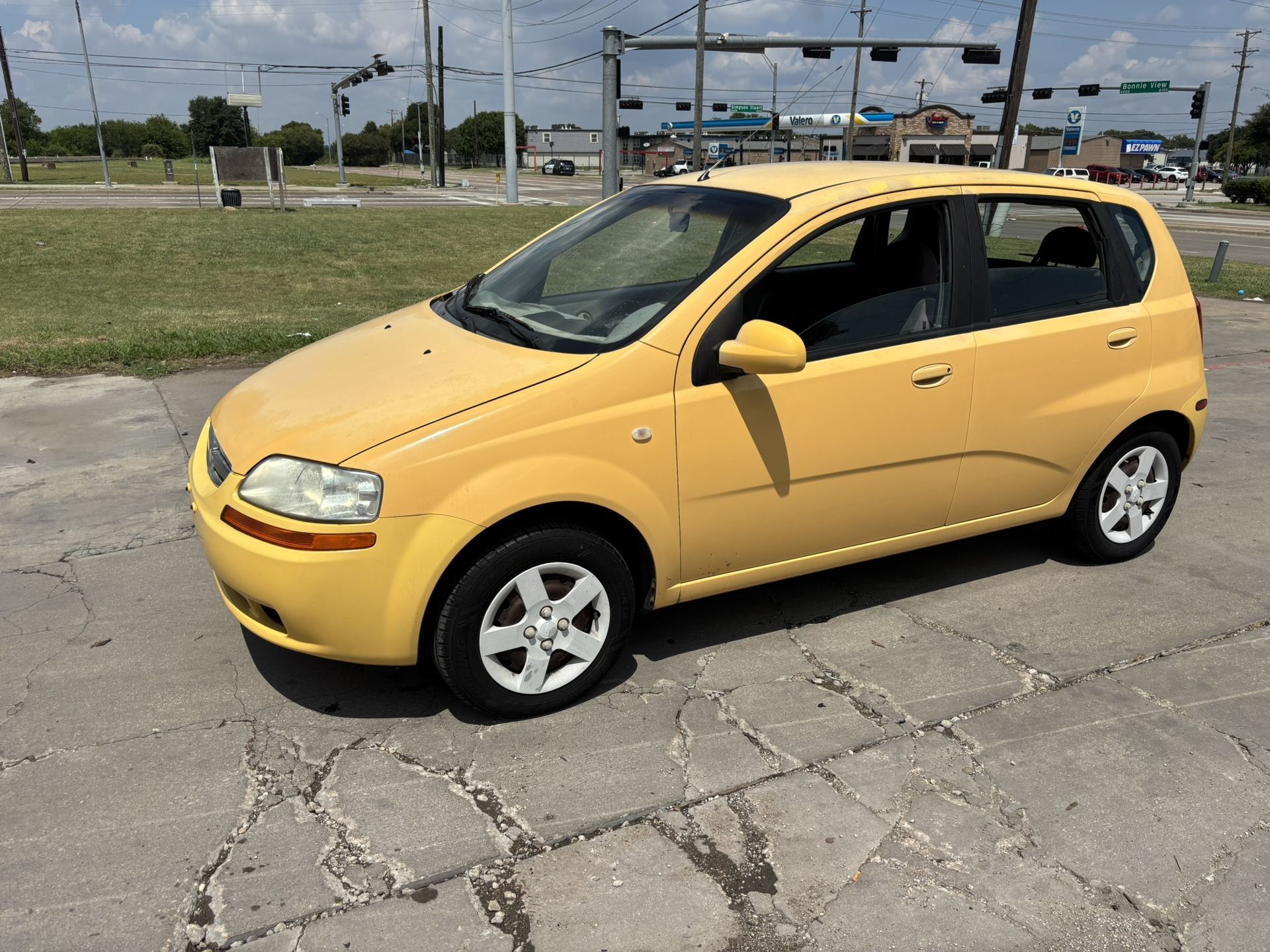
The 2005 Chevrolet Aveo frequently experiences issues such as premature timing belt failure, excessive oil consumption, coolant leaks, and erratic automatic transmission shifting. These mechanical and electrical shortcomings require proactive monitoring, regular fluid maintenance, and timely component replacements to keep the subcompact car operational.
Introduction to the 2005 Chevrolet Aveo
The Chevrolet Aveo, introduced to the North American market for the 2004 model year, was developed by General Motors' South Korean division, formerly known as Daewoo Motors. Positioned as an economical entry-level subcompact car, the 2005 Chevrolet Aveo aimed to attract budget-conscious buyers seeking high fuel economy and a low purchase price. Available in a 4-door sedan and a 5-door hatchback body style, the vehicle featured a 1.6-liter E-TEC II inline-four engine paired with either a 5-speed manual or a 4-speed automatic transmission.
Despite its initial affordability and practical layout, time and high mileage have exposed several systemic engineering flaws. Owners and independent mechanics frequently encounter mechanical durability issues that can compromise reliability. Understanding these historical failure points helps current owners, used car buyers, and DIY mechanics diagnose existing symptoms, estimate repair costs, and perform targeted preventive maintenance.
Engine Mechanical and Timing Belt Failures
The most critical mechanical vulnerability of the 2005 Chevrolet Aveo centers around its valvetrain and timing belt system. Unlike non-interference engines where a snapped belt merely stops the motor, the Aveo's 1.6L DOHC engine features an interference design.
Timing Belt Vulnerability
The factory maintenance schedule originally recommended replacing the timing belt every 60,000 miles, but real-world conditions often dictate a much shorter interval of 40,000 to 50,000 miles. When the timing belt degrades, cracks, or loses teeth, the camshafts stop turning while the crankshaft continues to push pistons upward. This results in direct contact between the valves and the piston crowns.
- Consequences: Bent valves, damaged piston heads, cracked cylinder guides, and total engine failure.
- Preventive Action: When replacing the timing belt, technicians must always replace the water pump, tensioner pulleys, and idler pulleys simultaneously. Seized pulleys are a primary catalyst for premature belt shredding.
Oil Leaks and Valve Cover Gaskets
Another frequent engine issue involves oil seepage around the top-end gaskets. The rubber valve cover gasket hardens and degrades under persistent engine heat, allowing engine oil to leak directly down into the spark plug wells.
- Symptoms: Engine misfires, sluggish acceleration, a burning oil smell, and visible pooling oil around the ignition coils.
- Resolution: Replacing the valve cover gasket and spark plug tube seals solves the leakage, though technicians must ensure the retaining bolts are torqued in a specific cross-pattern to prevent warping the plastic or aluminum cover.
Cooling System and Overheating Complications
Cooling system integrity is vital for the 2005 Chevrolet Aveo. The cooling architecture consists of an aluminum radiator, a mechanical water pump, a coolant thermostat, and rubber hoses that degrade over two decades of thermal cycling.
Thermostat Housing Leaks
The plastic thermostat housing and associated coolant outlet connectors are notorious for developing hairline cracks. As the plastic becomes brittle from heat exposure, coolant escapes rapidly under pressure.
- Risks: Severe engine overheating can quickly warp the aluminum cylinder head or blow the head gasket, leading to mixing of coolant and engine oil (often visible as a milky residue under the oil filler cap).
- Inspection: Mechanics should pressure-test the cooling system annually and inspect the thermostat housing for white or pink crusty residue, which indicates minor, slow-drying coolant leaks.
Transmission Malfunctions: Manual and Automatic
Transmission behavior in the 2005 Aveo varies significantly depending on whether the vehicle is equipped with the 5-speed manual gearbox or the Aisin-derived 4-speed automatic unit.
| Transmission Type | Common Symptoms | Primary Root Cause |
|---|---|---|
| 5-Speed Manual | Hard shifting, clutch slip, gear grind | Worn clutch disc, stretched linkage, low fluid |
| 4-Speed Automatic (AISIN 81-40LE) | Harsh shifts, hesitation, stuck in "limp mode" | Faulty valve body, degraded fluid, bad sensors |
Automatic Transmission Hesitation and Harsh Shifting
The 4-speed automatic transmission frequently suffers from electronic and hydraulic degradation. Drivers often report harsh engagement when shifting from Park to Drive or a noticeable delay (hesitation) before the transmission engages gear.
- Solenoid and Valve Body Wear: Internal shift solenoids are prone to electrical failure or clogging from metallic debris suspended in old automatic transmission fluid (ATF).
- Maintenance: Regular fluid drains and fills using Dexron-compliant fluid help extend the lifespan of the automatic transmission, though high-mileage units frequently require professional valve body rebuilding or replacement.
Suspension, Steering, and Braking Concerns
As an entry-level vehicle built to a strict manufacturing budget, the chassis components of the 2005 Chevrolet Aveo experience relatively rapid wear under rough road conditions.
Suspension Component Wear
The front suspension utilizes a standard MacPherson strut configuration with lower control arms, ball joints, and stabilizer bar links.
- Clunking Noises: Worn rubber bushings in the lower control arms and deteriorated stabilizer links create persistent clunking or popping noises when traveling over bumps or turning the steering wheel.
- Alignment Issues: Loose ball joints or strut mount bearings cause uneven tire wear, pulling to one side, and vague steering feedback. Replacing these components restores directional stability.
Braking System Limitations
The braking system relies on front disc brakes and rear drum brakes. While functional, the rear drum adjusters can seize over time, leading to excessive brake pedal travel or uneven parking brake tension. Routine brake service requires manual cleaning and adjustment of the rear drum mechanisms to ensure balanced stopping power.
Electrical and Interior Accessory Faults
Electrical gremlins in the 2005 Aveo typically manifest as erratic sensor readings, failing power accessories, and illumination issues within the instrument cluster.
- Power Window Regulators: The plastic clips and cables inside the front door panels frequently snap, causing the power windows to drop into the door cavity or refuse to roll up.
- Ignition Switch Failures: A failing ignition switch can cause intermittent electrical cutouts, where the dashboard accessories, radio, and blower motor lose power while the engine is running.
- Check Engine Light Triggers: Faulty Oxygen ($\text{O}_2$) sensors, failing Mass Air Flow (MAF) sensors, and loose gas caps routinely trigger emission-related diagnostic trouble codes (DTCs). Scanning the OBD-II port with a generic code reader is necessary to pinpoint these faults accurately.
Frequently Asked Questions
Is the 2005 Chevrolet Aveo an interference engine?
Yes, the 1.6L DOHC engine in the 2005 Chevrolet Aveo is an interference design. If the timing belt snaps while the engine is running, the pistons will strike the open valves, causing catastrophic internal engine damage.
How often should the timing belt be replaced on a 2005 Aveo?
While the factory interval was originally listed at 60,000 miles, experienced mechanics strongly recommend replacing the timing belt, tensioner, and water pump every 40,000 to 50,000 miles to prevent unexpected failure.
What causes a 2005 Chevrolet Aveo to overheat?
Overheating is commonly caused by coolant leaks from the plastic thermostat housing, a failed water pump, a stuck closed thermostat, a clogged radiator core, or air trapped within the cooling system passages.
Can the automatic transmission problems be fixed with a fluid change?
If the automatic transmission is experiencing minor hesitation or rough shifting due to degraded fluid, a fluid and filter change may improve performance. However, mechanical wear within the valve body or failing internal solenoids will require physical component repair.
What is the most reliable transmission choice for this model?
The 5-speed manual transmission is generally considered more durable and trouble-free than the 4-speed automatic, provided the clutch assembly is inspected and replaced at normal service intervals.
Conclusion and Maintenance Recommendations
Owning or maintaining a 2005 Chevrolet Aveo requires vigilance regarding its well-documented mechanical tendencies. Because major failures like timing belt snaps or severe coolant leaks can quickly exceed the total market value of the car, preventive maintenance is essential. Owners should maintain a strict service log, monitor fluid levels weekly, listen for unusual valvetrain or suspension noises, and address minor leaks before they escalate into major mechanical failures.