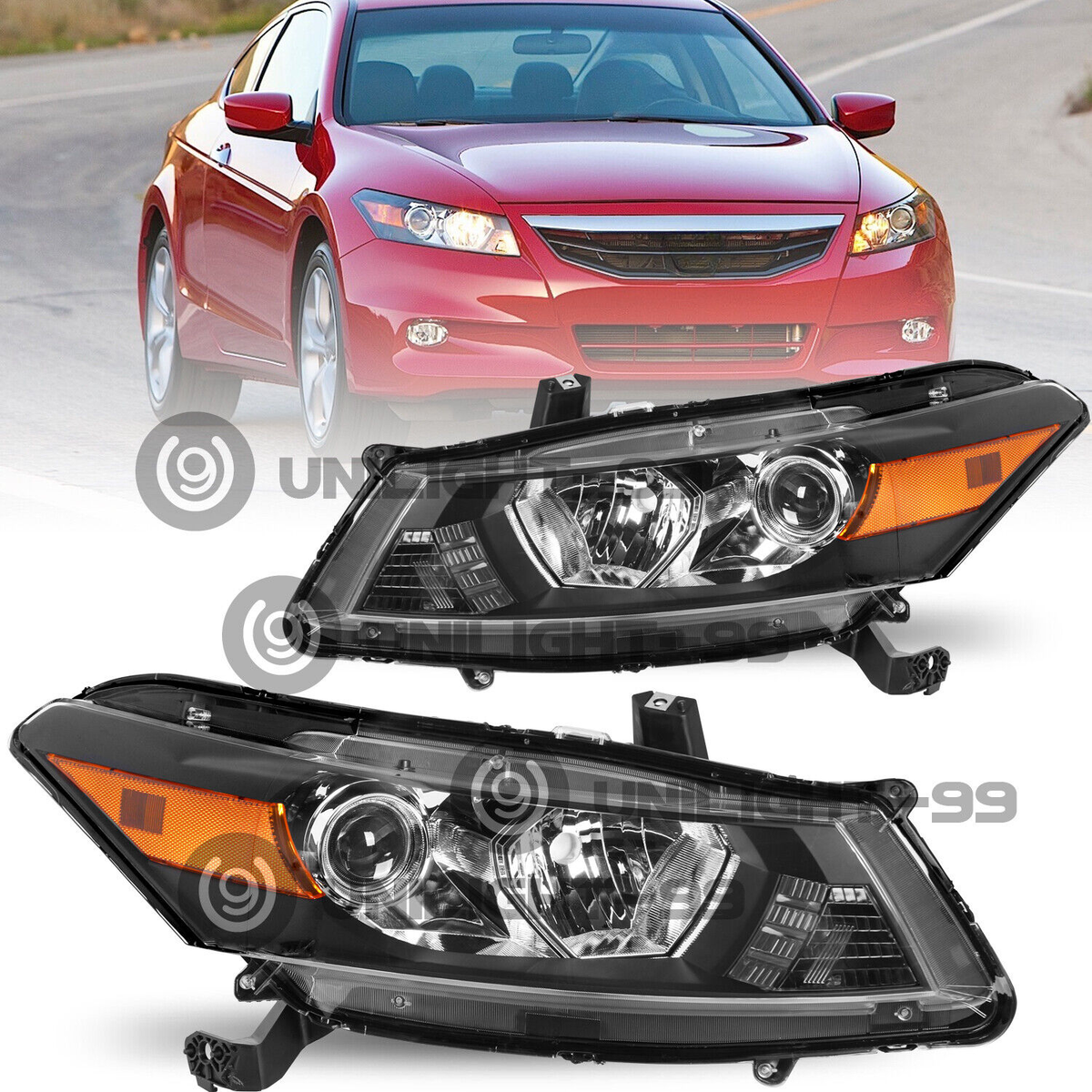
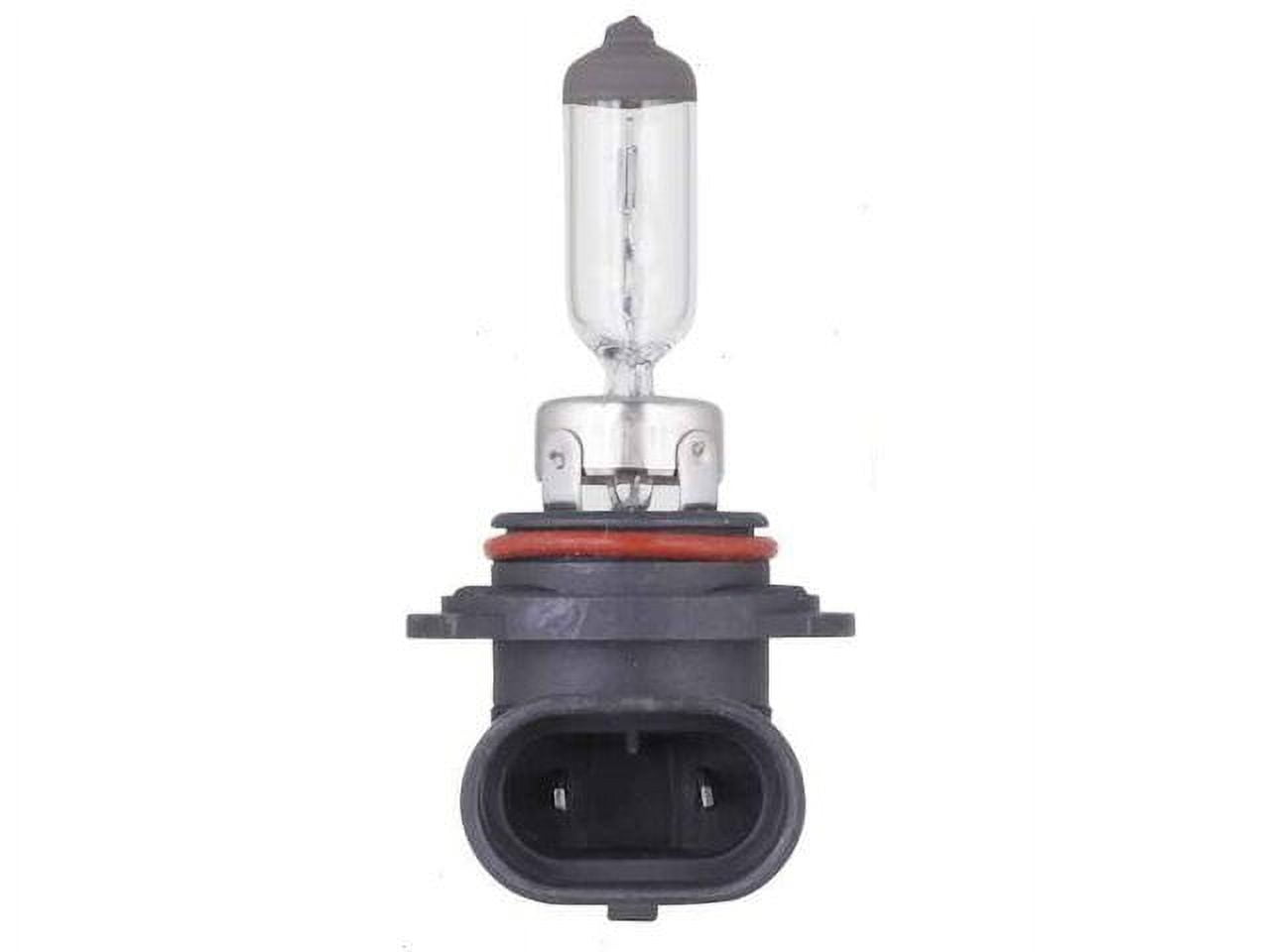
Replacing the headlight bulbs on a 2002 Honda Accord requires knowing the exact bulb sizes for your specific trim level—typically 9006 for low beams and 9005 for high beams—along with understanding how to access the tight engine bay housing without damaging the delicate alignment clips or touching the sensitive quartz glass of the new halogen capsules.
Maintaining clear nighttime visibility is one of the most critical aspects of vehicle ownership, yet many drivers only think about their headlights when a bulb burns out completely or fails a safety inspection. For owners of the sixth-generation 2002 Honda Accord—spanning the final year of this classic body style—navigating headlight replacement involves more than simply pulling into an auto parts store and grabbing a generic box. Between distinguishing high beams from low beams, understanding differences across coupe and sedan body styles, and choosing between standard halogen upgrades and modern aftermarket retrofits, car owners face several technical choices. This guide breaks down everything you need to know about 2002 Honda Accord headlight bulbs, from precise sizing and electrical requirements to step-by-step replacement methodologies and troubleshooting guidance.
Understanding 2002 Honda Accord Headlight Bulb Sizes
The first and most crucial step in any headlight replacement project is identifying the correct bulb size. Installing an incorrect bulb can result in a poor electrical connection, improper beam pattern projection, or physical damage to the headlight housing assembly.
For the 2002 Honda Accord, the bulb configurations are standardized across factory housing assemblies, though trim variations and aftermarket projector housings can occasionally introduce exceptions. It is always wise to inspect the stamping on the base of your existing factory bulb before purchasing replacements.
Low Beam vs. High Beam Specifications
The 2002 Honda Accord utilizes a dual-bulb headlight system, meaning the low beams and high beams operate on independent circuits and use separate physical capsules.
- Low Beam Bulbs: The standard size for the low beam headlights is 9006 (also designated as HB4). These bulbs are engineered with a specific filament placement and an opaque painted tip designed to direct light downward into the reflector bowl, preventing blinding glare for oncoming traffic.
- High Beam Bulbs: The standard size for the high beam headlights is 9005 (also designated as HB3). Unlike the low beam, the 9005 lacks the painted tip, allowing for maximum unfiltered light output to illuminate long stretches of dark roadway.
Coupe vs. Sedan Headlight Differences
While the mechanical front-end architecture of the 2002 Honda Accord shares many components between the 2-door coupe and 4-door sedan, their headlight assemblies are physically distinct. Coupes feature a more aggressive, swept-back housing shape, whereas sedans utilize a more conservative, boxy profile.
Despite these exterior styling differences and unique part numbers for the plastic headlight housings themselves, both the coupe and sedan models utilize the exact same 9006 low beam and 9005 high beam bulb sizes. This standardization simplifies purchasing decisions for owners regardless of body style.
Bulb Technology Options: Halogen, LED, and HID
Once you know the required bulb sizes, you must decide which type of technology to install. The automotive lighting market has evolved significantly since 2002, offering alternatives that stretch far beyond the factory incandescent halogen standard.
| Bulb Technology | Pros | Cons | Installation Complexity |
|---|---|---|---|
| Standard Halogen (OEM Style) | Inexpensive, direct plug-and-play, correct beam pattern in stock housings, DOT compliant. | Shorter lifespan, yellowish color temperature (approx. 3200K), lower total lumen output. | Low (Direct drop-in) |
| Performance Halogen | Whiter light output, increased distance visibility, no wiring modifications needed. | Higher cost than standard halogens, shorter operational lifespan due to higher filament heat. | Low (Direct drop-in) |
| LED Retrofit | Extremely bright, crisp white light (6000K+), long operating life, instant illumination. | Potential glare in reflector housings, bulky heat sinks may not fit behind dust caps, legality varies. | Medium (May require bulb orientation adjustments or dust cap modifications) |
| HID Xenon Kits | High lumen output, intense distance projection, authentic high-end appearance. | Requires external ballasts and wiring harnesses, slow warm-up time, high glare in stock reflectors. | High (Requires mounting ballasts and drilling housing caps) |
Sticking with Halogen vs. Upgrading
For most daily drivers, sticking with a high-quality OE-style halogen or stepping up to a premium performance halogen (such as Sylvania SilverStar or Philips CrystalVision) provides the safest and most reliable experience. Factory 2002 Honda Accord headlight housings are engineered specifically around the filament position of a halogen bulb.
When aftermarket LED or HID bulbs are placed into these older reflector housings, the light source often sits slightly out of focus. This misalignment scatters light haphazardly, reducing your actual distance visibility while blinding oncoming drivers with intense glare. If you choose to install LED bulbs, look for models specifically designed with "filament-matching" chip placement to preserve a clean cutoff line.
Tools and Preparation Required for Replacement
Replacing headlight bulbs on a 2002 Honda Accord is a straightforward DIY task that does not require specialized mechanical tools. However, preparing your workspace and handling materials correctly will prevent premature bulb failure.
Recommended Tools and Supplies
- Replacement Bulbs: One pair of 9006 (low beam) or 9005 (high beam) bulbs.
- Nitrile or Microfiber Gloves: Crucial for protecting new bulbs from skin oils.
- Isopropyl Alcohol and Clean Rags: Useful for wiping down housings and cleaning accidental smudges.
- Flathead Screwdriver (Optional): Helpful for releasing stubborn electrical connector clips if they are bound by road grime.
The Importance of Avoiding Halogen Contamination
If you select standard or performance halogen bulbs, the quartz glass capsule operates at extremely high temperatures. Never touch the glass portion of a halogen bulb with your bare hands. The natural oils and microscopic salts present on human skin remain on the glass surface. When the bulb heats up, these oils cause a localized hot spot on the quartz envelope, weakening the structural integrity of the glass and causing it to bulge, crack, or burn out prematurely. Always wear clean gloves or handle the bulb exclusively by its plastic base and electrical connector.
Step-by-Step Replacement Procedure
Gaining physical access to the back of the headlight assemblies on a 2002 Honda Accord is relatively easy, though the passenger side requires working around the windshield washer fluid reservoir and air intake snorkel. Follow these steps to complete the replacement safely and efficiently.
Step 1: Secure the Vehicle and Access the Engine Bay
Park your Accord on a flat, level surface, engage the parking brake, and turn off the ignition. Open the hood and prop it securely. Take a moment to inspect the rear of the headlight housings from inside the engine compartment. Identify whether you are replacing the outer low beam bulb (9006) or the inner high beam bulb (9005).
Step 2: Disconnect the Electrical Harness
Reach behind the target bulb housing to locate the plastic electrical connector.
- Locate the small plastic locking tab on the connector.
- Press down firmly on this tab to release the locking barb.
- While holding the tab down, gently pull the wiring harness straight back away from the bulb base. Do not pull or yank on the wires themselves, as this can pull pins out of the connector housing. If the connector is stuck due to accumulated dirt, gently rock it back and forth while applying steady backward pressure.
Step 3: Remove the Old Bulb from the Housing
Once the wiring harness is out of the way, you need to release the bulb from the twist-lock socket in the reflector bowl.
- Firmly grasp the plastic base of the bulb.
- Rotate the bulb counter-clockwise (approximately a quarter-turn) until it stops rotating.
- Pull the bulb straight back out of the headlight housing aperture, taking care not to strike the reflector walls or internal chrome coating.
Step 4: Install the New Bulb
Take your new bulb out of its packaging, ensuring you touch only the plastic base.
- Align the three alignment tabs on the metal collar of the new bulb with the corresponding slots in the headlight housing.
- Insert the bulb straight into the housing until the base sits flush against the rubber O-ring seal.
- Rotate the bulb clockwise (approximately a quarter-turn) until it locks securely into place. You should feel a distinct stop.
Step 5: Reconnect the Wiring and Test
Push the electrical wiring connector firmly onto the base of the new bulb until you hear or feel the locking tab snap into place. Before closing the hood, turn on your vehicle's headlights to verify that the new bulb illuminates correctly.
Troubleshooting Common Headlight Issues
If your new headlight bulb fails to turn on after installation, do not immediately assume the bulb is defective. A systematic troubleshooting approach will save you time and money.
Checking Fuses and Relays
The 2002 Honda Accord utilizes dedicated fuses for the left and right headlights, usually split between high and low beams. If both headlights go out simultaneously, or if an entire side fails, check the under-hood fuse box located near the battery. Look at the diagrams on the underside of the fuse box cover to identify the specific headlight fuses (often labeled as "H/L-LH" and "H/L-RH"). Replace any blown fuse with one of the exact same amperage rating.
Inspecting Wiring Harnesses and Grounds
Years of exposure to engine heat, vibration, and road salt can degrade the plastic wiring connectors attached to your headlight bulbs. Inspect the internal pins of the 9006 or 9005 connector for green corrosion, melting, or looseness. If the plastic housing is charred or brittle, splice in a replacement headlight pigtail connector available at any auto parts store. Additionally, ensure the vehicle's primary chassis ground points near the radiator support are clean and free of rust.
Frequently Asked Questions
Can I install a 9005 high beam bulb into a 9006 low beam socket?
Physically, a 9005 bulb can be modified to fit into a 9006 socket by trimming one of the internal plastic alignment tabs inside the connector flange. However, doing so is strongly discouraged for low beam applications. The 9005 is a significantly brighter, higher-wattage bulb (65 watts versus 55 watts for the 9006) and lacks the glare-shielding painted tip. Putting a 9005 in a low beam housing will severely blind oncoming drivers and can overheat the factory wiring harness.
Why does moisture keep appearing inside my 2002 Honda Accord headlight housing?
Condensation inside older headlight housings is typically caused by a missing or deteriorated rubber dust cap on the back of the assembly, or a degraded perimeter seal around the lens. Ensure the rubber boot behind your bulb is seated snugly. If the housing is cracked or the vent tubes are blocked, moisture will accumulate during temperature swings.
Do I need to remove the entire bumper or headlight assembly to change a bulb?
No, you do not need to remove the front bumper or the headlight housings on a 2002 Honda Accord. There is sufficient clearance behind both headlight assemblies in the engine bay to complete the bulb replacement entirely from under the hood using basic hand movements.
How often should I replace my headlight bulbs?
Standard halogen headlight bulbs typically last between 450 and 1,000 hours of operation, which translates to roughly two to three years of normal driving. Because halogen filaments degrade gradually over time, losing up to 20% of their initial brightness before burning out completely, it is best practice to replace your headlight bulbs in matching pairs to ensure balanced road illumination.
Final Recommendations for Optimal Road Visibility
Maintaining your 2002 Honda Accord's lighting system goes beyond simply swapping out a dead bulb. Over two decades of exposure to ultraviolet radiation and road debris can leave the exterior polycarbonate lenses of your headlights yellowed, cloudy, or oxidized. If you install brand-new, high-performance bulbs behind heavily oxidized lenses, the plastic will scatter and absorb up to 50% of the light output. Pair your new headlight bulbs with a quality headlight restoration kit to sand away surface oxidation and seal the lenses with a UV-blocking clear coat. This simple combination will dramatically restore your nighttime visibility and keep your classic Accord safe on the road.