The term "20 20 molded plastics" represents a specialized focus within the polymer processing and manufacturing sector, referring to production methodologies, standard part specifications, or proprietary resin formulations characterized by strict dimensional control and structural predictability. These materials shape modern supply chains by influencing component durability, production throughput, and cost structures across automotive, consumer electronics, and medical device industries.
Understanding the 20 20 Molded Plastics Segment
The injection molding and polymer processing landscape encompasses a vast array of materials, thermal behaviors, and structural profiles. Within this ecosystem, specialized designations such as "20 20 molded plastics" highlight precision tolerances, consistent mechanical properties, and repeatable output metrics required by modern industrial manufacturing. To understand the market impact of these materials, it is necessary to examine how polymer chemistry intersects with high-volume industrial output.
Molded plastics rely on the controlled phase transition of thermoplastic or thermoset polymers from a heated, malleable state to a cooled, rigid form within a precision-machined steel or aluminum cavity. The numerical identifier in "20 20" often correlates with specific engineering standards, wall thicknesses, shrinkage allowances, or proprietary resin blends formulated to achieve a balance between tensile strength, impact resistance, and cost efficiency.
Core Polymer Characteristics and Processing Parameters
The performance of any molded plastic component is determined by its molecular structure and the thermal history it experiences during the molding cycle. Thermoplastics—such as Acrylonitrile Butadiene Styrene (ABS), Polypropylene (PP), Polycarbonate (PC), and Polyoxymethylene (POM)—dominate high-volume molding applications because they can be melted and reshaped repeatedly without undergoing significant chemical alteration.
When evaluating precision-molded components, engineers monitor several critical processing parameters:
- Melt Temperature: The optimal thermal range at which the polymer flows uniformly into the mold cavity without thermal degradation or molecular chain scission.
- Injection Pressure and Speed: The hydraulic or electric force applied to drive the molten resin into the tool, balancing fill rates against flash formation and shear stress.
- Cooling Rate and Uniformity: The speed at which thermal energy is extracted from the part via cooling channels in the mold, directly affecting crystallinity, residual stress, and cycle time.
- Volumetric Shrinkage: The predictable dimensional reduction that occurs as the polymer transitions from liquid to solid, requiring precise tool compensation to ensure final parts meet exact specifications.
Market Dynamics and Supply Chain Integration
The market impact of specialized molded plastics extends far beyond factory floors, dictating supply chain resilience, procurement strategies, and product lifecycle costs. As global manufacturing standards demand lighter, stronger, and more sustainable components, the demand for high-tolerance injection molding has accelerated.
Cost Structures and Capital Expenditure
Entering or scaling production within the precision molded plastics sector requires substantial capital expenditure. Tooling represents a major cost driver; hardened steel molds capable of producing millions of cycles require advanced CNC machining, electrical discharge machining (EDM), and meticulous polishing. However, the high initial investment is offset by low per-unit production costs at scale.
| Cost Component | Typical Impact on Project Budget | Primary Influencing Factors |
|---|---|---|
| Tooling & Mold Design | High (30% – 60%) | Cavitation count, steel grade, complexity, slide actions, and tolerances. |
| Raw Resin Materials | Medium to High (20% – 40%) | Base polymer grade, additives, flame retardants, and virgin vs. recycled content. |
| Processing & Cycle Time | Low to Medium (10% – 25%) | Part geometry, cooling channel efficiency, press tonnage, and automation level. |
| Quality Control & QA | Low (5% – 15%) | Coordinate measuring machine (CMM) inspection, optical scanning, and compliance documentation. |
Industry-Specific Applications
Molded plastics categorized under precision parameters find widespread deployment across sectors where component failure is not an option.
Automotive Manufacturing
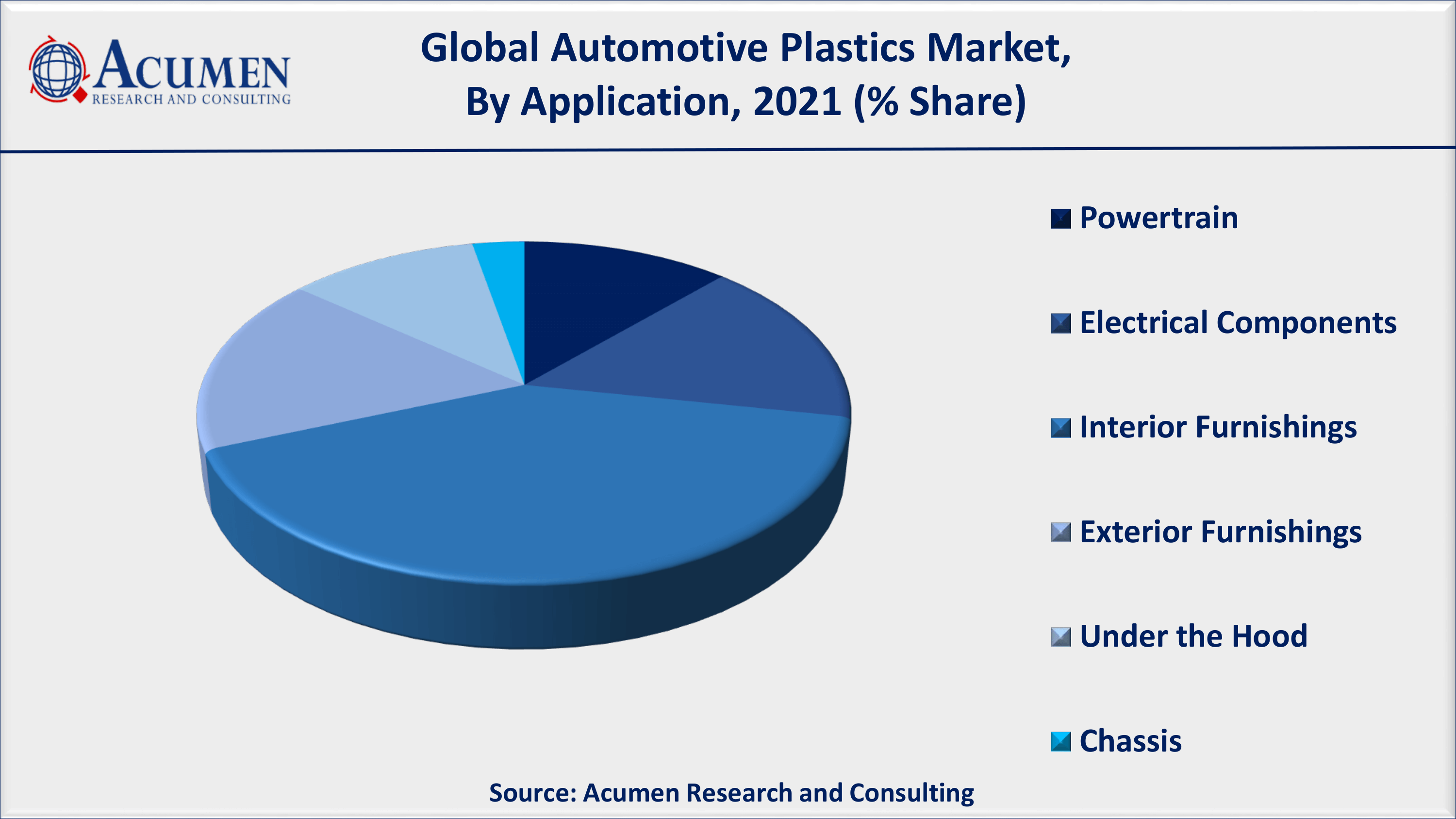
Modern vehicle architecture relies heavily on engineered plastics to reduce overall weight, thereby improving fuel efficiency and extending the range of electric vehicles (EVs). Under-the-hood components require high-temperature engineering resins like Polyamide (PA or nylon) reinforced with glass fibers, while interior trims utilize impact-modified polyolefins and ABS blends that meet stringent flammability and aesthetic standards.
Medical Device Engineering
The healthcare sector demands absolute lot-to-lot consistency and biocompatibility. Molded plastics utilized in diagnostic housings, single-use surgical instruments, and fluid delivery systems must withstand sterilization protocols—such as gamma irradiation, ethylene oxide (EtO), or autoclaving—without degrading, leaching chemicals, or losing structural integrity.
Consumer Electronics
Consumer electronics prioritize miniaturization, thin-wall structural integrity, and superior surface finish. Enclosures for laptops, smartphones, and wearable tech require engineering thermoplastics that provide electromagnetic interference (EMI) shielding capabilities, high stiffness-to-weight ratios, and resistance to thermal buildup.
Environmental Considerations and Sustainability Pressures
The environmental footprint of polymer processing remains a central challenge for the molded plastics market. Regulatory frameworks worldwide increasingly penalize single-use plastics and demand greater corporate accountability regarding end-of-life recycling and circular economy integration.
The Rise of Engineering-Grade Recyclates (PCR)
Historically, post-consumer recycled (PCR) plastics exhibited inconsistent mechanical properties, making them unsuitable for high-tolerance, precision-molded applications. However, advanced sorting technologies, chemical recycling methods, and sophisticated compounding techniques have enabled the creation of high-purity PCR engineering resins. Manufacturers now integrate these sustainable alternatives into non-critical structural layers or standalone housings without sacrificing compliance or impact resistance.
Energy Efficiency in Molding Operations
Injection molding is an energy-intensive process, primarily due to the thermal energy required to melt polymers and the hydraulic or electrical energy needed to clamp molds and inject material. Modern facilities are transitioning from traditional hydraulic presses to all-electric and hybrid injection molding machines. All-electric presses offer superior repeatability, consume significantly less idle energy, and eliminate the risk of hydraulic fluid contamination.
Quality Control, Testing, and Compliance Standards
Ensuring that molded plastic components meet rigorous industrial benchmarks requires a multi-layered quality assurance protocol. Standards organizations such as ASTM International, the International Organization for Standardization (ISO), and Underwriters Laboratories (UL) dictate testing methodologies for tensile strength, Izod impact resistance, heat deflection temperature, and flammability ratings (such as UL 94).
Quality control protocols typically follow a structured workflow:
- Incoming Material Inspection: Verifying melt flow index (MFI), moisture content, and lot traceability certificates from resin suppliers.
- First Article Inspection (FAI): Utilizing optical comparators and CMM equipment to measure initial sample runs against 3D CAD models.
- In-Process Monitoring: Deploying sensor technology within the mold cavity to track pressure and temperature profiles in real time, rejecting out-of-spec parts automatically.
- Post-Molded Conditioning: Managing thermal conditioning or moisture absorption cycles for moisture-sensitive polymers like nylon prior to final assembly.
Frequently Asked Questions
What differentiates precision molded plastics from standard commercial injection molding?
Precision molding requires tighter dimensional tolerances—often within microns—strict control over shrinkage rates, advanced tool design, and continuous in-process monitoring. Standard commercial molding prioritizes high-speed output and lower cost for less demanding, general-purpose goods.
How do material choices affect the lifecycle cost of a molded plastic component?
While engineering-grade resins and reinforced polymers have a higher upfront raw material cost, they reduce total lifecycle expenses by preventing field failures, minimizing warranty claims, and maintaining structural performance under harsh operating conditions.
What is the primary cause of warpage in molded plastic parts, and how is it mitigated?
Warpage is typically caused by uneven cooling rates, differential volumetric shrinkage, or molecular orientation stress within the part. It is mitigated by optimizing cooling channel layouts within the mold, adjusting injection speeds, and selecting appropriate packing pressures.
Can recycled plastics replace virgin resins in high-stress industrial applications?
Yes, provided the recycled resin undergoes rigorous compounding, testing, and purification to meet specified melt flow and mechanical property requirements. Many automotive and electronics manufacturers now mandate specific percentages of PCR content in non-structural components to meet sustainability goals.
Strategic Next Steps for Industry Stakeholders
Navigating the market impact of specialized molded plastics requires a disciplined approach to supplier selection, material validation, and design for manufacturability (DFM). Stakeholders should conduct thorough design reviews with experienced mold makers early in the product development lifecycle to identify potential thermal traps, draft angle deficiencies, and wall thickness variations. By prioritizing material science expertise and process optimization, organizations can achieve optimal balance between cost efficiency, regulatory compliance, and structural performance.