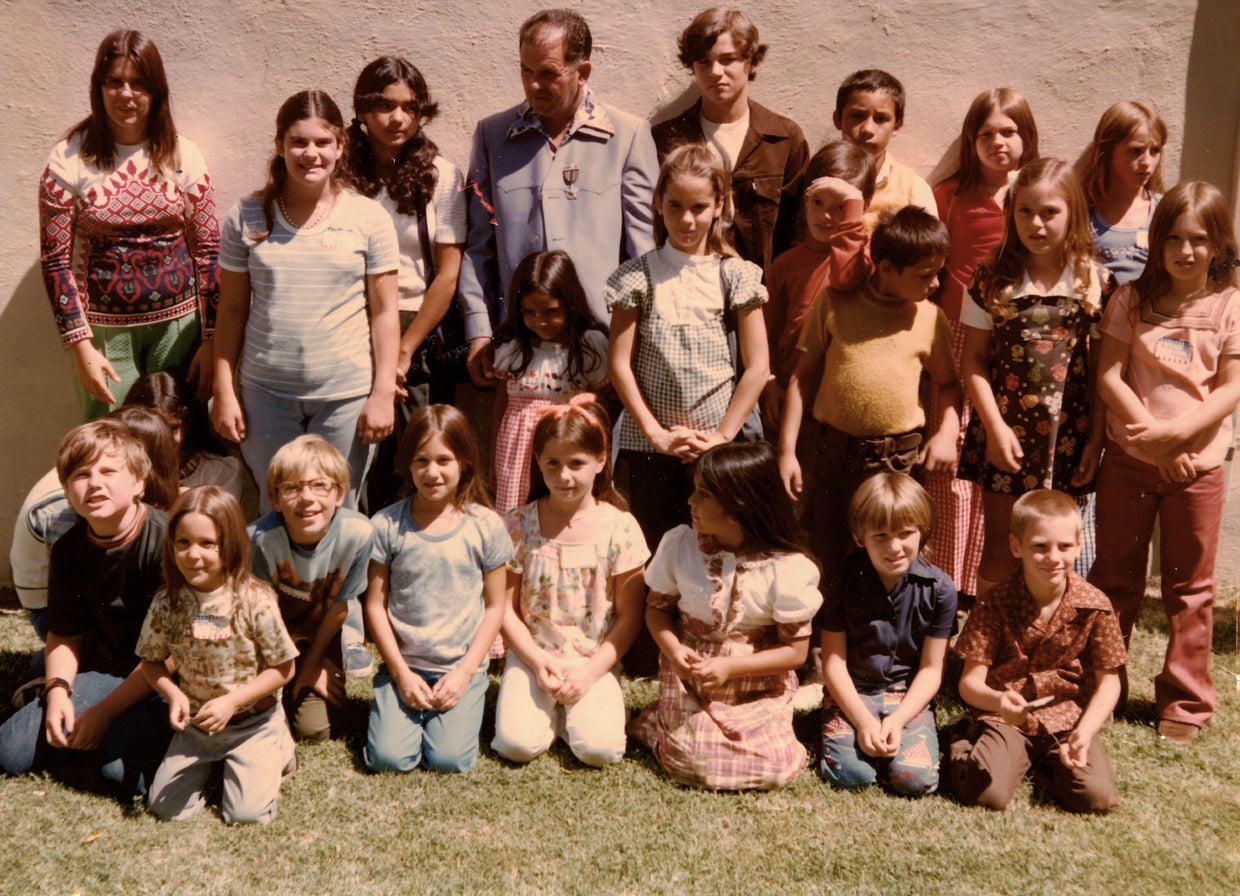
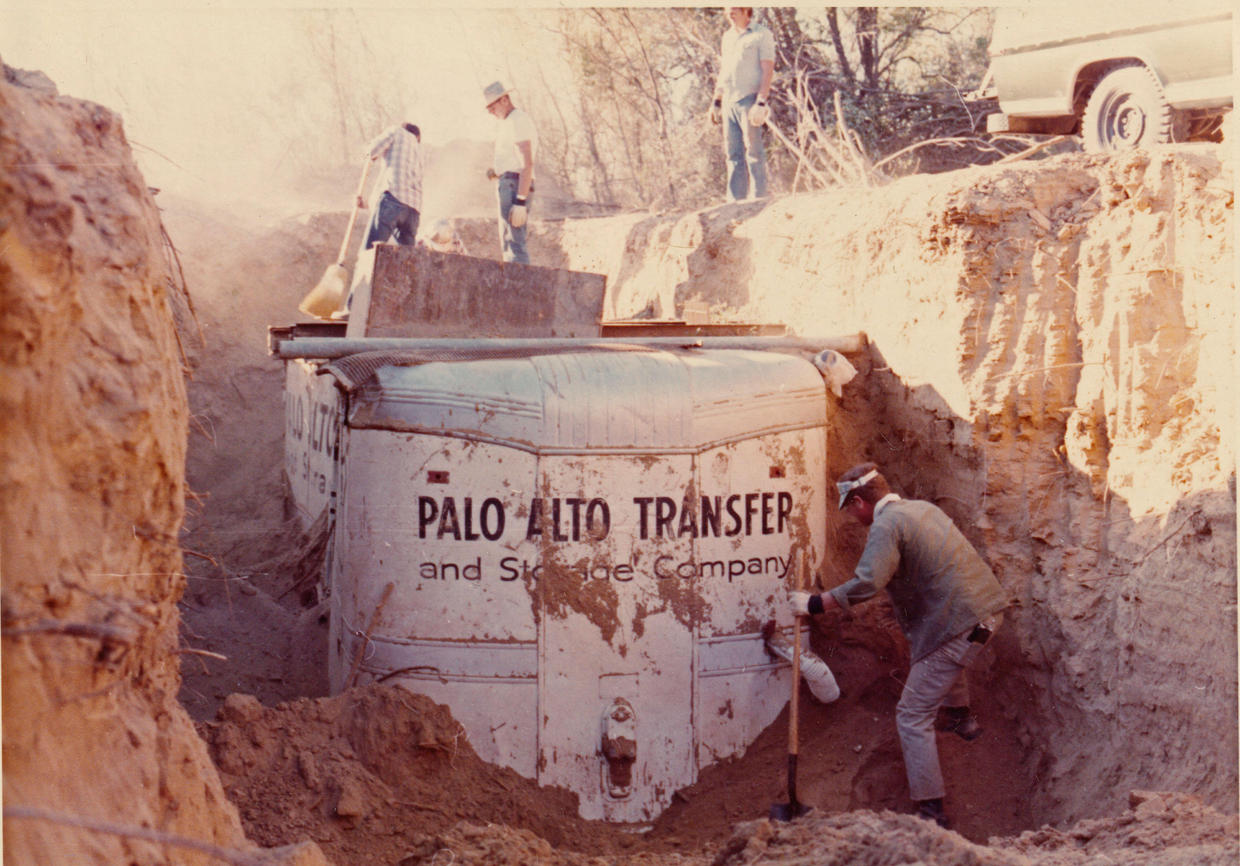
The 1976 Chowchilla kidnapping refers to the abduction of a school bus driver and 26 children in Chowchilla, California, on July 15, 1976. Orchestrated by Frederick Woods and brothers James and Richard Schoenfeld, the victims were transported in vans to a rock quarry in Livermore, California, where they were buried alive in a subterranean moving truck. The victims successfully escaped after roughly 16 hours underground, leading to a massive manhunt and the eventual capture, trial, and conviction of the kidnappers.
Background and The Abduction
The events of July 15, 1976, unfolded in the small agricultural community of Chowchilla, California. Frank Edward Ray, a 55-year-old school bus driver, was transporting 26 children home from a summer school session at Dairyland Elementary School. Along a quiet stretch of Road 233, the bus was intercepted by a group of armed men wearing stocking masks.
The perpetrators forced Ray and the children into two windowless vans that had been concealed along the route. Over the next several hours, the group was driven hundreds of miles north. The psychological toll on the children, ranging in age from five to 14, was exacerbated by the lack of food, water, and sanitary facilities, as well as the uncertainty of their destination. The kidnappers had carefully planned the operation, intending to demand a ransom of $5 million from the California Board of Education, though their logistical execution suffered from delays and internal disorganization.
The Confinement and Escape
The kidnappers arrived at a rock quarry in Livermore, owned by Frederick Woods's father. At this location, the group was forced down a ladder into a buried moving trailer that had been outfitted with mattresses and minimal ventilation. After the kidnappers forced the victims into the trailer, they covered the entrance with a heavy steel plate and debris, effectively burying the hostages alive.
The captives remained in the sweltering, cramped conditions for approximately 16 hours. During this time, Frank Ray organized the children to build a makeshift staircase using the provided mattresses to reach the hatch. As the kidnappers were reportedly sleeping or absent from the immediate area, Ray and the older children succeeded in prying open the metal plate. They climbed out into the quarry and were eventually discovered by quarry employees, who contacted local law enforcement.
Investigation and Capture
The discovery of the children triggered one of the most extensive investigations in California history. Because the kidnappers had used vehicles and equipment that were traceable, detectives from the Madera County Sheriff’s Department and the Federal Bureau of Investigation quickly identified the quarry as the site of the crime.
James and Richard Schoenfeld were apprehended shortly thereafter, while Frederick Woods fled to Vancouver, British Columbia, where he was eventually extradited to the United States. The investigation revealed that the trio had spent months meticulously planning the abduction, viewing it as a path to significant financial gain. The evidence gathered at the site, combined with eyewitness accounts and the forensic trail left by the perpetrators, secured the prosecution's case.
Judicial Proceedings and Sentencing
The legal aftermath of the Chowchilla kidnapping was characterized by high-profile trials and intense public scrutiny. The three men were charged with multiple counts of kidnapping for ransom and robbery. In 1977, a jury found the three men guilty on all counts. Initially, the judge sentenced them to life in prison with the possibility of parole.
The sentencing sparked significant debate within the California legal system regarding the adequacy of punishment for crimes of this magnitude. Over the following decades, the defendants filed numerous appeals and participated in parole hearings. The status of their incarceration evolved as follows:
| Individual | Sentencing Outcome | Parole Status (As of 2026) |
|---|---|---|
| Richard Schoenfeld | Life with possibility of parole | Paroled in 2012 |
| James Schoenfeld | Life with possibility of parole | Paroled in 2015 |
| Frederick Woods | Life with possibility of parole | Paroled in 2022 |
The parole of the kidnappers remained a deeply emotional issue for the survivors, many of whom testified at hearings throughout the years to emphasize the long-term psychological and physical impact the event had on their lives.
Long-Term Impact on Survivors
The psychological aftermath for the 26 children and their driver is a significant area of focus for historical study and trauma research. Many of the survivors reported experiencing chronic anxiety, sleep disturbances, and a profound sense of insecurity for decades. The Chowchilla event served as a landmark case in understanding the developmental impact of acute, large-scale trauma on minors.
In the years following the abduction, several survivors engaged in public advocacy, discussing the long-term process of healing and the complexities of finding closure while their abductors remained in the prison system. Frank Ray, the bus driver, was widely hailed for his leadership during the confinement. He passed away in 2012, having lived the remainder of his life in the Chowchilla area.
Comparative Analysis of Kidnapping Response and Legal Reform
The 1976 case catalyzed shifts in how law enforcement agencies approach high-stakes hostage situations. Prior to this event, the protocols for handling mass abductions were less specialized. The coordination between local, state, and federal agencies in 1976 set a precedent for future responses to large-scale kidnapping incidents in the United States.
Furthermore, the case influenced California’s sentencing guidelines. The public outcry following the news that the kidnappers could be eligible for parole created sustained political pressure. This helped shape the legislative climate in California during the late 20th century, contributing to a broader movement toward stricter sentencing for violent felonies.
Frequently Asked Questions
Did the kidnappers ever receive the $5 million ransom?
No. The kidnappers were unable to successfully complete the ransom demands. Because the victims escaped shortly after being buried, the perpetrators were never able to contact the authorities or the media to finalize the ransom delivery.
How did the survivors escape the buried truck?
Frank Ray and the oldest children used the provided mattresses to create a stack that allowed them to reach the roof of the trailer. They used a piece of metal to pry open the heavy, debris-covered hatch, allowing them to climb out of the underground burial site.
Was the quarry chosen at random?
No. The quarry was owned by the father of one of the kidnappers, Frederick Woods. The perpetrators chose the location because they believed it was remote enough to prevent discovery and provide them with the time necessary to negotiate the ransom.
What are the long-term psychological effects on the survivors?
Many survivors have documented long-term trauma, including Post-Traumatic Stress Disorder (PTSD). Throughout the decades, researchers and mental health professionals have utilized the case to study how collective trauma in children affects adult life, particularly regarding anxiety and trust in authority figures.
How has the California penal system changed since this case?
The case became a touchstone for victims' rights advocacy in California. It highlighted the tension between indeterminate sentencing (where parole boards decide release dates) and the desire for victims to have a greater role in the judicial process, leading to reforms that increased the weight of victim impact statements in parole hearings.
Practical Considerations for Historical Research
For those looking to research this case further, it is recommended to utilize official court transcripts and archival newspaper reports from 1976-1977. When reviewing accounts, prioritize records from the Madera County Sheriff’s Department or federal archives, as these provide the most accurate timeline of the investigation. Be aware that sensationalized retellings may contain inaccuracies regarding the technical aspects of the trailer or the specific sequence of the escape.
If you are a student or researcher, rely on academic databases to find peer-reviewed articles discussing the trauma response of the victims, as these provide professional context that goes beyond the narrative focus of mainstream media reports.