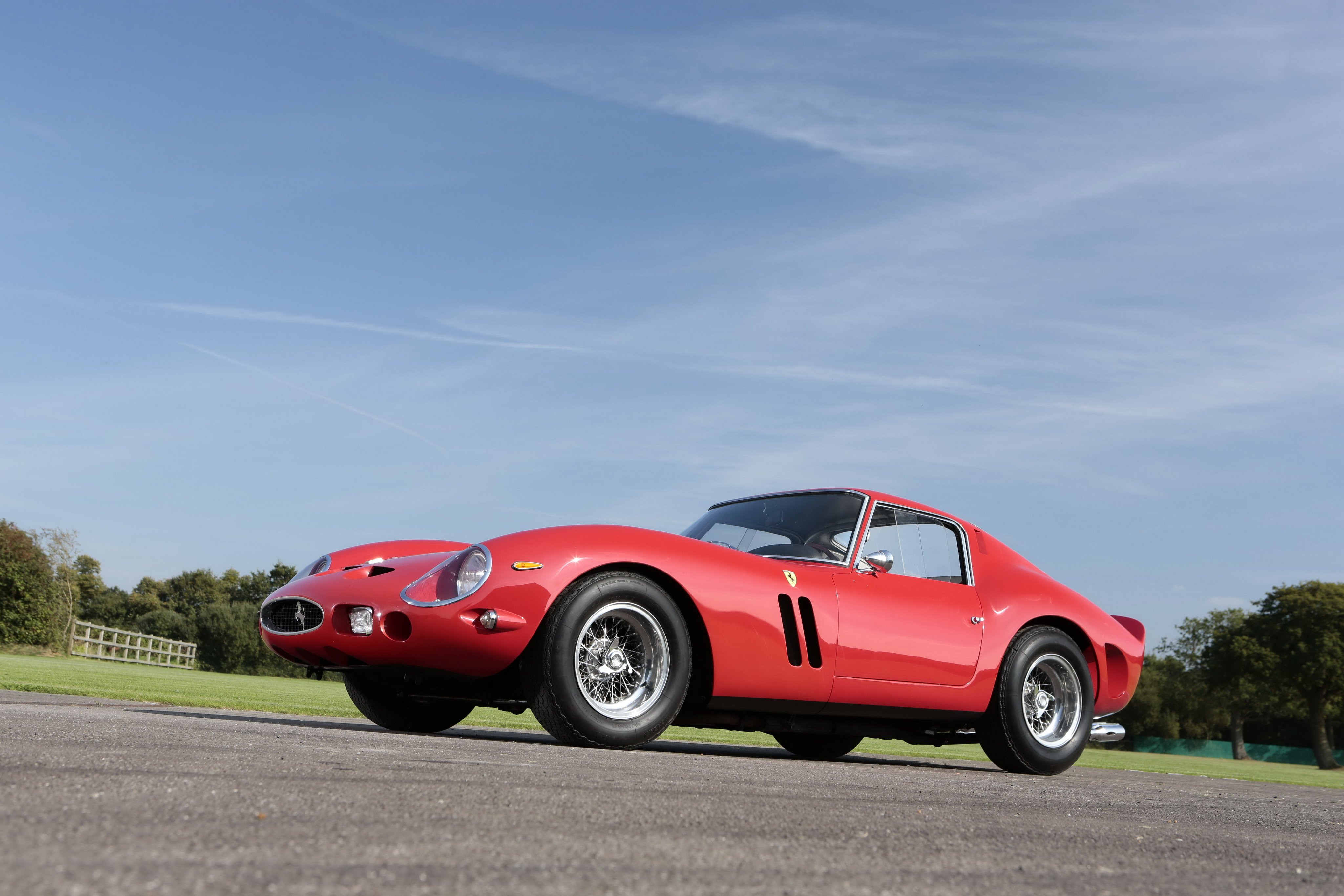
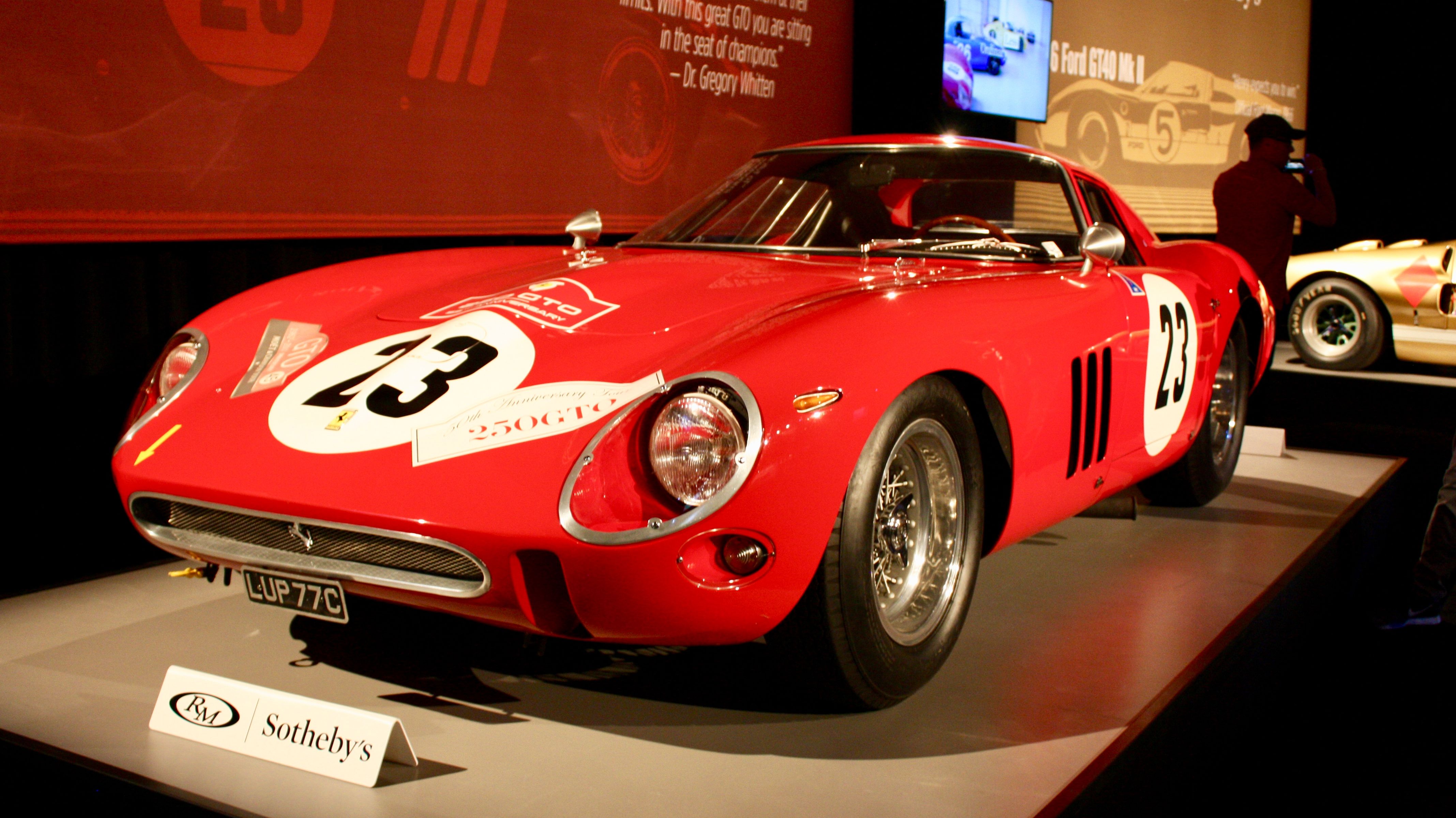
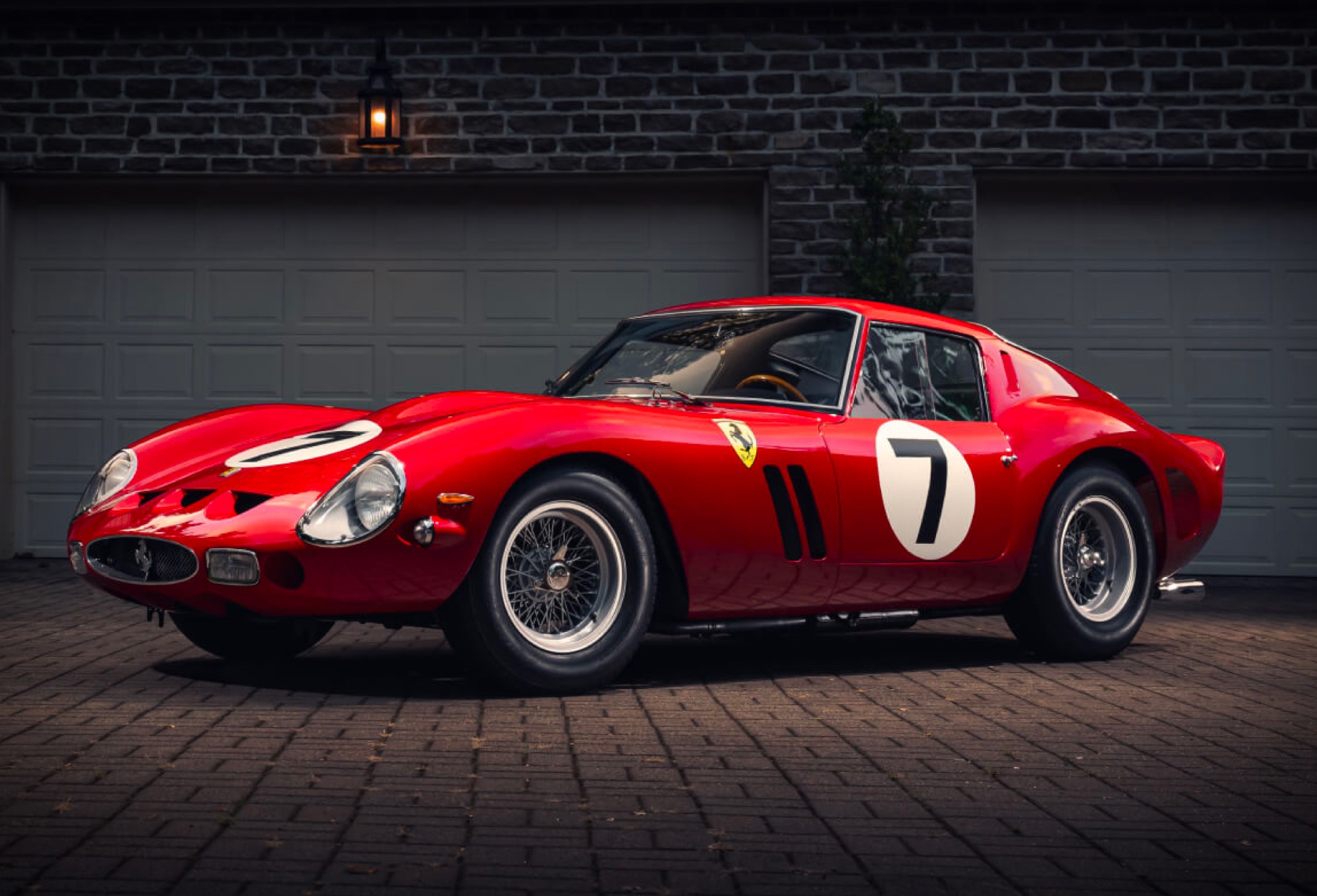
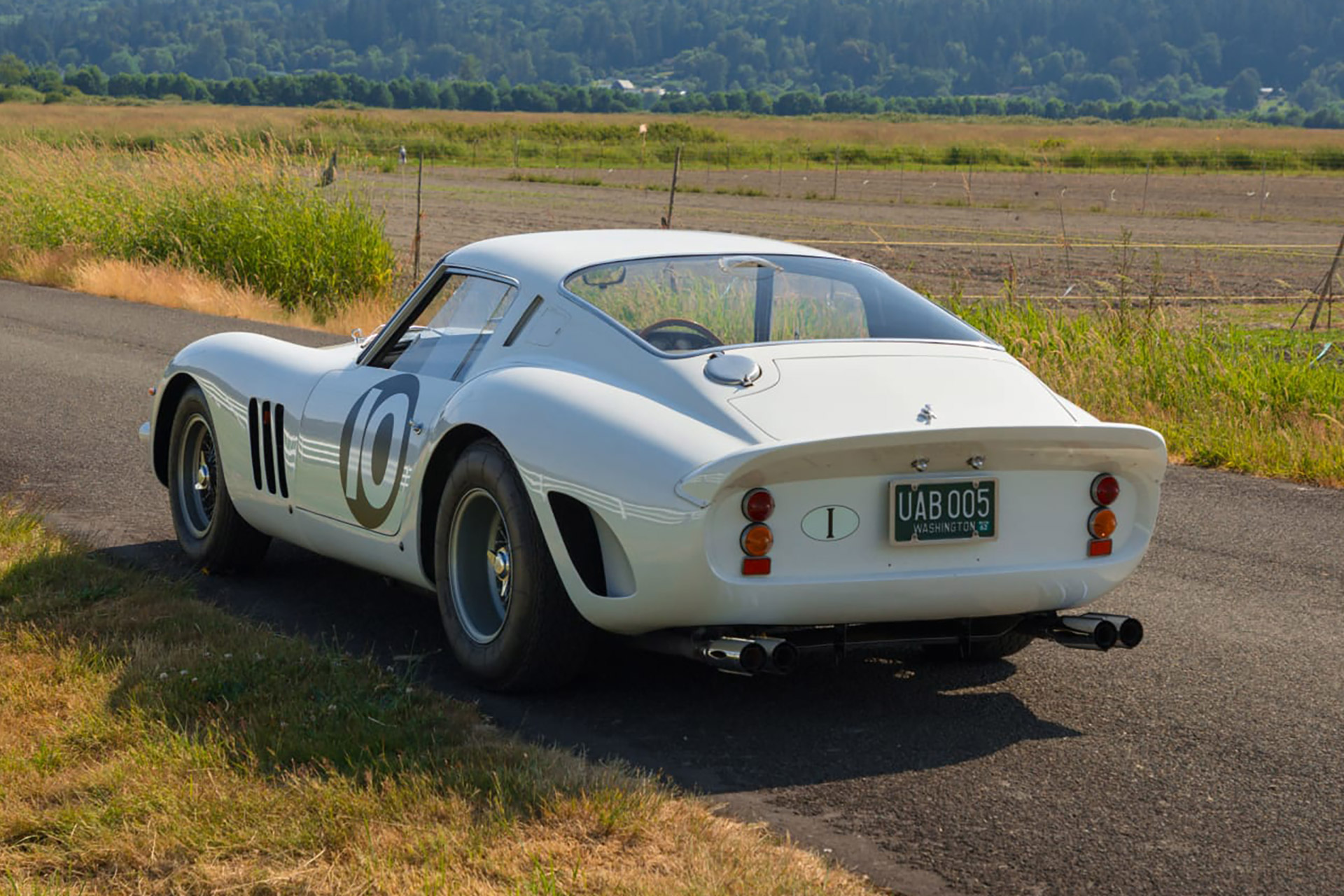
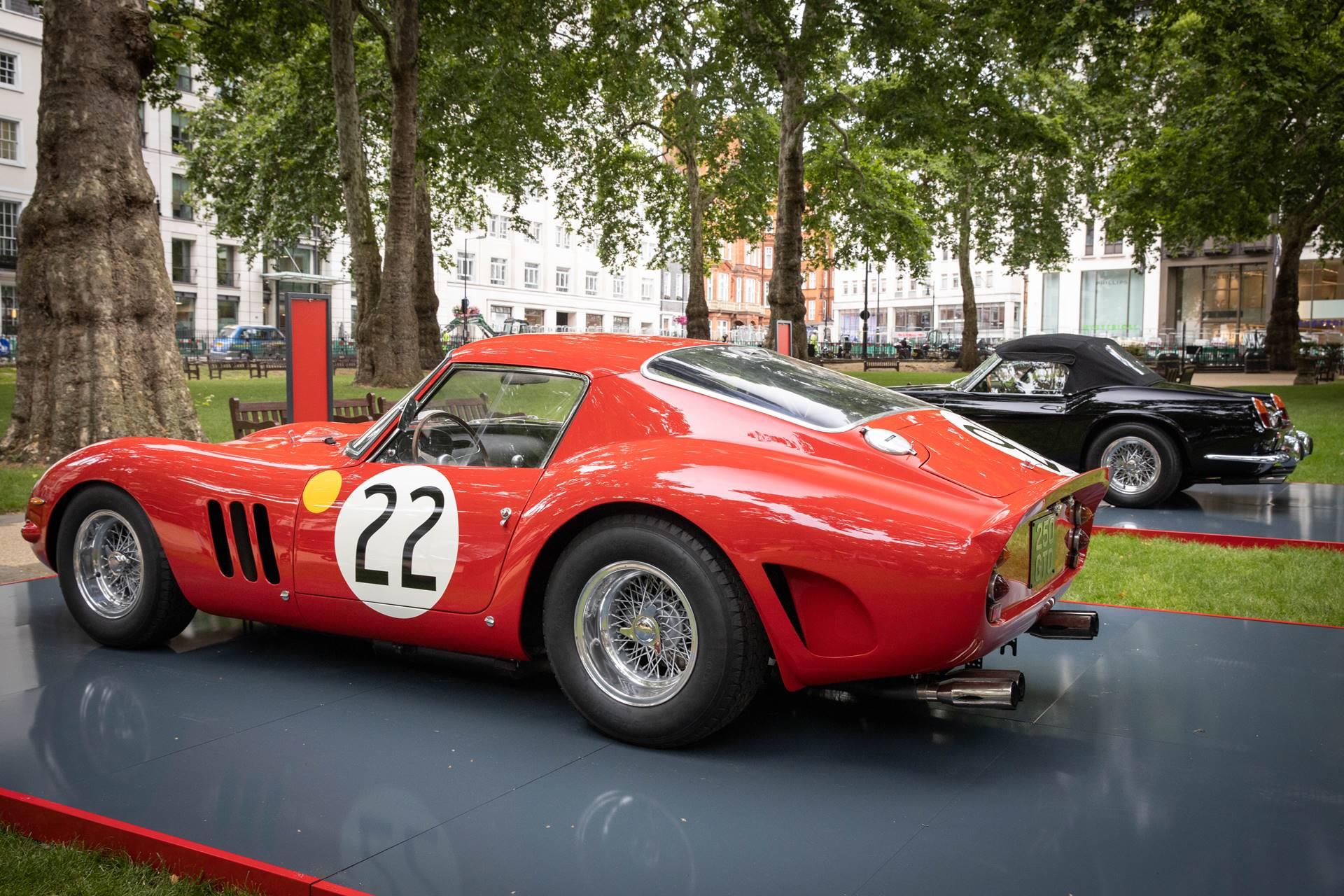
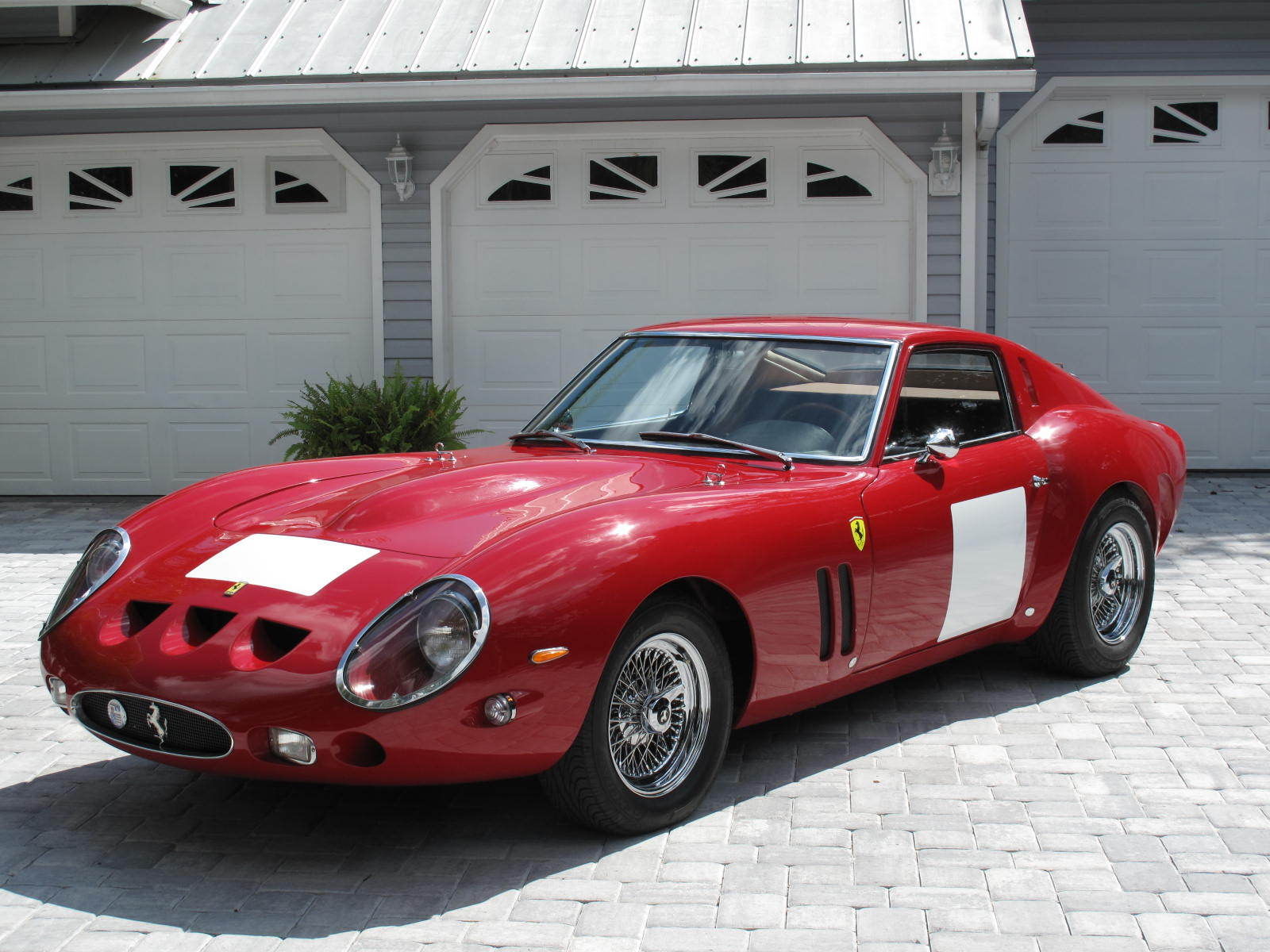
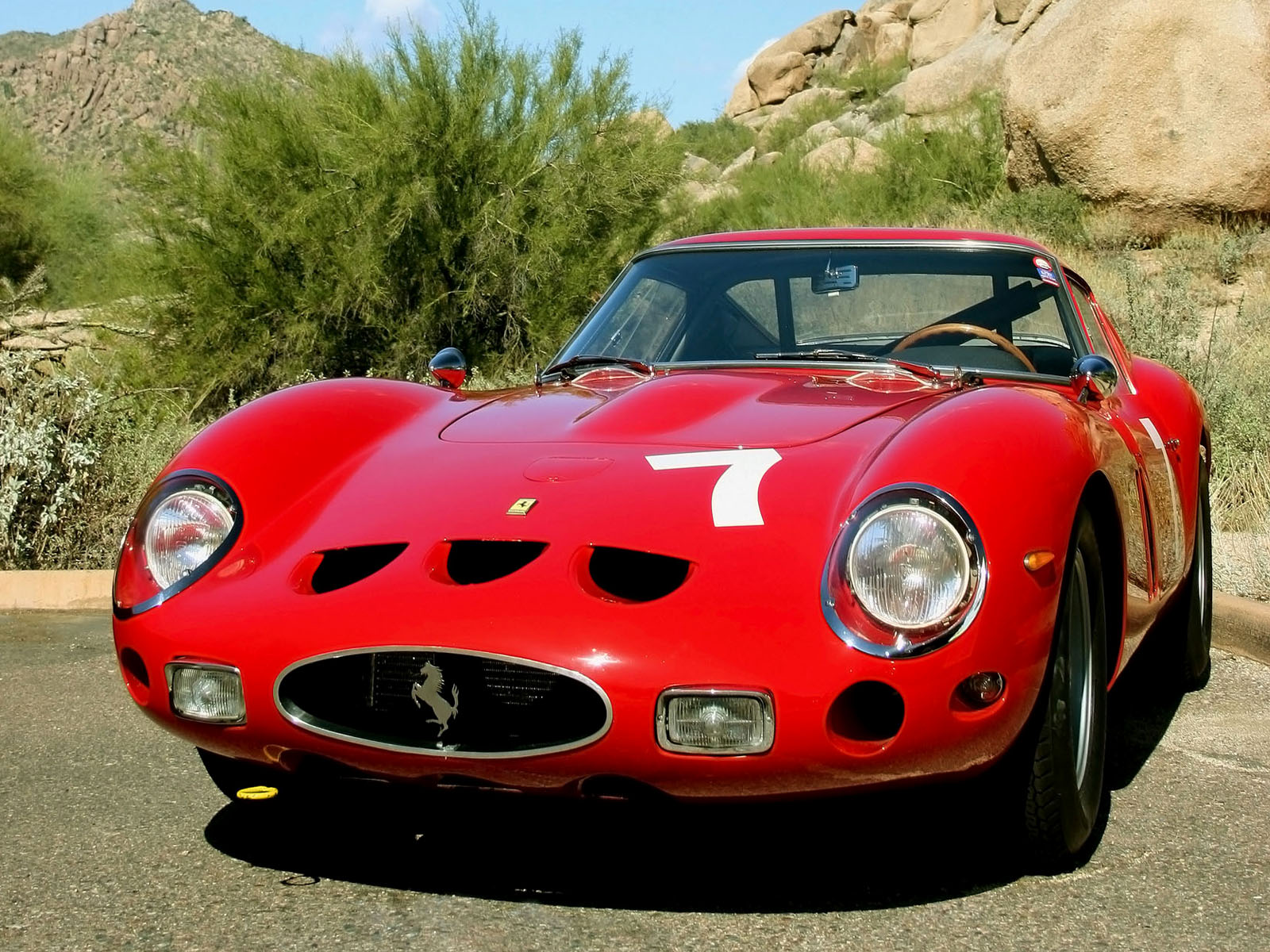
The 1962 Ferrari 250 GTO is widely regarded as the ultimate vintage sports car, combining legendary racing pedigree, rare production numbers, and a 3.0-liter Tipo 168 Colombo V12 engine that produces approximately 300 horsepower. Built specifically to dominate the FIA Group 3 Grand Touring Car category, only 36 examples of the Series I body style were originally manufactured, cementing its status as one of the most coveted and valuable collector automobiles in automotive history.
Origins and Development of the 250 GTO
The genesis of the 1962 Ferrari 250 GTO traces back to the intensely competitive world of international sports car racing in the early 1960s. Enzo Ferrari recognized the urgent need to supersede the aging 250 GT SWB (Short Wheelbase) Berlinetta to counter fierce pressure from formidable rivals such as the Jaguar E-Type and Shelby Cobra. Development began behind closed doors under the supervision of chief engineer Giotto Bizzarrini, and later, Mauro Forghieri after Bizzarrini’s departure following internal disputes at Maranello in 1961.
The project's internal designation utilized the acronym GTO, standing for Gran Turismo Omologato, Italian for "Grand Touring Homologated." Homologation rules for the Fédération Internationale de l'Automobile (FIA) mandated that a minimum of 100 examples of a vehicle must be produced for it to qualify for the prestigious GT class. However, Enzo Ferrari famously skirted this requirement by numbering chassis sequentially out of order, successfully convincing FIA inspectors that the production threshold had been met despite fewer than forty complete cars rolling out of the workshop.
Testing and refinement of the chassis occurred extensively on public roads surrounding Modena and at the Autodromo Nazionale Monza. Scaglietti, the renowned coachbuilder based in Modena, was tasked with fashioning the aerodynamic aluminum bodywork. The resulting shape was optimized extensively in wind tunnels and via high-speed track evaluations, yielding a dramatically low drag coefficient and exceptional high-speed stability that would translate directly into dominant racing performances across global circuits.
Technical Specifications and Engineering
At the mechanical heart of the 1962 Ferrari 250 GTO lies an evolutionary masterpiece: the 3.0-liter (2,953 cc) Tipo 168 Colombo V12 engine. Unlike its predecessors, this powerplant was fitted with six dual-choke Weber 38 DCN carburetors, dry-sump lubrication to maintain oil pressure under extreme lateral cornering forces, and a sophisticated cylinder head design featuring larger valves and higher compression ratios. These modifications allowed the engine to output roughly 300 horsepower at 7,500 rpm, an astonishing figure for a naturally aspirated engine of that displacement in the early 1960s.
Power was routed to the rear wheels via a newly developed five-speed manual transaxle, a significant upgrade over the traditional four-speed gearboxes utilized in earlier Ferrari grand tourers. The chassis construction centered on a lightweight tubular steel spaceframe welded together for maximum torsional rigidity. Stopping power was managed by robust Dunlop disc brakes on all four corners, a state-of-the-art technological inclusion for endurance racing at the time.
| Technical Specification | 1962 Ferrari 250 GTO Detail |
|---|---|
| Engine Type | 3.0 L (2,953 cc) Colombo Tipo 168 V12 |
| Fuel Delivery | 6 x Weber 38 DCN Carburetors |
| Horsepower | ~300 hp at 7,500 rpm |
| Transmission | 5-speed manual transaxle |
| Chassis | Tubular steel spaceframe |
| Suspension | Independent front double wishbones, live rear axle with semi-elliptic springs and Watts linkage |
| Braking System | Dunlop hydraulic disc brakes (all wheels) |
| Weight | Approximately 880 kg (1,940 lbs) dry |
The suspension setup featured independent front double wishbones alongside a conventional live rear axle located by semi-elliptic leaf springs and a Watts linkage to prevent lateral axle migration during aggressive cornering. Combined with a featherlight dry weight hovering around 880 kilograms (1,940 pounds) due to its hand-beaten aluminum body panels and stripped-down cockpit, the 250 GTO possessed a blistering power-to-weight ratio that enabled a top speed approaching 174 miles per hour (280 km/h).
Racing Pedigree and Competition History
The competitive debut of the 1962 Ferrari 250 GTO occurred at the 12 Hours of Sebring in March 1962, driven by Phil Hill and Olivier Gendebien. The car finished an impressive second overall and first in the GT class, instantly validating its engineering and signaling to competitors that Maranello was once again the force to beat. Throughout the 1962, 1963, and 1964 racing seasons, factory and privateer GTOs dominated international endurance racing.
The vehicle secured the International Championship for GT Manufacturers for Ferrari in all three of those consecutive years. Notable race victories included class wins at the 24 Hours of Le Mans, the Targa Florio, the Tour de France Automobile, and the Nürburgring 1000km. Drivers who steered the 250 GTO to glory read like a roll call of motorsport royalty, including Graham Hill, Stirling Moss, Willy Mairesse, and Jean Guichet.
Its dominance was not merely a result of raw engine output, but rather its exceptional balance, reliability over long-distance endurance runs, and ease of maintenance by pit crews. While subsequent purpose-built prototypes like the Ferrari 250 LM eventually overshadowed front-engine GT racers, the GTO's competitive tenure represents the golden era of dual-purpose sports cars that could be driven to the racetrack, win their class, and drive home afterward.
Production Variants and Chassis Evolution
While the initial run of 36 cars featuring the Scaglietti-designed Series I bodywork remains the most iconic, the lifecycle of the 250 GTO saw subtle aerodynamic and aesthetic updates. Following the 1962 production phase, several Series I cars were retrofitted with lower, wider Series II bodywork in 1964, featuring a more prominent rear spoiler and a redesigned roofline reminiscent of the 250 LM. Additionally, three cars were built with ultra-lightweight magnesium-alloy bodywork, and four cars received larger 4.0-liter engines (technically designated as 330 GTOs), though they shared the same chassis framework.
Authenticating a specific chassis number (such as the famous 3505GT or 3705GT) requires meticulous archival research through organizations like the Ferrari Classiche department, which oversees historical certification. Because many of these cars sustained crash damage during their active racing careers and underwent factory or private repairs involving replacement body panels or engines, tracking the provenance of each individual unit is a complex endeavor that significantly impacts valuation and historical authenticity.
Market Value and Collector Status
In contemporary automotive culture, the 1962 Ferrari 250 GTO occupies an unmatched financial echelon. Regarded frequently as the most expensive car in the world, private transactions and high-end public auctions have consistently shattered records. Verified private sales of well-documented chassis have exceeded $70 million USD, driven by scarcity, flawless provenance, period racing history, and unassailable aesthetic appeal.
The collector market for the 250 GTO operates under strict exclusivity. Owners belong to a microscopic circle of ultra-high-net-worth collectors, historic racers, and automotive preservationists. Concours d'Elegance events across the globe, from the Pebble Beach Concours d'Elegance to the Villa d'Este, routinely feature surviving GTOs as centerpiece attractions, where judges evaluate originality, mechanical integrity, and historical accuracy down to the smallest factory stamp and bolt marking.
Frequently Asked Questions
How many 1962 Ferrari 250 GTOs were actually built?
A total of 36 cars with the original Series I body style were manufactured between 1962 and 1964. When factoring in the three 1964 Series II cars and the four 330 GTO variants with 4.0-liter engines, the total production run across all official factory iterations reaches 39 vehicles.
What does GTO stand for?
GTO stands for Gran Turismo Omologato, which translates from Italian as "Grand Touring Homologated." This designation signified that the vehicle had met the official homologation requirements set by the FIA to compete in international grand touring sports car racing classes.
What engine powers the 1962 Ferrari 250 GTO?
The car is powered by a 3.0-liter (2,953 cc) Tipo 168 Colombo V12 engine equipped with six dual-choke Weber carburetors. It generates approximately 300 horsepower at 7,500 rpm and utilizes a dry-sump oil system designed to withstand extreme cornering forces during endurance competition.
Why is the 1962 Ferrari 250 GTO so expensive?
Its immense value stems from a combination of extreme scarcity (only 36 Series I units built), a legendary racing record featuring multiple world championships, timeless Scaglietti body design, and its status as the pinnacle of front-engine dual-purpose sports cars produced by Ferrari before the shift toward mid-engine layouts.
Can a 1962 Ferrari 250 GTO still be driven on public roads?
Yes, despite their multi-million dollar valuations, many surviving 250 GTOs are fully operational and regularly participate in historic racing events, rallies such as the Tour Auto, and exclusive road tours organized by manufacturers and collector clubs, provided they are maintained by specialized classic car technicians.
Conclusion and Preservation
The 1962 Ferrari 250 GTO transcends the definition of a traditional automobile, operating instead as a rolling sculpture and an irreplaceable artifact of mid-century industrial art and motorsport engineering. Securing, maintaining, and preserving these rare chassis requires immense financial commitment, technical stewardship, and rigorous historical documentation. For enthusiasts and historians alike, the 250 GTO remains the definitive benchmark of automotive achievement, capturing the romanticism and raw competitive spirit of Ferrari's golden era.