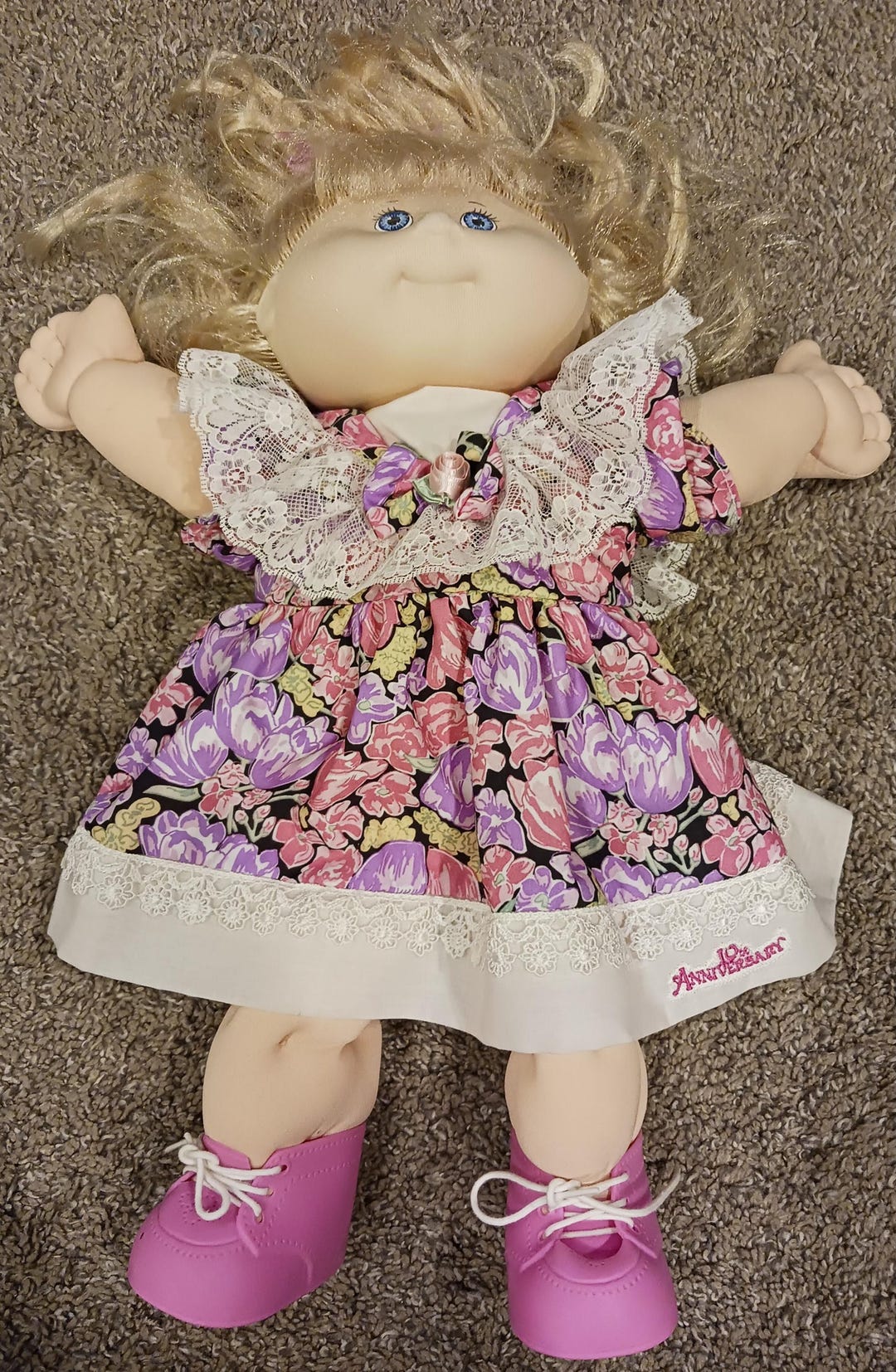
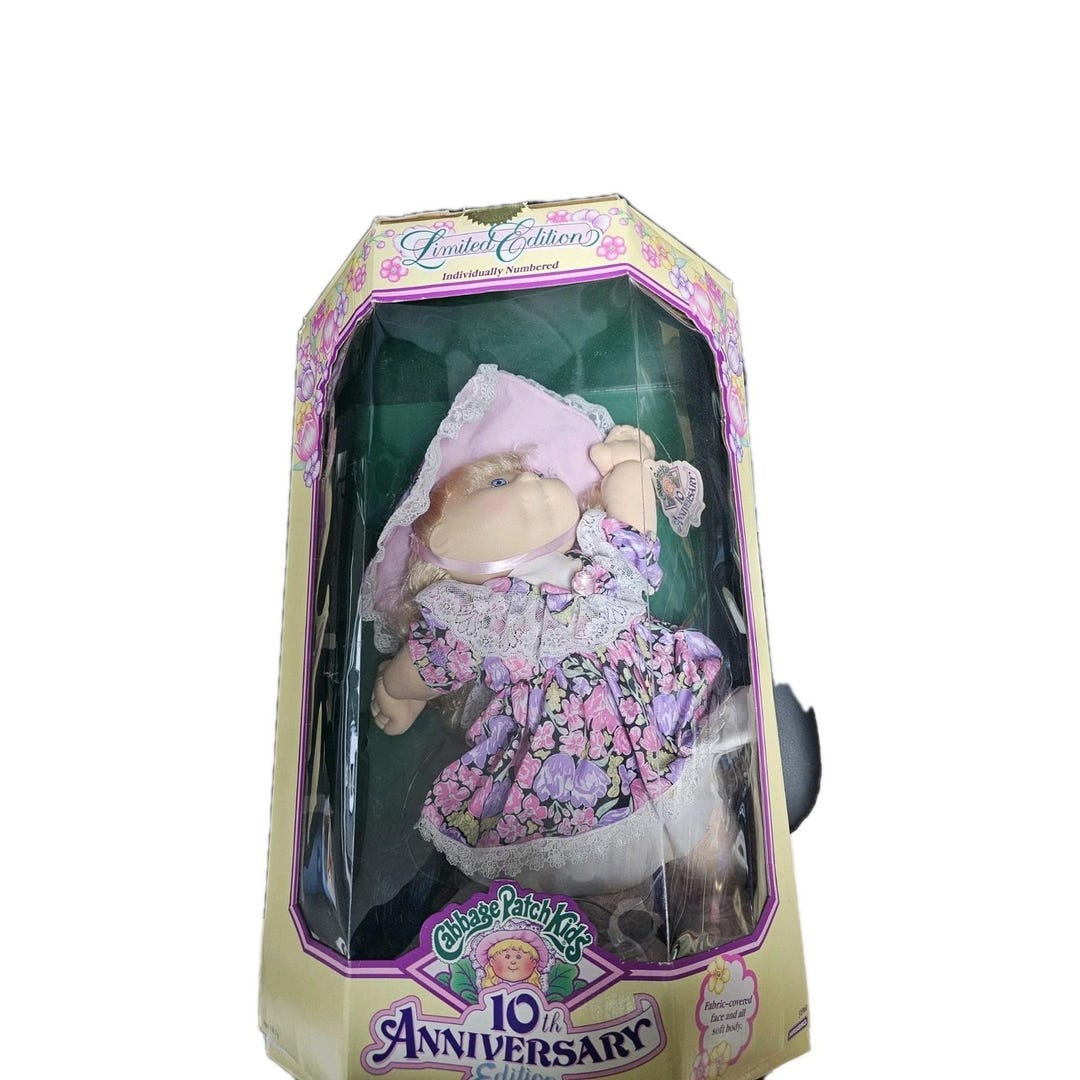
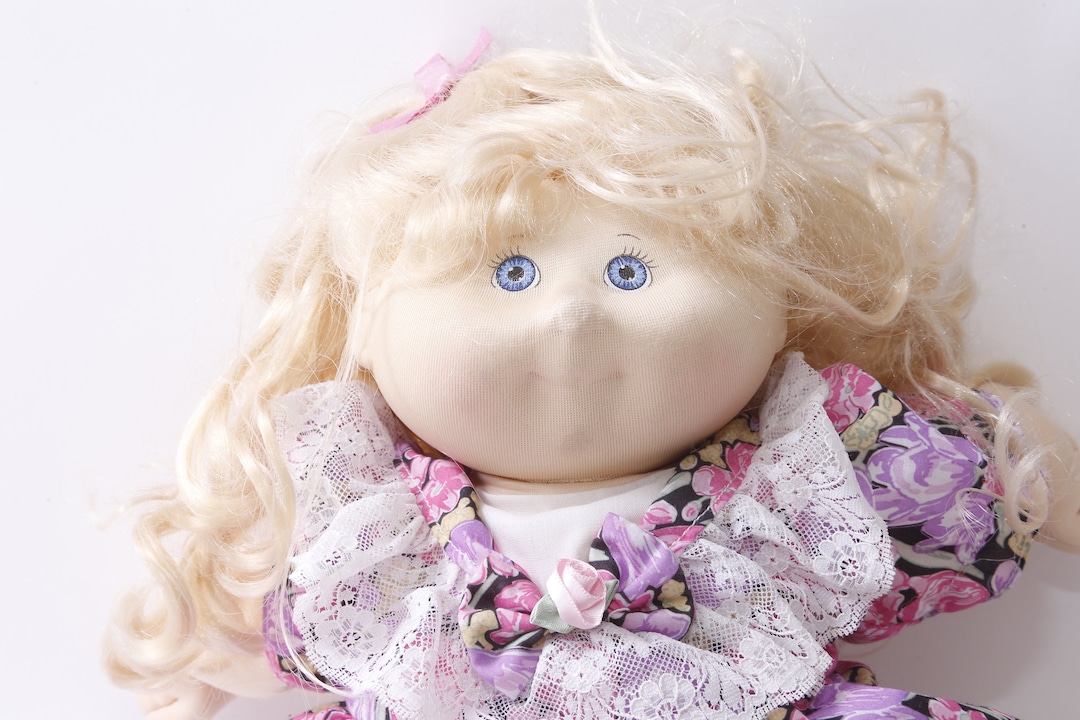
The 10th anniversary Cabbage Patch doll represents a specific milestone release by Original Appalachian Artworks and its manufacturing partners, designed to commemorate a decade of the soft-sculpture phenomenon that defined toy culture in the 1980s. These commemorative editions feature specialized signatures, unique packaging, and distinct wardrobe details that separate them from standard production dolls of the same era.
The Cultural and Historical Context of Cabbage Patch Kids
To understand the significance of a 10th anniversary release, one must examine the meteoric rise of Cabbage Patch Kids in the early 1980s. Created by Xavier Roberts in Cleveland, Georgia, these hand-stitched, soft-sculpted cloth dolls with yarn hair and plastic faces fundamentally changed how the toy industry approached marketing, adoption narratives, and mass-market consumer behavior.
When Coleco Industries acquired the mass-market license and began large-scale production in 1982, they triggered a retail frenzy characterized by holiday-season riots, supply shortages, and widespread cultural saturation. Every doll came with an adoption certificate, birth certificate, and a unique name, establishing an emotional bond between child and toy that was unprecedented for the era. By the time the brand reached its tenth anniversary in the early 1990s, the initial craze had matured into a dedicated collector market, prompting manufacturers to release specialized editions honoring the milestone.
Chronological Placement and Manufacturing Eras
The 10th anniversary of the brand falls specifically around 1992, marking ten years since Coleco began mass production, or alternatively counting from the early handmade 'Little People' creations by Xavier Roberts in the late 1970s. However, official mass-market 10th anniversary editions released by Hasbro—who took over the license following Coleco's financial restructuring—typically align with the 1992-1993 production window.
Navigating the production history requires careful attention to the factory markings, signatures, and body tags. During the 1992 anniversary period, production had shifted significantly from the heavy domestic manufacturing found in the early Coleco years (such as the famous Babyland General Hospital in Cleveland, Georgia, and various licensed factories like Novelty Toy Co. or Pawtucket) toward overseas manufacturing facilities, primarily in China.
Key Markers of 1992 Anniversary Dolls
- Signatures: Xavier Roberts' signature on the doll's left or right buttock changed color over the years. Anniversary editions often feature specific signature colors (such as teal or blue, depending on the exact factory and year) stamped or embroidered rather than printed in the traditional black or green of the peak 1983–1985 era.
- Body Material: By the 10th anniversary, the fabric bodies had undergone subtle texturing changes, moving away from the heavier corded cottons of the early Coleco era to smoother, more standardized synthetic blends.
- Packaging: Anniversary editions were prominently marketed in collector-friendly window boxes featuring explicit "10th Anniversary" branding, metallic foil accents, and commemorative certificates distinct from standard adoption papers.
Identifying Features and Authenticity Verification
For modern collectors and enthusiasts, verifying a 10th anniversary Cabbage Patch doll requires inspecting several physical and documentation-based traits. Counterfeits are rare, but factory variants, replacement clothing, and mismatched adoption papers are common complications in the secondary market.
Physical Anatomy and Facial Sculpting
The facial molds used by 1992 were more refined and uniform than the hand-sculpted, highly variable faces of the 1982-1983 soft-sculpted era. The heads are molded from a hard or semi-flexible vinyl, featuring inset eyes, dimples, and molded ears. Each mold corresponds to a specific head mold number, typically stamped inside the back of the neck or hidden beneath the yarn hair.
The Documentation Suite
An authentic anniversary release typically includes:
- The Official Birth/Adoption Certificate: Unlike standard adoption papers, anniversary certificates often bear special commemorative borders, watermarks, or text noting the ten-year milestone.
- The Trademark Signature: The presence of Xavier Roberts' embroidered or stamped signature on the posterior remains mandatory for authenticity.
- Tag Information: The sewn-in tush tag details the factory code, batch number, and copyright date (reflecting 1992 or the relevant anniversary production year).
Comparing Standard Production and 1992 Anniversary Editions
| Feature | Standard Coleco Era (1983–1984) | 10th Anniversary Edition (1992) |
|---|---|---|
| Primary Manufacturer | Coleco Industries | Hasbro / Mattel (depending on exact sub-line) |
| Primary Production Location | US Factories & Licensed Overseas Plants | International Facilities (Primarily China) |
| Signature Color | Black, Green, or Red (varies by factory) | Blue, Teal, or Specialized Anniversary Hues |
| Packaging Style | Open-face cardboard 'adoption' boxes | Commemorative window boxes with milestone branding |
| Body Tag | Woven fabric with production batch codes | Standardized modern fabric tag with updated copyright |
Valuation, Preservation, and Market Reality
The secondary market for Cabbage Patch Kids has experienced significant shifts since the collector booms of the 1990s. While rare, early 1982-1983 soft-sculpted dolls with signature markings can command high prices, mass-produced 10th anniversary dolls from 1992 generally maintain modest market values.
Factors Influencing Collector Value
- Box Condition: Dolls retained inside their original, unopened 10th anniversary window boxes command a higher tier of value compared to loose dolls. Creased cellophane, crushed cardboard, and sun-faded packaging heavily diminish market appeal.
- Completeness: The presence of the original outfit, shoes, pacifier, and intact adoption certificate is critical. Loose dolls missing their original commemorative garments are treated as standard play-grade items.
- Material Degradation: Vinyl yellowing, yarn hair matting, and foxing (mold spots) on the fabric bodies due to improper humidity storage can permanently devalue a piece.
Preservation Best Practices
If you are storing or displaying a 10th anniversary edition, keep it out of direct sunlight to prevent the vinyl from degrading and the yarn hair from fading. Avoid airtight plastic bags, which can trap moisture and cause fabric degradation; instead, use breathable cotton dust covers or climate-controlled display cases.
Frequently Asked Questions
Are 10th anniversary Cabbage Patch dolls worth a lot of money?
Most opened or loose 10th anniversary dolls hold sentimental value rather than massive monetary worth, usually trading in the modest secondary market range. Mint-in-box specimens with pristine documentation command higher prices among dedicated pop-culture collectors, but they rarely reach the speculative peaks associated with early 1982 original soft-sculpted prototypes.
How can I verify the exact production year of my doll?
Check the sewn-in fabric tag located on the doll's lower back or side seam. This tag lists the factory batch code and copyright dates. Additionally, examine the Xavier Roberts signature stamped on the doll's posterior, which often aligns with specific manufacturing windows and licensing partners.
Did Xavier Roberts personally sign 10th anniversary dolls?
No. By the time the brand reached its 10th anniversary in 1992, Xavier Roberts' signature was factory-printed, stamped, or machine-embroidered onto every doll's posterior. The early practice of hand-signing dolls with a permanent marker ended in the late 1970s and very early 1980s prior to mass-market production by Coleco.
Can I wash a vintage Cabbage Patch doll safely?
Surface cleaning with a damp cloth and mild soap is recommended for vintage vinyl faces and fabric bodies. Immersing the doll in water can rust internal armature components, ruin the cardboard stiffeners inside the feet (if present), and cause the yarn hair to tangle or lose its styling.
Where can I find official adoption papers if mine are missing?
Original replacement paperwork is rarely available from official sources, as Mattel and subsequent brand holders no longer print vintage documentation. Collectors typically rely on community archives, reproduction resources, or accepting the doll as-is for display purposes.