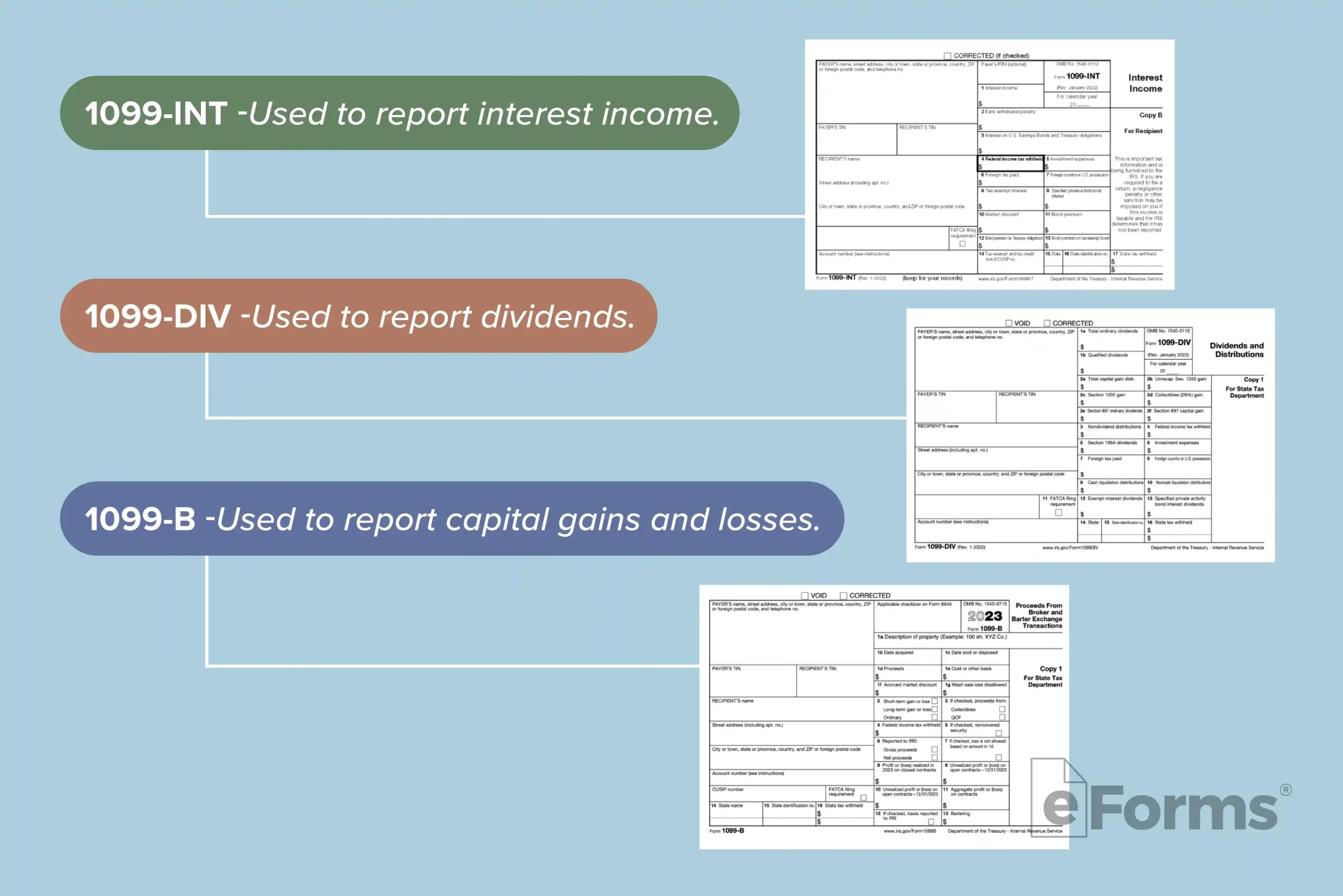
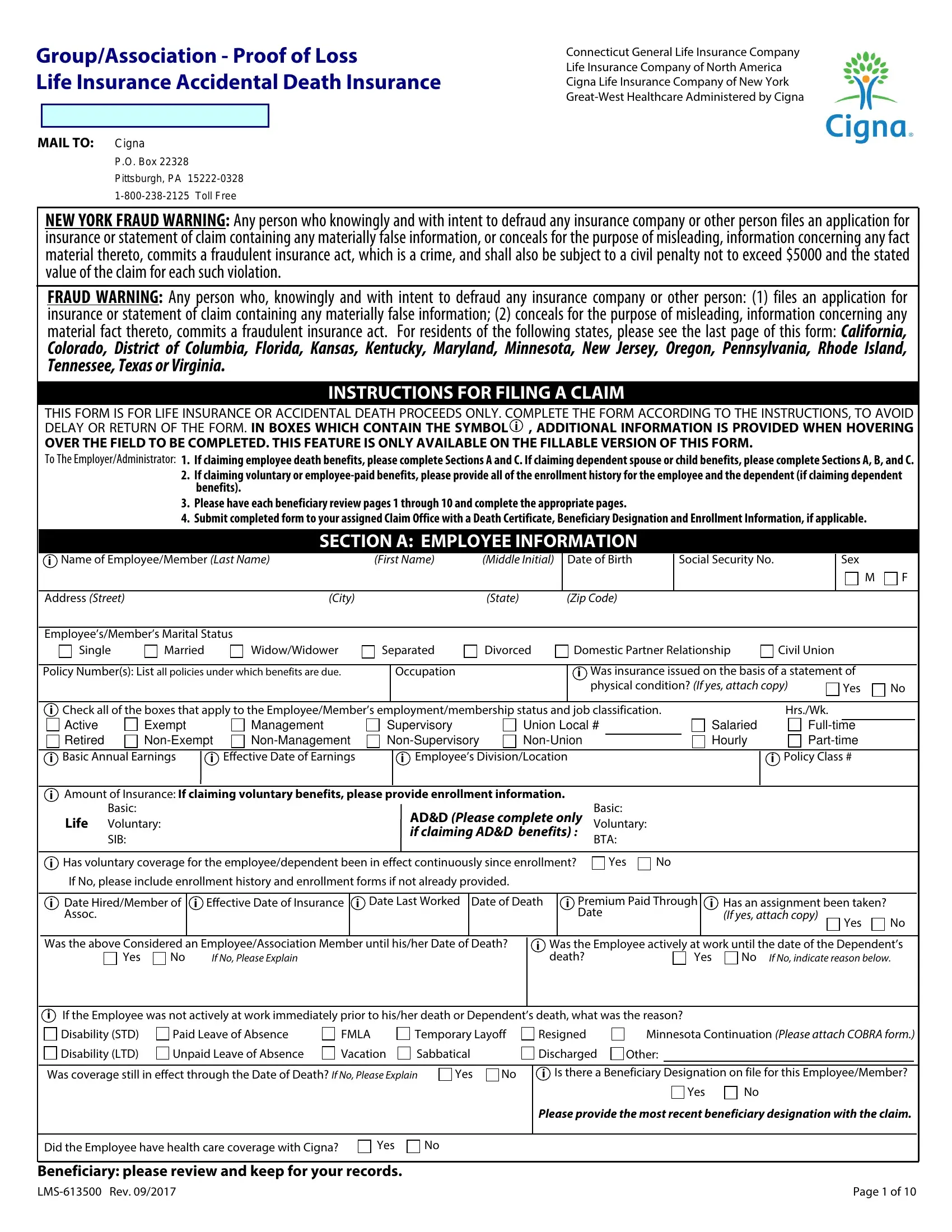
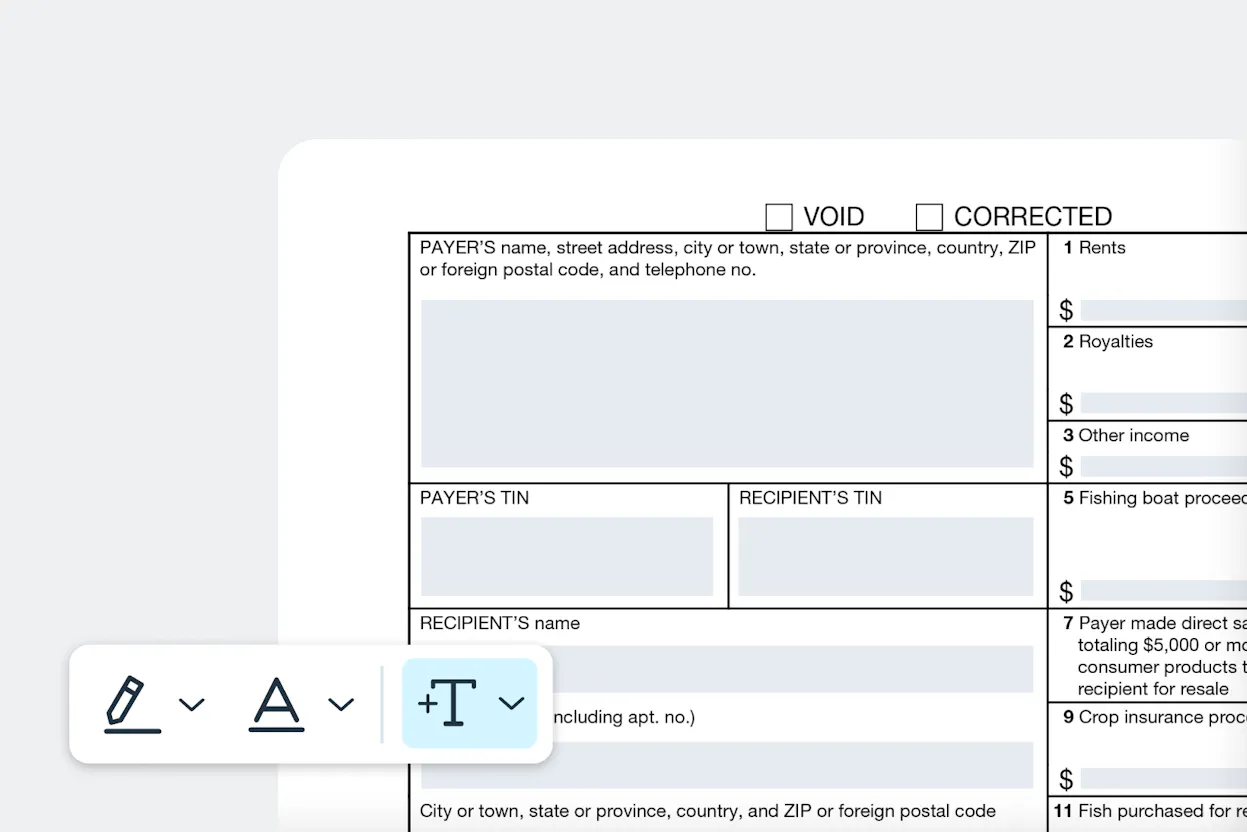
When you cash out a life insurance policy, the financial institution or insurance company often issues an IRS Form 1099-R to report the distribution. This tax document details the gross distribution amount, the taxable portion, and the federal or state income tax withheld, helping both you and the Internal Revenue Service track the tax implications of surrendering or withdrawing cash value from a permanent life insurance contract.
Introduction to Life Insurance Cash-Outs and Form 1099-R
Cashing out a permanent life insurance policy—such as whole life, universal life, or variable life—means you are surrendering the contract in exchange for its accumulated cash surrender value. While term life insurance generally does not build cash value and therefore rarely triggers a tax reporting form, permanent policies function differently. Because these policies can accumulate a cash reserve over decades through premium payments and credited interest or dividends, terminating the contract can result in a taxable event.
The insurance carrier fulfills its reporting obligation to the IRS and to you by issuing Form 1099-R (Distributions From Pensions, Annuities, Retirement or Profit-Sharing Plans, IRAs, Insurance Contracts, etc.). Receiving this form does not automatically mean you owe taxes on the entire check you received. Instead, it serves as the foundational data source for calculating your actual tax liability based on the principle of cost recovery. Understanding how to interpret this document, identify the specific boxes, and report the values accurately on your tax return prevents costly errors and ensures compliance with federal tax guidelines.
How Permanent Life Insurance Builds Cash Value
To understand why a Form 1099-R is issued, it is necessary to examine how cash value accumulates inside a permanent life insurance policy. Unlike term insurance, which provides pure death protection for a specified period, permanent insurance combines a death benefit with a tax-advantaged savings or investment component known as the cash value account.
- Permanent Life Insurance Structure
- Premium Payment
- Insurance Protection Cost
- Administrative Fees
- Cash Value Accumulation
- Premium Payment
When you pay your monthly or annual premium, a portion of the money covers the cost of insurance and administrative expenses. The remainder is allocated to the cash value account, where it grows on a tax-deferred basis. This means you do not pay annual income taxes on the interest, dividends, or capital gains credited to your policy while the money stays inside the contract.
Over time, this cash value grows substantially. Policyholders can access these funds during their lifetimes through policy loans, partial withdrawals, or a complete surrender (cashing out). When you choose a complete surrender, the contract terminates, and the insurer pays out the accumulated cash value minus any outstanding loans, unpaid interest, or surrender charges.
The Mechanics of Form 1099-R: Decoding the Boxes
Form 1099-R contains several numbered boxes that communicate specific financial data to the IRS. If you cash out a life insurance policy, certain boxes carry critical importance for your tax preparation.
Key Boxes on Form 1099-R for Life Insurance
- Box 1 (Gross Distribution): This box shows the total amount of money disbursed to you from the policy before any deductions, fees, or withholding. If you received a check for $25,000 upon surrendering your policy, that figure appears here.
- Box 2a (Taxable Amount): This is the portion of the gross distribution that is subject to federal income tax. For life insurance policies, the taxable amount is generally calculated as the gross distribution minus your cost basis (the total premiums you paid into the policy over its lifetime). If the insurer cannot determine the taxable amount, this box may be left blank, requiring you or your tax professional to calculate it.
- Box 2b (Taxable amount not determined / Total distribution): Checkboxes in this area indicate whether the insurer was unable to calculate the taxable amount or if the payout represents a total distribution.
- Box 4 (Federal income tax withheld): If you requested that the insurance company withhold federal taxes from your payout, the withheld amount appears here. This sum is credited toward your total tax liability for the year.
- Box 7 (Distribution code): This single- or double-character code tells the IRS the reason for the distribution. For life insurance surrenders, codes such as 7 (normal distribution) or 1 (early distribution, though rare for standard life insurance) may appear, though specific codes vary depending on the exact nature of the contract and your age.
Determining Your Cost Basis and Taxable Gain
The central principle governing the taxation of life insurance cash-outs is the cost basis. Your cost basis represents your "investment in the contract," which is essentially the cumulative total of all the premium payments you made out of pocket, minus any prior tax-free withdrawals or dividends you already received.
The Cost Recovery Rule
Under federal tax laws, withdrawals and surrenders follow the cost recovery rule (basis-first recovery) for most life insurance contracts, provided the policy is not classified as a Modified Endowment Contract (MEC):
$$\text{Taxable Gain} = \text{Gross Distribution} - \text{Cost Basis}$$
- If Gross Distribution $\le$ Cost Basis: You are simply getting your own after-tax money back. The distribution is generally tax-free, and Box 2a of your Form 1099-R should show a taxable amount of zero.
- If Gross Distribution $>$ Cost Basis: Any amount exceeding your cost basis represents investment earnings. This excess gain is treated as ordinary income and is taxable at your marginal income tax rate, appearing in Box 2a.
Example Calculation:Imagine you surrender a whole life insurance policy after 20 years. Over that time, you paid a total of $30,000 in premiums (your cost basis). The insurance company sends you a total cash surrender payout of $38,000 after deducting final administrative fees.
- Gross Distribution (Box 1): $38,000
- Cost Basis: $30,000
- Taxable Gain (Box 2a): $8,000
You will pay ordinary income tax only on the $8,000 gain, not on the entire $38,000 check.
Modified Endowment Contracts (MECs) and Different Tax Rules
Not all life insurance policies are taxed under the standard cost recovery rules. If a policy receives too much premium funding too quickly during its first seven years, the IRS reclassifies it as a Modified Endowment Contract (MEC).
| Policy Type | Withdrawal Taxation Rule | Loan Treatment |
|---|---|---|
| Standard Life Insurance | Basis-first (Tax-free until basis is exhausted) | Usually tax-free loans (if policy remains active) |
| Modified Endowment Contract (MEC) | Income-first (LIFO - Last-In, First-Out) | Loans treated as taxable distributions |
When a policy is classified as an MEC, withdrawals and policy loans are subject to LIFO (Last-In, First-Out) accounting. This means any money you take out is considered earnings first and principal last. Consequently, 100% of the withdrawal is taxable as ordinary income until all accumulated earnings are exhausted. Furthermore, if you cash out or take a taxable distribution from an MEC before age $59\frac{1}{2}$, you may also face a 10% IRS penalty on the taxable portion, similar to early withdrawals from a traditional IRA or 401(k). Insurers use specific distribution codes on Form 1099-R to flag MEC status.
Comparing Partial Withdrawals, Policy Loans, and Full Surrenders
Cashing out a policy entirely is only one method of accessing cash value. Policyholders often weigh surrendering against partial withdrawals or taking policy loans. Each option has distinct interactions with tax reporting and Form 1099-R.
1. Partial Withdrawals
Taking a partial withdrawal reduces your cash value and your death benefit. Like a full surrender, a partial withdrawal follows the cost-basis recovery rule for standard policies. If the withdrawal amount stays at or below your cumulative cost basis, it is tax-free, and the insurer may or may not issue a Form 1099-R depending on the carrier's administrative practices, though you remain responsible for tracking your basis.
2. Policy Loans
Borrowing against your cash value is technically a loan extended by the insurance company using your cash value as collateral. Because it is a loan, it is not considered taxable income, and it generally does not trigger a Form 1099-R. However, if you surrender the policy while an outstanding loan balance exists, the IRS treats the forgiven loan amount as part of the total cash distribution. This can create a severe tax trap where your taxable gain is much higher than the cash check you actually receive.
3. Full Surrender
Terminating the contract entirely closes the policy, extinguishes the death benefit, and triggers a final accounting by the insurer, which invariably results in the issuance of Form 1099-R for the tax year in which the surrender occurred.
Step-by-Step Actions: What to Do When You Receive Form 1099-R
Handling Form 1099-R correctly during tax season requires a systematic approach to ensure you report the figures accurately and avoid overpaying taxes.
- Verify the Information: Check your personal details, taxpayer identification number, and the financial figures against the transaction statements provided by the insurance company when you received your payout check.
- Locate Your Cost Basis Records: Retrieve your original policy contract, annual statements, and records of all premium payments made over the life of the policy. If you cannot find your records, contact the insurance carrier's customer service department and request a historical cost basis report.
- Calculate the Taxable Gain: Subtract your total cost basis from the gross distribution listed in Box 1. Compare your result with the figure reported in Box 2a of the form.
- Report on Your Tax Return: If filing using tax software or paper forms (such as IRS Form 1040), enter the gross distribution and the taxable amount onto the designated lines for pensions, annuities, and IRA/insurance contract distributions.
- Retain Supporting Documentation: Keep the Form 1099-R, your premium payment records, and the final surrender confirmation letter from the insurance company in your tax files for at least three years (or longer, depending on state guidelines and IRS audit rules).
Common Mistakes and Troubleshooting
Taxpayers frequently encounter specific pitfalls when dealing with life insurance distributions. Being aware of these issues helps prevent unnecessary complications with the IRS.
- Failing to Report Form 1099-R: The IRS receives a copy of every Form 1099-R issued by insurance companies. Omitting this form from your tax return almost invariably triggers an automated IRS matching notice (CP2000) proposing additional tax, interest, and penalties.
- Assuming the Whole Payout is Taxable: Many taxpayers panic when they see a large gross distribution number in Box 1, assuming they must pay income tax on the entire check. Remember that you only pay tax on the earnings (Box 2a), not on the premiums you already paid with after-tax dollars.
- Ignoring Outstanding Policy Loans: If your policy had an outstanding loan when you surrendered it, the insurer includes that loan balance in the gross distribution calculation (Box 1). Ignoring this can lead to severe underreporting of your taxable gain.
- Missing Box 2a Calculations: If Box 2a is blank, do not simply enter zero or the full Box 1 amount without verifying your cost basis. Contact the insurer or consult a certified public accountant (CPA) to establish the correct taxable gain.
Frequently Asked Questions
Do I have to pay taxes when I cash out a life insurance policy?
You only pay taxes if the total cash payout exceeds your cost basis (the total amount of premiums you paid into the policy). If your payout is less than or equal to your cost basis, there is no taxable gain, and the distribution is tax-free. If there is a gain, it is taxed as ordinary income.
What should I do if Box 2a on my Form 1099-R is blank?
A blank Box 2a usually means the insurance company did not track your cost basis or was not required to calculate it. You must determine your cost basis by reviewing your historical premium payment records. Subtract that basis from the gross distribution in Box 1 to find your taxable gain, and report that calculated amount on your tax return.
Will I receive a Form 1099-R if I take a policy loan instead of cashing out?
Generally, no. Taking a loan against your life insurance cash value is treated as debt rather than a distribution, so it does not trigger a Form 1099-R. However, if you later let the policy lapse or surrender it with an unpaid loan balance, the forgiven loan is factored into the final surrender distribution and will be reported on a Form 1099-R for that year.
Are the proceeds from a life insurance cash-out subject to self-employment tax?
No. Life insurance cash values and accumulated earnings are treated as investment or ordinary income depending on the contract structure, but they are not earned income from a trade or business. Therefore, they are exempt from self-employment taxes (Social Security and Medicare taxes).
What is the penalty for cashing out a life insurance policy early?
Standard permanent life insurance policies do not carry an IRS early withdrawal penalty, regardless of your age when you cash them out. However, if your policy is classified as a Modified Endowment Contract (MEC) due to overfunding, withdrawals taken before age $59\frac{1}{2}$ may incur a 10% IRS penalty on the taxable earnings portion in addition to ordinary income tax. Furthermore, early surrenders often trigger high surrender charges imposed directly by the insurance company.
Next Actions and Professional Guidance
Cashing out a life insurance policy permanently alters your financial and estate planning safety net. Beyond managing the tax implications reflected on Form 1099-R, evaluate whether you still require life insurance coverage to protect dependents or cover final expenses. If tax calculations appear complex—particularly regarding older policies with fluctuating dividends, MEC status, or outstanding loans—consult a qualified tax professional, certified financial planner (CFP), or CPA before filing your return to ensure absolute accuracy.