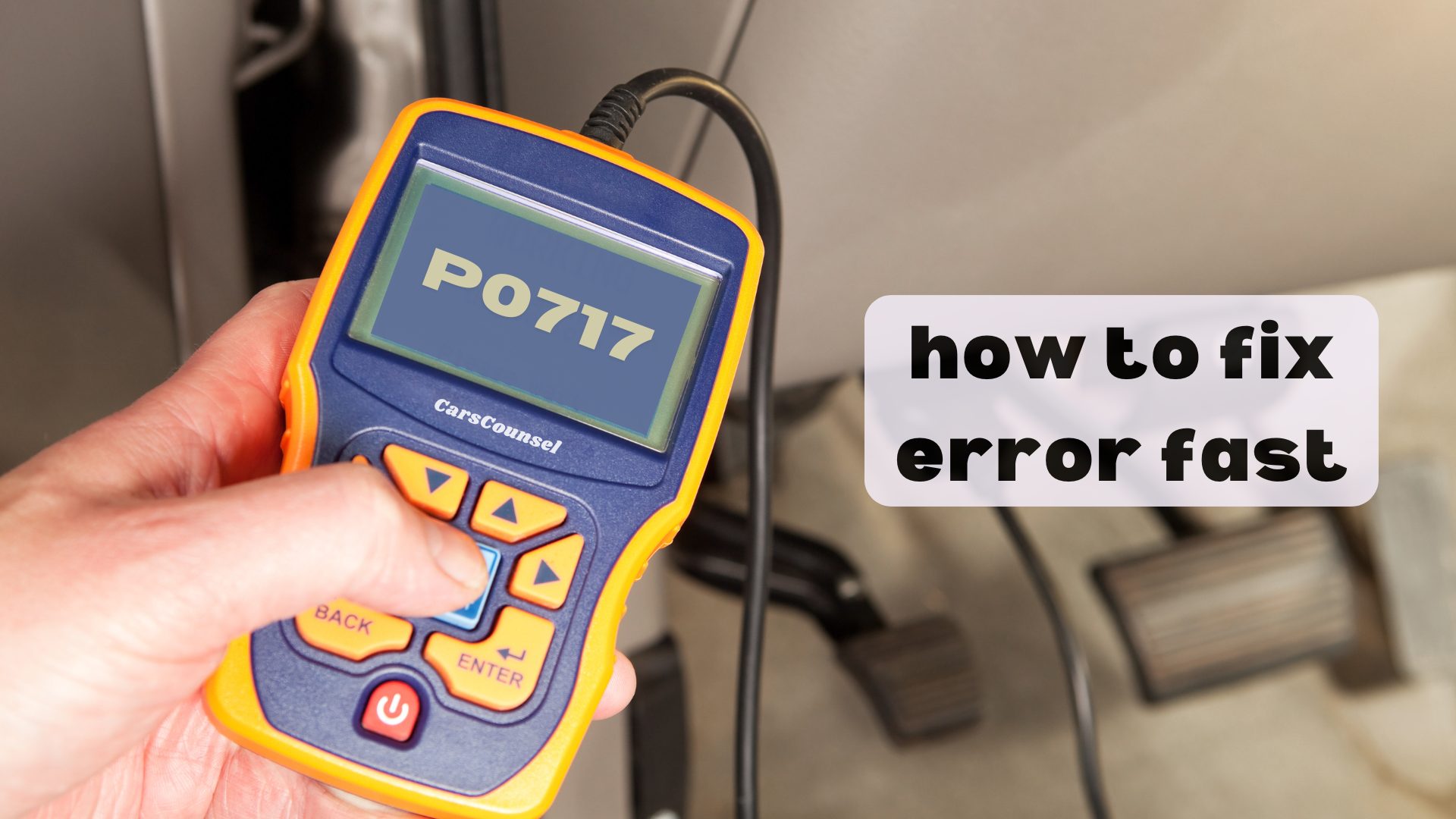
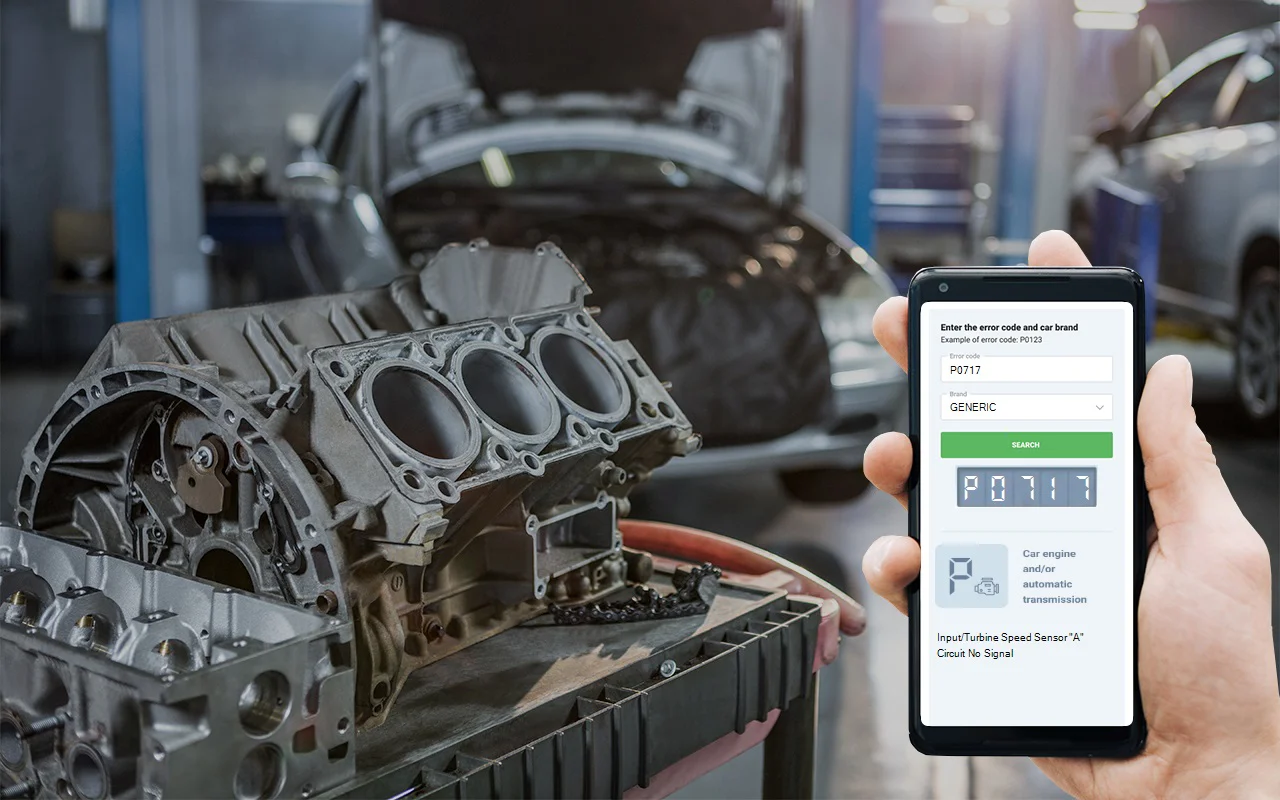
The Nissan Diagnostic Trouble Code (DTC) P0717 indicates that the Powertrain Control Module is failing to receive a proper electrical signal from the Turbine Speed Sensor A, which is a critical internal component responsible for measuring the rotational input speed of the transmission. When this circuit fails or drops out completely, the vehicle often enters a protective fail-safe mode—commonly referred to as "limp mode"—leading to sluggish acceleration, erratic shifting, and an illuminated Check Engine Light.
Understanding the underlying mechanics of modern automatic transmissions, particularly the Electronic Continuously Variable Transmissions (CVTs) found in millions of modern Nissan models, requires looking past a simple generic OBD-II definition. This guide explores the engineering function of the turbine speed sensor, maps out the precise symptoms associated with code P0717, details step-by-step diagnostic procedures, and reviews realistic repair costs and strategies to resolve the issue permanently.
Understanding the Nissan Turbine Speed Sensor A Circuit
To fully comprehend why code P0717 triggers, you must first understand the role of the turbine speed sensor within a Nissan powertrain. In automatic transmissions and CVTs, the turbine shaft connects the torque converter turbine (or primary pulley assembly in a CVT) to the rest of the geartrain. The Turbine Speed Sensor A (often designated as Input Speed Sensor A) monitors how fast this shaft is spinning.
The Powertrain Control Module (PCM) or Transmission Control Module (TCM) relies on this data for several critical calculations:
- Determining optimal gear ratios or pulley clamping pressures.
- Regulating line pressure to ensure smooth, clutch-pack engagement without slipping.
- Synchronizing engine RPM with transmission input speed to manage torque converter lock-up clutch operation.
When code P0717 sets, it specifically points to a "circuit no signal" condition for Input/Turbine Speed Sensor A. This means the computer is receiving zero pulses from the sensor while the vehicle is in motion, or the circuit experiences a permanent open or short. Because the TCM cannot calculate the slip ratio or input speed, it immediately restricts transmission operations to protect internal mechanical components from catastrophic damage.
Common Symptoms of Nissan P0717
Because the turbine speed sensor is vital to normal transmission operation, its failure manifests through several distinct and noticeable driving symptoms. Drivers rarely experience a P0717 code without accompanying mechanical feedback.
- Check Engine Light and Service Engine Soon: The most immediate indicator is an illuminated dashboard warning light. Depending on the specific Nissan model year, the TCM may also log pending or active transmission-specific codes that do not always illuminate the standard check engine light immediately.
- Limp Mode (Fail-Safe Operation): To prevent internal damage, the TCM locks the transmission into a single forward gear (usually a fixed high ratio or a default low ratio). The vehicle will feel extremely sluggish from a stop and will struggle to accelerate past moderate highway speeds without revving the engine excessively.
- Harsh Engagement or Slamming: When shifting the vehicle into Reverse (R) or Drive (D), you may experience a harsh, heavy clunk or jolt. This happens because the TCM defaults to maximum hydraulic line pressure in the absence of sensor data.
- Inaccurate or Dead Speedometer / Tachometer Fluctuations: While vehicle speed is typically measured by output speed sensors (such as P0720), erratic transmission behavior can sometimes cause cascading data anomalies across the instrument cluster.
- Failure to Shift or Stuck in Gear: Traditional automatic transmissions may refuse to upshift. CVTs may freeze the primary and secondary pulley ratios, eliminating the seamless ratio sweeping characteristic of belt-driven systems.
Primary Causes of the P0717 Trouble Code
Pinpointing the root cause requires evaluating both electrical and mechanical possibilities. While the sensor itself is a frequent failure point, external wiring and internal transmission health also play massive roles.
| Cause Category | Specific Component or Condition |
|---|---|
| Electrical / Sensor | Internal sensor coil failure |
| Wiring / Harness | Chafed wires, loose connector pins |
| Hydraulic / Fluid | Metallic debris bridging sensor tip |
| Control Module | Internal TCM solder or board failure |
1. Defective Turbine Speed Sensor A
Over thousands of miles of operation, the internal magnetic windings of the speed sensor can degrade due to continuous thermal cycling and fluid exposure. When the internal coil opens or shorts, the sensor stops generating the alternating current (AC) or digital square-wave pulse required by the TCM.
2. Wiring Harness and Connector Issues
Nissan vehicles utilize extensive wiring harnesses running from the engine bay down to the transmission housing. These harnesses are exposed to extreme heat, vibration, and road debris. Common faults include:
- Corrosion or moisture intrusion inside the multi-pin transmission connector.
- Frayed, stretched, or heat-damaged wires leading from the sensor to the TCM.
- Loose terminal pins that fail to maintain continuous electrical contact under vibration.
3. Accumulated Metallic Debris on the Sensor Tip
Turbine speed sensors operate via magnetic induction, utilizing a permanent magnet that detects passing metal gear teeth or target rotors. Over time, normal wear of internal clutches and gears creates microscopic metallic shavings in the transmission fluid. These shavings collect directly on the magnetic tip of the speed sensor, distorting or completely blocking the magnetic field and rendering the sensor incapable of reading shaft rotation.
4. Internal Transmission or Valve Body Failure
In severe cases, a P0717 code can be a symptom of a deeper mechanical failure. If internal bushings fail, shafts wobble, or the valve body suffers from severe pressure drops, the input components may not rotate correctly, or internal pressure loss can trigger secondary electronic codes that manifest alongside the speed sensor fault.
Step-by-Step Diagnostic Procedure
Diagnosing a Nissan P0717 code systematically prevents unnecessary parts-changing and saves hundreds of dollars in repair bills.
Step 1: Scan and Record All Diagnostic Trouble Codes
Connect an advanced OBD-II scanner capable of reading manufacturer-specific transmission (U and P) codes. Note whether P0717 is active or stored. Check for companion codes such as P0715 (Turbine/Input Shaft Speed Sensor Circuit Malfunction), P0720 (Output Speed Sensor), or low system voltage codes, which can help isolate a broader electrical problem.
Step 2: Inspect Transmission Fluid Condition
Pull the transmission dipstick (or check the fill plug on sealed CVT units). Inspect the color, smell, and texture of the fluid:
- Healthy Fluid: Bright cherry-red or translucent amber with no burnt odor.
- Degraded Fluid: Dark brown or black with a strong burnt odor, indicating slipping clutches or extreme heat.
- Contaminated Fluid: Presence of excessive metallic flakes or glittering sediment on the dipstick or drain plug magnet, pointing toward major internal mechanical failure.
Step 3: Locate and Inspect the Sensor Wiring
Raise the vehicle safely on a lift or jack stands. Locate the transmission input/turbine speed sensor. On modern Nissan CVTs (such as the RE0F10A/JF011E or RE0F11A units), sensors are typically mounted externally on the transmission case or internally on the valve body harness, depending on the exact model year.
- Disconnect the wiring harness connector.
- Inspect for transmission fluid leaks inside the connector plug (a common sign of internal sensor seal failure).
- Check for corrosion, bent pins, or exposed copper wiring. Clean any contaminated terminals with electrical contact cleaner.
Step 4: Perform Resistance and Voltage Testing
Using a digital multimeter set to ohms ($\Omega$), measure the internal resistance across the terminals of the turbine speed sensor (consult your specific Nissan factory service manual for exact manufacturer specifications, typically ranging between several hundred to a few thousand ohms).
- An infinite resistance reading (OL) indicates an internal open circuit.
- A zero resistance reading indicates a short circuit.
- Next, back-probe the harness connector with the ignition on to verify that the TCM is supplying the correct reference voltage and ground path.
Repair Options and Estimated Costs
Once the diagnostic phase isolates the exact point of failure, you can choose from several repair strategies. Costs vary based on whether you perform the work independently or utilize a professional service center.
| Repair Action | Description | Estimated Parts Cost | Estimated Labor Cost |
|---|---|---|---|
| Wiring Harness Repair | Cleaning corroded pins, repairing spliced or chafed wires. | $10 – $30 | $100 – $250 |
| Speed Sensor Replacement | Swapping out the failed external turbine speed sensor. | $50 – $150 | $150 – $300 |
| Valve Body / Internal Harness | Replacing internal wiring harnesses or valve body assemblies (if sensors are internal). | $250 – $700 | $400 – $900 |
| Complete Transmission Remanufacturing | Required if metallic debris has destroyed internal pulleys and belt. | $3,000 – $5,500 | $1,200 – $2,500 |
Disclaimer: Repair costs fluctuate based on geographic location, labor rates, and whether the vehicle is serviced at an independent specialist shop or a certified dealership.
Prevention and Maintenance Best Practices
Because transmission electronic failures in modern vehicles are heavily influenced by fluid health and thermal stress, proactive maintenance significantly reduces the likelihood of encountering code P0717.
- Regular CVT Fluid Changes: Nissan traditionally marketed many CVT systems as "lifetime fluid," but real-world driving conditions demand regular service. Change your Nissan NS-2 or NS-3 CVT fluid every 30,000 to 45,000 miles to remove suspended wear metals before they accumulate on magnetic sensors.
- Monitor Transmission Operating Temperatures: Overheating is the primary killer of Nissan automatic and CVT transmissions. Ensure your auxiliary transmission oil cooler (if equipped) remains unblocked by road debris, and inspect your radiator core regularly.
- Address Electrical Gremlins Early: A weak car battery or failing alternator causes voltage fluctuations across the CAN bus and TCM. Keeping your charging system in top condition protects sensitive transmission sensors from erratic signal drops.
Frequently Asked Questions
Can I drive my Nissan with code P0717?
Driving with an active P0717 code is strongly discouraged. Because the vehicle defaults to limp mode, you will experience compromised acceleration, restricted highway speeds, and potentially erratic shifting behavior that creates a hazard in fast-moving traffic. Continued driving can also overheat the transmission or cause further internal damage if fluid pressure is unregulated.
Is the turbine speed sensor covered under Nissan warranty?
In many cases, Nissan extended warranties or powertrain warranties cover transmission components, including speed sensors and control modules. Notably, Nissan extended the CVT warranty on millions of 2010–2018 vehicles to 10 years or 120,000 miles. Check your vehicle's specific VIN eligibility with a local authorized Nissan dealer before paying out-of-pocket for repairs.
What is the difference between P0715 and P0717?
Code P0715 indicates a general electrical malfunction or performance issue within the Input/Turbine Speed Sensor A circuit. Code P0717 is more specific, indicating that the circuit has completely lost signal ("no signal" input). Both codes point to the exact same physical sensor loop but represent different failure thresholds detected by the TCM.
Can a bad battery cause code P0717 to trigger?
Yes. Low system voltage caused by a failing battery, corroded battery terminals, or a weak alternator can cause the Transmission Control Module to experience communication dropouts or fail to supply proper reference voltage to sensitive speed sensors, triggering false or intermittent P0717 codes.
Do I need to reprogram the TCM after replacing the speed sensor?
For most standard external speed sensor replacements on Nissan models, reprogramming or flashing the TCM is not required. The computer will automatically recognize the new sensor signal once cleared with an OBD-II scanner. However, if the entire valve body or TCM assembly requires replacement, programming calibration matching your specific VIN is mandatory.
Conclusion and Next Actions
Encountering a P0717 diagnostic trouble code on your Nissan can be stressful, but it provides a specific roadmap for troubleshooting rather than an immediate death sentence for your transmission. Begin your diagnostic process by scanning all codes, inspecting fluid condition, and verifying the integrity of the sensor wiring and connector pins. Addressing wiring faults or replacing a faulty turbine speed sensor early restores normal operation, clears the dashboard warning lights, and protects your transmission from permanent mechanical failure.