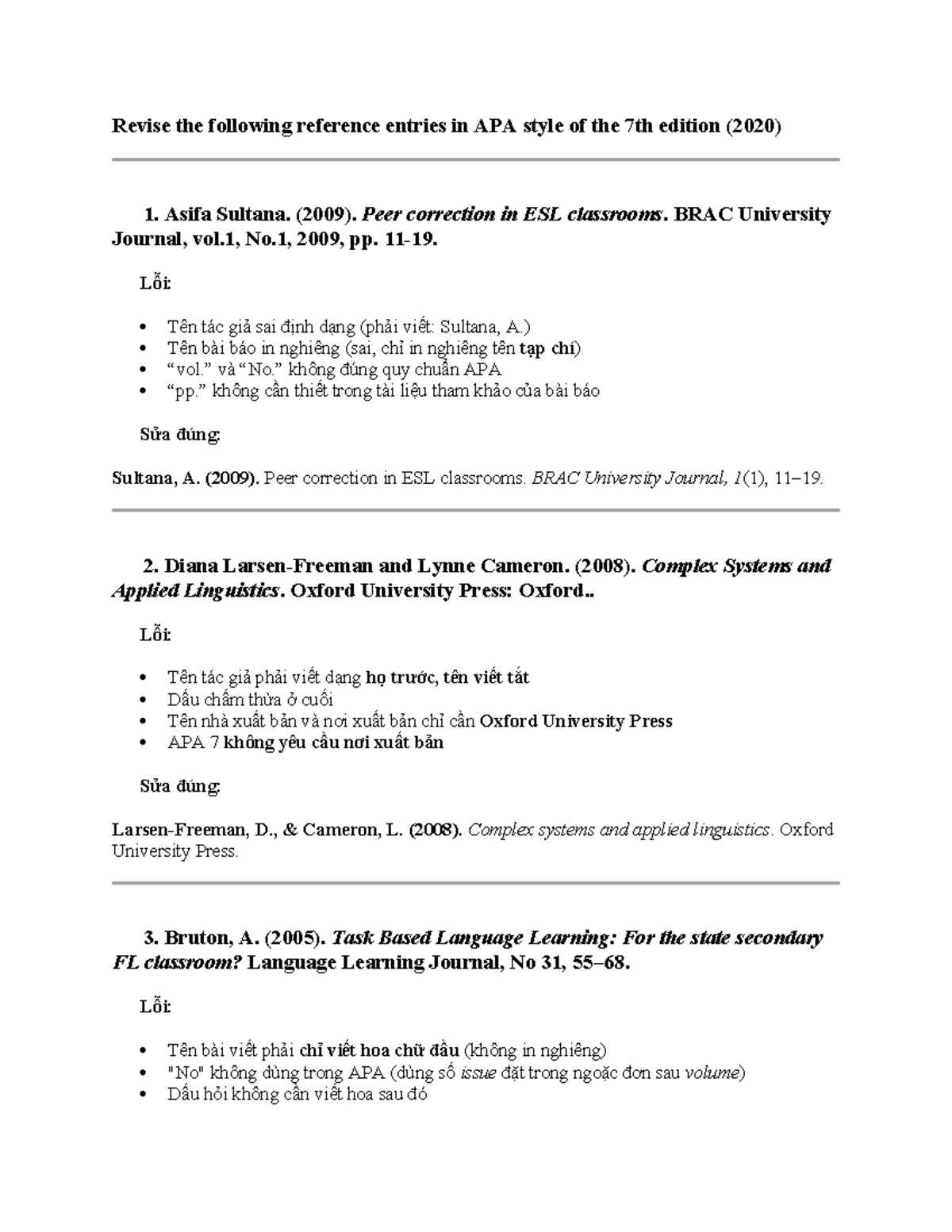
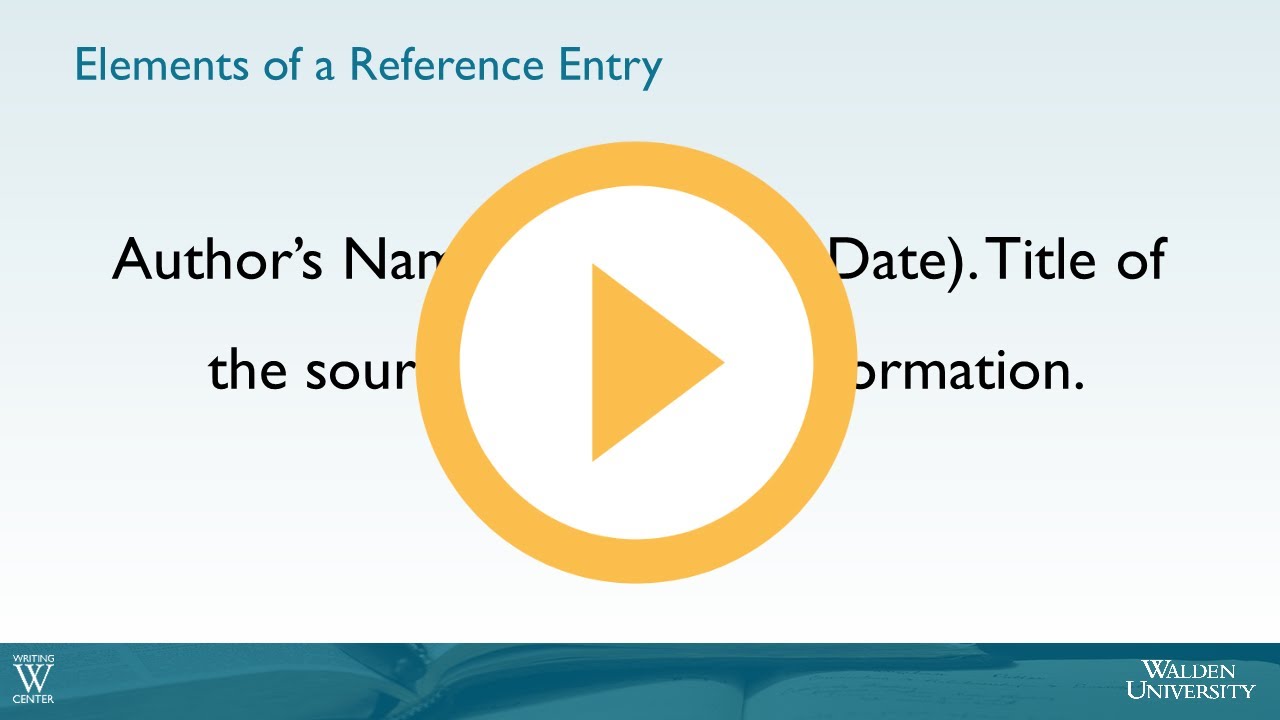
In cross-reference systems, puzzle databases, and technical indexing, strings like "10 letter i2o5 a reference entry" often appear as compound queries representing a specific length constraint and a coded or alphanumeric token. A ten-letter entry paired with an identifier such as "i2o5" typically points to specialized terminology, database keys, crossword solutions, or structured cryptographic references. Resolving this query requires examining how alphanumeric strings function within reference architectures, how character-count constraints shape data retrieval, and where such entries appear in professional and recreational databases.
Deconstructing the Alphanumeric Reference Entry
Alphanumeric reference entries combine letters and numerals to create unique identifiers, compact hashes, or structured lookup keys. In the context of "i2o5," the mix of alphabetic characters and numbers suggests a condensed token, a chemical formula variant, or an obfuscated database index. When a search query specifies a length—such as a ten-letter constraint—it frequently mirrors the mechanics of crossword puzzles, word games, or database schema field validations where a fixed-width string is mandatory.
Understanding these entries requires separating the structural components from the semantic meaning:
- The Length Constraint: A ten-letter parameter narrows down potential matches in a dictionary, lexicon, or structured index, filtering out entries that do not meet the exact character boundary.
- The Token Identifier ("i2o5"): This segment acts as a key, anchor, or hint within a specific dataset. Depending on the industry, it may reference a specific version, a localized node, or a coded translation of a term.
- The Reference Framework: Reference entries rely on standardized indexing so that users or automated systems can retrieve precise data without ambiguity.
The Role of Length Constraints in Lexical and Database Searches
Length constraints are foundational to both digital database architecture and linguistic puzzles. In relational databases, fields are often defined with strict character limits to optimize storage and indexing speeds. Similarly, in lexical analysis and word games, constraints dictate valid solutions.
Database Indexing and Fixed-Width Fields
When developers design database schemas, they frequently implement fixed-length or variable-length character fields (such as VARCHAR or CHAR types). A ten-character limit ensures uniformity across primary and secondary keys. If "i2o5" or its associated ten-letter expansion serves as a foreign key or lookup hash, the system evaluates the string against indexed rows to return the correct metadata.
Crossword Puzzles and Word Games
In recreational linguistics, queries specifying a exact character count usually originate from solvers seeking a missing word. A ten-letter entry must align with intersecting clues in a grid. When an alphanumeric tag accompanies the prompt, it usually indicates a specific clue category, puzzle ID, or digital archive categorization code used by publishers to track entries.
Comparative Analysis of Reference Entry Systems
Different domains handle alphanumeric and length-restricted entries through varying standards. The table below outlines how different systems process and categorize structured reference entries.
| System Type | Primary Purpose | Handling of Length Constraints | Alphanumeric Token Function |
|---|---|---|---|
| Relational Databases | Data integrity and fast retrieval | Strict enforcement (CHAR(10)) |
Unique row identification or hash storage |
| Lexical Databases | Word search and linguistic analysis | Dynamic filtering by character length | Categorization, phonetic indexing, or etymological grouping |
| Crossword Archives | Puzzle construction and solution lookup | Exact grid-slot matching (e.g., 10 letters) | Clue identifier, puzzle number, or database key |
| Technical Documentation | Standardized part or section tracking | Standardized nomenclature formatting | Version control, module identification, or part numbering |
Evaluating Ambiguity in Coded Reference Strings
Alphanumeric queries can sometimes yield multiple interpretations depending on the user's intent. Resolving ambiguity requires evaluating the surrounding context:
- Linguistic Context: If the entry belongs to a word list, dictionary, or puzzle database, the focus rests entirely on vocabulary matching and character counts.
- Technical Context: If the string relates to engineering, software logs, or chemical indexing (such as variations of molecular formulas or system IDs), the focus shifts to data validation and specification sheets.
When a query combines a descriptive phrase ("a reference entry") with a structural constraint ("10 letter") and a specific token ("i2o5"), it generally points to a specific index lookup where human solvers or automated scrapers are attempting to match an obscure data point to a verified record.
Best Practices for Querying Structured Reference Data
When searching for or managing fixed-length alphanumeric reference entries, adhering to structured search strategies ensures accuracy and prevents mismatched results.
- Verify Character Counts: Always count spaces, hyphens, and special characters, as different databases handle whitespace differently.
- Check Case Sensitivity: Alphanumeric keys in technical databases are frequently case-sensitive, whereas lexical databases usually normalize text to lowercase.
- Consult Authoritative Indexes: When dealing with technical tokens, rely on official documentation, API schemas, or verified database dictionaries rather than generalized search engines.
- Utilize Wildcard Searches: If a token is partially known, use standard database wildcards (such as underscores for single characters or percent signs for multiple characters) to isolate the correct entry.
Frequently Asked Questions
What does a character-length constraint mean in a reference entry?
A character-length constraint specifies the exact number of characters a valid entry must contain. In databases, this ensures data integrity and formatting consistency; in word games and puzzles, it ensures the entry fits within a designated grid or slot.
Why do alphanumeric tokens like i2o5 appear in search queries?
Alphanumeric tokens typically act as unique identifiers, database keys, or classification codes. They help systems and users pinpoint an exact record within a large, indexed repository without relying solely on natural language.
How are reference entries indexed in digital databases?
Reference entries are indexed using specialized data structures such as B-trees or hash indexes. These structures allow algorithms to locate a specific ten-letter string or alphanumeric token across millions of records with minimal computational delay.
Are character limits strictly enforced in modern database systems?
Yes, relational database management systems strictly enforce defined length limits. If an input exceeds the designated character limit or fails to meet the schema requirements, the database engine returns an error or truncates the data depending on configuration settings.
What should I do if a reference entry yields no search results?
If an exact string lookup fails, check for typos, verify case sensitivity, remove or include special characters, and confirm whether the database requires a specific prefix or padding for shorter strings.
Conclusion and Next Actions
Navigating structured queries involving length constraints and alphanumeric tokens requires a methodical approach to database indexing and lexical rules. To resolve a specific lookup, verify the exact character count, check the operational context of the token, and cross-reference the entry against authoritative documentation or specialized databases. Ensure that any data input or search parameter matches the formatting requirements of the target system to secure accurate, reliable results.