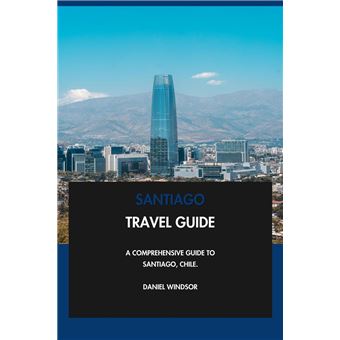
Navigating Santiago, Chile, requires a blend of logistical preparation and cultural awareness to fully enjoy the city's unique geography and urban landscape. To ensure a productive visit in 2026, travelers should prioritize securing a Bip! card for public transit, understanding local safety norms, respecting afternoon business schedules, and planning excursions around the city’s distinct seasonal climate.
1. Mastering the Bip! Card System
Public transportation in Santiago is anchored by the Transantiago network, which integrates an extensive metro system with a fleet of modern buses. The cornerstone of this system is the Bip! card, a rechargeable plastic card required for all transit entry. You cannot pay with cash on buses or at turnstiles.
Upon arrival, purchase your Bip! card at any metro station ticket office or designated kiosk. It is a contactless payment method; simply tap your card on the reader when entering the bus or passing through the metro gates. For 2026 travelers, note that while some digital apps are being trialed, the physical card remains the most reliable and universally accepted method. Keep it topped up at "Carga Bip!" signs found in most metro stations and neighborhood convenience stores to avoid delays during rush hour.
2. Navigating the Schedule of "Siesta" and Business Hours
While Santiago is a bustling, modern metropolis, many local businesses—particularly outside of the major commercial hubs like Las Condes or Providencia—still adhere to a traditional midday break. Shops may close between 2:00 PM and 4:00 PM.
Conversely, dinner culture in Santiago starts late by international standards. If you arrive at a restaurant at 7:00 PM, you will likely find it empty. Prime dining time typically begins after 8:30 PM, and on weekends, many locals do not dine until 9:30 PM or later. Adjusting your internal clock to these timings will ensure you are in sync with the city’s vibrant social rhythm and avoid the frustration of arriving at closed storefronts or empty dining rooms.
3. Safety Precautions and Urban Awareness
Santiago is generally considered one of the safer capital cities in Latin America; however, it is not immune to petty crime. Pickpocketing is a primary concern in high-traffic tourist zones, specifically around the Plaza de Armas, the Bellavista neighborhood, and inside crowded metro cars.
Practice standard urban vigilance: keep bags zipped and in front of your body, and avoid displaying expensive electronics or jewelry in public. When using ride-sharing apps—which are highly regulated and generally safer than street-hauling taxis—always verify the license plate and driver’s identity through the app before entering the vehicle. At night, stick to well-lit main streets and avoid walking alone through secluded park areas after dark.
4. Understanding Chile’s Tipping Culture
Tipping is not strictly mandatory, but it is a deeply ingrained social expectation in the Chilean hospitality industry. In sit-down restaurants, the standard practice is to add a propina (tip) of 10% to the bill.
Most establishments will present the bill and explicitly ask, "¿Desea incluir el 10%?" (Would you like to include the 10%?). It is polite and expected to say yes. While the 10% is usually sufficient, you may add a few extra coins for exceptional service. Note that in fast-food establishments or cafes where you order at the counter, tipping is not required, though some will have a tip jar for spare change.
5. Staying Hydrated and Managing Altitude
Santiago is located in a valley surrounded by the Andes Mountains, leading to a semi-arid Mediterranean climate. Air quality can fluctuate, especially in the winter months (June to August) due to thermal inversions that trap smog in the valley.
If you have respiratory sensitivities, check the local air quality index before planning strenuous outdoor activities during the winter. Furthermore, if your itinerary includes day trips into the nearby Andes for skiing or hiking, be aware of the sudden change in altitude. Drink significantly more water than you do at home to prevent dehydration, and consider local remedies like coca tea if you find yourself sensitive to elevation gains exceeding 2,500 meters.
6. Utilizing Authorized Taxis and Ride-Shares
Travelers often face confusion regarding transportation from Arturo Merino Benítez International Airport (SCL). For your own safety and budget protection, avoid accepting offers from unauthorized individuals approaching you in the arrivals hall.
Always head to the official taxi counters located inside the terminal. Official airport taxis (often blue or black) operate with fixed rates to various communes of the city. Alternatively, ride-sharing applications are permitted to pick up passengers at the airport, though they have designated meeting points outside the main terminal. Confirm your location via the app before exiting the building to avoid unnecessary searching in the crowded pickup area.
7. Language and Communication Basics
Spanish is the official language of Chile, and while English is widely spoken in upscale hotels, tourist centers, and by younger generations in business districts, it is not the universal language of the city.
Learning a few basic phrases will significantly improve your experience. Beyond standard Spanish, Chilean Spanish—known as Chilenismos—features a unique cadence and local slang. You may find that locals speak quickly and swallow the ends of words, a hallmark of the regional dialect. A polite "Buenos días" or "Muchas gracias" goes a long way in fostering a positive interaction with service staff and locals. Carry a translation app, but do not rely on it exclusively; a smile and basic vocabulary are often more effective.
8. Managing Currency and Payments
The currency in Chile is the Chilean Peso (CLP). While many businesses accept international credit cards (Visa and Mastercard are most common), you will need cash for small purchases, street markets, and public transit.
In 2026, contactless credit card payments are widely accepted at most retail outlets. However, always carry a small amount of cash for emergency scenarios. Use ATMs located inside banks rather than those on the street to mitigate the risk of card skimming. If you plan to withdraw cash, notify your home bank of your travel dates to avoid having your card blocked due to suspicious activity.
9. Essential Planning for Day Trips
Santiago serves as a perfect hub for exploring other regions of Chile. Because the city is centrally located, you can easily reach the coastal cities of Valparaíso and Viña del Mar, or the world-renowned wine valleys (such as Maipo or Casablanca) in less than two hours.
To maximize your time, book regional bus tickets through major carriers online at least 48 hours in advance, especially during the peak summer months (December to February). If you prefer wine tours, prioritize booking these with reputable operators who provide transportation, as driving after wine tasting is strictly prohibited and carries severe legal consequences in Chile.
10. Seasonal Preparedness
Santiago experiences four distinct seasons, and packing correctly is vital. The table below outlines what to expect when planning your visit.
| Season | Months | Climate Characteristics |
|---|---|---|
| Summer | Dec – Feb | Hot, dry; ideal for city walking and mountain treks. |
| Autumn | Mar – May | Mild, cooling temperatures; beautiful foliage. |
| Winter | Jun – Aug | Cold, potential for morning frost; poor air quality. |
| Spring | Sep – Nov | Pleasant, warming; ideal for regional vineyard tours. |
Always pack layers. Even in the summer, the temperature can drop significantly once the sun sets behind the Andes. A light jacket is essential for year-round travel, and a heavy coat is a must if you are visiting between June and August.
Comparison of Key Transit Modes
| Feature | Metro | Public Bus | Ride-Share |
|---|---|---|---|
| Coverage | High (City Center) | Very High (City-wide) | Door-to-door |
| Cost | Low | Low | Moderate/High |
| Ease of Use | Simple | Complex (Routes) | Very Simple |
| Suitability | Best for tourists | Best for residents | Best for nights/luggage |
Frequently Asked Questions
Is tap water safe to drink in Santiago? Yes, tap water in Santiago is generally safe for consumption. Unlike many other parts of Latin America, the municipal water supply is treated to high standards. However, if you have a sensitive stomach, you may prefer bottled or filtered water during your first few days to allow your system to acclimate to the local mineral content.
Do I need a visa to enter Chile? Chile’s entry requirements depend on your nationality. While many Western nations benefit from visa-exempt tourism for up to 90 days, you must verify your specific status via the Chilean Ministry of Foreign Affairs website before booking your travel. Ensure your passport is valid for at least six months beyond your intended departure date.
What is the best way to get from the airport to downtown? The most efficient options are official airport taxis or registered ride-share services. There is also an "Aeropuerto" bus service that runs to key points like Los Héroes metro station. Avoid "informal" taxi offers at all costs; stick to the official counters or your pre-booked ride-share app.
Are there major cultural taboos I should avoid? Chileans are generally reserved and polite. Avoid loud, boisterous behavior in public spaces. When greeting someone, a single kiss on the right cheek is common among acquaintances, though a handshake is perfectly acceptable and professional in business or initial encounters.
How do I handle emergencies? In case of emergency, the police (Carabineros) can be reached by dialing 133. For medical emergencies, dial 131 for an ambulance. Always keep your travel insurance policy information and local embassy contact details stored in your phone and in a hard-copy travel folder.
Final Recommendation
To make the most of your Santiago visit, balance your itinerary between the historic center—where you can visit the Museo Chileno de Arte Precolombino—and the modern, leafy neighborhoods of Providencia. Dedicate at least one full day to a regional excursion to the coast or the mountains. By securing your Bip! card immediately upon arrival and respecting the local dining and tipping customs, you will find that Santiago is a highly accessible and rewarding destination. Remember that the city operates at its own pace; remaining flexible with your schedule will allow you to better appreciate the unique character of Chile's capital.