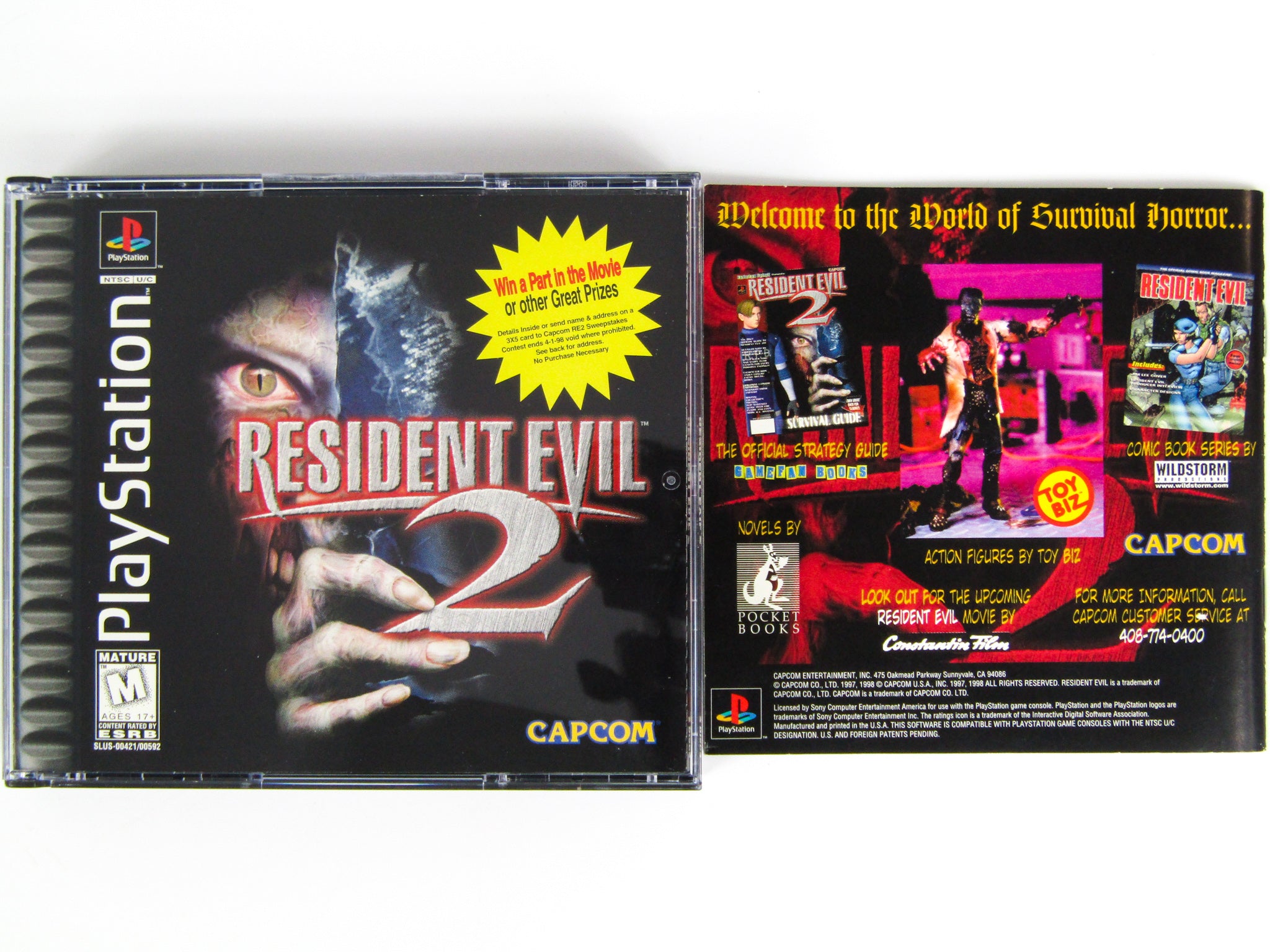
The choice between playing Resident Evil 3: Nemesis on the original PlayStation or the Nintendo GameCube release ultimately comes down to a preference for authentic, original-hardware aesthetics versus the minor visual refinements and structural convenience afforded by the later port. While the game remains identical in content, dialogue, and map layout across both versions, the GameCube release offers slightly improved image stability and a more streamlined loading experience, whereas the PlayStation version provides the definitive, original-intent visual experience for purists.
Historical Context and Development of Resident Evil 3
Resident Evil 3: Nemesis was first released for the Sony PlayStation in 1999. Developed by Capcom as a direct follow-up to the highly successful Resident Evil 2, the game utilized the established pre-rendered background and 3D character model architecture that defined the series' early "Survival Horror" era. By the time Resident Evil 3 reached the Nintendo GameCube in 2003, the series had already seen a resurgence through the successful remake of the original title and the introduction of Resident Evil 0 on the platform.
The GameCube port was part of Capcom’s broader initiative to bring the "classic" mainline entries—excluding the Code: Veronica title—to Nintendo hardware. Because the GameCube was significantly more powerful than the original PlayStation, the primary development goal for this port was to ensure the game functioned within the GameCube’s environment while maintaining complete mechanical parity with the original release. There were no new story segments, additional modes, or expanded maps included in the GameCube version; it was a straight port intended to consolidate the franchise on a single console.
Visual Fidelity and Technical Performance
The most debated aspect of comparing these two versions is how they handle the visual limitations of the era. Resident Evil 3 relied on high-resolution, static, pre-rendered backgrounds layered with 3D polygons for characters and interactive objects.
PlayStation Performance
On the PlayStation, the game runs at a native resolution of 320x240. The hardware’s lack of a dedicated z-buffer often resulted in "polygonal jitter" or warping, which was a hallmark of 32nd-bit 3D gaming. For many players, this jitter is intrinsically linked to the "Resident Evil experience." The lighting and color palettes were calibrated specifically for the signal output of the PlayStation, which tends to lean toward a slightly softer, more diffuse aesthetic on CRT displays.
GameCube Performance
The GameCube version, running on more modern hardware, manages to present the pre-rendered backgrounds with slightly higher clarity. However, because the backgrounds were originally authored for a lower resolution, they cannot be truly "upgraded" without redrawing them—a task Capcom did not undertake for this port. Consequently, the GameCube version uses the same base assets but displays them through a cleaner signal. The character models appear slightly sharper, and the frame rate—which occasionally dipped during intense scenes on the PlayStation—remains locked with greater consistency throughout the GameCube experience.
Loading Times and Media Handling
One of the most practical differences between the versions lies in the storage media. The PlayStation version utilizes a CD-ROM, which inherently requires the game to pause periodically to load new room layouts or assets. These "door opening" animations were a clever technical mask for loading, but they are undeniably slower on the aging CD-ROM drive of a PlayStation.
Conversely, the GameCube uses the proprietary 8cm optical disc format. The GameCube’s disc read speeds are significantly faster than those of the original PlayStation. As a result, the transition times between rooms are noticeably shorter. For a game that relies heavily on backtracking through Raccoon City, the accumulated time saved by the GameCube’s faster drive can make the experience feel significantly more responsive and less prone to "loading fatigue."
Controller Ergonomics and Input Sensitivity
The tactile feel of Resident Evil 3 is dictated by the controller. The original PlayStation controller, particularly when paired with the DualShock, provided a familiar layout that the game was originally designed around. The "Tank Control" scheme—where players hold forward to move in the direction the character is facing—is deeply intertwined with the PlayStation D-pad.
The Nintendo GameCube controller, while excellent for many titles, presents a unique challenge for Resident Evil 3. The placement of the D-pad is secondary to the analog stick, which is not ideal for the precise, grid-based movement required for the game’s tank controls. While players can use the GameCube’s analog stick, the dead zones and octagonal gate of the stick can occasionally lead to accidental directional inputs during high-stress encounters with the Nemesis. Purists often argue that the PlayStation controller’s digital D-pad provides the necessary binary input reliability required for pixel-perfect positioning during combat.
Comparative Specifications Table
| Feature | PlayStation (1999) | GameCube (2003) |
|---|---|---|
| Media Format | CD-ROM | 8cm Optical Disc |
| Native Resolution | 320x240 | 320x240 (Rendered) |
| Loading Speed | Standard (Slower) | Optimized (Faster) |
| Controller Input | Optimized for D-pad | Optimized for Analog/D-pad |
| Visual Fidelity | Original CRT Softness | Slightly Sharper Output |
| Content | Full Game | Full Game (Identical) |
Common Challenges and Troubleshooting
Regardless of the platform, Resident Evil 3 presents specific hurdles for modern players attempting to revisit the title in 2026.
- Display Connectivity: If playing on original hardware, connecting to a modern high-definition display often introduces lag and visual artifacts due to upscaling issues. Using a dedicated retro-scaler is recommended to ensure the 240p signal is handled correctly without adding input delay.
- Save File Limitations: The PlayStation version requires a Memory Card, which has limited blocks. The GameCube version requires a memory card that is specific to the GameCube console. Ensure you have the corresponding storage media, as these files cannot be cross-transferred between systems.
- Hardware Reliability: By 2026, the optical drives in both original PlayStations and GameCubes may face wear. If the game hangs during loading screens, it is often a sign that the laser assembly is struggling to track the disc, rather than a defect in the game software itself.
Assessing Value and Accessibility
For a collector or a player looking for the most "historically accurate" version, the PlayStation release is the clear choice. It represents the title as it was conceived, programmed, and played by the original audience in 1999. It remains a piece of gaming history that retains the "soul" of the original hardware’s limitations.
However, for a player who values performance, efficiency, and comfort, the GameCube version is objectively superior. The minor, yet tangible, improvements in loading times and technical stability make it a more seamless experience. It is the version best suited for speedrunning or for players who want to experience the narrative without the hardware-induced friction of the PlayStation original.
Frequently Asked Questions
Are there any censorship differences between the PS1 and GameCube versions?
No. Both versions contain the exact same content, including the violence, dialogue, and branching path choices (Live Selections). There were no regional censorship changes or platform-specific cuts implemented between these two releases.
Can I use a PS1 controller on the GameCube?
Not without a specialized third-party adapter. Because the controller protocols and physical ports are entirely different, the two controllers are not natively interchangeable. If you prefer the PlayStation layout, you must play on the PlayStation or find a reliable controller converter.
Does the game look better in widescreen on either console?
Neither version supports widescreen natively. Resident Evil 3 was designed exclusively for 4:3 aspect ratio displays. Attempting to force a widescreen stretch will distort the pre-rendered backgrounds and character proportions. It is strongly recommended to play in the original 4:3 aspect ratio.
Which version is more expensive to acquire in 2026?
The GameCube version is generally more expensive on the secondary market. Because the GameCube port had a smaller print run and is often sought after by collectors aiming to complete the Resident Evil GameCube library, it commands a higher price than the original, mass-produced PlayStation Greatest Hits or black-label copies.
Is the Nemesis AI different between the two versions?
No. The AI scripts for the Nemesis, which allow him to pursue the player across different rooms and trigger specific random encounters, are identical. His behavior, difficulty levels, and drop patterns remain consistent regardless of the console used.
Final Recommendation
If you already own a working PlayStation, the original version is a must-play for its historical significance and perfect alignment with the intended control scheme. However, if you are purchasing the game in 2026 for the purpose of a comfortable playthrough, the GameCube version’s reduced loading times provide a noticeably smoother experience that helps maintain the game’s tension. Regardless of your choice, prioritize the use of a high-quality display and a well-maintained controller to ensure the survival horror experience remains immersive.