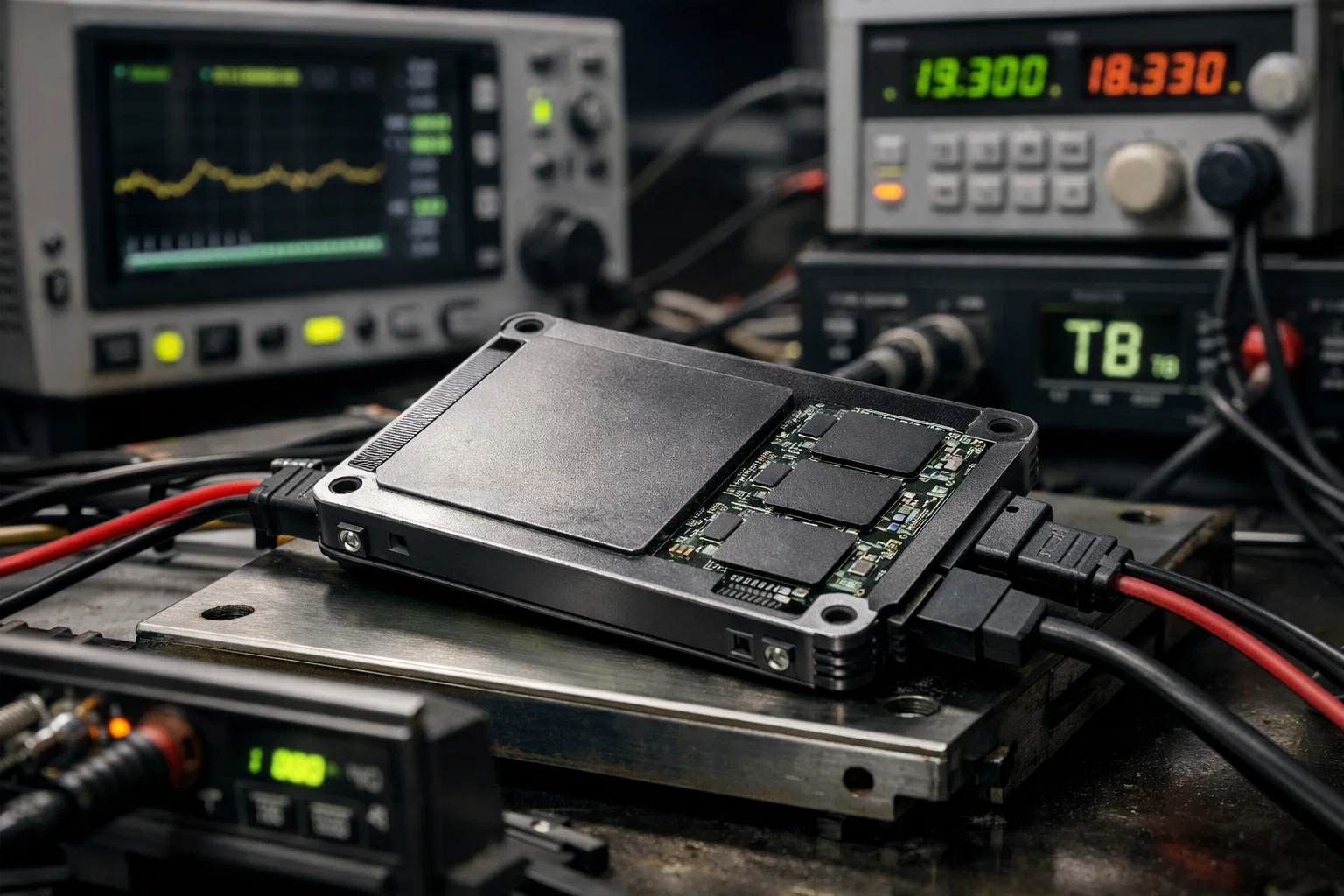
Acquiring a 1 petabyte (PB) solid-state drive solution requires navigating complex enterprise storage tiers, where costs typically range from $70,000 to over $250,000 depending on the form factor, endurance ratings, interface type, and hardware redundancy required by the data center environment.
Understanding the Scale of 1 Petabyte in Solid-State Storage
When discussing a 1 petabyte solid-state drive, it is essential to clarify that single-device monolithic drives of this exact capacity are still exceptionally rare or non-existent in standard consumer and commercial markets as of 2026. Instead, a "1 petabyte SSD" almost universally refers to high-density enterprise storage arrays, ultra-high-capacity PCIe add-in cards (AIC), or modular storage nodes housing multiple ultra-dense solid-state drives working in tandem.
In enterprise environments, data density has increased dramatically due to advancements in flash memory manufacturing. Manufacturers rely on multi-level cell architectures—such as Triple-Level Cell (TLC) and Quad-Level Cell (QLC) NAND flash—alongside vertical stacking technologies that scale past 200 and 300 layers. However, packing a full petabyte of raw flash memory into a single chassis or unified enclosure involves balancing severe engineering trade-offs, including thermal dissipation, power draw, write endurance, and controller bottlenecks. Consequently, evaluating the price of a 1 petabyte solid-state storage solution means looking beyond raw per-gigabyte flash costs to factor in the complete enterprise ecosystem.
Enterprise Storage Tiers and Component Pricing
To build or purchase a 1 petabyte solid-state storage architecture, buyers must select from different classes of flash storage, each carrying vastly different price points and performance metrics. Enterprise storage is broadly categorized by its intended workload, endurance (measured in Drive Writes Per Day, or DWPD), and performance consistency.
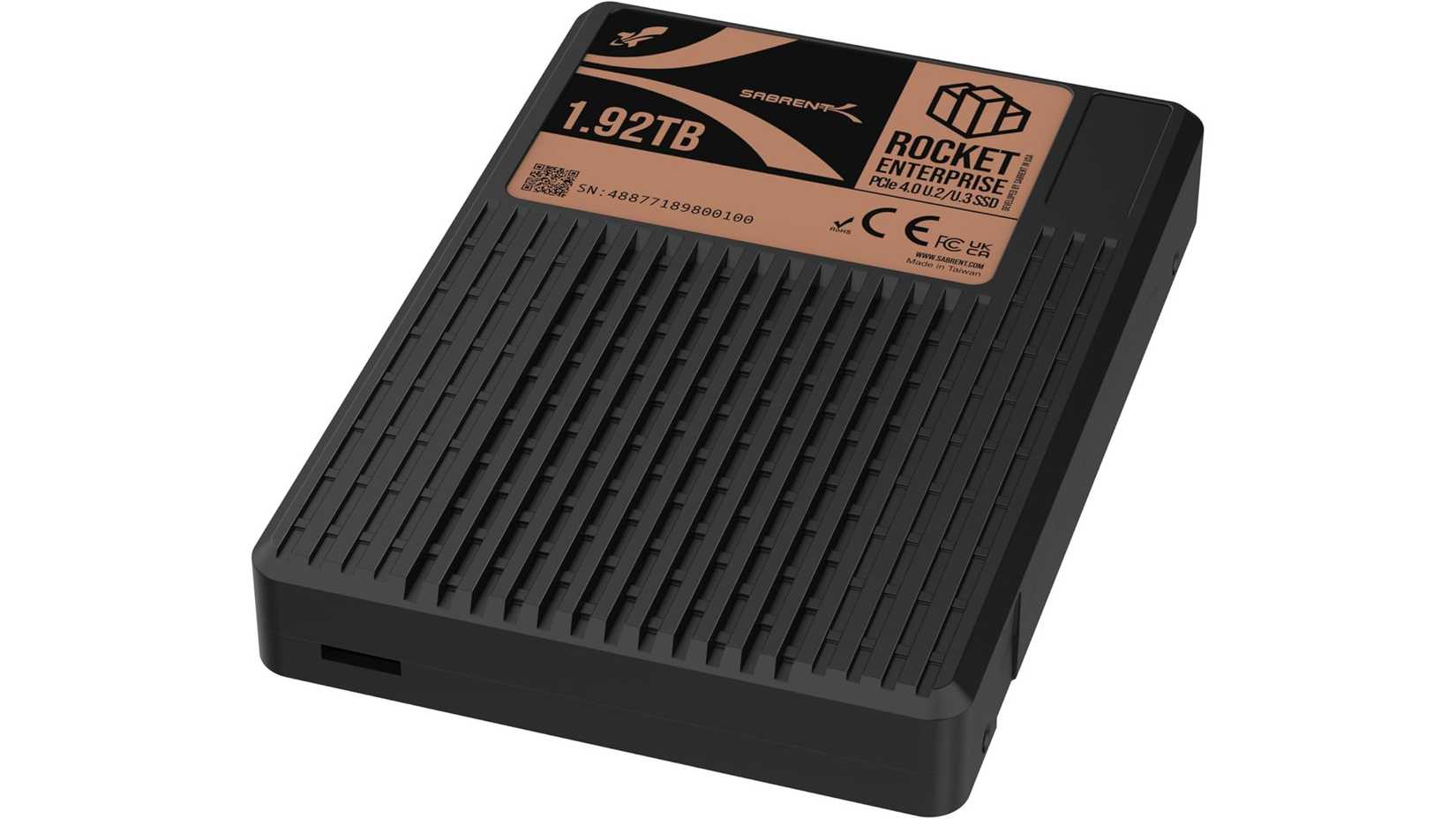
Enterprise SATA and NVMe U.2/U.5 drives serve as the building blocks for modern high-capacity servers. While individual high-capacity drives (such as 30.72TB or 60TB U.2/U.3 NVMe SSDs) are commercially available from vendors like Solidigm, Samsung, and Micron, reaching a cumulative 1 petabyte capacity requires clustering these drives within a high-density server chassis. For instance, achieving 1 PB of raw capacity using 30.72TB drives requires approximately 34 individual drives. At current enterprise pricing tiers, individual high-density drives command a substantial premium over consumer-grade hardware due to specialized enterprise firmware, power-loss protection (PLP) capacitors, and rigorous error-correction code (ECC) engines.
| Storage Architecture Type | Primary Componentry | Estimated 1 PB Raw Cost Range | Ideal Workload & Use Case |
|---|---|---|---|
| Enterprise NVMe U.2/U.5 Array | Multiple high-density (30TB–60TB) NVMe drives in a 2U/4U chassis | $85,000 – $180,000 | High-performance databases, real-time analytics, virtualization clusters |
| High-Density PCIe Add-In Cards | Multi-controller custom PCIe expansion cards | $120,000 – $250,000 | Ultra-low latency edge computing, high-frequency trading caches |
| Enterprise QLC Flash Arrays | High-capacity QLC SSDs configured in a storage controller shelf | $70,000 – $130,000 | Read-intensive workloads, content delivery networks (CDNs), active archive tiers |
| All-Flash SAN / NAS Systems | Fully integrated branded enterprise storage arrays (e.g., Dell, Pure Storage) | $150,000 – $350,000+ | Mission-critical enterprise data centers, unified block and file storage |
Total Cost of Ownership (TCO) Beyond Hardware Acquisition
The initial purchase price of the physical flash media represents only a fraction of the total cost of ownership for a 1 petabyte solid-state storage deployment. Enterprise data center managers must account for several operational and infrastructural expenses that dictate the long-term viability of high-capacity flash installations.
Power, Cooling, and Space Efficiency
While solid-state drives consume significantly less power and space than traditional spinning hard disk drives (HDDs) on a per-terabyte basis, a concentrated 1 petabyte flash footprint draws substantial electrical current under peak loads. High-density NVMe enclosures generate immense thermal output, requiring sophisticated data center HVAC capabilities or specialized liquid-cooling loops. Furthermore, housing 1 PB of flash in a compact 1U or 2U server chassis reduces rack-unit (RU) footprint consumption, translating to lower colocation facility lease costs.
Endurance, Wear Leveling, and Replacement Cycles
Flash memory degrades over time with every write and erase cycle. Enterprise SSDs utilize advanced wear-leveling algorithms and over-provisioning—reserving a percentage of hidden flash capacity to replace failing blocks dynamically. Buyers evaluating a 1 petabyte setup must carefully analyze their workload's Write Amplification Factor (WAF). Read-intensive QLC arrays are significantly cheaper upfront but wear out faster under write-heavy workloads, whereas Write-Intensive SLC or specialized TLC drives cost substantially more per terabyte but offer multi-year durability under constant heavy ingestion.
Software Licensing, Maintenance, and Support
Enterprise storage arrays do not operate in a vacuum. Deploying 1 petabyte of high-speed flash typically requires advanced data management software, including inline data reduction (compression and deduplication), snapshot engines, replication tools, and automated tiering. Vendor support contracts, 24/7 hardware replacement SLAs, and enterprise software licensing can easily add 15% to 30% annually to the baseline hardware expenditure.
Market Trends and Price Trajectories
The cost of solid-state storage has historically followed a downward trajectory dictated by manufacturing yields, silicon wafer pricing, and advancements in 3D NAND stacking technology. However, the market for ultra-high-capacity enterprise storage experiences cyclical fluctuations driven by global supply chain dynamics, raw material costs (such as ultra-pure silicon, noble gases, and chemical precursors), and shifting demand from hyperscale cloud providers.
As manufacturing processes transition toward higher layer counts—pushing past 300 layers in production facilities—the cost per terabyte for high-density enterprise SSDs continues to decline gradually. Despite this trend, the extreme engineering requirements of maintaining data integrity, signal fidelity, and thermal stability in multi-terabyte individual drive form factors ensure that 1 petabyte solutions remain specialized, premium enterprise investments rather than commodity hardware.
Frequently Asked Questions
Can I buy a single 1 petabyte SSD for my personal computer?
No. As of 2026, single consumer-grade SSDs max out at much lower capacities (typically 8TB to 16TB for standard M.2 or 2.5-inch formats). A 1 petabyte storage volume requires either an enterprise server rack housing dozens of high-capacity drives or a specialized multi-controller enterprise storage appliance.
Why are enterprise 1 petabyte storage solutions so much more expensive than consumer drives?
Enterprise storage systems incorporate hardware-level power-loss protection (PLP) capacitors to prevent data corruption during sudden outages, sophisticated error correction codes, higher-grade NAND flash with superior write endurance, and redundant controllers designed for 24/7/365 uptime.
How does RAID configuration affect the actual cost of a 1 petabyte array?
RAID (Redundant Array of Independent Disks) or erasure coding is mandatory in enterprise environments to protect against drive failures. Implementing redundancy (such as RAID 6 or dual-parity erasure coding) means you must purchase significantly more raw storage capacity—often 20% to 40% more physical drives—than your net usable 1 petabyte target, directly increasing the total acquisition cost.
What is the difference between TLC and QLC flash in a large-scale deployment?
Triple-Level Cell (TLC) flash stores three bits of data per memory cell, offering higher performance and greater write endurance at a higher cost. Quad-Level Cell (QLC) flash stores four bits per cell, allowing manufacturers to pack more data into less space and reduce costs, making it ideal for read-heavy workloads where massive capacity is prioritized over frequent heavy writing.
Are there alternative options to reduce the cost of a 1 petabyte SSD deployment?
Many organizations utilize hybrid storage tiers rather than deploying pure all-flash arrays for an entire petabyte. By combining a smaller, high-performance all-flash tier for hot data with high-capacity enterprise hard disk drives (HDDs) or object storage for cold archival data, businesses can achieve high performance while substantially lowering overall infrastructure expenditures.
Next Actions for Enterprise Storage Buyers
Organizations planning a 1 petabyte solid-state storage acquisition should begin by conducting a comprehensive workload analysis to determine exact read-to-write ratios, IOPS requirements, and latency thresholds. Consulting directly with enterprise hardware vendors or authorized storage integrators allows engineering teams to secure customized quotes that account for exact redundancy requirements, software licensing, and long-term maintenance agreements tailored to specific data center operational goals.