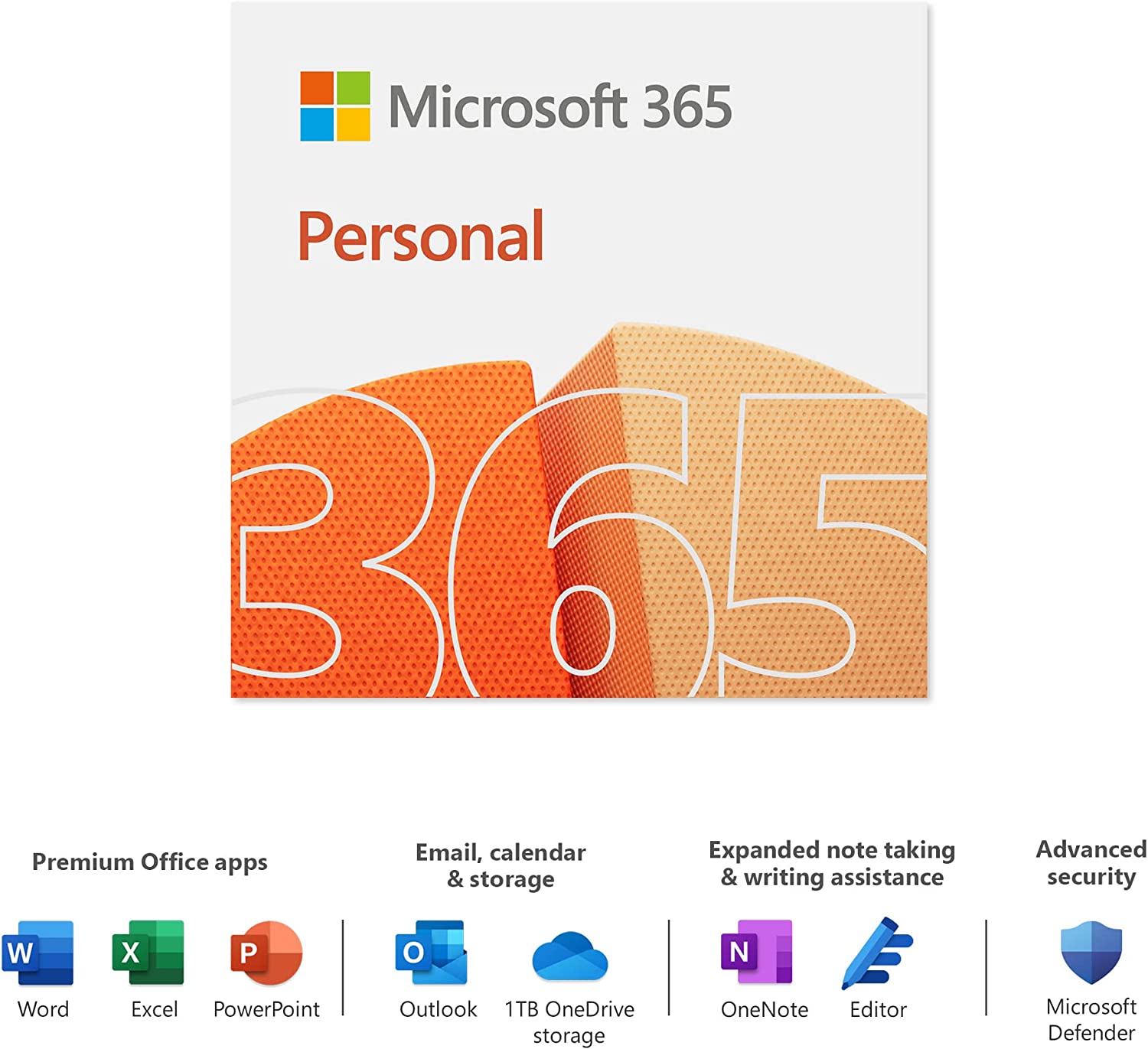
To use Microsoft 365 on a Mac in 2026, you must have a valid subscription—such as Microsoft 365 Personal for a single user—and a compatible version of macOS. Installation is performed by downloading the installer directly from the Microsoft account portal or the Mac App Store. Once installed, the suite provides native support for Apple Silicon, ensuring high performance for Word, Excel, PowerPoint, and Outlook.
Microsoft 365 has evolved significantly on the macOS platform, moving from a secondary consideration to a first-class citizen in the Apple ecosystem. For users seeking the "1" Microsoft 365 experience—referring to the Microsoft 365 Personal tier designed for one individual—the integration between Windows-centric productivity and macOS-centric design has never been more seamless. In 2026, the suite leverages the full power of Apple’s M-series architecture, providing a fluid experience that mirrors the efficiency of native macOS applications while maintaining the robust feature set required by professional environments.
System Requirements and Compatibility for 2026
Before initiating an installation, it is crucial to verify that your hardware and software meet the 2026 benchmarks for Microsoft 365. Microsoft follows a "n-2" support policy for macOS, meaning they support the current version of macOS and the two previous versions.
Hardware Prerequisites
By 2026, the vast majority of active Mac users are on Apple Silicon (M1, M2, M3, M4, and the latest M5 chips). While Microsoft 365 still functions on late-model Intel-based Macs through 2026, the performance delta is noticeable. Apple Silicon allows for "Universal" binary execution, meaning the apps run natively without the need for the Rosetta 2 translation layer.
- Processor: Apple Silicon (M1 or later) is highly recommended; Intel Core i5 or higher is the minimum for legacy devices.
- Memory (RAM): While 8GB is the minimum, 16GB is strongly advised for users working with large Excel datasets or complex PowerPoint animations.
- Storage: At least 10GB of available disk space, formatted as APFS (Apple File System).
Software Prerequisites
For 2026, compatibility generally extends to macOS 16 (the latest release), macOS 15 (Sequoia), and macOS 14 (Sonoma). Attempting to run Microsoft 365 on older versions like Ventura or Monterey may result in a lack of security updates or the inability to install the latest feature builds. Keeping your operating system updated is not just a matter of features; it is a security necessity as Microsoft 365 relies on the latest system-level encryption and sandboxing protocols provided by Apple.
Choosing the Right Microsoft 365 Plan
When looking for "1" Microsoft 365 solution, most individual users land on the Microsoft 365 Personal plan. However, it is important to distinguish between the available tiers to ensure you are not overpaying or missing essential services.
| Feature | Microsoft 365 Personal (1 User) | Microsoft 365 Family (Up to 6 Users) | Microsoft 365 Business Standard |
|---|---|---|---|
| Number of Users | 1 | 6 | 1 (per license) |
| Cloud Storage | 1 TB OneDrive | 6 TB Total (1 TB per person) | 1 TB OneDrive for Business |
| Device Installs | 5 Simultaneous Sign-ins | 5 Per Person | 5 Per Person |
| Core Apps | Word, Excel, PPT, Outlook | Word, Excel, PPT, Outlook | Word, Excel, PPT, Outlook, Teams |
| Mac Optimization | Full Native Support | Full Native Support | Full Native Support |
| Advanced Security | Personal Vault, Identity Monitoring | Family Safety, Personal Vault | Defender for Business, Intune |
The "Personal" plan is specifically tailored for those who do not need to share their subscription. It offers the same core application features as the more expensive tiers, including the AI-driven Copilot integrations that have become standard by 2026.
Installation Methods: App Store vs. Direct Download
There are two primary ways to deploy Microsoft 365 on a Mac. Each has specific advantages depending on how you prefer to manage software updates and licensing.
1. The Mac App Store Method
For users who prefer a "set it and forget it" approach, the Mac App Store is the preferred route.
- Ease of Updates: All updates are handled through the App Store’s "Updates" tab, alongside your other macOS apps.
- Sandboxing: Apps downloaded here are strictly sandboxed by Apple’s security protocols, which can offer an extra layer of protection but occasionally limits certain cross-app integrations.
- Process: Search for "Microsoft 365" in the App Store, click "Get," and then sign in with your Microsoft account once the apps are launched.
2. The Microsoft Portal (Direct) Method
Professional users often prefer the direct download from Microsoft's official account page.
- Version Control: This method uses the "Microsoft AutoUpdate" (MAU) tool, which allows users to join the "Insider" programs to test new features before they are released to the general public.
- Feature Completeness: Historically, the direct download version has occasionally received feature updates slightly ahead of the App Store version due to the App Store's review process.
- Process: Log in to your Microsoft account, select "Install Office," and download the
.pkginstaller file. Follow the on-screen prompts to complete the installation.
Optimizing the Core Applications for macOS
Microsoft has spent years refining the interface of its core apps to feel native to macOS. In 2026, this means support for Dark Mode, Continuity Camera, and Sidecar.
Microsoft Word: Focus and Fluidity
Word on Mac now features an advanced "Focus Mode" that integrates with macOS "Focus" filters. When you enable a "Work" focus on your Mac, Word can automatically hide ribbons and toolbars to provide a distraction-free writing environment. Furthermore, the 2026 version of Word for Mac utilizes Apple’s predictive text engine alongside Microsoft’s Editor to provide highly accurate grammar and style suggestions.
Microsoft Excel: High-Performance Data
For years, Excel on Mac was seen as the "lighter" version of the Windows powerhouse. In 2026, the gap is nearly non-existent. Excel for Mac now fully supports Power Query and complex PivotTable configurations that were previously difficult to manage on macOS. Importantly, Excel is optimized for the unified memory architecture of the M-series chips, allowing it to handle massive spreadsheets with millions of rows without the lag associated with older versions.
Microsoft Outlook: The "New Outlook" Experience
The "New Outlook" for Mac is the default experience in 2026. It is designed specifically for macOS, using the same design language as Apple Mail but with the robust backend of Exchange. It supports macOS widgets, allowing you to see your upcoming meetings directly on your desktop or in the Notification Center. It also integrates with "Profiles," letting you separate your personal and work email environments easily.
OneDrive: Deep Finder Integration
OneDrive on Mac uses the Apple File Provider API. This is a critical technical detail: it means OneDrive no longer needs to "sync" in the traditional, resource-heavy sense. Instead, files are visible in the Finder just like local files, but they are downloaded only when you open them. This saves massive amounts of SSD space on MacBooks while ensuring your data is always accessible.
Troubleshooting Common Issues on Mac
Even with the advancements of 2026, users may encounter hurdles when running Microsoft 365 on macOS. Understanding these common friction points can save hours of frustration.
Permission and Privacy Prompts
macOS is highly restrictive regarding folder access. When you first install Microsoft 365, you may see multiple prompts asking for permission to access the "Downloads" folder, "Desktop," or "Full Disk Access."
- Solution: Always grant these permissions for Microsoft apps. If you accidentally deny them, go to System Settings > Privacy & Security > Files and Folders and ensure the Microsoft suite is toggled on.
Font Compatibility
A common issue when moving documents between Windows and Mac is font substitution. While Microsoft 365 includes a wide array of cloud fonts that work on both platforms, some proprietary Windows fonts may not render correctly on a Mac.
- Solution: Use the "Embed Fonts" feature in Word or PowerPoint settings to ensure your document looks the same on every device, regardless of the operating system.
Activation Loops
Sometimes, the Mac version of Microsoft 365 gets "stuck" in an activation loop where it asks you to sign in repeatedly.
- Solution: Microsoft provides a "License Removal Tool" for Mac. Running this small utility clears out old license files, allowing you to perform a clean sign-in and resolve the conflict.
Frequently Asked Questions
Can I run Microsoft Access or Publisher on my Mac in 2026?
No, Microsoft Access and Microsoft Publisher remain Windows-only applications. Microsoft has not ported these to macOS, even in 2026. Mac users who require these specific tools typically use virtualization software like Parallels Desktop to run a Windows instance on their Mac, or they seek web-based alternatives within the Microsoft 365 ecosystem, such as Power Apps or Microsoft Designer.
Does the "1" user license (Personal) allow me to use Office on my iPad too?
Yes. A Microsoft 365 Personal subscription allows you to sign in on up to five devices simultaneously. This includes your Mac, your iPad, and even your iPhone. Because it is a "1" user license, all these devices must be signed into your specific Microsoft account. The integration is seamless; you can start a document on your Mac and pick up exactly where you left off on your iPad thanks to OneDrive synchronization.
Is Microsoft 365 better than Apple’s iWork (Pages, Numbers, Keynote)?
The choice depends on your collaborative needs. While Apple’s iWork suite is free and deeply integrated into macOS, Microsoft 365 remains the global standard for business. If you need to share documents with Windows users or require the advanced data analysis tools found in Excel, Microsoft 365 is the superior choice. However, for simple personal use, Pages and Numbers are excellent, lightweight alternatives.
How do I handle updates for Microsoft 365 on Mac?
If you downloaded the suite from the App Store, updates are handled by the App Store. If you downloaded it from Microsoft directly, a background application called Microsoft AutoUpdate (MAU) handles the process. You can find MAU by opening any Office app, clicking "Help" in the top menu bar, and selecting "Check for Updates."
Will my Mac's battery life be affected by running Microsoft 365?
In 2026, Microsoft 365 is highly optimized for Apple's efficiency cores. While any intensive task will consume power, Word and Excel are no longer the "battery hogs" they once were. Using the native versions rather than running them through a browser or emulation will provide the best battery performance on MacBooks.
Final Recommendation for Mac Users
For most individuals, the Microsoft 365 Personal plan provides the best balance of value and functionality for macOS. To ensure the best experience, always favor the Apple Silicon native version of the apps and utilize OneDrive's Files On-Demand to preserve your Mac's internal storage. If you are a student or work in a corporate environment, check if your institution provides a license before purchasing your own, as many organizations offer Microsoft 365 for Mac at no additional cost to the user.