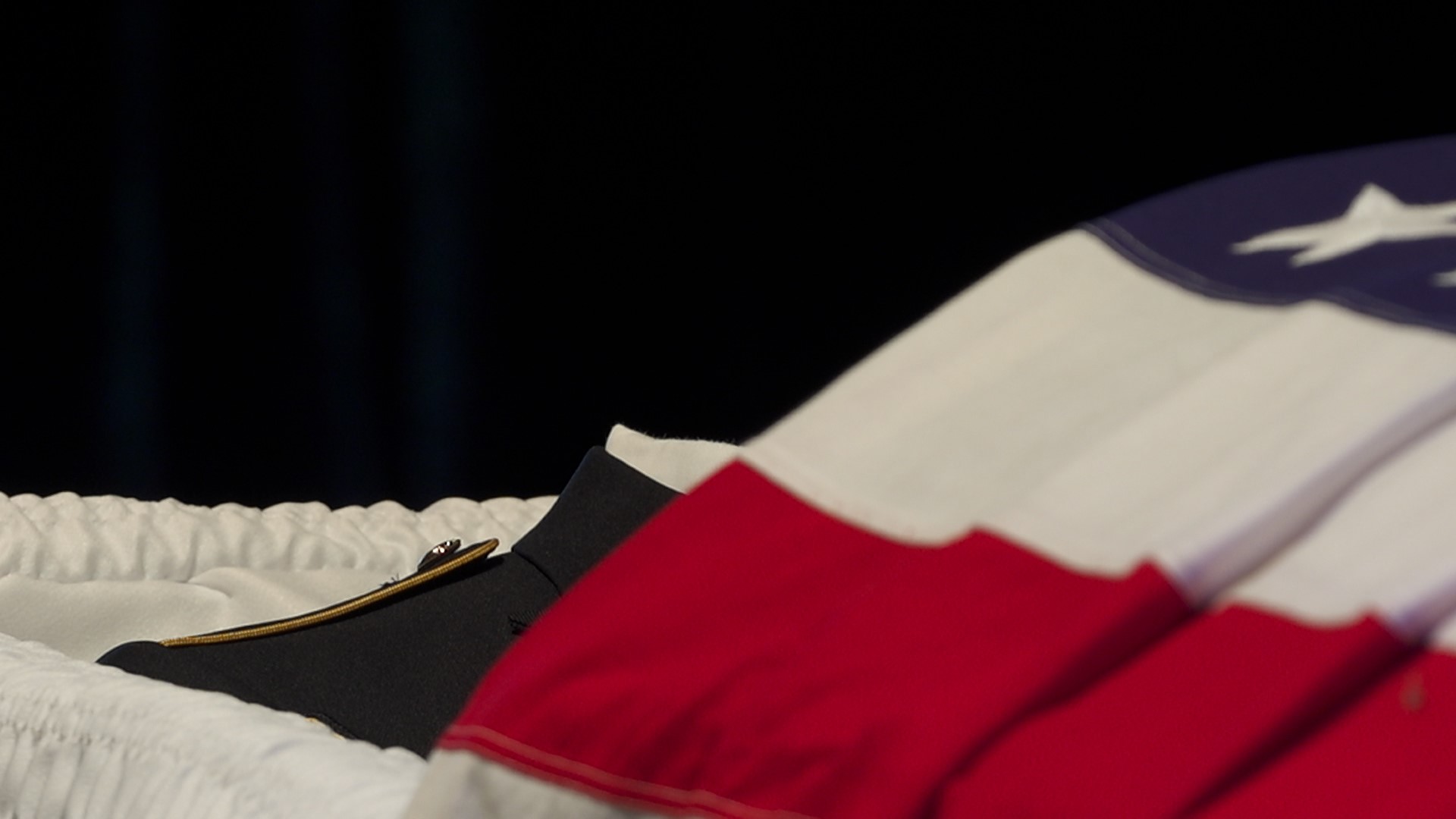
The status of being the last surviving World War Two veteran is not held by a single universally recognized individual, as thousands of centenarians from various allied and axis nations continue to live globally. Rather, public fascination centers on the final officially recorded veterans within specific countries, such as Great Britain, Australia, and the United States, marking the slow, solemn transition of a defining global conflict from living memory into the pages of history.
The Concept of the "Last Veteran" in Historical Context
As the clock ticks further into the twenty-first century, the living bridge connecting the modern world to the cataclysmic events of 1939–1945 is narrowing rapidly. Because World War Two was a global conflict involving dozens of nations and tens of millions of service members, there is no single "last World War Two veteran to die" on a global scale. Instead, demographers, historians, and military records offices track the passing of the last known veterans on a country-by-country basis.
The phrase itself carries immense symbolic weight. To lose the final veteran of a nation's wartime contingent represents the definitive end of an era. It transforms witnesses into history books, shifting the burden of remembrance entirely onto descendants, museums, and educational institutions. Understanding how nations record this milestone requires examining official military registries, actuarial data, and the rigorous verification processes used to validate centenarian veterans.
Global Demographics and Survival Rates in 2026
By 2026, the youngest surviving veterans of World War Two are well into their late nineties, having been teenagers when the war ended in August and September of 1945. The vast majority of those who fought are now centenarians—individuals aged 100 or older. According to data from agencies like the United States Department of Veterans Affairs (VA) and equivalent international ministries of defense, the mortality rate among this cohort is steep and accelerating.
Statistical models from veterans' affairs organizations highlight the sheer rarity of surviving World War Two personnel:
- United States: Out of the 16 million Americans who served in uniform during World War Two, only a tiny fraction—numbering in the low thousands—survive.
- United Kingdom: The UK's Ministry of Defence and associations like the Royal British Legion monitor a rapidly dwindling pool of veterans who served in the Royal Navy, British Army, Royal Air Force, and merchant navy.
- Commonwealth Nations: Countries like Canada, Australia, and New Zealand face a similar demographic reality, where final living veterans frequently receive national attention upon their passing.
Actuarial Decline of WWII Veterans
| Metric / Demographic | Estimated Peak (1945) | Estimated Surviving Population (Mid-2020s) | Annual Mortality Trend |
|---|---|---|---|
| Total US WWII Personnel | ~16,000,000 | ~50,000–100,000 (estimates vary) | Rapid acceleration due to advanced age (100+) |
| Average Age in 2026 | 18–30 years old | 99–105+ years old | 100% mortality trajectory |
| Verified Centenarians | Rare at the time | Majority of survivors | High vulnerability to health complications |
Notable Final National Veterans and Symbolic Milestones
Because a global "last veteran" does not exist, public attention frequently focuses on the last officially recognized national figures. These individuals often become unintentional symbols of their generation, receiving state condolences, media tributes, and military honors upon their deaths.
Great Britain and the Commonwealth
In the United Kingdom, the passing of high-profile veterans marked significant emotional milestones. For instance, Harry Patch—known as the "Last Fighting Tommy"—was famously a veteran of the First World War, but the UK also closely tracked its final notable World War Two combatants, such as those who served in the Burma Campaign, the Battle of Britain, or the Arctic Convoys. When the last members of these specific operational groups pass, it closes the book on those specialized chapters of military history.
The United States Experience
In the United States, the Department of Veterans Affairs provides periodic statistical updates on living veterans. While individual state registries occasionally note the passing of their oldest or last known local World War Two veteran, the national focus is distributed across thousands of remaining individuals. The passing of prominent figures, such as decorated Medal of Honor recipients or Tuskegee Airmen, often serves as a national moment of reflection. For example, Charles McGee, one of the last surviving leaders of the Tuskegee Airmen, passed away in 2022 at the age of 102, drawing widespread tributes.
Verification Challenges and False Claims
As the population of World War Two veterans shrinks, verifying claims of longevity and military service becomes increasingly complex. Historians and military genealogists frequently encounter individuals or families claiming to harbor "the absolute last veteran" of a specific campaign or nation, only for archival audits to reveal discrepancies.
- Archival Discrepancies: Many early enlistment records from the 1940s were damaged, lost in the 1973 National Personnel Records Center fire in St. Louis, or poorly digitized, making service verification difficult.
- Age Inflation: Centenarians occasionally have disputed birth dates due to historical inconsistencies in birth registration, particularly in rural or international communities during the early twentieth century.
- Media Sensationalism: Local and international media outlets occasionally publish headlines declaring a deceased individual "the last surviving veteran" of a specific battle or unit without cross-referencing national military databases.
Researchers rely on cross-referencing draft cards, discharge papers (DD-214 equivalents in the US), unit rosters, and census data to substantiate claims before historical societies or governments recognize a veteran as a final surviving representative of a major unit.
The Shift from Oral History to Digital Archives
The inevitable passing of the final generation of World War Two veterans represents more than a demographic milestone; it marks the transition of history from living memory to archival memory. For decades, historians, family members, and organizations have raced to capture the personal testimonies of those who fought.
Major preservation initiatives ensure that the voices of these veterans survive their passing:
- The Veterans History Project: Administered by the American Folklife Center at the Library of Congress, this initiative collects, preserves, and makes accessible the personal accounts of American war veterans.
- Imperial War Museums (IWM): In the UK, extensive audio and video archives record the firsthand experiences of service personnel and civilians alike.
- Shoah Foundation and Holocaust Educational Trusts: Dedicated to preserving the testimonies of both survivors and liberators, ensuring that the atrocities and triumphs of the era are documented by those who witnessed them.
These repositories rely on recorded interviews, letters, photographs, and diaries. As the last veterans pass away, these digital archives become the primary medium through which future generations understand the human cost of the conflict.
Frequently Asked Questions
Is there only one last surviving World War Two veteran in the world?
No. Because millions of people served across dozens of allied and axis nations, there is no single global "last veteran." Thousands of veterans remain alive globally, though their numbers decrease rapidly every day due to advanced age.
How old are surviving World War Two veterans?
Surviving veterans are at least in their late nineties, with the vast majority being centenarians aged 100 or older. Those who served were typically born between 1914 and 1927.
How do governments track the number of remaining veterans?
Government bodies, such as the U.S. Department of Veterans Affairs and international defense ministries, use actuarial tables, benefit disbursement records, and healthcare enrollment data to estimate and track living veteran populations.
What happens when the last World War Two veteran dies?
The passing of the final veteran will mark the complete transition of World War Two from a period of living memory into purely historical study. While historical artifacts, documentation, and digital interviews will remain, direct firsthand human accounts of the conflict will no longer exist.
Are military records available for deceased World War Two veterans?
Yes. In many countries, military service records become public domain or accessible via freedom of information requests after a certain period or following the veteran's passing. Organizations like the U.S. National Archives provide access to these historical documents for researchers and family members.
Conclusion and Next Actions
The ongoing loss of World War Two veterans underscores the urgency of preserving remaining historical records, oral histories, and personal artifacts. For researchers, genealogists, and history enthusiasts, the primary next action involves supporting institutional archives, recording family histories while older relatives are still able to share them, and consulting official government registries rather than relying on unverified media claims regarding final survivors. By maintaining accurate historical documentation, society ensures that the sacrifices and experiences of the wartime generation are accurately remembered long after the last veteran has passed.