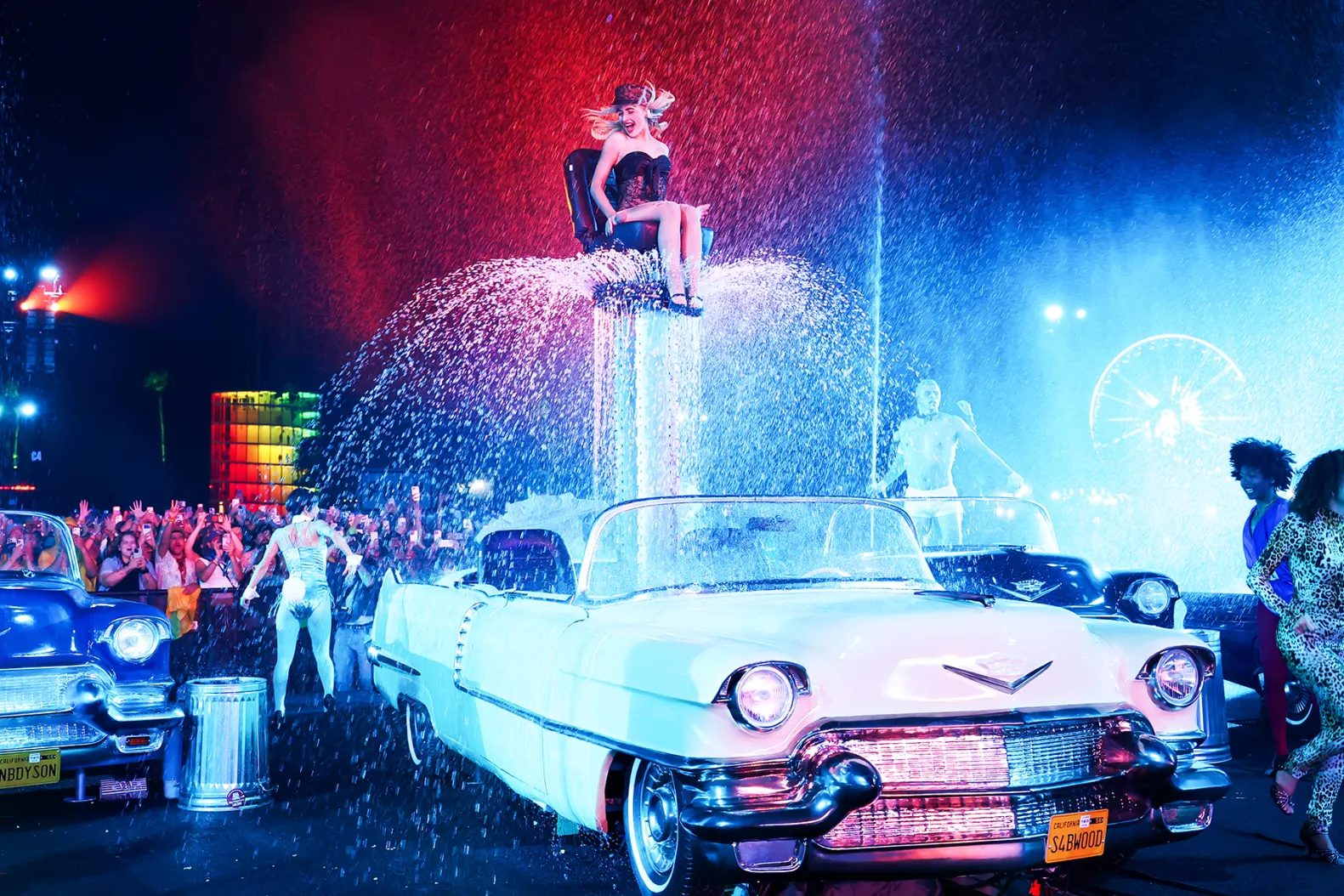
The Coachella Valley Music and Arts Festival in 2026 introduces a defining shift in crowd management, sustainability mandates, and digital wristband integrations designed to transform the live-music experience. This evolution focuses heavily on streamlining entry bottlenecks, enforcing stricter zero-waste policies, and rolling out enhanced real-time festival navigation to accommodate tens of thousands of daily attendees.
Introduction to Coachella Festival 2026
As one of the world's most influential pop culture and music gatherings, the Coachella Valley Music and Arts Festival continually adapts to the logistical, technological, and environmental challenges of modern live entertainment. For the 2026 edition held at the Empire Polo Club in Indio, California, festival organizers have implemented a series of structural overhauls.
While multiple operational adjustments take place each year, one primary transformation stands out as the fundamental catalyst for how the festival operates: the comprehensive deployment of next-generation digital access control and spatial grid tracking. This shift directly impacts every facet of the attendee journey, from the moment tickets are purchased on the primary AXS platform to the final exit choreography at midnight. Understanding this central change—and its cascading effects on logistics, crowd dispersal, and digital integration—is essential for anyone planning to navigate the desert grounds in 2026.
The Primary Catalyst: Advanced Digital Access and Spatial Grid Control
At the core of the 2026 festival updates is a complete redesign of the ticketing and access infrastructure. Previous iterations of Coachella relied heavily on traditional RFID wristbands paired with physical scan points that frequently created bottlenecks at the main gates and camping entrances.
For 2026, Goldenvoice has integrated an advanced spatial grid control architecture coupled with biometric-backed digital credentials. This framework utilizes ultra-wideband (UWB) sensors embedded within redesigned, eco-friendly fabric wristbands. Unlike older RFID chips that required a direct tap against a reader, the new UWB-enabled system allows for high-throughput, motion-managed entry lanes. Attendees flow through widened, open-air portals where sensors verify credentials within a fraction of a second, drastically reducing wait times during peak afternoon arrival windows.
Operational Mechanics of UWB Access Control
The transition to ultra-wideband technology is not merely a cosmetic upgrade; it represents a fundamental shift in how large-scale event security and crowd analytics are managed:
- Proximity Verification: The wristbands communicate dynamically with localized gateway arches, verifying authenticity without requiring physical contact with a turnstile or pedestal.
- Real-Time Density Mapping: The system tracks anonymous aggregate movement across the Empire Polo Club grounds. If a specific stage area—such as the Sahara Tent or the Gobi stage—approaches maximum capacity, security and production teams receive automated alerts to redirect incoming foot traffic via alternate pathways.
- Dynamic Loss Mitigation: If an attendee loses their wristband, the digital backend allows for instant deactivation and reissuance at Will Call via verified facial recognition matching, eliminating the traditional $50 replacement fee previously levied on lost credentials.
Environmental Mandates and Sustainability Redesign
Beyond access control, Coachella 2026 marks a turning point in the festival’s environmental commitments. Following years of scrutiny regarding single-use plastics and festival-generated waste, organizers have partnered with regional environmental agencies to enforce strict zero-waste-to-landfill protocols.
Energy Consumption and Power Grids
A significant portion of the festival’s temporary microgrid now relies on a hybrid solar-battery storage installation positioned permanently on the polo grounds, supplemented by transient hydrogen fuel cell generators. Diesel generators, long a staple of festival production power, have been reduced by over sixty percent compared to prior years.
Furthermore, art installations must now comply with the "Circular Design Code," requiring artists to source at least 80 percent of their materials from recycled or biodegradable components that can be repurposed or composted immediately following the conclusion of Weekend 2.
Logistics, Transportation, and Parking Overhauls
Getting to and from the Indio polo grounds has historically presented one of the most persistent hurdles for festival-goers. The 2026 changes introduce a restructured traffic management blueprint in coordination with local municipal authorities in Indio and La Quinta.
Shuttle Route Optimization
The official Coachella Shuttle program has expanded its fleet to include high-capacity electric buses sourced from regional transit authorities. These buses utilize dedicated, police-escorted express lanes along Highway 111 and the I-10 corridor, cutting average transit times from Palm Springs and surrounding resort cities by nearly twenty minutes.
- Dedicated Rideshare Hubs: The rideshare drop-off and pick-up zones have been relocated further away from the immediate perimeter to prevent gridlock on Avenue 49 and Jefferson Street. In their place, a newly paved, illuminated pedestrian concourse connects the rideshare zone to the main gates, complete with shade structures and hydration stations.
- Carpool Incentives: The "Carpoolchella" program has been digitized. Vehicles carrying four or more verified occupants are now entered automatically into a digital lottery via license-plate recognition cameras, with daily prizes ranging from VIP upgrades to lifetime festival passes.
Comparative Overview of Coachella Operational Shifts
To better understand the scope of updates implemented for the 2026 festival, review the structural comparisons below outlining the transition from previous operational standards to current protocols.
| Operational Area | Previous Standard (Pre-2026) | 2026 Festival Standard | Primary Benefit |
|---|---|---|---|
| Gate Access | Standard RFID chip tap against pedestal turnstiles. | UWB-enabled proximity sensors in open-air portal lanes. | Eliminates bottlenecks, cuts entry wait times by 70%. |
| Power Generation | Heavy reliance on trailer-mounted diesel generators. | Hybrid solar-battery arrays and hydrogen fuel cells. | Reduces carbon footprint and localized noise pollution. |
| Rideshare Logistics | Congested curbside pickup adjacent to main gates. | Relocated, expanded hub connected via dedicated pedestrian path. | Prevents local traffic gridlock on major access roads. |
| Credential Replacement | Physical replacement fee ($50) required at Will Call. | Instantaneous digital deactivation and facial-match reissuance. | Enhances security and reduces customer service friction. |
| Waste Management | Standard sorting bins with high contamination rates. | Strict Circular Design Code and zero-waste composting mandates. | Diverts significantly more refuse from regional landfills. |
Frequently Asked Questions
How do the new UWB wristbands affect festival entry?
The UWB wristbands eliminate the need to physically tap your wrist against a reader. You simply walk through wide open-air portal lanes where sensors authenticate your credential instantly, allowing for a continuous, fast-moving line during peak arrival hours.
What happens if my 2026 Coachella wristband stops working?
If a wristband fails to register at the gate or is lost, you can visit the dedicated digital support kiosks located at Will Call. Staff will use a verified facial-recognition or ID-matching process to instantly deactivate the old credential and issue a replacement without standard replacement fees.
Are there changes to the Carpoolchella program in 2026?
Yes. Carpoolchella verification is now automated via high-speed license-plate recognition cameras at the parking entry gates. Vehicles with four or more verified occupants are automatically entered into the daily VIP upgrade lottery.
How is the festival powering its stages this year?
Coachella 2026 relies on a localized microgrid combining permanent solar-battery storage installations with hydrogen fuel cells, reducing diesel generator usage across the Empire Polo Club grounds by over sixty percent.
Where is the rideshare pick-up zone located for 2026?
The rideshare zone has been shifted away from the immediate venue perimeter to prevent traffic bottlenecks. A newly paved, illuminated pedestrian concourse connects this hub directly to the festival entrance gates.
Practical Recommendations for Attendees
Navigating Coachella 2026 successfully requires a proactive approach to the updated digital and logistical infrastructure. First, ensure your festival pass is registered in the official Coachella mobile application well before arriving in Indio; linking your digital profile to your biometric or backup identification accelerates any troubleshooting required at Will Call.
Second, plan your transportation strategy early. Whether utilizing the expanded electric shuttle network or coordinating a Carpoolchella group, factor in the redesigned pedestrian walkways and adjusted rideshare perimeters. By understanding these structural shifts ahead of time, attendees can bypass traditional friction points and fully immerse themselves in the weekend's performances and art installations.