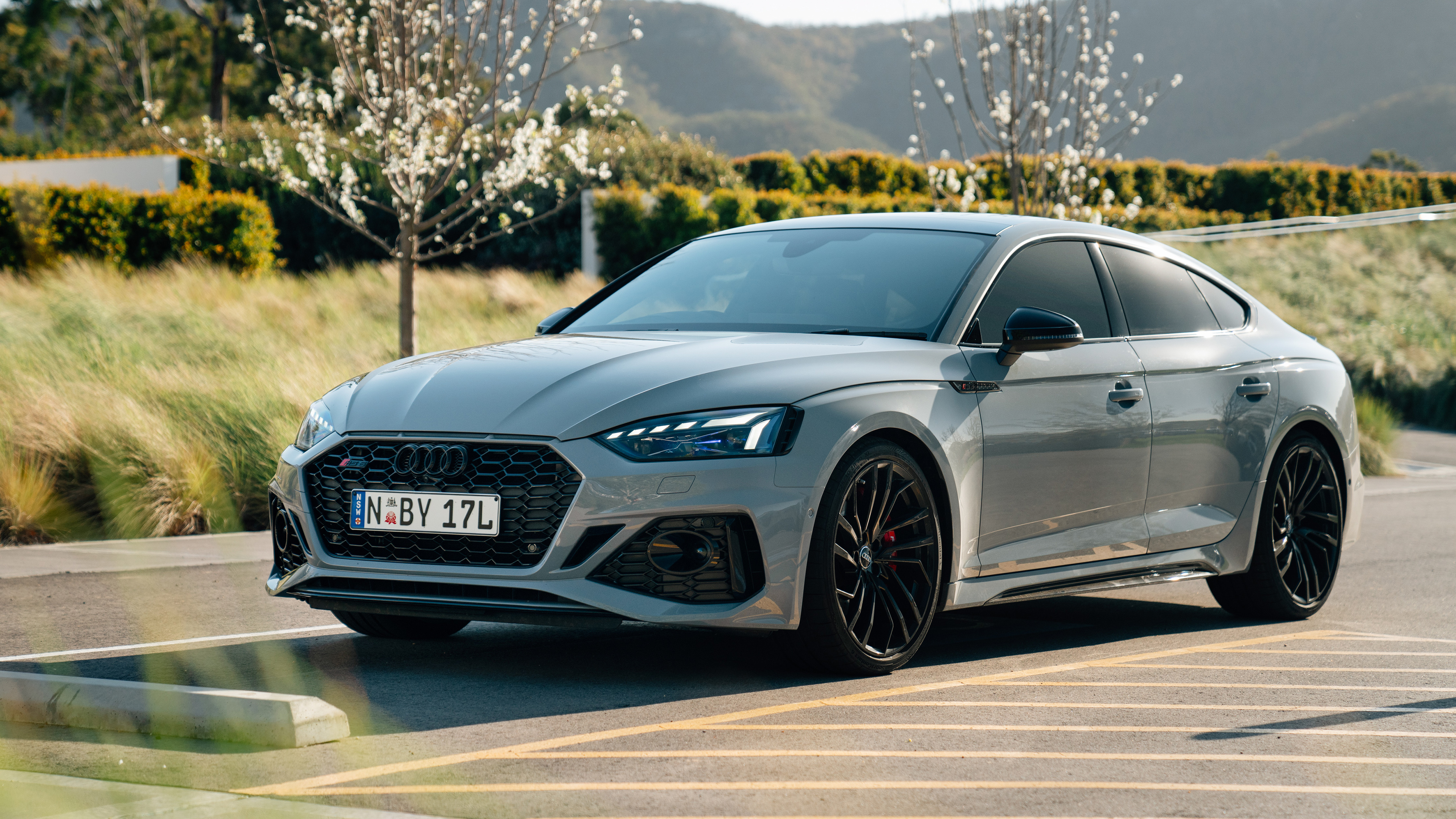
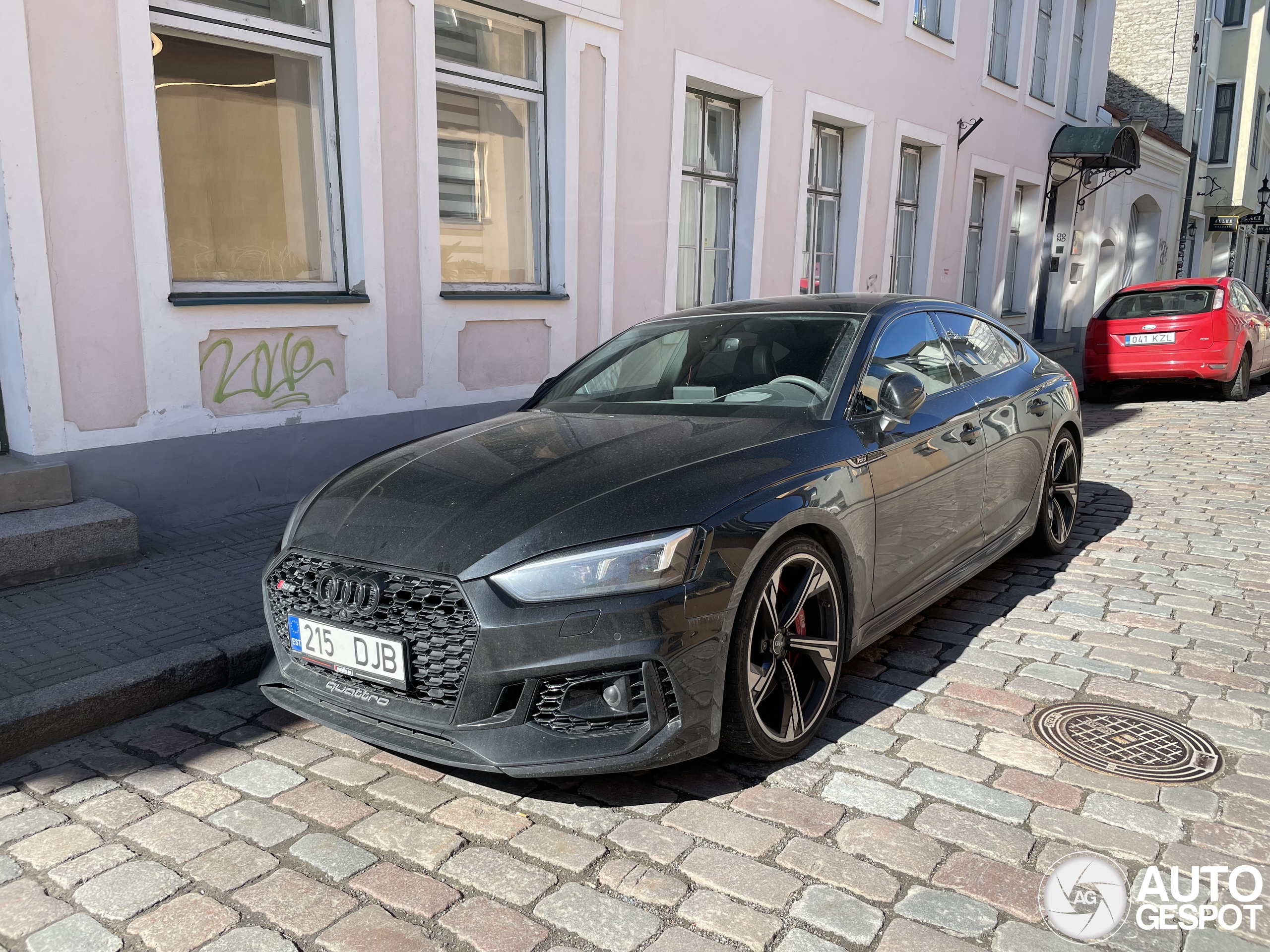
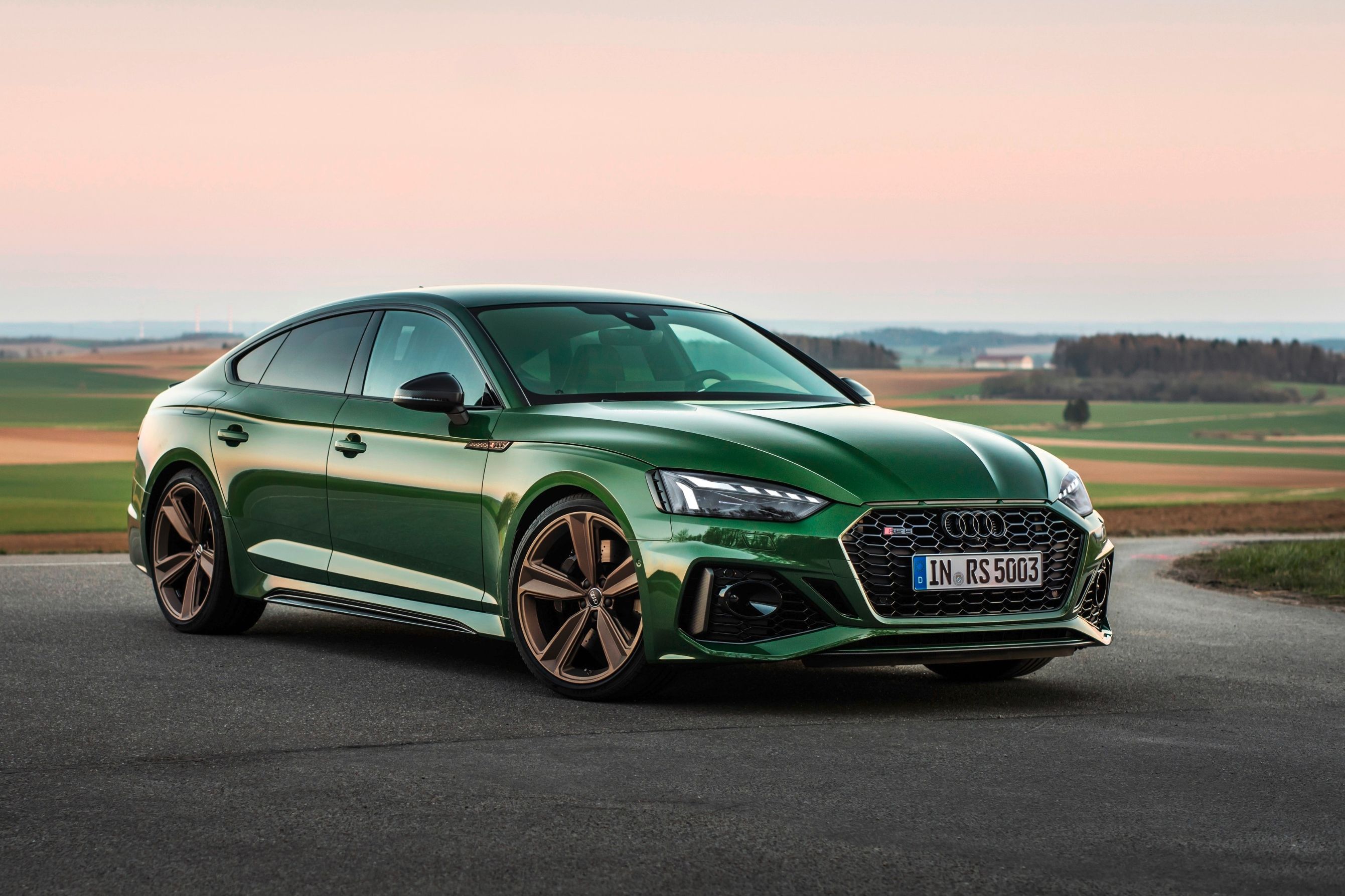
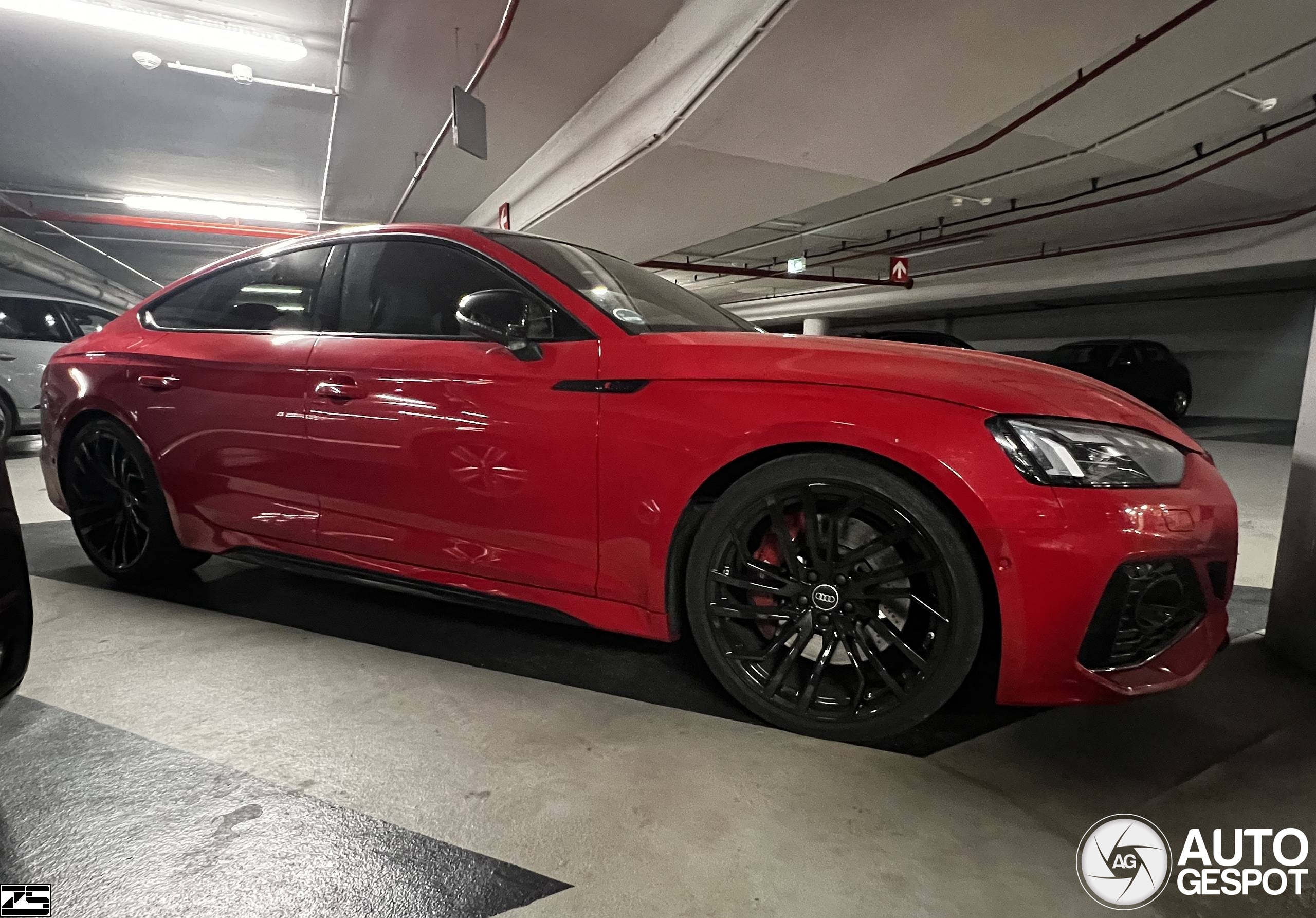
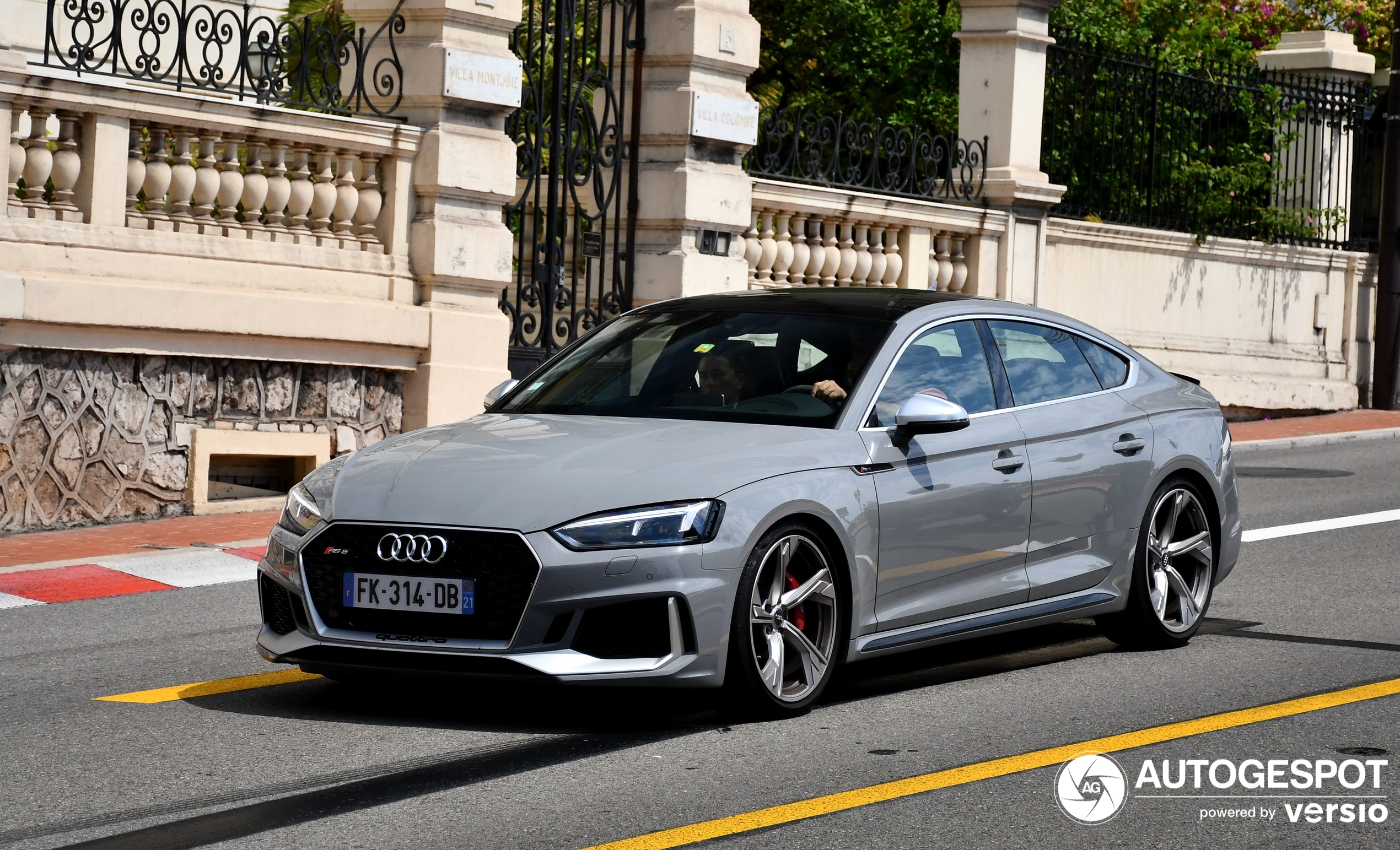
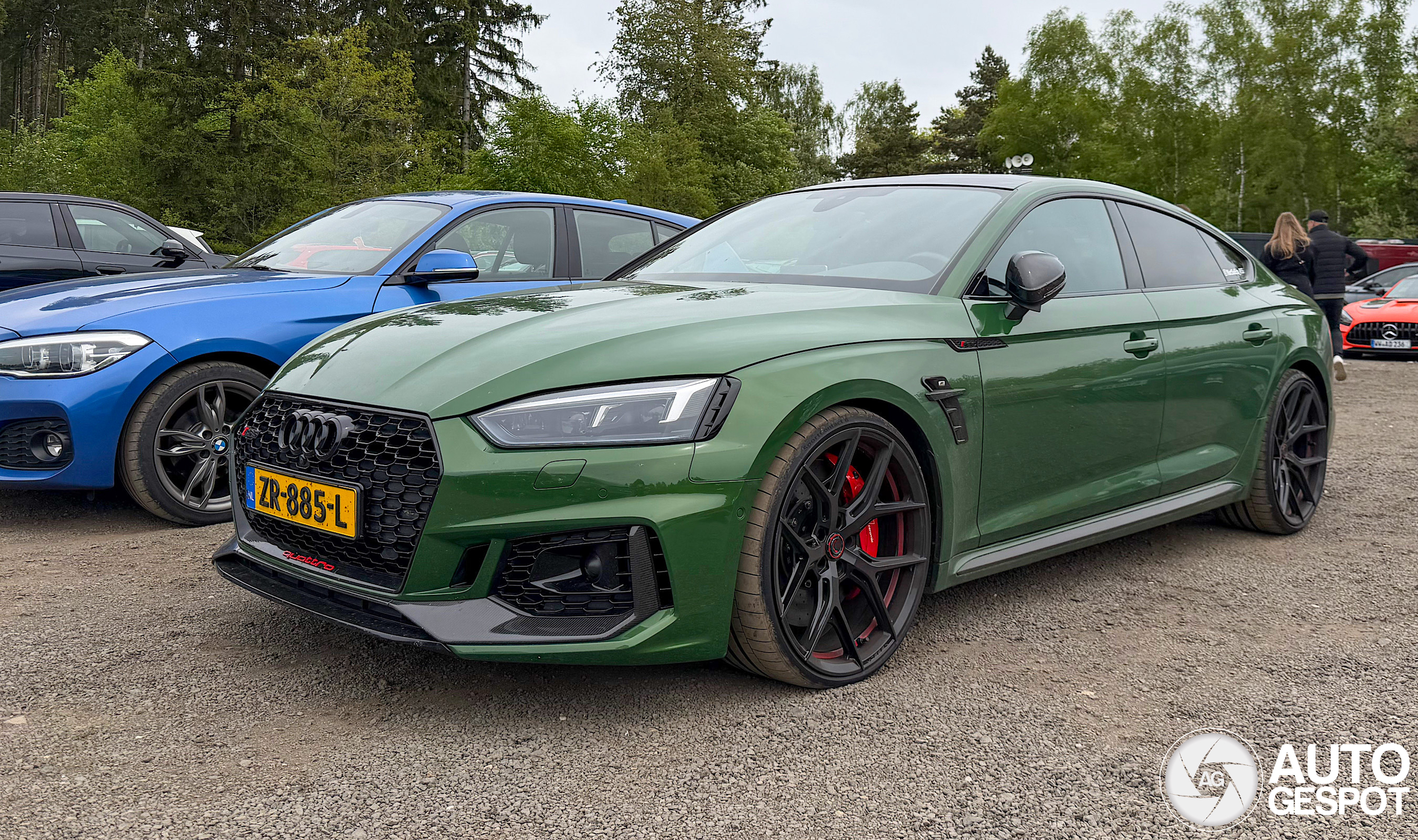
The Audi RS5 Sportback achieves a manufacturer-estimated 0-60 mph time of 3.8 seconds. However, in professional independent testing, this figure frequently drops into the 3.3 to 3.5-second range thanks to its sophisticated Quattro all-wheel-drive system, launch control, and the high-torque delivery of its 2.9-liter twin-turbocharged V6 engine.
Understanding the Audi RS5 Sportback Acceleration Benchmarks
When discussing high-performance executive cars, the 0-60 mph sprint remains the most widely recognized metric of a vehicle's immediate "off-the-line" potential. For the Audi RS5 Sportback, this number is more than just a marketing figure; it is a testament to the vehicle's ability to balance daily utility with supercar-adjacent acceleration.
As of 2026, the Audi RS5 Sportback remains a standout in the internal combustion engine (ICE) performance market. While the automotive landscape has shifted heavily toward electrification, the RS5’s mechanical precision provides a visceral experience that many enthusiasts still prioritize. The discrepancy between Audi’s official 3.8-second claim and the faster results found by independent journalists is a common trait of the Volkswagen Group’s conservative performance ratings. These "official" numbers are typically achievable under a wide variety of less-than-ideal conditions, whereas the mid-3-second times are usually recorded on prepped surfaces with optimal ambient temperatures.
The Engineering Behind the 0-60 Sprint
The acceleration of the RS5 Sportback is not the result of raw horsepower alone. It is a calculated synergy between the powerplant, the transmission, and the drivetrain. To understand how a four-door sedan weighing approximately 4,000 pounds can outrun many dedicated sports cars, we must examine the specific hardware involved.
The 2.9-Liter V6 Biturbo Powerplant (EA839)
At the heart of the RS5 is the 2.9-liter V6 biturbo engine, an engine co-developed with Porsche. It produces 444 horsepower and 443 lb-ft of torque. The "secret sauce" for its 0-60 performance is the torque curve. Unlike naturally aspirated engines that require high RPMs to find their power, the RS5 delivers its full 443 lb-ft of torque starting at just 1,900 RPM and maintains it through 5,000 RPM.
This engine utilizes a "Hot V" configuration, where the two turbochargers are placed inside the "V" of the engine block rather than on the outside. This significantly shortens the path the exhaust gases must travel to reach the turbos, resulting in near-instantaneous boost pressure and minimal turbo lag—crucial for a rapid launch from a standstill.
The 8-Speed Tiptronic Transmission
While many Audi S-models utilize the dual-clutch S-Tronic gearbox, the RS5 Sportback employs an 8-speed Tiptronic (torque-converter) automatic. For 0-60 sprints, the torque converter is actually an advantage. It is capable of handling the massive initial torque hit of a launch-control start more reliably than a clutch-based system. The gear ratios in the lower range are specifically tuned to keep the engine within its peak power band during the rapid shifts required to hit 60 mph.
Quattro All-Wheel Drive and Traction Management
Power is useless if it cannot be transferred to the pavement. The RS5 uses a rear-biased Quattro permanent all-wheel-drive system. Under normal driving, it distributes 40% of the power to the front and 60% to the rear. However, during a 0-60 launch, the self-locking center differential can redirect up to 70% of the power to the front or 85% to the rear as needed to prevent wheel spin.
The available Sport Rear Differential further enhances this by actively distributing torque between the two rear wheels, ensuring that even if one side of the car is on a slicker surface, the vehicle continues to propel forward with maximum efficiency.
Comparing Factory Claims vs. Real-World Performance
It is a well-documented phenomenon in the automotive world that Audi, BMW, and Porsche often "under-promise and over-deliver" on their technical specification sheets.
- Manufacturer Specification: 3.8 seconds.
- Independent Testing (VBOX/Dragy): 3.3 to 3.5 seconds.
- The "1-Foot Rollout" Factor: Many American car magazines (like Car and Driver) use a 1-foot rollout in their testing, which simulates the timing used at a drag strip. This typically subtracts about 0.2 to 0.3 seconds from the total time, explaining why some tests report the RS5 Sportback hitting 60 mph in as little as 3.2 seconds.
Even without the rollout, the RS5’s ability to consistently hit 3.5 seconds on a standard asphalt road is a result of its sophisticated launch control program. By holding the brake and the throttle simultaneously, the computer builds boost and stabilizes RPMs at approximately 3,000-3,500. When the brake is released, the car manages the clutch engagement and torque distribution with millisecond precision, something a human driver could rarely replicate manually.
How the RS5 Sportback Competes (2026 Context)
In the current 2026 market, the RS5 Sportback faces stiff competition from both traditional ICE rivals and high-performance EVs. Below is a comparison of how the RS5 Sportback stacks up against its primary segment competitors in terms of acceleration and power.
| Model | Engine Type | Horsepower | Official 0-60 MPH |
|---|---|---|---|
| Audi RS5 Sportback | 2.9L V6 Twin-Turbo | 444 hp | 3.8s (Tested: 3.3s) |
| BMW M3 Competition xDrive | 3.0L I6 Twin-Turbo | 503 hp | 3.4s (Tested: 3.0s) |
| Mercedes-AMG C63 S E-Performance | 2.0L I4 Hybrid | 671 hp | 3.3s |
| Cadillac CT4-V Blackwing | 3.6L V6 Twin-Turbo | 472 hp | 3.9s (RWD) |
| Tesla Model 3 Performance | Dual Motor EV | ~510 hp | 2.9s |
While the BMW M3 Competition xDrive is technically faster in a straight line, the RS5 Sportback is often praised for its "usable" performance. The Quattro system makes it much easier to achieve these numbers in rainy or less-than-perfect weather compared to its rear-wheel-drive-biased competitors.
Factors Influencing 0-60 Times
A variety of external and internal factors can alter the 0-60 performance of an RS5 Sportback. Owners looking to replicate professional test times should consider the following:
1. Tires and Temperature
Tires are the single most important factor for traction. The RS5 typically comes equipped with summer performance tires (such as the Continental SportContact 6 or Michelin Pilot Sport 4S). These tires require heat to become "sticky." If the ambient temperature is below 45°F (7°C), the rubber hardens, leading to wheel spin and a 0-60 time that could lag by half a second or more.
2. Fuel Quality
The EA839 engine is highly sensitive to octane levels. To achieve maximum horsepower and torque, 91 or 93 octane fuel is required. Using lower-grade fuel will cause the engine control unit (ECU) to pull back ignition timing to prevent "knocking," which directly reduces the explosive power needed for a fast launch.
3. Road Surface
Testing on a "prepped" drag strip (which uses a sticky resin called VHT) will always produce better results than testing on a standard public road. For real-world use, a clean, dry concrete surface generally provides better grip than worn asphalt.
4. Altitude
Because the RS5 is turbocharged, it is less affected by high altitude than naturally aspirated cars. However, in "thin air" (such as in Denver, Colorado), the turbos must spin faster and harder to produce the same amount of boost, which can lead to slightly slower times due to increased heat and lag.
Tuning and Modifications: Pushing Beyond Factory Limits
For many owners, 3.3 to 3.8 seconds is just the starting point. The RS5 Sportback platform is highly receptive to aftermarket modifications. Because the 2.9L engine is built with robust internals, a simple "Stage 1" ECU reflash can increase output to over 500 horsepower and 500 lb-ft of torque.
With these modifications, the 0-60 time frequently drops into the 3.0 to 3.1-second range, placing the Sportback firmly into the territory of high-end supercars from just a few years ago. Further upgrades, such as high-flow intake systems, larger intercoolers, and downpipes (Stage 2), can push the car even further, though these often require more significant maintenance and may impact the vehicle's warranty.
Evolution of the RS5 Sportback Performance
The RS5 Sportback first arrived in the North American market for the 2019 model year. Since then, while the core engine has remained the same, Audi has refined the software and suspension.
In 2023, Audi introduced the Competition Package. This variant didn't add more horsepower but utilized a more aggressive transmission tune, reduced sound deadening (saving weight), and a fixed-ratio steering rack. These changes made the car feel significantly more urgent, and many testers found the Competition Package consistently shaved another 0.1 seconds off the 0-60 time compared to the standard RS5.
Troubleshooting and Maintaining Peak Performance
If an RS5 Sportback is not meeting its performance expectations, several common issues may be at play:
- Intercooler Heat Soak: After several consecutive launches, the intercoolers may become too hot to efficiently cool the intake air. This results in the ECU reducing power to protect the engine.
- Spark Plug Wear: High-performance turbocharged engines are hard on spark plugs. If the plugs are worn or the gap is incorrect, the engine may suffer from "misfires" under high boost, ruining a 0-60 attempt.
- Carbon Buildup: As a direct-injection engine, the RS5 can suffer from carbon deposits on the intake valves over time (usually 40,000+ miles). This can restrict airflow and slightly reduce peak power.
- Transmission Adaptation: The Tiptronic gearbox "learns" a driver's style. If the car has been driven gently for long periods, it may need a few aggressive runs or a software reset to "re-learn" the fastest shifting patterns for a launch.
Frequently Asked Questions
Is the Audi RS5 Sportback faster than the RS5 Coupe?
Technically, the RS5 Coupe is approximately 60-100 pounds lighter than the Sportback, which theoretically gives it a microscopic advantage. However, in real-world 0-60 testing, the times are identical. The Quattro system's traction is the great equalizer, and the aerodynamic differences are negligible at speeds under 60 mph.
Does using Launch Control damage the car?
Audi designs the RS5 to handle launch control starts, but they are stressful on the drivetrain. The car has built-in safeguards; for example, it will not allow a launch if the transmission fluid temperature is too high or too low. Frequent use will accelerate wear on the transmission fluid and tires, but it is a standard feature covered under warranty.
How do I activate Launch Control in the RS5 Sportback?
To activate launch control: 1) Ensure the engine is at operating temperature. 2) Select "Dynamic" mode in Audi Drive Select. 3) Push the Traction Control (ESC) button once to enter "Sport" mode. 4) Move the gear selector to "S". 5) Firmly press the brake with your left foot and fully depress the accelerator with your right foot. The RPMs will hold at a steady point. 6) Release the brake.
Does the RS5 Sportback have a top speed limiter?
Yes. The standard RS5 Sportback is electronically limited to 155 mph. However, if equipped with the Dynamic Plus package or the Competition Package, the limiter is raised to 174 mph or 180 mph, depending on the specific model year and region.
Is the 0-60 time different for the 2026 models compared to 2021?
For the 2026 model year (assuming the B9.5 generation or a refined transition), the 0-60 remains consistent at 3.8 seconds factory and ~3.4 seconds tested. Unless the vehicle has the "Competition" or "Performance" trim software, the mechanical output has remained stable across this generation.
Final Recommendation
If your primary goal is achieving the fastest possible 0-60 time in a luxury daily driver, the Audi RS5 Sportback remains a premier choice. While some electric vehicles may offer quicker initial bursts, the RS5 provides a repeatable, mechanical, and engaging experience that EVs often lack. For the best results, ensure the vehicle is equipped with high-quality summer tires, use 93 octane fuel, and utilize the built-in launch control system on a dry, warm surface. As the automotive world moves toward 2030, the RS5 Sportback stands as one of the final, highly-refined examples of what a twin-turbo V6 can achieve.