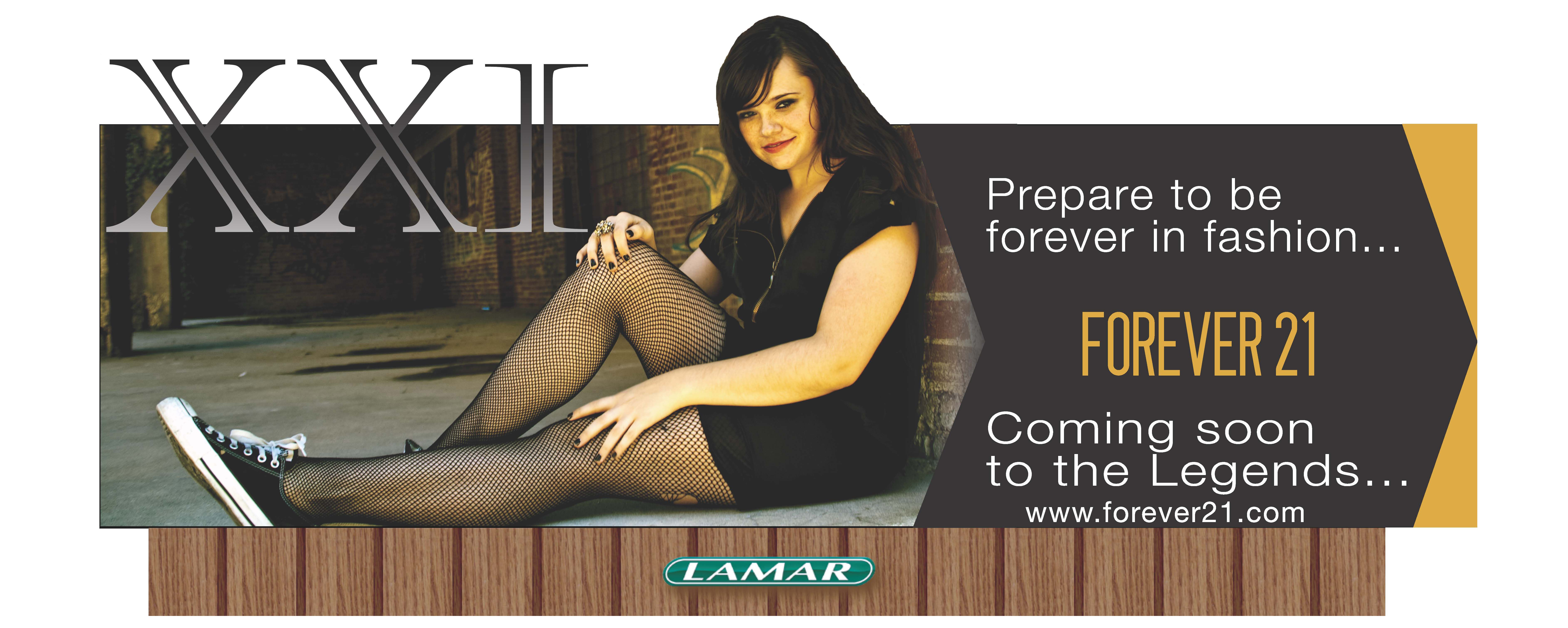
Yes, XXI Forever is a specific retail concept and store format owned and operated by Forever 21. While they are the same company, the "XXI" branding—the Roman numeral for 21—is typically reserved for larger, flagship locations that offer a more expansive inventory, including home goods and multiple sub-brands, compared to standard Forever 21 boutiques.
The landscape of American fast fashion has undergone significant shifts over the last decade, yet the name Forever 21 remains one of the most recognizable icons in the retail industry. For many shoppers, walking through a high-end mall often presents a point of confusion: the presence of large, sprawling stores labeled "XXI Forever" rather than the traditional "Forever 21." To understand why this distinction exists, one must look at the historical growth, the branding psychology, and the strategic pivots the company has made since its inception in the mid-1980s.
The Evolution of the Brand: From Fashion 21 to XXI
The story of Forever 21 began in 1984 when founders Do Won Chang and Jin Sook Chang opened a 900-square-foot store in Los Angeles called Fashion 21. Originally targeting the local Korean-American community, the store saw immediate success, leading the founders to expand rapidly. As the brand grew beyond its California roots, it was renamed Forever 21 to appeal to a broader demographic that desired trendy, affordable clothing that made them feel youthful.
As the company entered the 2000s, it adopted an aggressive expansion strategy. Instead of sticking to small mall boutiques, the management began leasing massive department store spaces left vacant by struggling retailers like Mervyn’s or Sears. To distinguish these massive, multi-level retail environments from their smaller counterparts, the company introduced the "XXI Forever" branding.
The use of Roman numerals was a calculated move to provide a more sophisticated, "upscale" aesthetic to the brand’s flagship locations. While the core product—affordable, fast-moving fashion—remained the same, the XXI stores were designed to be destinations rather than just shops. As of 2026, many of these large-format locations still stand, though the company’s internal naming conventions have become more integrated under the primary Forever 21 umbrella.
Defining the XXI Forever Store Concept
The primary difference between a standard Forever 21 and a XXI Forever store lies in scale and selection. In the retail world, square footage is a primary driver of branding decisions. Standard Forever 21 stores generally occupy between 5,000 and 15,000 square feet. In contrast, a XXI Forever flagship can range from 20,000 to over 100,000 square feet.
Inventory Depth and Sub-Brands
Because XXI stores have so much more floor space, they house the full spectrum of the company’s sub-brands. Shoppers in a XXI location will find dedicated sections for:
- Heritage 1981: A more bohemian, vintage-inspired line.
- Love 21: A contemporary line aimed at a slightly older, more professional demographic.
- Forever 21 Girls: Apparel for children and pre-teens.
- 21MEN: Formerly Heritage 1981 Men, this section provides trendy menswear.
- F21 Home: A lifestyle section featuring bedding, stationary, and decor.
Store Design and Layout
The "XXI" branding often accompanies more elaborate store designs. This includes grander entrances, more sophisticated lighting, and a higher density of mannequins and visual merchandising displays. The goal is to mimic the experience of a high-end department store while maintaining the low price points associated with the brand. By using Roman numerals, the brand subtly suggests a sense of "legacy" and "grandeur" that the standard Arabic numerals might lack.
Business Restructuring: The 2019 Bankruptcy and Beyond
To understand the current status of XXI Forever in 2026, it is essential to look at the financial restructuring that occurred in 2019. Forever 21 filed for Chapter 11 bankruptcy protection as it struggled with high debt and the massive overhead costs of its large-format XXI stores. Many of the very stores that bore the "XXI" name were the ones contributing to the company's financial strain because the cost of maintaining 100,000-square-foot spaces in prime malls became unsustainable in the age of e-commerce.
In February 2020, the company was acquired by a consortium consisting of Authentic Brands Group (ABG), Simon Property Group, and Brookfield Property Partners. This group formed "Sparc Group LLC" to manage the operations.
Under this new ownership, the strategy shifted from "bigger is better" to a more balanced omnichannel approach. While they kept many of the profitable XXI Forever locations, they closed hundreds of underperforming ones. In 2026, the branding "XXI" is often maintained at locations where the signage is already established and the mall's prestige warrants the "flagship" designation. However, from a corporate and digital perspective, the company has largely consolidated back into the singular "Forever 21" identity to streamline marketing efforts.
Comparing Store Formats: Forever 21 vs. XXI Forever
The following table breaks down the material differences between the two primary store formats you may encounter in the current retail market.
| Feature | Forever 21 (Standard) | XXI Forever (Flagship/Large Format) |
|---|---|---|
| Typical Square Footage | 5,000 – 15,000 sq. ft. | 20,000 – 100,000+ sq. ft. |
| Primary Location | Standard mall wings, strip centers. | High-traffic mall anchors, city centers. |
| Product Selection | Best-sellers, core trends, accessories. | Full catalog, including home and kids. |
| Store Layout | Single floor, simplified navigation. | Multi-level, departmentalized sections. |
| Branding Focus | Youthful, fast-fashion convenience. | Lifestyle destination, flagship prestige. |
| Fitting Room Volume | Moderate (10-20 stalls). | High (30-50+ stalls). |
The Strategic Purpose of Roman Numerals in Retail
The choice of "XXI" is more than just a stylistic preference; it is a play on retail psychology. Fast fashion often battles the perception of being "cheap" or "disposable." By branding their largest and most impressive stores as "XXI Forever," the company attempts to elevate the brand's status.
In marketing, Roman numerals are frequently associated with institutions, history, and luxury (consider the branding of high-end watches or traditional law firms). For Forever 21, the "XXI" was a way to communicate to the consumer that they were entering a "premium" version of the store. This allowed the brand to compete for foot traffic with traditional department stores like Macy's or Nordstrom, positioning themselves as a modern, affordable alternative to the legacy retailers that occupied similar anchor spaces in malls.
Inventory and Product Lines: What to Expect in XXI
If you are shopping in a store labeled XXI Forever, the experience is designed to be exhaustive. Unlike the smaller boutiques that might only carry the top 20% of trending items, a XXI location acts as a physical catalog for the entire brand.
Trend Cycles and Speed
XXI Forever locations are the primary beneficiaries of the "fast fashion" supply chain. These stores receive shipments almost daily. Because of their size, they can accommodate "micro-trends"—styles that may only be popular for 4–6 weeks. Technical specifications for their inventory management involve a highly sophisticated "Just-in-Time" (JIT) delivery system that ensures the floor is constantly refreshed.
Sizing and Inclusivity
Large-format XXI stores are also more likely to carry the full range of "Forever 21 Plus" and "Forever 21 Men" collections. In smaller mall stores, these sections are often truncated or omitted entirely due to space constraints. For consumers looking for specific sizes or the most diverse array of cuts, the XXI format remains the preferred physical shopping destination.
The Global Footprint and International Branding
The XXI Forever branding was not limited to the United States. During its peak international expansion, the company used this branding in various global markets to signal its flagship status. However, international logistics proved more difficult than domestic operations.
Following the 2019 bankruptcy, the company pulled out of many international markets, including most of Europe and parts of Asia. In 2026, the brand has re-entered some of these markets through licensing agreements and a heavy focus on e-commerce. In these newer international ventures, the company typically favors the "Forever 21" name for consistency, as the "XXI" distinction can sometimes be lost in translation or confused with other local brands.
Shopping in 2026: The Current State of Forever 21 and XXI
As of 2026, the retail landscape has stabilized. Forever 21 has successfully integrated its digital platform with its physical stores. Whether a store is labeled "XXI" or "Forever 21," the modern consumer expects a seamless experience.
Buy Online, Pick Up In-Store (BOPIS)
The large XXI locations have become central hubs for the brand's omnichannel strategy. Because these stores have larger stockrooms and more staff, they serve as the primary locations for "Buy Online, Pick Up In-Store" (BOPIS) and "Curbside Pickup" services. If you order from the Forever 21 website and choose a pickup option, the system will often direct you to the nearest flagship or XXI location because it is more likely to have the item in stock.
Sustainability and the 2026 Market
Under the management of Sparc Group, there has been an increased focus on the "circular economy." Many XXI Forever stores now include "Recycle and Reward" bins where customers can bring old clothing in exchange for discounts. This is part of a broader industry effort to combat the environmental criticisms often leveled at fast-fashion giants.
Frequently Asked Questions
Is the quality different at XXI Forever stores?
No, the garment quality at XXI Forever is identical to that of standard Forever 21 stores. Both formats source their apparel from the same manufacturers and supply chains. The difference is purely in the variety of styles available and the physical size of the retail space.
Why do some malls have both a Forever 21 and a XXI Forever?
In very large shopping centers, you may occasionally see a standard Forever 21 (perhaps focusing on accessories or a specific niche) and a XXI Forever flagship. However, post-2019 restructuring, the company has worked to eliminate this redundancy. If both exist, the XXI store is the primary location with the full inventory.
Can I return Forever 21 items at a XXI Forever store?
Yes. Since XXI Forever is simply a store format of the parent company, they share the same point-of-sale (POS) system. You can return or exchange items purchased at a standard Forever 21, a XXI Forever, or on the official website at any physical location, provided you meet the return policy requirements.
Does the "XXI" stand for something other than 21?
No, "XXI" is strictly the Roman numeral for 21. It was chosen to signify a more mature, upscale evolution of the original "Forever 21" concept, intended to suggest that the brand is "forever" and "timeless" while acknowledging its numerical identity.
Is XXI Forever more expensive than Forever 21?
No, the pricing structure is consistent across all brand formats. A dress priced at $24.99 at a standard boutique will cost the same $24.99 at a XXI Forever flagship. The "upscale" nature of the XXI stores refers to the shopping environment and selection depth, not a higher price tier.
Summary Recommendation
If you are looking for a specific item, a particular size, or a piece from one of the brand's smaller sub-collections like "F21 Home" or "21MEN," your best course of action is to visit a XXI Forever location. These flagship stores offer the most comprehensive physical representation of the brand's inventory. However, if you are simply looking for the latest seasonal trends or basic accessories, a standard Forever 21 will provide the same products at the same prices without the overwhelming scale of a flagship store. Always check the store locator on the official website before visiting, as many locations have been rebranded or updated to reflect the company’s 2026 streamlined identity.