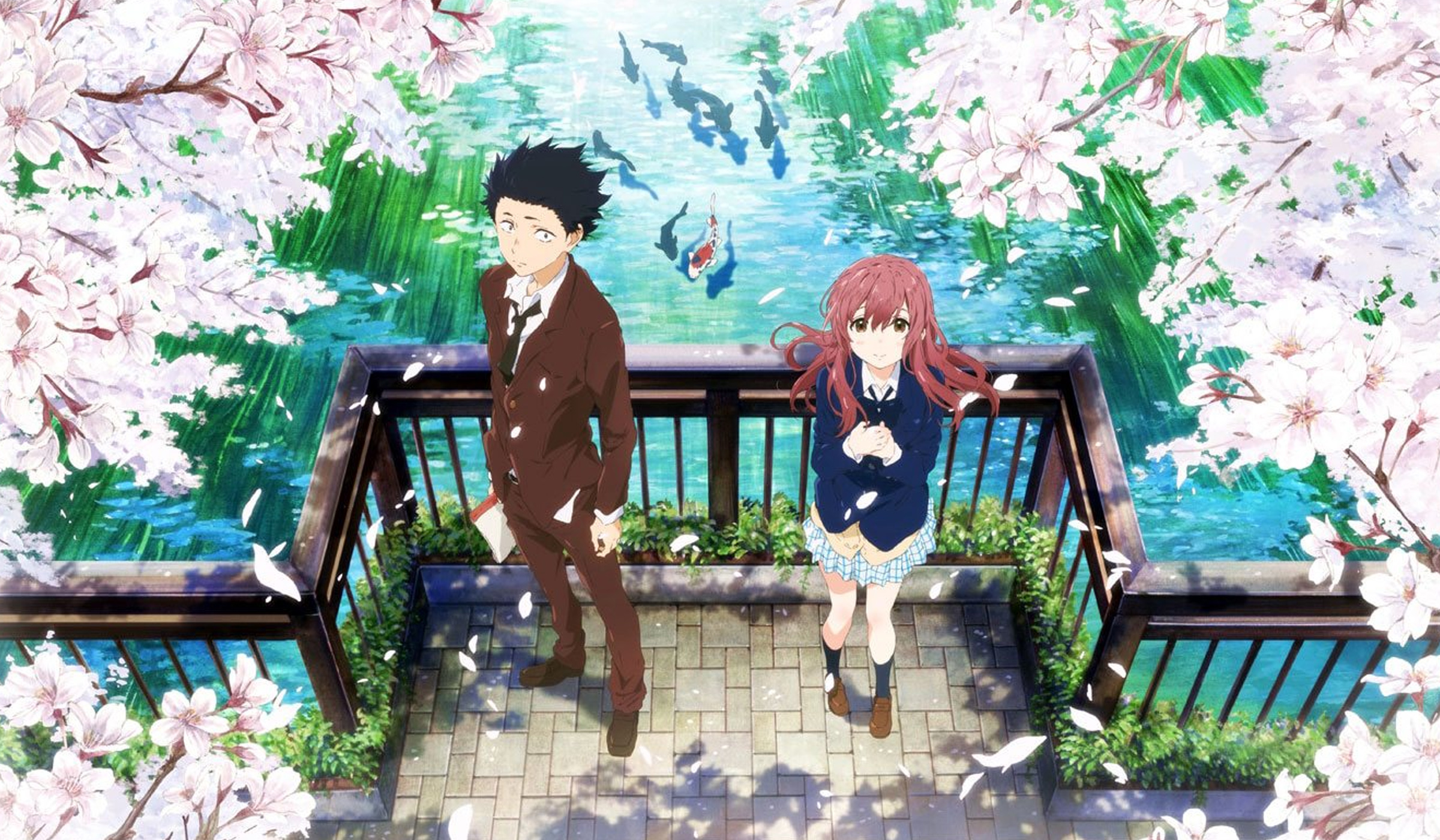
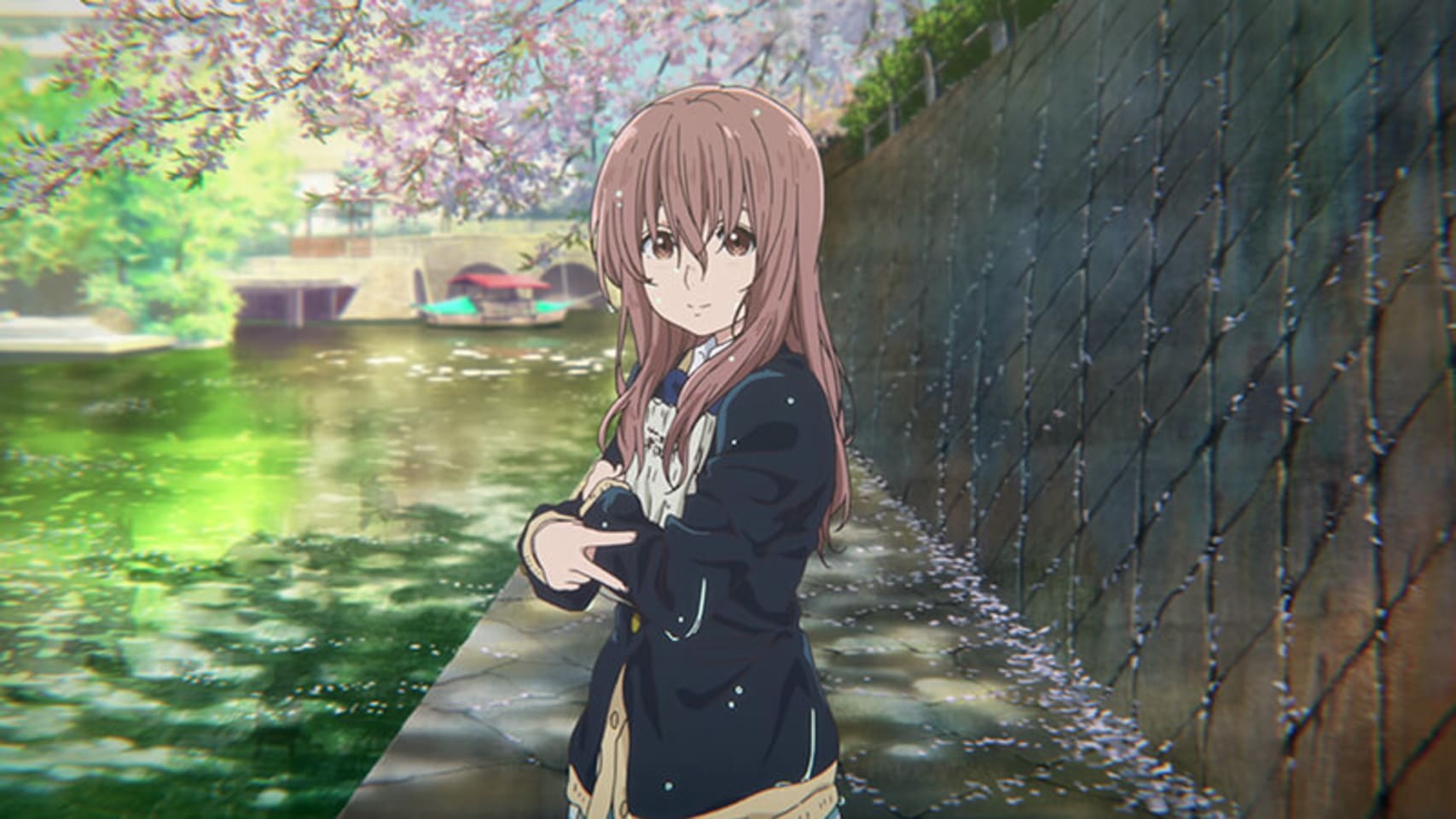
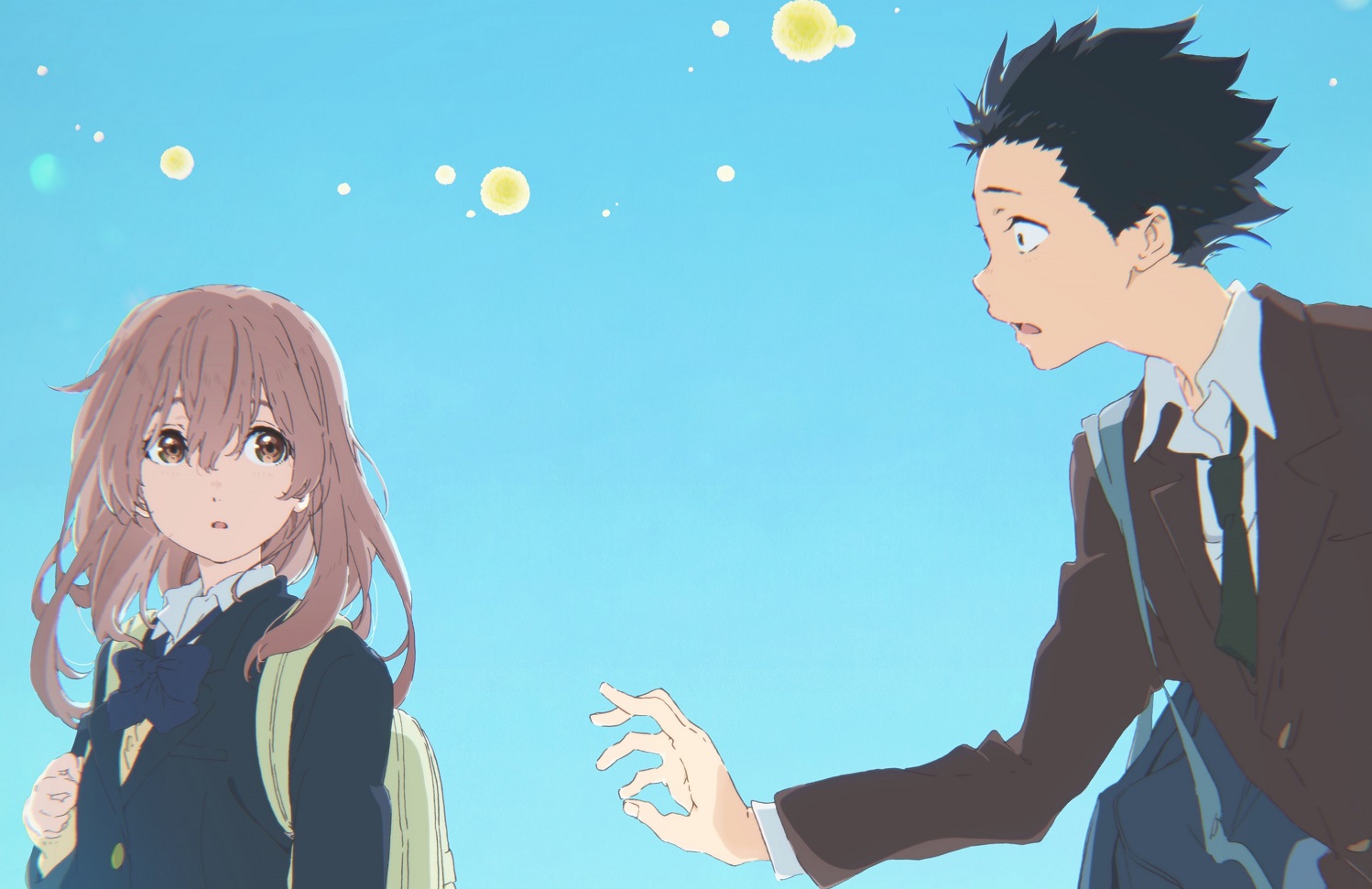
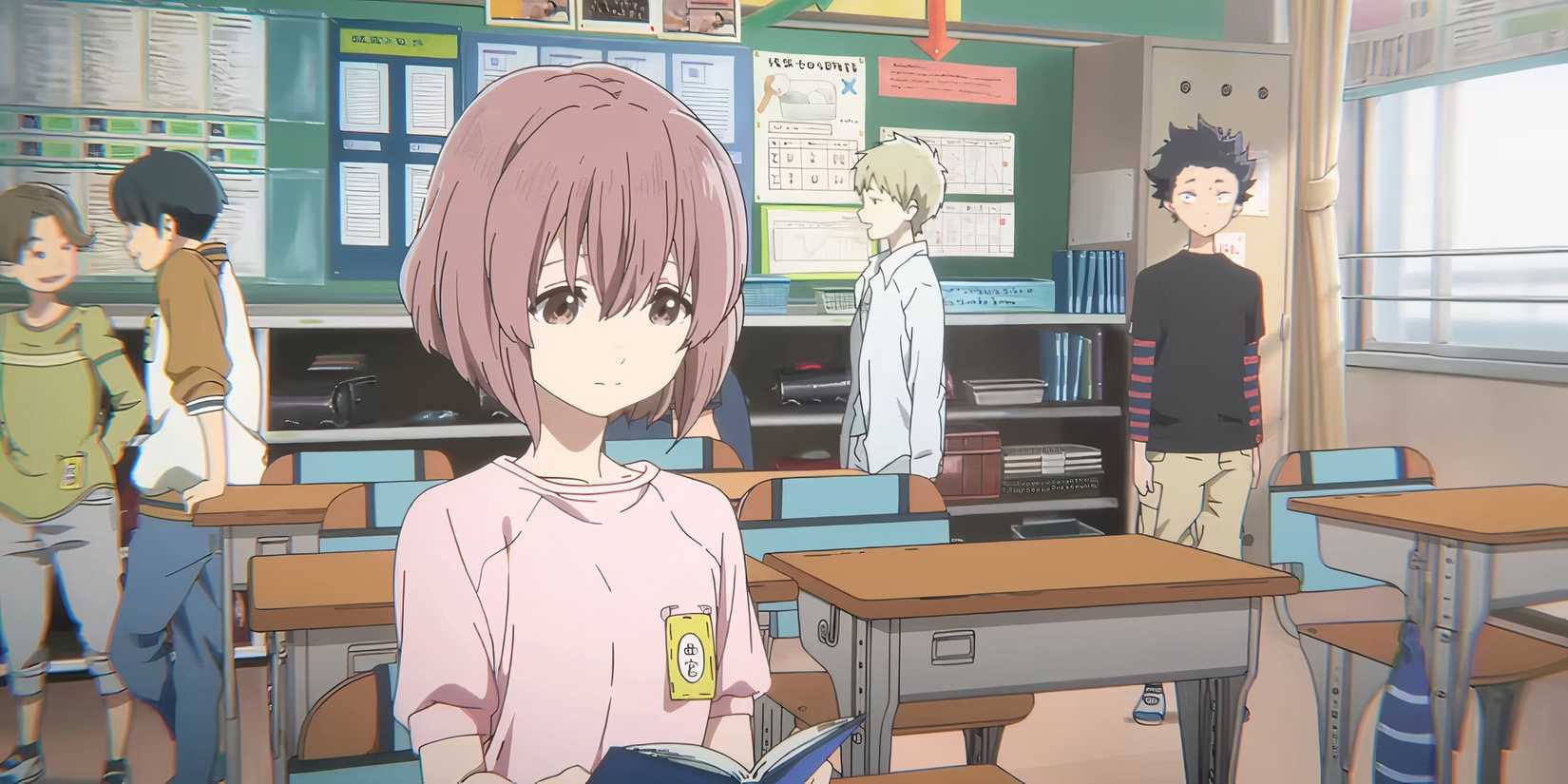
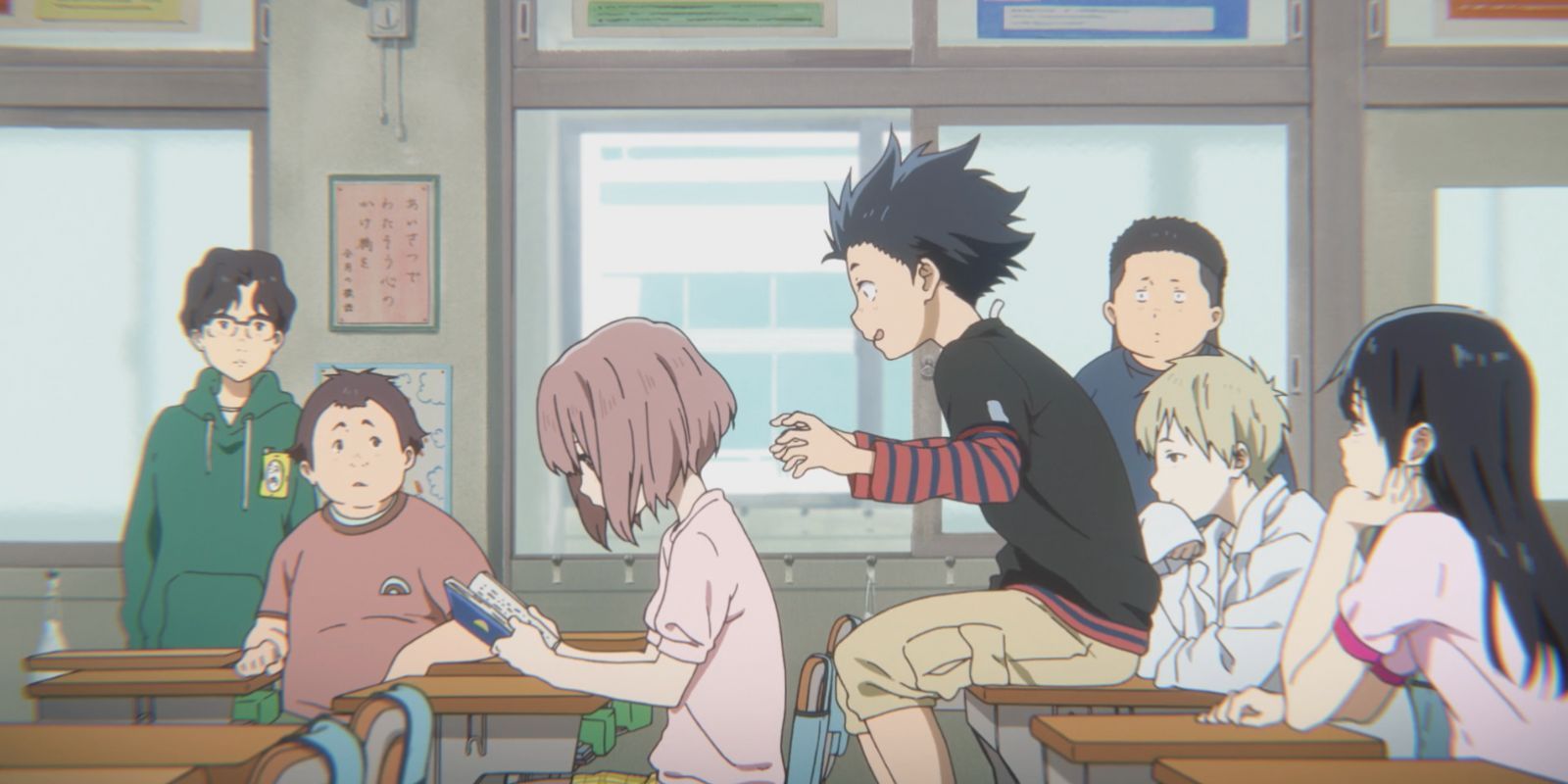
A Silent Voice (originally titled Koe no Katachi) is an acclaimed 2016 Japanese animated feature film directed by Naoko Yamada and produced by Kyoto Animation. The story centers on the complex relationship between Shoya Ishida, a former school bully, and Shoko Nishimiya, a girl who is deaf, exploring themes of redemption, disability, communication, and the long-term impacts of social ostracization.
The Premise: Beyond the Label of a "Deaf Anime Movie"
While many viewers identify the film as a "deaf anime movie," this description serves only as a starting point for a much deeper psychological exploration. The film is based on the manga series of the same name by Yoshitoki Oima. It begins in elementary school, where Shoya Ishida leads his classmates in bullying Shoko Nishimiya after she transfers to their school. The bullying becomes so severe—including the destruction of her expensive hearing aids—that Shoko eventually transfers away.
The narrative shifts years later to high school, where Shoya has become a social pariah himself, consumed by guilt and suicidal ideation. He decides to track down Shoko to seek forgiveness and make amends. By narrowing the focus to this specific relationship, the film examines the communication barriers that exist not just because of hearing loss, but because of emotional trauma, pride, and the fear of social judgment.
Character Dynamics and the Representation of Deafness
The portrayal of Shoko Nishimiya is a critical element of the film's success. Unlike many portrayals of disability in media that rely on "inspirational" tropes, A Silent Voice provides a grounded, realistic look at the life of someone who is deaf.
Shoko Nishimiya’s Perspective
Shoko is not defined solely by her deafness. She is portrayed as a multifaceted individual with her own insecurities, desires, and frustrations. The film emphasizes that being deaf affects her interaction with the world in physical ways—such as relying on sign language, reading lips, and managing speech—but it also highlights how her disability makes her a target for those who refuse to understand or accommodate her.
Shoya Ishida’s Transformation
Shoya’s journey is one of the most compelling aspects of the movie. His path from an ignorant bully to an empathetic young man is not presented as a simple heroic arc. Instead, it is a messy, difficult process. As he attempts to reconnect with Shoko, he learns that "apologizing" is not a single act but a commitment to changing his worldview. His isolation, represented visually by "X" marks over the faces of people around him, serves as a powerful metaphor for his inability to connect with others.
Artistic Direction and Technical Execution
Kyoto Animation is renowned for its attention to detail, and A Silent Voice is often cited as a technical masterpiece. The animation studio utilized specific techniques to immerse the audience in Shoko’s lived experience.
- Sound Design: Throughout the film, the audio mix often shifts to reflect Shoko’s perspective. Sounds are sometimes muffled or completely absent, forcing the viewer to rely on visual cues, much like Shoko herself.
- Sign Language Integration: The production team prioritized accuracy in the depiction of Japanese Sign Language (JSL). The fluidity and nuances of the hand movements were animated with high fidelity, ensuring that the primary language of the protagonist was respected and accurately represented.
- Visual Metaphors: The use of flowing water, changing seasons, and the "X" marks on faces creates a distinct visual language that communicates the emotional state of the characters without the need for constant dialogue.
Comparison: Why It Matters in the Anime Landscape
To understand the impact of A Silent Voice, it is helpful to contrast it with other mainstream animated works that deal with social issues or disabilities.
| Feature | A Silent Voice | Typical Coming-of-Age Anime |
|---|---|---|
| Primary Conflict | Internal guilt & communication | External competition or fantasy |
| Portrayal of Disability | Realistic & multifaceted | Often tokenized or romanticized |
| Resolution | Incremental progress | Sudden "all is fixed" endings |
| Primary Audience | Mature youth & adults | Generally broad demographics |
While many films in the genre focus on high-stakes fantasy or action, this movie chooses to focus on the "small" stakes of human connection. The film argues that the most difficult battles are those fought against our own past mistakes and our inability to empathize with those we have hurt.
Critical Reception and Cultural Impact
Since its 2016 release, the film has maintained a high status in the anime community and beyond. Critics have frequently pointed to its handling of sensitive topics—including bullying, mental health, and the burden of guilt—as a benchmark for the medium.
- Educational Value: Because of its nuanced depiction of bullying, the film is frequently used in educational settings to facilitate discussions about empathy and inclusion.
- Deaf Advocacy: By showing the logistical challenges Shoko faces—such as the bullying she receives and the lack of support systems—the film has contributed to a wider awareness of the barriers faced by the deaf community, particularly in the Japanese educational system.
- Emotional Resonance: The film avoids the temptation to make Shoko a "saint" or Shoya a "villain." Both characters are flawed, which makes their eventual connection feel earned rather than forced.
Addressing Common Misconceptions
There are often questions surrounding the film that stem from its genre and subject matter. Addressing these clarifies the viewing experience:
- Is the movie meant for children? While it is animated, the subject matter (suicide, bullying, and complex emotional trauma) is intended for a mature audience. It is often rated PG-13 or equivalent depending on the region.
- Does the movie focus only on sign language? No. While sign language is central to the plot, the movie is primarily about the desire to communicate, which transcends any specific language.
- Is the ending "happy"? The ending is bittersweet and realistic. It does not provide a magical cure for the characters' trauma, but rather suggests that they have finally begun to "hear" and "see" each other, offering a path forward.
Frequently Asked Questions
1. Is "A Silent Voice" based on a true story? No, it is a fictional story based on the manga written by Yoshitoki Oima. However, the author conducted extensive research and interviews with the Japanese deaf community to ensure that Shoko’s character and her challenges were portrayed as accurately and respectfully as possible.
2. Why is the movie called "A Silent Voice"? The title refers to the many ways people communicate outside of verbal speech. It highlights how Shoko’s "voice"—her emotions, her needs, and her identity—is ignored or suppressed by those around her, and how Shoya eventually learns to listen to the "silent" cues of others.
3. Does the film accurately represent deafness? Most critics and advocates agree that it does an excellent job of representing the barriers faced by the deaf, including the social isolation, the frustration of miscommunication, and the reliance on visual support. It does not claim to represent the entire deaf experience, as every individual’s experience is unique, but it is praised for its lack of stereotypes.
4. Can I watch this movie if I don't know Japanese Sign Language? Absolutely. The film is designed to be accessible to everyone. The subtitles and the visual storytelling provide all the context needed to follow the narrative, regardless of your familiarity with sign language.
5. What is the best way to watch this movie? As of 2026, the film is widely available on major streaming platforms and through digital retailers. To fully appreciate the sound design, which is integral to the film's success, it is recommended to watch it with a decent sound system or high-quality headphones.
Final Recommendation
If you are looking for a film that challenges your perceptions of human connection and empathy, A Silent Voice is essential viewing. To get the most out of the experience, approach it not as a "disability movie," but as a profound character study. Pay close attention to the visual cues and the sound design, as they provide just as much narrative information as the dialogue. If you find the themes of social anxiety and redemption compelling, consider pairing your viewing with a reading of the original manga, which provides further context on the side characters and their personal struggles.