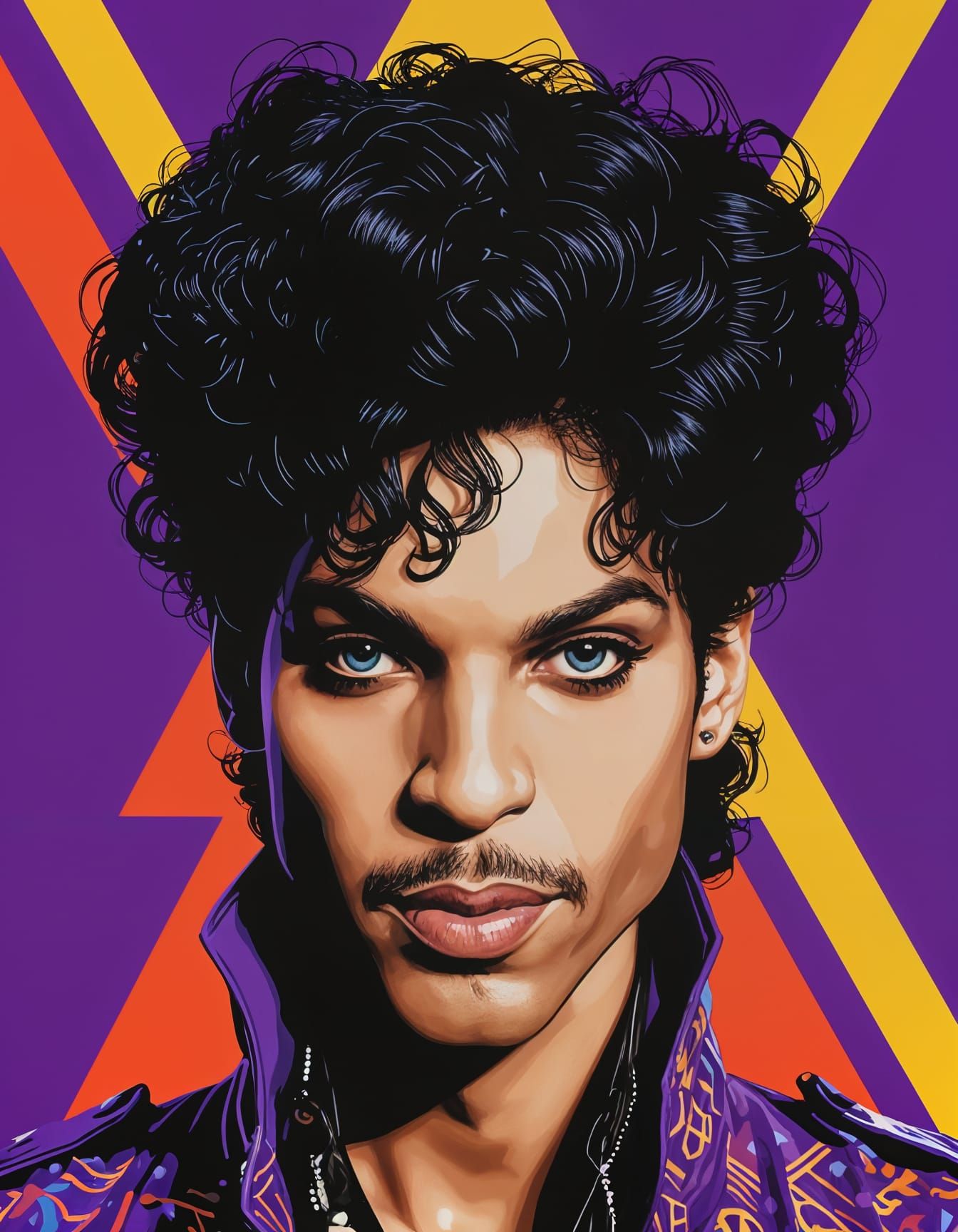
In the complex landscape of the British monarchy, the phrase "a royal formerly known as Prince" most frequently refers to the shift in status and titular designation of Prince Harry, the Duke of Sussex. While he retains his status as a prince of the blood royal, his transition away from being a "working royal" to a private citizen represents a significant evolution in royal protocol, financial independence, and public representation in the 21st century.
This guide clarifies the nuances of royal titles, the implications of stepping back from official duties, and the sustained legal standing of a prince who has moved into a private capacity.
The Distinction Between Rank and Duty
To understand the position of a royal formerly known as a prince—specifically in the context of Prince Harry—it is essential to distinguish between a "Prince" as a birthright and "working royal" as a professional function.
Royal Rank as a Constant
The title of "Prince" is a style and status conferred by birth or royal decree. Under the Letters Patent issued by King George V in 1917, the children and grandchildren of the sovereign are entitled to the style of Royal Highness and the title of Prince or Princess. This is a dynastic designation that remains with the individual regardless of their employment or geographic location. Even as the individual moves into the private sector, the fundamental heraldic and legal rank remains unchanged.
Working Royal vs. Private Citizen
A "working royal" refers to an individual who carries out official engagements on behalf of the monarch. When a royal steps back from this role, they cease to represent the Crown in an official capacity. For Prince Harry, this transition involved the formal agreement reached in early 2020, commonly referred to as the "Sandringham Agreement." Under these terms, while he retains his title, he does not perform official duties, no longer receives public funding for royal work, and transitioned toward full financial independence.
Historical Precedents and Modern Adaptations
The British monarchy has historically navigated various forms of transition. When analyzing the current state of a royal moving into private life, it is helpful to look at how these roles have been adapted over time.
The Evolution of the "HRH" Style
One of the most discussed aspects of this transition is the use of the "His Royal Highness" (HRH) style. While an individual may retain the title of Prince, the use of the prefix HRH is a matter of protocol controlled by the sovereign. In the case of the Duke and Duchess of Sussex, it was established that while they remain members of the royal family, they do not actively use their HRH styles in their private business ventures. This creates a functional separation between their identity as members of the House of Windsor and their identity as private business owners and advocates.
Financial Autonomy
A major pillar of the modern transition is the cessation of the Sovereign Grant for the individual's personal and operational expenses. A royal who is "formerly known as Prince" in the colloquial sense of leaving the professional royal circuit must generate their own income through personal ventures, speaking engagements, and literary projects. This shift effectively places the individual under the same economic pressures as any other private citizen, marking a departure from the traditional life of state-funded public service.
Implications for Public Perception and Media
The shift in status for a high-profile royal invariably impacts how they are perceived and covered by global media. In 2026, the discourse surrounding such figures often centers on the tension between their private lives and their historical public legacy.
The Balancing Act of Advocacy
Even as private citizens, royals often continue their advocacy work. The challenge lies in maintaining the authenticity of their causes while distancing themselves from the political neutrality required of the core working monarchy. This creates a unique profile: an individual who possesses the platform and historical significance of a royal, but who operates with the autonomy of an independent public figure.
Media Representation
The media's reliance on titles remains a point of friction. While the official stance may emphasize their private status, headlines often retain the "Prince" designation due to its immediate global recognizability. This dual identity—the private person and the public symbol—creates a persistent, blurred line that continues to generate debate regarding the role of modern royalty in the information age.
Comparison Table: Working Royals vs. Non-Working Royals
| Feature | Working Royal | Non-Working Royal (Private Capacity) |
|---|---|---|
| Official Duties | Represents the Monarch | No official representation |
| Public Funding | Sovereign Grant | Private funds/personal earnings |
| HRH Usage | Active and expected | Ceased for commercial use |
| Advocacy Work | Aligned with state interests | Independent personal initiatives |
| Security Status | Provided by state (as assessed) | Reviewed on a case-by-case basis |
Navigating Legal and Administrative Standing
Beyond public perception, there are concrete administrative realities for a royal living in a private capacity.
Security and Protection
One of the most consequential issues for a royal who has stepped back is the provision of protective security. Unlike working royals whose security is automatically managed by the state, those in a private capacity face evolving legal requirements. The debate often centers on whether the risk profile associated with their identity as a "Prince" necessitates state-funded protection, even when they are not acting on behalf of the state. These disputes are typically resolved in the courts, highlighting the intersection of private safety and public legacy.
Succession and Constitutional Standing
It is important to note that a shift in "working" status does not alter an individual's place in the line of succession. A prince remains in their respective position for the throne, subject to the laws of succession defined by Parliament and the Crown. This remains true regardless of their geographic location, employment status, or the cessation of their HRH style. The constitutional integrity of the monarchy is maintained independently of an individual's daily activities.
Common Questions Regarding Royal Status Changes
Does stepping back mean the individual is no longer a prince?
No. The title of "Prince" is a dynastic honor and a birthright. Stepping back from official royal duties changes the professional relationship with the Crown, but it does not remove the inherent status or the title itself.
Can a private royal represent the country abroad?
Generally, no. Representing the country, engaging in state diplomacy, and attending official royal tours are functions reserved for the working members of the royal family. A royal in a private capacity may travel abroad, but they do so as a private individual rather than a representative of the monarch.
How are commercial ventures handled?
When a royal operates as a private citizen, they are typically free to pursue commercial ventures. However, they must exercise caution to ensure these ventures do not use royal titles or the institution in a way that suggests official endorsement, which could compromise the neutrality of the Crown.
Is the "HRH" style removed legally?
The style of "His Royal Highness" is a designation that can be retained or restricted by the sovereign. It is not necessarily "removed" in a legal sense, but the individual may be instructed to stop using it publicly as part of the terms of their departure from working status.
Do they still owe allegiance to the monarch?
Yes. Members of the royal family remain subject to the monarch as the head of the family, regardless of their working status. Family dynamics and private duties to the House of Windsor continue to exist outside of the official state apparatus.
Final Perspective
The narrative of a royal who has transitioned into private life is a hallmark of the 2026 era of the monarchy. It reflects a shift toward a more individualized form of public life, where the weight of heritage is balanced against the modern desire for personal autonomy. While the "Prince" title remains an indelible part of their identity, the functional reality of their life has pivoted toward the standard experience of a global, private figure.
For those monitoring these developments, the primary takeaway is that status is no longer synonymous with duty. The ability to distinguish between these two components is critical to understanding the modern royal experience. As these individuals continue to navigate their roles, the focus will likely remain on their private initiatives and their capacity to maintain relevance while operating outside the traditional structures of the Crown.