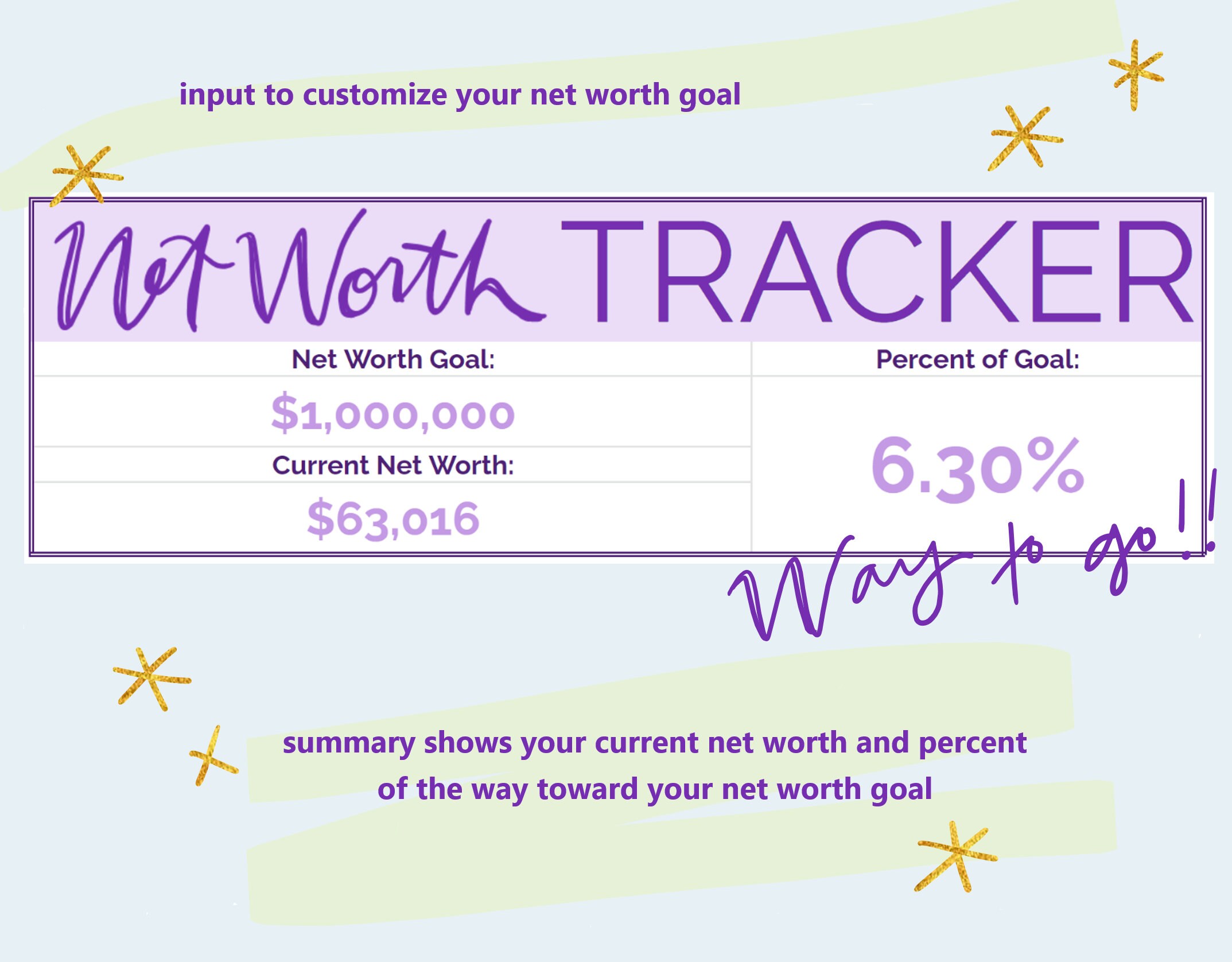
A reasonable net worth goal is not a fixed universal number but a personalized financial benchmark calculated by matching your projected retirement lifestyle costs against your current savings rate, debt obligations, and inflation expectations. It serves as a quantitative reflection of your ability to sustain your desired standard of living independent of active employment income.
Understanding the Concept of Net Worth
At its core, net worth is the simplest measure of financial health: it is the total value of all your assets minus all your liabilities. Assets include cash, retirement accounts, real estate equity, and personal property, while liabilities encompass mortgages, student loans, credit card balances, and other outstanding debt.
When setting a "reasonable" goal, many individuals make the mistake of focusing on round numbers or social comparisons. A goal of $1 million, for instance, might be a significant milestone for some, yet entirely insufficient for others living in high-cost-of-living areas or those with substantial medical or lifestyle expenses. A reasonable goal is one that is anchored in your unique fiscal reality. It must account for your age, your expected retirement date, your desired annual spending, and the tax implications of withdrawing from various investment vehicles.
The Mathematics of the Withdrawal Rate
The most common framework for determining a reasonable net worth is the "4% Rule," a guideline derived from the Trinity Study that suggests you can safely withdraw 4% of your total retirement portfolio annually, adjusted for inflation, with a high probability of the money lasting at least 30 years.
To use this to find your net worth goal, use the following calculation:
- Determine your desired annual retirement income (e.g., $60,000).
- Subtract expected income from other sources (e.g., Social Security or pensions).
- Identify the remaining amount needed from your portfolio (e.g., $40,000).
- Multiply that amount by 25 (the inverse of 4%).
In this example, $40,000 multiplied by 25 equals a target net worth of $1,000,000. While this provides a baseline, it assumes a balanced portfolio of stocks and bonds. As of 2026, many financial planners suggest that a more conservative withdrawal rate—perhaps 3% or 3.5%—may be safer given current market volatility and longer life expectancies.
Variables That Influence Your Personal Target
A "reasonable" goal is dynamic. Several critical factors shift the goalposts as you move through your career and life stages:
- Geographic Location: Your cost of living is the single greatest variable. Housing costs, local tax rates, and the cost of essential services vary wildly between regions. If you intend to relocate upon retirement, your net worth goal should be indexed to your future home, not your current one.
- Healthcare Expectations: Inflation in medical costs consistently outpaces general consumer price inflation. Unless your country provides full universal healthcare with no co-pays or deductibles, you must allocate a larger share of your net worth toward a dedicated healthcare fund.
- Debt Status: Net worth is a snapshot, but debt is a drag. Carrying a mortgage into retirement changes the required portfolio size significantly. You must decide whether to aim for a "debt-free" retirement, which lowers your required monthly income, or to maintain debt and aim for higher liquid assets.
- Time Horizon: If you are in your 20s or 30s, the power of compound interest allows you to aim for a higher goal with lower out-of-pocket contributions. If you are starting late, your "reasonable" goal might need to be adjusted downward to reflect what is mathematically achievable, or your lifestyle expectations must be tempered.
Comparative Framework for Benchmarking
While personal goals are paramount, comparing your progress against age-based benchmarks can help you determine if you are "on track." These benchmarks are not rules but indicators of whether your saving rate is sufficient to reach your long-term objectives.
| Age Bracket | Net Worth Multiplier (of Annual Income) | Key Focus Area |
|---|---|---|
| 20s | 0.25x – 0.5x | Debt reduction and habit building |
| 30s | 1x – 2x | Employer match and tax-advantaged accounts |
| 40s | 3x – 4x | Maximizing contributions and asset allocation |
| 50s | 6x – 8x | Catch-up contributions and risk mitigation |
| 60+ | 10x – 12x | Preservation and withdrawal strategy |
These figures assume a standard career progression and consistent savings. If your income has been intermittent, these multipliers may not apply, and your focus should shift entirely to the "withdrawal rate" method discussed earlier.
Common Mistakes in Goal Setting
The journey toward a specific net worth goal is often derailed by predictable cognitive and technical errors. Recognizing these early can prevent a significant shortfall later.
1. Ignoring Taxes Many people calculate their net worth based on gross asset value. However, much of your wealth may be tied up in tax-deferred accounts like a 401(k) or traditional IRA. When you withdraw those funds, a portion will be owed to the government. A "reasonable" goal must be calculated using your "after-tax" purchasing power. If you need $1,000,000 to spend, you may actually need $1,200,000 in your accounts to cover the eventual tax liability.
2. Failing to Account for Lifestyle Creep As your income grows, your standard of living often rises proportionally. If you set a net worth goal based on your current budget, but your lifestyle costs double by the time you reach retirement, your plan will fail. It is safer to set your goals based on the lifestyle you want to maintain, rather than the one you are currently "getting by" with.
3. Underestimating Inflation In 2026, the effect of inflation over a 20- or 30-year period is significant. A dollar today will not possess the same purchasing power in 2046. Your net worth goal must be adjusted periodically. A goal that felt sufficient ten years ago is likely insufficient today unless you have been aggressively adjusting for inflationary pressure.
Troubleshooting Your Strategy
If you find that your current net worth is falling short of your projected needs, there are three primary levers you can adjust. Do not attempt to pull all three simultaneously, as this often leads to burnout and abandonment of the goal.
- Increase Savings Rate: This is the most direct lever. By living on less, you not only increase the amount invested each month but also lower the total amount you need to save for retirement.
- Extend the Time Horizon: Working just two to three years longer can dramatically increase your net worth. It provides additional time for compound interest, allows for more contributions, and reduces the number of years your portfolio needs to sustain you.
- Adjust Lifestyle Expectations: Often, the most "reasonable" goal is one that simplifies your retirement. If your portfolio size is stagnant, re-evaluate whether your retirement plans—such as luxury travel or expensive hobbies—are truly essential.
Professional Advice and Disclaimer
This article is intended for educational purposes and does not constitute financial, legal, or tax advice. Financial situations are highly individualized, and economic conditions change rapidly. Before making significant changes to your investment strategy, tax planning, or retirement timeline, consult with a qualified financial advisor, tax professional, or fiduciary who can review your specific assets, liabilities, and long-term goals.
Frequently Asked Questions
Is it better to focus on income or net worth? Focus on net worth if you are planning for long-term retirement, as it measures the total pool of capital available to sustain you. Focus on income if you are currently in the wealth-accumulation phase and need to cover current debt and living expenses. Eventually, income serves the goal of increasing your net worth.
How does home equity factor into a reasonable net worth goal? Home equity is a double-edged sword. While it counts toward your net worth, it is an illiquid asset. You cannot easily spend a portion of your kitchen to buy groceries. If your goal is to have a specific liquid amount for retirement, subtract your primary residence's value from your total net worth to get a clearer picture of your investable assets.
Should my net worth goal be higher if I have children? Yes. Your net worth goal should incorporate the expected costs of your children's education or any financial support you intend to provide. Treat these as "sinking funds" that must be fulfilled before your retirement funds are tapped.
How often should I recalculate my net worth? Recalculate annually. This allows you to track progress against your benchmarks, adjust for significant life events, and observe the impact of inflation on your target. Annual reviews also provide an opportunity to rebalance your investment portfolio.
Does a high net worth guarantee financial security? No. High net worth combined with poor cash flow management or high expenses can still lead to financial instability. Security comes from the relationship between your net worth and your spending habits, not just the raw total of your assets.
Next Actions for Your Financial Plan
Start by documenting your current assets and liabilities to establish your current net worth. Next, calculate your "Annual Burn Rate"—the amount you spend annually. Use the 4% (or 3.5% for more caution) multiplier method to determine your target retirement number. Compare this to your current trajectory. If you are off track, commit to one concrete change this quarter, such as increasing your 401(k) contribution by 1% or automating an extra monthly payment toward high-interest debt. Maintaining a consistent, iterative approach is more effective than attempting to fix your entire financial future in a single day.