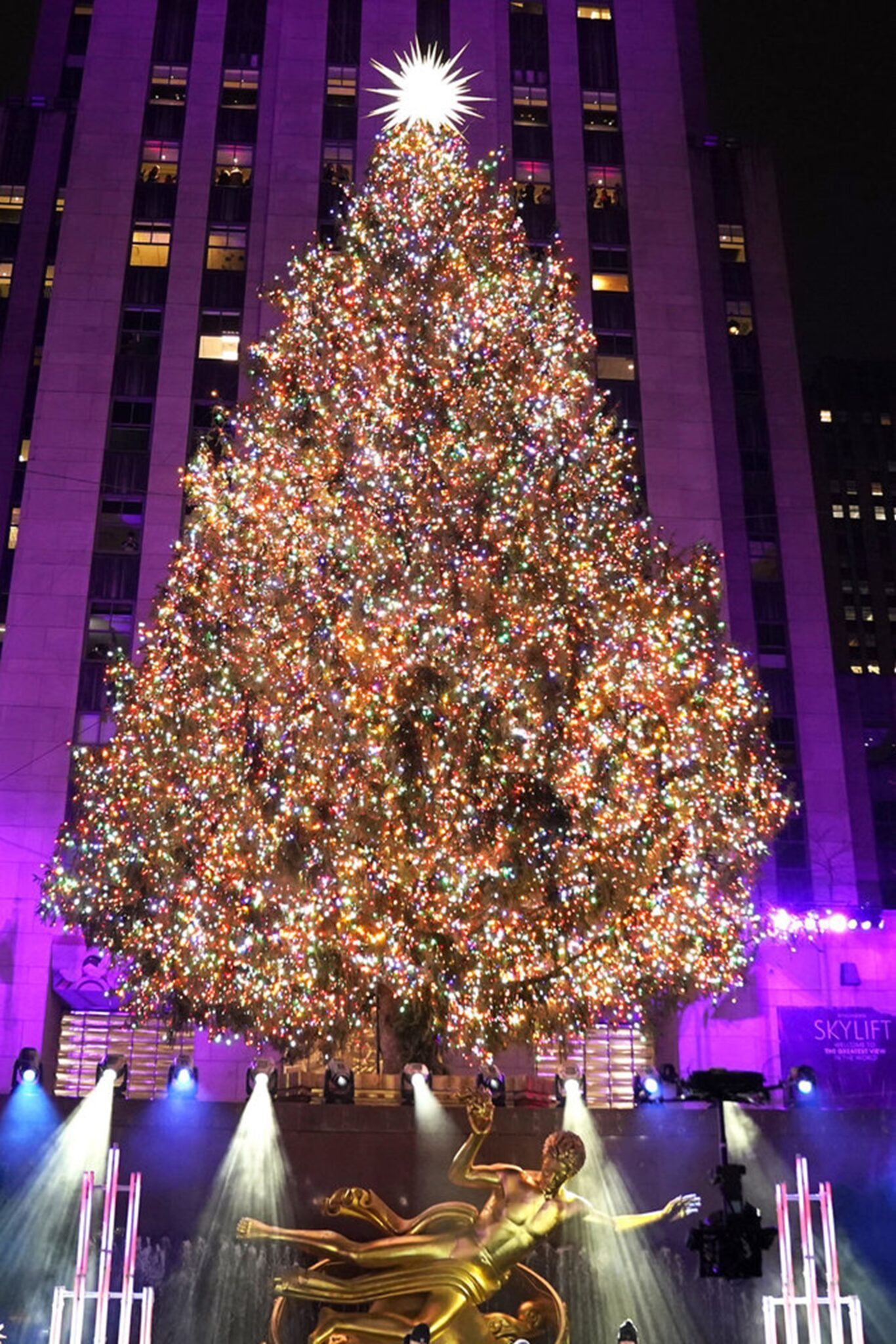
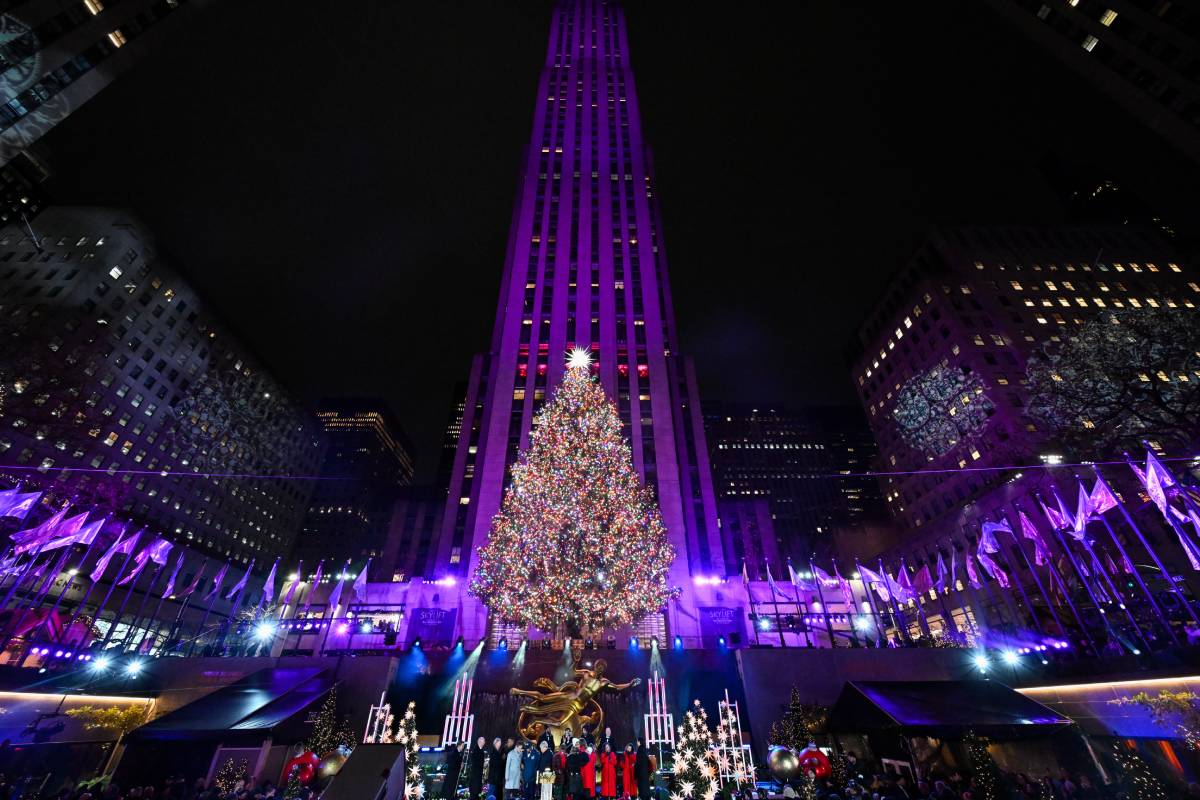
The Rockefeller Center Christmas Tree is the iconic centerpiece of New York City’s winter season. Located at Rockefeller Plaza between 49th and 50th Streets, this massive Norway Spruce serves as a global symbol of holiday spirit, attracting millions of visitors for photographs, skating, and sightseeing from late November through early January.
The Significance of the Rockefeller Center Christmas Tree
The tradition of the Rockefeller Center Christmas Tree dates back to 1931, during the height of the Great Depression. Construction workers building the Rockefeller Center complex pooled their money to purchase a 20-foot balsam fir, decorating it with handmade garlands and string. In 1933, Rockefeller Center decided to make the tree an annual tradition and held the very first formal lighting ceremony. Since then, the tree has evolved from a humble symbol of hope into a world-renowned spectacle.
In the winter of 2026, the tree remains a testament to resilience and community. It is not merely a decoration; it is a monumental feat of engineering and horticulture. Each year, the selection process is grueling, with the "Head Gardener" for Rockefeller Center scouting thousands of trees to find the perfect specimen. The chosen tree is typically a Norway Spruce, valued for its "Christmas tree" shape and its ability to withstand the weight of heavy ornaments and five miles of electrical wiring.
The Selection and Arrival Process
Finding the perfect tree is a year-round job. Erik Pauze, the lead gardener at Rockefeller Center, often begins scouting potential candidates years in advance. He looks for trees that have reached their peak maturity, usually standing between 70 and 100 feet tall and weighing several tons. The tree is typically donated by a homeowner, who sees the donation as a once-in-a-lifetime honor.
Once a tree is selected for the 2026 season, the logistics of moving it to Midtown Manhattan are staggering. The tree is wrapped to protect its branches and transported on a custom-made trailer. Because of its massive size, it is classified as an "oversized load," often requiring police escorts and the temporary removal of street signs or utility lines along the route. Its arrival at Rockefeller Plaza is a major media event, signaling the official start of the holiday season in New York.
Technical Specifications and the 2026 Display
The 2026 display continues the tradition of using energy-efficient technology to illuminate the winter sky. The tree is adorned with more than 50,000 multi-colored LED lights. These lights are strung along approximately five miles of wire, creating a dense canopy of brilliance that can be seen from several blocks away.
At the very top of the tree sits the Swarovski Star. Designed by architect Daniel Libeskind and debuted in 2018, this star is a masterpiece of modern design. It features 70 spikes covered in three million Swarovski crystals. When lit, the star emits a radiance that symbolizes the North Star, acting as a beacon for tourists and locals alike.
Comparative Tree Statistics Over Recent Seasons
The following table provides a comparison of the Rockefeller Center Christmas Trees from recent years, highlighting the consistency and scale of this Manhattan tradition.
| Year | Tree Species | Origin | Height (Approx.) | Weight (Approx.) |
|---|---|---|---|---|
| 2023 | Norway Spruce | Vestal, New York | 80 Feet | 12 Tons |
| 2024 | Norway Spruce | West Stockbridge, Massachusetts | 74 Feet | 11 Tons |
| 2025 | Norway Spruce | TBA / Northeastern US | 75-80 Feet | 12-13 Tons |
| 2026 | Norway Spruce | Northeastern US | 82 Feet | 13 Tons |
Photography Tips for Capturing the Tree in Winter
Capturing a high-quality picture of the Rockefeller Center Christmas Tree in winter requires a combination of technical skill and strategic timing. The plaza is one of the most crowded locations in the world during December, making it difficult to find a clear vantage point.
Choosing the Right Gear
For those using professional cameras, a wide-angle lens (16mm to 35mm) is essential. Because the tree is so tall and the plaza is relatively narrow, a standard lens may not be able to fit the entire tree and the skating rink into a single frame. If you are using a smartphone, the "Ultra-Wide" setting is your best friend.
A Note on Tripods: While tripods are excellent for night photography, security at Rockefeller Center is very strict. During the peak holiday season, tripods are often prohibited on the plaza itself to prevent tripping hazards in the dense crowds. If you need stability, consider a monopod or look for flat surfaces like the stone ledges of the Channel Gardens to steady your camera.
Lighting and Timing
The "Blue Hour"—the period of twilight just after the sun sets but before the sky turns completely black—is the best time for photography. During this window, the deep blue of the sky provides a beautiful contrast to the warm, multi-colored glow of the 50,000 LEDs. In 2026, the tree is usually lit from 5:00 AM to Midnight, except for Christmas Day when it stays lit for 24 hours.
To avoid the heaviest crowds, plan your photo shoot for the early morning hours (between 5:00 AM and 7:00 AM) or very late at night (after 11:00 PM). During these times, the skating rink is closed, and you can get much closer to the gold statue of Prometheus without fighting through thousands of other tourists.
Planning Your 2026 Visit: Logistics and Requirements
Visiting Rockefeller Center in the winter of 2026 requires some preparation. The area around 49th and 50th Streets is heavily regulated by the NYPD and private security to ensure public safety.
- Entry Points: During peak hours, pedestrian traffic is often one-way. Expect to be directed by police officers through specific entry points on 5th or 6th Avenue.
- Security Screenings: While there is no ticket required to see the tree, security may conduct bag checks during high-traffic events, such as the Tree Lighting Ceremony.
- The Tree Lighting Ceremony: For 2026, the ceremony is scheduled for Wednesday, December 2. This event is free and open to the public on a first-come, first-served basis, but be warned: the plaza reaches capacity hours before the broadcast begins. Millions more watch the live broadcast on NBC.
- Weather Considerations: New York City winters are unpredictable. High winds can whip through the "canyons" created by the skyscrapers. Dress in layers and ensure you have comfortable, waterproof footwear, as you will likely be standing on cold pavement for extended periods.
For official updates on hours and special events, it is recommended to check the Rockefeller Center official website.
The Environmental Legacy: Beyond the Holidays
One of the most remarkable aspects of the Rockefeller Center Christmas Tree is what happens after the winter season ends. Once the tree is taken down in early January, it is not simply discarded. Since 2007, the tree has been donated to Habitat for Humanity.
The tree is transported to a mill where it is sawn into lumber used to build homes for families in need. The wood is kiln-dried and planed to create 2x4 and 2x6 beams. Often, the lumber from a specific year’s tree is used in the construction of a home in the same state where the tree originated. This tradition ensures that the tree, which once stood as a symbol of holiday joy, continues to serve a meaningful purpose as a literal foundation for a family's future.
Additionally, the mulch from the tree's smaller branches is often used in New York City parks, contributing to the city's green spaces. The solar panels atop the Rockefeller Center buildings help offset the energy used by the 50,000 LED lights, making the 2026 display more sustainable than ever before.
Frequently Asked Questions
When is the Rockefeller Center Christmas Tree lit for the 2026 season?
The tree is traditionally lit on the Wednesday evening following Thanksgiving. For 2026, that date is Wednesday, December 2. Following the initial ceremony, the tree is typically lit daily from 5:00 AM to 12:00 AM. On Christmas Day, the lights remain on for a full 24 hours, and on New Year's Eve, they are turned off at 9:00 PM.
Is there a cost to see the tree or take pictures?
No, visiting the Rockefeller Center Christmas Tree is entirely free and open to the public. You do not need a ticket to enter the plaza or take photographs. However, related activities nearby, such as ice skating at the Rink at Rockefeller Center or visiting the Top of the Rock observation deck, do require paid tickets and advance reservations.
What is the best angle for a photo of the tree?
The most iconic angle is from the Channel Gardens, looking west toward the tree. This path is lined with illuminated wire-sculpture angels and provides a perfect frame for the tree with the Prometheus statue in the foreground. Another great perspective is from across 5th Avenue, framed by the flags of the world, or from the "Top of the Rock" for a high-angle shot looking down at the plaza.
How long does the tree stay up?
The tree generally remains on display through the first week of January. In 2026, it is expected to be taken down around January 7 or 8. After it is removed, the process of milling it for Habitat for Humanity begins immediately.
Can I see the tree lighting ceremony in person?
Yes, but it requires significant planning. The ceremony is open to the public, but the space is extremely limited. People often begin lining up in the early morning hours for the evening event. Security is very high, and once the plaza is full, the NYPD will close off the surrounding streets. Most visitors find it more enjoyable to visit the tree in the days following the ceremony when the crowds are slightly more manageable.
Practical Recommendation
If you are planning to capture a picture of the Rockefeller Center Christmas Tree in winter 2026, your best strategy is to arrive at the plaza before 7:30 AM on a weekday. This allows you to witness the tree in the crisp morning light before the heavy tourist traffic begins and before the skating rink becomes crowded. For a unique perspective, consider booking a ticket for the Top of the Rock observation deck; the view from the 70th floor offers a breathtaking look at the tree nestled among the surrounding skyscrapers of Midtown Manhattan.