In the vast majority of jurisdictions, per diem employees are fully entitled to workers' compensation benefits if they sustain an injury or illness arising out of and in the course of their employment. Regardless of the frequency of hours worked or the pay structure, the legal status of an employee remains the primary determinant for coverage, and most state labor laws classify per diem workers as employees rather than independent contractors.
Understanding the Employment Status of Per Diem Workers
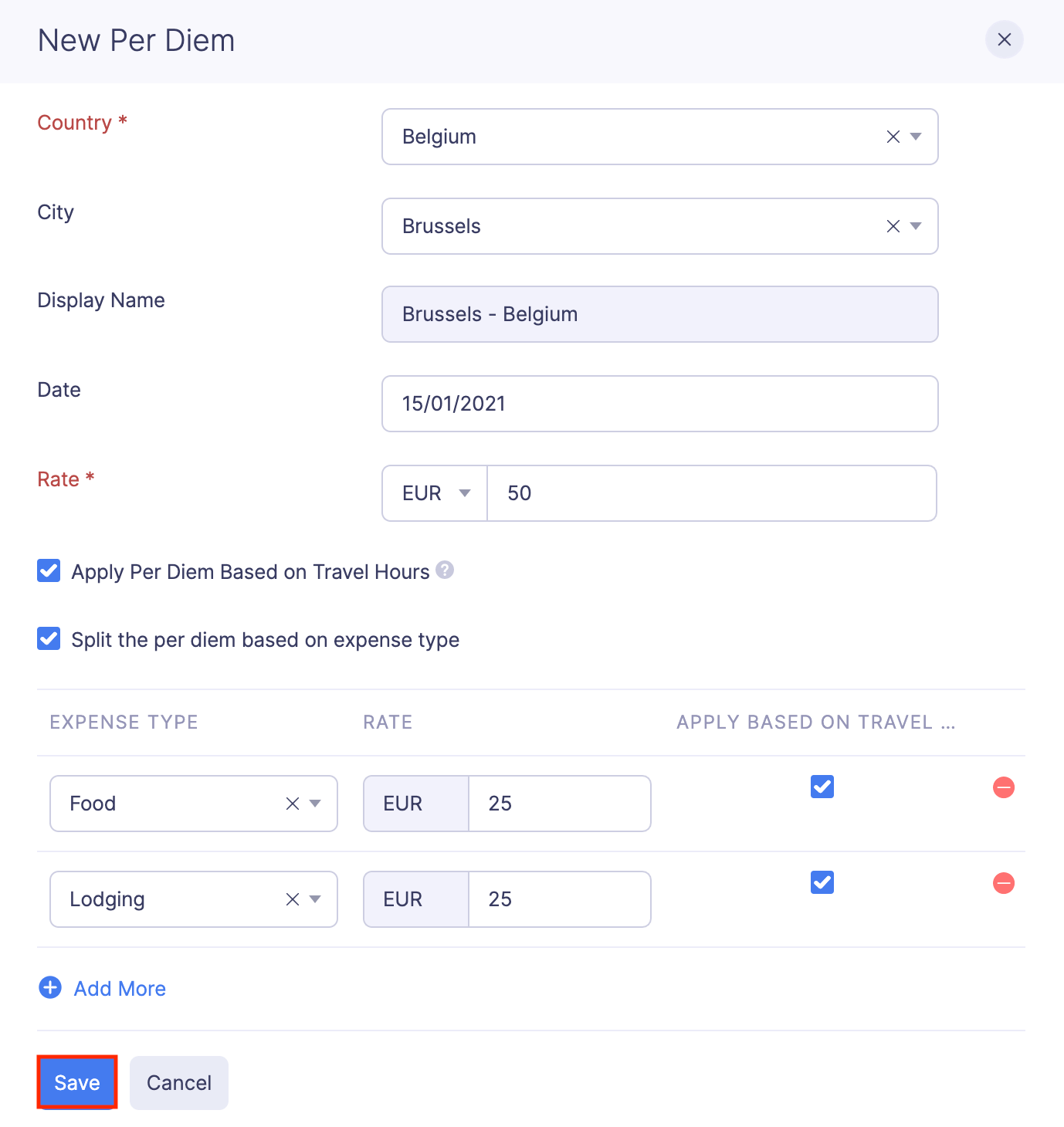
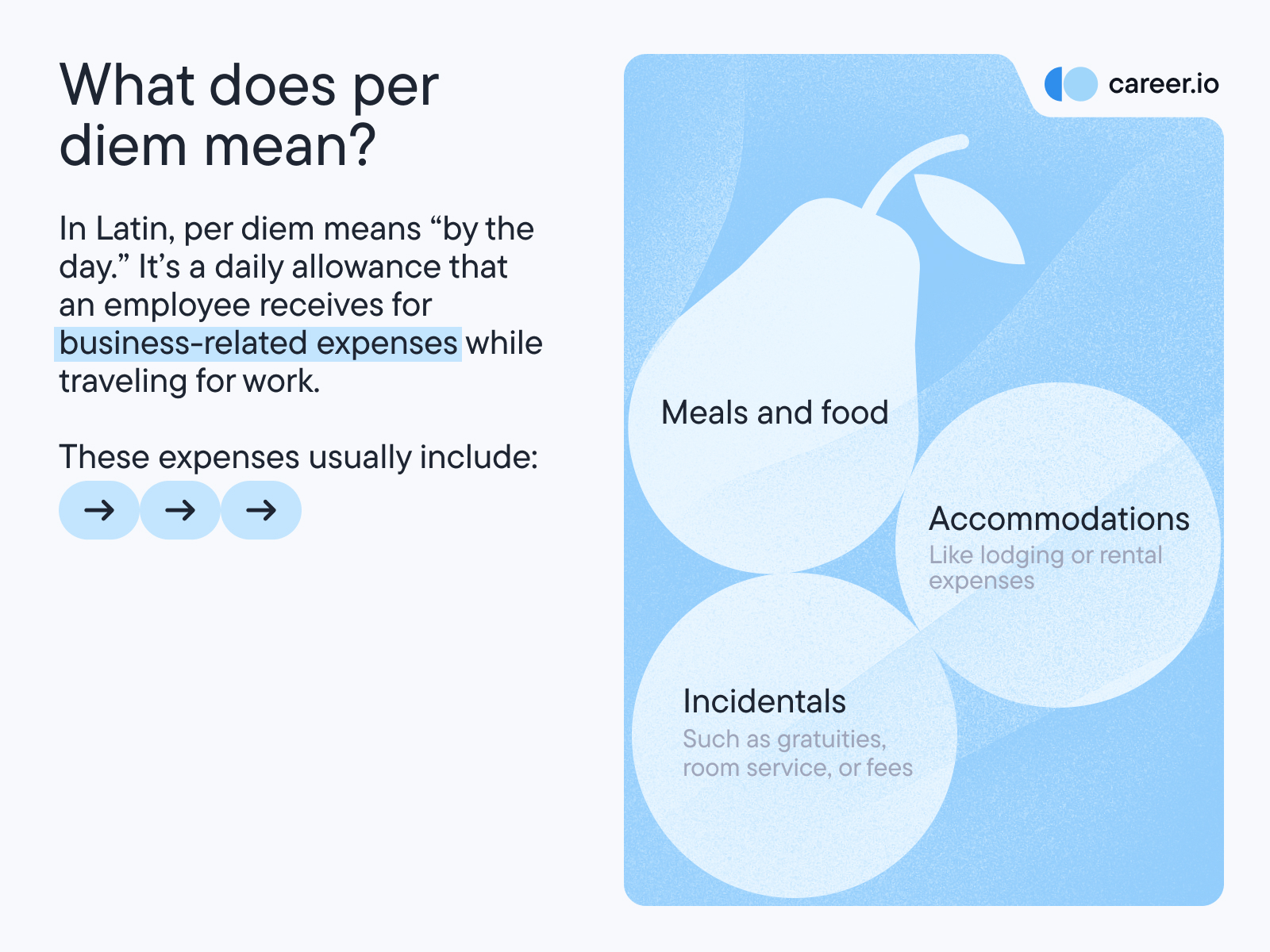
The term "per diem" simply refers to the method of compensation—literally meaning "per day." It describes a work arrangement where an individual is employed on an as-needed basis, often to cover shifts, absences, or fluctuating workloads. However, the designation "per diem" is a payroll and scheduling classification, not a legal status that exempts an employer from their core obligations under state labor codes.
To determine if a worker is covered by workers' compensation, the law typically looks at the "control test." If an organization dictates where, when, and how the work is performed, provides the necessary tools and equipment, and maintains the right to terminate the employment relationship, the individual is generally considered an employee. Because per diem workers are subjected to this same level of control as full-time or part-time staff, they are almost universally recognized as employees.
It is critical to distinguish between a per diem employee and an independent contractor. Independent contractors are typically self-employed, pay their own taxes, set their own hours, and work for multiple clients without direct supervision. If your employer provides a W-2 form, withholds taxes, and dictates your schedule, you are an employee. Under these conditions, your employer is legally mandated to carry workers' compensation insurance, and that coverage must extend to you, regardless of how many hours you worked in the week leading up to an incident.
Why Per Diem Status Does Not Negate Coverage
Many employers and employees operate under the misconception that "part-time" or "as-needed" status limits liability for workplace injuries. In reality, the legal requirement for workers' compensation insurance is tied to the existence of an employer-employee relationship, not the tenure or volume of hours logged.
When a company obtains a workers' compensation policy, the premiums are calculated based on the total payroll. Employers must include the wages paid to per diem staff in their total payroll reporting to the insurance carrier. Because these wages are factored into the premium calculations, the insurance carrier is obligated to provide coverage should a claim arise. If an employer fails to include per diem workers in their payroll reporting or fails to carry adequate coverage, they may face significant fines, legal penalties, and personal liability for the injured worker’s medical costs and lost wages.
The Role of Jurisdictional Variations
While the principle that employees are covered is consistent across the United States, the specific administrative procedures can vary by state. Workers' compensation is a state-regulated system. In states like California or New York, the labor codes are particularly robust regarding the protection of temporary and per diem workers.
Some states have specific thresholds for the number of employees a business must have before they are required to carry workers' compensation insurance. However, once that threshold is met, it applies to the entire workforce. If you are a per diem nurse in a hospital, a substitute teacher, or a retail associate covering holiday shifts, your status as an employee grants you the same statutory protections as the manager or the full-time staff. If you are uncertain about your state’s specific requirements, you should consult the state’s Department of Labor or the Workers' Compensation Board website.
Comparative Table: Employee vs. Independent Contractor Coverage
The following table summarizes the key differences between per diem employees and independent contractors regarding workers' compensation eligibility.
| Feature | Per Diem Employee | Independent Contractor |
|---|---|---|
| Tax Status | W-2 (Taxes withheld) | 1099 (Self-employed) |
| Workers' Comp Coverage | Mandatory | Generally exempt |
| Employer Control | High (Dictated schedule/tasks) | Low (Client sets goals, not process) |
| Insurance Responsibility | Employer's burden | Contractor's own burden |
| Benefit Eligibility | Usually included in policy | Generally ineligible |
Steps to Take If You Are Injured as a Per Diem Employee
If you are a per diem employee and suffer a work-related injury, your process for seeking benefits is identical to that of any other employee.
- Immediate Medical Attention: Your health is the priority. Seek treatment at an urgent care or emergency facility. Inform the medical provider immediately that the injury occurred during the course of your employment.
- Notify Your Supervisor: You have a strict timeframe—often dictated by state law—to report the injury to your employer. Provide written notice to your immediate supervisor or the human resources department, detailing the time, date, and nature of the incident.
- Document Everything: Maintain a file containing the date of the injury, names of witnesses, copies of medical reports, and any correspondence with your employer regarding the accident.
- File the Claim: Your employer is required to provide you with the necessary forms to file an official workers' compensation claim. If they refuse or deny the existence of your coverage, contact your state’s workers' compensation regulatory board.
- Follow Medical Advice: Failure to follow the treatment plan prescribed by your authorized physician can result in the denial or reduction of your benefits.
Common Pitfalls and Misunderstandings
One of the most frequent mistakes is the failure of per diem workers to report "minor" injuries. Because they may fear that reporting an injury will lead to fewer shifts or a poor reputation with scheduling coordinators, many per diem staff stay silent. This is a significant error. Injuries that seem minor can develop into chronic conditions. If you do not have a formal record of the initial incident, it becomes exponentially harder to prove that a later, more severe complication is work-related.
Another issue arises when employers misclassify per diem workers as independent contractors to save on insurance premiums and payroll taxes. This practice, known as misclassification, is illegal. If you are performing duties in a professional setting under the direction of an employer, you are likely an employee. If your employer refuses to file a claim because they label you a "contractor," you have the right to challenge this classification with your state labor board.
Professional Advice Limitation
This article provides general information regarding employment law and workers' compensation standards as of 2026. It is not intended to serve as legal advice. Laws regarding labor and insurance coverage are subject to specific state statutes and individual contract nuances. If you have been injured or are facing a dispute regarding your employment status, it is strongly recommended that you consult with a qualified workers' compensation attorney or your state’s labor department for guidance tailored to your jurisdiction and specific situation.
Frequently Asked Questions
1. Does the length of my shift affect my eligibility for workers' compensation? No. Eligibility for workers' compensation is not based on the number of hours worked per day or per week. If you are on the clock and performing your assigned duties when an injury occurs, you are generally covered.
2. Can an employer fire me for filing a workers' compensation claim? In most jurisdictions, it is illegal for an employer to retaliate against an employee for filing a legitimate workers' compensation claim. Retaliation includes termination, demotion, or harassment. If you believe you were terminated for filing a claim, you should seek legal counsel immediately.
3. What if I work for an agency as a per diem employee? If you are employed by a staffing agency or a temp service, the agency is generally responsible for your workers' compensation coverage, not the client site where you are physically performing the work. Always ensure you have the contact information for your employer of record.
4. Are medical bills covered 100% for per diem employees? In almost all states, reasonable and necessary medical treatments related to a workplace injury are covered in full by the employer’s workers' compensation insurance. There are typically no deductibles for the employee, though there may be networks of approved providers you must use.
5. How do I prove I am an employee if I am paid per diem? The burden of proof often relies on payroll records, offer letters, or communication regarding your schedule. Documentation such as pay stubs showing tax withholdings is the strongest evidence that you are an employee rather than an independent contractor.
6. Does workers' compensation cover me if I get injured while commuting? Generally, workers' compensation does not cover injuries sustained during a standard commute between your home and your place of work. However, there are exceptions if you are running a work-related errand or traveling between work sites as part of your job duties.
Next Steps for Verification
If you are currently working in a per diem capacity and are unsure of your status, take the following steps:
- Review your onboarding documents: Look for language confirming your status as an "at-will employee" or references to W-2 tax forms.
- Check your pay stubs: Verify that taxes are being withheld for Social Security, Medicare, and income tax.
- Consult your employee handbook: Most HR manuals explicitly state that the company provides workers' compensation insurance for all employees, including part-time and per diem staff.
- Contact HR: If you still have doubts, ask your Human Resources representative for the name of the company’s workers' compensation insurance carrier. Having this information on hand is a proactive way to ensure you are protected should an incident occur.