A life insurance policy is a financial contract that provides a death benefit to beneficiaries, while a life insurance trust (specifically an Irrevocable Life Insurance Trust or ILIT) is a legal entity created to own and manage that policy. While the policy serves as the source of funds, the trust acts as the owner and beneficiary, providing tax advantages, asset protection, and controlled distribution that a standalone policy cannot offer.
To the casual observer, life insurance and life insurance trusts might seem like interchangeable terms within an estate plan. However, in the professional spheres of law and finance, they represent two fundamentally different tiers of asset management. As we navigate the financial landscape of 2026, understanding this distinction has become increasingly vital due to evolving estate tax thresholds and the growing complexity of generational wealth transfer. A policy is a product you buy; a trust is a structure you build to house that product.
Defining the Life Insurance Policy: The Financial Engine
At its core, a life insurance policy is a bilateral contract between an insured individual (or policyowner) and an insurance company. The agreement is straightforward: the policyowner pays regular premiums, and in exchange, the insurer guarantees a payout—the death benefit—to designated beneficiaries upon the death of the insured.
In 2026, these policies generally fall into two categories: term and permanent. Term life insurance provides coverage for a specific period (e.g., 10, 20, or 30 years) and is often used for income replacement during working years. Permanent life insurance, such as whole life or universal life, remains in force as long as premiums are paid and often accumulates a cash value component.
The primary limitation of a standalone policy lies in its ownership. When you own a policy on your own life, the death benefit is technically part of your "gross estate." Under current Internal Revenue Service (IRS) guidelines, this means the value of the payout could be subject to federal estate taxes if your total estate exceeds the prevailing exemption limits. Furthermore, once the death benefit is paid out to a beneficiary, the policyowner has no further control over how those funds are spent, saved, or protected from the beneficiary’s creditors.
Defining the Irrevocable Life Insurance Trust (ILIT): The Legal Vehicle
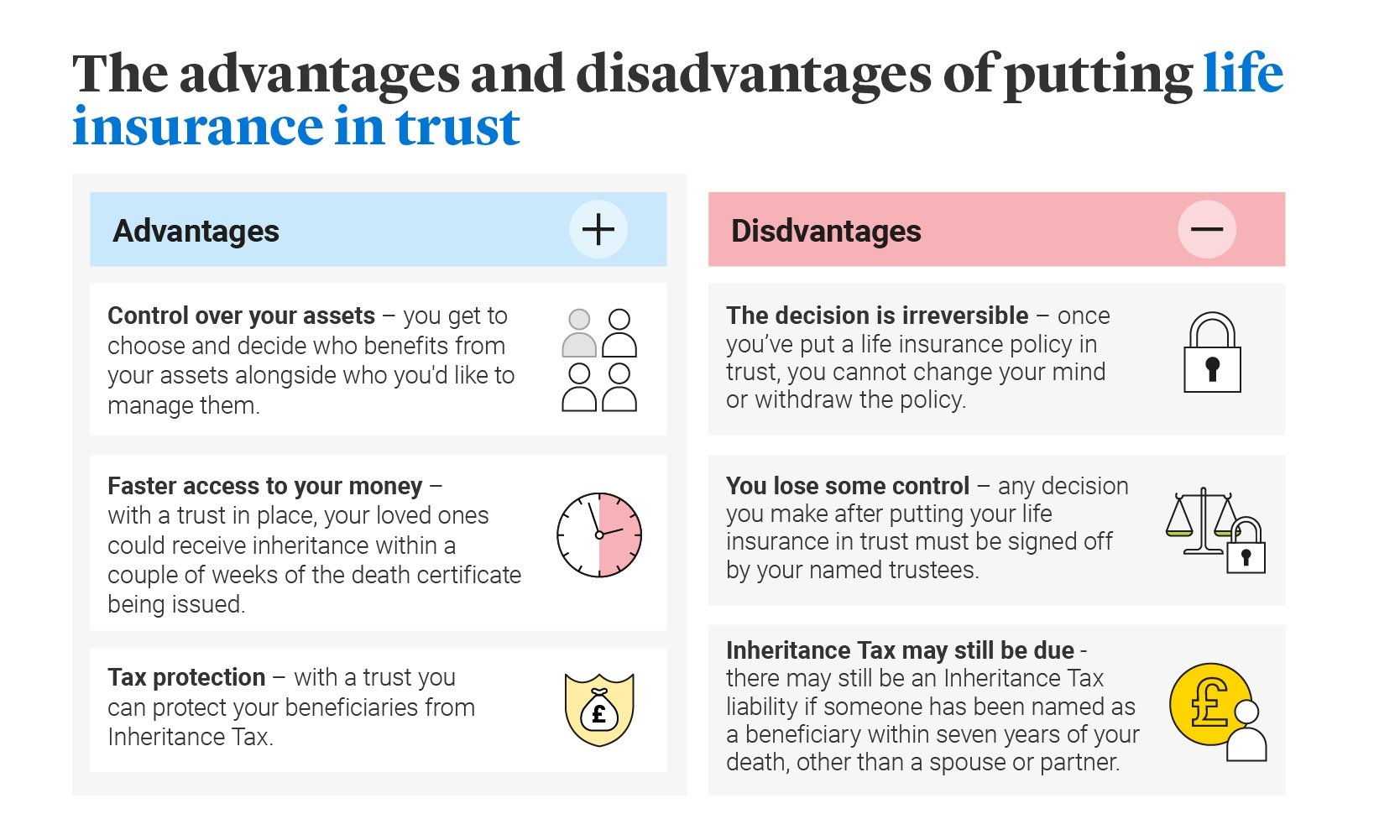
An Irrevocable Life Insurance Trust (ILIT) is a legal arrangement where a "grantor" (the person creating the trust) appoints a "trustee" to hold and manage a life insurance policy for the benefit of named "beneficiaries." As the name suggests, an ILIT is irrevocable, meaning once it is established and the policy is transferred into it, the grantor typically cannot terminate the trust or reclaim the policy.
The ILIT is a separate legal "person" in the eyes of the law. It has its own tax identification number and operates independently of the grantor's personal finances. The trust, not the individual, is both the owner and the beneficiary of the life insurance policy. When the insured passes away, the insurance company pays the death benefit directly into the trust's bank account. The trustee then administers those funds according to the specific, detailed instructions written into the trust document by the grantor.
This separation of the individual from the asset is the cornerstone of sophisticated estate planning. By ceding ownership to the trust, the grantor effectively removes the death benefit from their taxable estate, which can save heirs millions of dollars in potential tax liabilities.
The Ownership Gap: Why Who Owns the Policy Matters
The most significant difference between a life insurance trust and a policy is the concept of "incidents of ownership." If you have the right to change beneficiaries, borrow against the policy's cash value, or cancel the policy, you possess incidents of ownership. For a standalone policy, the insured usually holds these rights.
In an ILIT, the grantor must relinquish all incidents of ownership. The trustee is the only party authorized to make changes to the policy. This distinction is what allows the life insurance proceeds to bypass the probate process and remain exempt from estate taxes.
Consider the implications for asset protection. If a policy is owned personally and the owner faces a lawsuit or bankruptcy, the cash value of that policy may be vulnerable to creditors (depending on state law). However, assets held within a properly structured irrevocable trust are generally shielded from the grantor’s personal creditors because the grantor no longer legally owns those assets. This "ownership gap" provides a layer of security that a simple policy cannot replicate.
Estate Tax Implications and the "Three-Year Rule"
As of 2026, the estate tax landscape has shifted following the sunset of several prior tax provisions. This makes the ILIT a critical tool for a broader range of families. When a life insurance policy is held within a trust, the death benefit is not counted toward the grantor’s federal estate tax exemption.
However, a critical nuance exists known as the "Three-Year Rule" (Internal Revenue Code Section 2035). If an individual owns an existing life insurance policy and transfers it into an ILIT, they must live for at least three years after the transfer for the proceeds to be excluded from their estate. If the insured dies within that three-year window, the IRS "pulls" the policy back into the estate for tax purposes.
To circumvent this, many planners recommend that the ILIT be established first and the trustee apply for a new policy directly. Because the trust is the original owner and the grantor never held the policy in their name, the three-year rule does not apply. This highlights the technical depth required: you aren't just "buying insurance"; you are executing a sequenced legal maneuver to optimize tax efficiency.
Funding the Trust: The Role of Crummey Powers
One common question arises: if the trust owns the policy, how are the premiums paid? The grantor typically provides the funds to the trust to cover the premium costs. However, the IRS views these payments as "gifts" to the trust beneficiaries. To ensure these gifts qualify for the annual gift tax exclusion (which allows you to give a certain amount per person each year without tapping into your lifetime exemption), the trust must include "Crummey" powers.
Named after a landmark court case, a Crummey power gives beneficiaries a limited window (usually 30 days) to withdraw the gifted funds before they are used to pay the insurance premium. While beneficiaries rarely exercise this right (as it would jeopardize the insurance policy), the mere existence of the right to withdraw turns the gift into a "present interest" gift, qualifying it for the tax exclusion. This administrative requirement is a feature of the trust, not the policy, and it requires the trustee to send out "Crummey letters" to beneficiaries every time a premium is funded.
Asset Protection and Controlled Distribution
A life insurance policy pays out in a lump sum. If you name your 18-year-old child as the beneficiary of a $2 million policy, they receive $2 million the moment the claim is processed. For many parents, the prospect of a young adult receiving a sudden windfall is concerning.
A life insurance trust solves this by allowing for discretionary distribution. The grantor can dictate that the trustee only release funds for specific purposes, such as:
- College tuition and higher education expenses.
- The purchase of a first home.
- Monthly stipends rather than a lump sum.
- Incentive-based distributions (e.g., matching a beneficiary's earned income).
Furthermore, the trust can include a "spendthrift clause." This protects the death benefit from the beneficiary’s creditors. If a beneficiary is going through a divorce or a lawsuit, the assets held within the trust are generally protected because the beneficiary does not own them; the trust does. This level of granular control is impossible with a standard life insurance beneficiary designation.
Technical Comparison: Policy vs. Trust
The following table summarizes the operational and legal differences between holding a standalone policy and utilizing an ILIT.
| Feature | Standalone Life Insurance Policy | Irrevocable Life Insurance Trust (ILIT) |
|---|---|---|
| Ownership | Held by the individual insured. | Held by a legal entity (the Trust). |
| Estate Tax Status | Included in the taxable estate. | Excluded from the taxable estate. |
| Control After Death | Payout is a lump sum to beneficiaries. | Payout is managed by a trustee per grantor instructions. |
| Creditor Protection | Limited (varies by state law). | Robust protection for grantor and beneficiaries. |
| Complexity | Low; requires an application and premiums. | High; requires legal drafting and ongoing administration. |
| Cost | Premium payments only. | Legal fees for setup plus ongoing trustee/admin costs. |
| Probate | Usually avoids probate if a beneficiary is named. | Avoids probate and provides immediate liquidity. |
| Flexibility | High; owner can change terms easily. | Low; terms are irrevocable once established. |
Common Pitfalls and Administrative Burdens
While a life insurance trust offers superior benefits, it is not without its challenges. The most frequent mistake is "falling out of favor" with the administrative requirements.
- Improper Funding: If the grantor pays the insurance company directly from a personal bank account instead of gifting the money to the trust first, the IRS may argue that the trust is a sham and the policy should be included in the estate.
- Naming the Wrong Trustee: The grantor cannot be the trustee of their own ILIT, as this would constitute an incident of ownership. Choosing a family member who is unorganized or a professional trustee who is too expensive requires careful consideration.
- Failure to Send Crummey Notices: If the trustee fails to notify beneficiaries of their right to withdraw funds, the gifts may not qualify for the annual exclusion, leading to unexpected gift tax consequences.
- Policy Underperformance: Because an ILIT is often funded with permanent insurance, the policy must be "monitored" by the trustee. If the policy’s internal costs rise or interest rates shift (a common occurrence in the mid-2020s), the policy might lapse if not managed correctly.
Frequently Asked Questions
Can I change the beneficiaries of my life insurance trust?
Unlike a policy where you can change a beneficiary with a simple form, an irrevocable trust is much harder to alter. You generally cannot change the beneficiaries once the trust is signed. However, some trusts are drafted with a "power of appointment" that allows a third party or a beneficiary to make certain changes, or "decanting" provisions that allow the trustee to move assets to a new trust with different terms.
Is a life insurance trust only for the very wealthy?
Historically, ILITs were primary tools for the ultra-wealthy. However, as of 2026, even moderately wealthy families use them. If your home value, retirement accounts, and life insurance payout combined exceed the federal or state estate tax exemptions (which have become more restrictive), a trust is a viable tool to prevent a 40% tax hit on your insurance proceeds.
Can the trust own more than one policy?
Yes. An ILIT can own multiple policies on the life of the grantor or even "second-to-die" policies that cover a married couple and pay out only after both have passed. This is a common strategy for funding the tax liability on illiquid assets like a family business or real estate.
Who should serve as the trustee of an ILIT?
The trustee should be someone who is financially responsible and capable of handling the administrative requirements (like Crummey letters). It can be a trusted friend, a professional advisor, or a corporate trust department. The grantor and the grantor's spouse should generally not serve as trustees to avoid tax complications.
What happens to the cash value in the policy while it is in the trust?
The cash value belongs to the trust. If the trust document allows it, the trustee can borrow against the cash value to provide for beneficiaries or pay premiums. However, the grantor cannot personally access that cash value for their own use.
Strategic Recommendations
For those evaluating their estate plan in 2026, the first step is to quantify your total exposure. Add the death benefit of all your life insurance policies to your current net worth. If that number approaches or exceeds $7 million (a common threshold for state or updated federal limits), a standalone policy is likely insufficient.
If you decide to proceed with a trust, do not attempt a "do-it-yourself" approach. The intersection of contract law (the policy) and fiduciary law (the trust) is fraught with tax traps. Engage an estate planning attorney to draft the ILIT and a qualified insurance professional to ensure the policy is structured to meet the trust's long-term funding requirements. Finally, ensure your trustee understands their annual obligations regarding Crummey notices to maintain the trust's tax-exempt status.
By recognizing that a life insurance trust is a legal fortress and the policy is merely the gold kept within it, you can better protect your legacy and ensure that your beneficiaries receive the full measure of the protection you intended to provide.