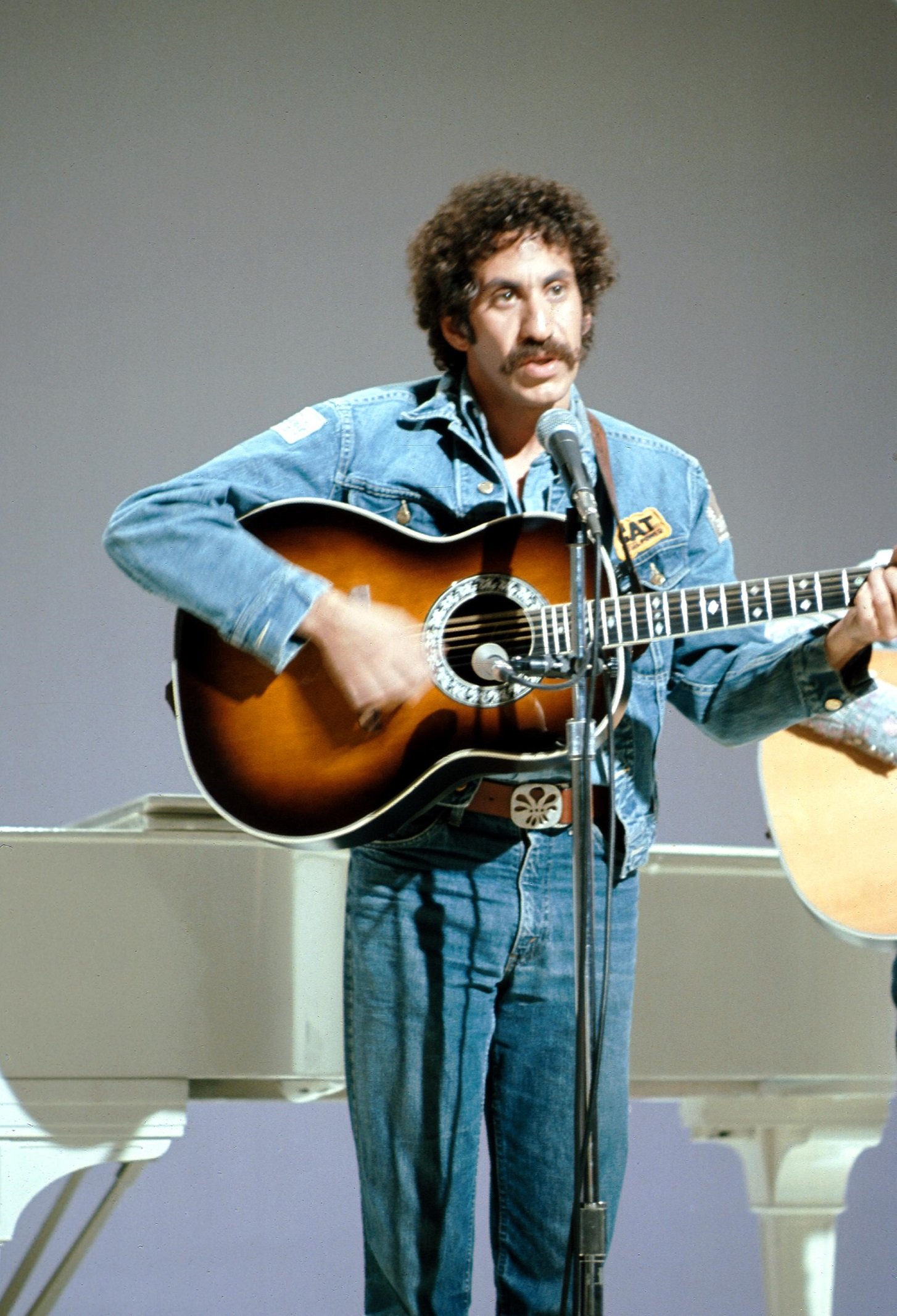
As of 2026, A.J. Croce’s net worth is estimated to be between $5 million and $15 million. This valuation is the result of a multifaceted career spanning over thirty years as a singer-songwriter and pianist, high-grossing tribute tours, and a significant inheritance of the intellectual property and royalties associated with his father, Jim Croce.
A.J. Croce (Adrian James Croce) has carved a unique niche in the music industry, managing the rare feat of honoring a massive family legacy while establishing a distinct, critically acclaimed artistic identity. His wealth is not merely a product of inheritance but is also driven by a rigorous touring schedule, a diverse discography, and strategic management of music publishing rights. To understand the complexities of his financial standing, one must examine the intersection of his personal professional achievements and the enduring commercial power of the Croce estate.
The Foundations of A.J. Croce’s Career
A.J. Croce’s journey to financial and artistic independence began under challenging circumstances. Born in 1971, he lost his father, the legendary folk-rocker Jim Croce, in a plane crash just before his second birthday. Shortly thereafter, a traumatic childhood illness left him temporarily blind, a period during which he developed his musical ear by listening to piano greats like Ray Charles and Stevie Wonder.
Early Professional Development and Recording Contracts
Croce’s professional career began in his late teens. Unlike many "legacy" artists who immediately leaned into their parents' catalogs, A.J. focused on jazz, blues, and stride piano. His self-titled debut album, released in 1993, was produced by T Bone Burnett and John Simon. This set a high bar for his technical reputation, leading to several more albums in the 1990s and 2000s, including That's Me in the Bar and Fit to Serve.
Financially, these early years were characterized by steady growth. While he was not a "top 40" pop star, he secured recording contracts with reputable labels such as Private Music (a subsidiary of BMG) and later his own independent ventures. The revenue during this period came primarily from:
- Advance Payments: Standard industry advances for studio albums.
- Session Work: Croce’s proficiency as a pianist made him a sought-after collaborator.
- Live Performances: Building a loyal touring base in the jazz and Americana circuits.
The Revenue Impact of "Croce Plays Croce"
A significant turning point in A.J. Croce’s net worth occurred over the last decade with the inception of the "Croce Plays Croce" tour series. For much of his career, A.J. avoided performing his father’s music to ensure he was respected for his own merits. However, approaching the 50th anniversary of Jim Croce’s peak success, he embraced the dual-performance format.
Touring Economics in 2026
By 2026, the "Croce Plays Croce" tour has become a staple of the American concert circuit. This program features A.J.’s original compositions alongside Jim’s hits like "Time in a Bottle," "Operator," and "You Don't Mess Around with Jim."
The financial implications of this tour are substantial:
- Ticket Sales: Performing in venues ranging from 1,000 to 3,000 seats, A.J. commands premium ticket prices due to the nostalgic value and high production quality.
- Merchandising: The tour facilitates the sale of both A.J. Croce merchandise and legacy Jim Croce memorabilia, creating a secondary revenue stream that often accounts for 15-20% of gross nightly income.
- Low Overhead: As a seasoned performer with a tight-knit band, Croce maximizes profit margins by maintaining efficient touring logistics.
In the mid-2020s, a successful multi-city tour can gross several million dollars annually, with a significant portion of that accruing to the artist after expenses and management fees.
The Jim Croce Estate and Intellectual Property
A central component of A.J. Croce’s wealth is his connection to the Jim Croce estate. The management of this estate has been a masterclass in intellectual property preservation, led for decades by his mother, Ingrid Croce.
Royalties and Sync Licensing
The Jim Croce catalog remains one of the most profitable in the folk-rock genre. Even decades after their release, songs like "Bad, Bad Leroy Brown" and "I'll Have to Say I Love You in a Song" generate consistent revenue through:
- Streaming Services: Millions of monthly listeners on platforms like Spotify and Apple Music ensure a steady stream of "mechanical" and "performance" royalties.
- Sync Licensing: This is perhaps the most lucrative aspect of the estate. Jim Croce’s music is frequently used in major motion pictures (e.g., X-Men: Days of Future Past), television shows (e.g., Stranger Things), and high-budget commercial advertisements. A single high-profile sync license can command six figures.
- Radio Airplay: Classic rock and "oldies" stations continue to provide a baseline of ASCAP/BMI income.
As the primary heir, A.J. Croce’s net worth is intrinsically linked to the valuation of these copyrights. In the current 2026 market, where music catalogs are being sold for 15x to 25x their annual earnings, the Jim Croce catalog itself is valued in the tens of millions. While A.J. has not sold the catalog, its "paper value" and the annual distributions it provides are the primary drivers of his high-seven-figure or low-eight-figure net worth.
Comparative Financial Analysis
To put A.J. Croce’s financial status into perspective, it is helpful to look at his revenue streams compared to other artists in the "legacy and Americana" genre.
| Revenue Stream | Estimated Annual Contribution (2026) | Primary Drivers |
|---|---|---|
| Live Touring | $1.5M - $3.0M | "Croce Plays Croce" ticket sales and residency dates. |
| Legacy Royalties | $1.0M - $2.5M | Jim Croce catalog (Streaming, Sync, Radio). |
| Personal Royalties | $200k - $500k | A.J. Croce solo discography and session work. |
| Merchandise/Other | $150k - $300k | Physical media sales (Vinyl) and apparel. |
| Investments | $300k - $600k | Real estate and diversified portfolio yields. |
Note: These figures are estimated based on industry standards for artists with similar catalog sizes and touring footprints.
Real Estate and Private Assets
While A.J. Croce maintains a relatively private lifestyle, his assets include significant real estate holdings. Historically, the Croce family has been involved in the San Diego area, particularly with the famous "Croce's Park West" and the original "Croce's Restaurant & Jazz Bar" in the Gaslamp Quarter. While the physical restaurants have closed their original iterations, the real estate value of properties held by the family in Southern California remains high.
Additionally, A.J. is known to possess an extensive collection of vintage instruments and recording equipment. For a professional musician of his caliber, these are not just tools of the trade but appreciating assets. High-end Steinway pianos and pre-war Gibson or Martin guitars can often be worth tens of thousands of dollars each.
Factors Influencing Net Worth Stability
Several factors ensure that A.J. Croce’s net worth remains stable or continues to grow through 2026:
Diversification of Sound
By mastering various genres—from jazz to pop to Americana—Croce has avoided the "one-hit wonder" trap. This diversification allows him to play at jazz festivals, folk festivals, and standard performing arts centers, broadening his potential booking pool.
Strategic Control of Rights
The Croce family famously fought for the rights to Jim’s music. Following a lengthy legal battle in the 1970s and 80s, Ingrid Croce successfully reclaimed the publishing rights from original producers who had signed Jim to a disadvantageous contract. This victory ensured that the bulk of the royalty income stayed within the family, directly benefiting A.J.’s long-term financial health.
The Vinyl Resurgence
As a purist who appreciates analog sound, A.J. has benefited from the massive resurgence of vinyl records. Collectors often purchase both his new releases and remastered versions of his father’s classics on high-quality vinyl, which offers a much higher profit margin than digital streaming.
Common Financial Misconceptions
When discussing the net worth of legacy artists like A.J. Croce, there are several common misconceptions:
- The "Inheritance Only" Myth: Many assume A.J.’s wealth is purely inherited. However, his thirty-year career as a working musician and producer accounts for a substantial portion of his liquid assets.
- Gross vs. Net: While a tour might gross $5 million, the "net" to the artist is significantly lower after paying for band members, lighting and sound crews, travel, insurance, and management commissions (typically 15-20%).
- The Impact of Streaming: While streaming provides visibility, it is the licensing of the music (for movies or ads) that generates the significant wealth often reported in celebrity net worth estimates.
Frequently Asked Questions
What is the most profitable part of A.J. Croce’s career?
Currently, the most profitable segment is the "Croce Plays Croce" tour. By combining his own original music with the high-demand hits of his father, he reaches a wider demographic than a standard solo tour. This is bolstered by the ongoing sync licensing revenue from the Jim Croce estate.
Does A.J. Croce own the rights to Jim Croce’s songs?
Yes, the Croce family (primarily A.J. and his mother Ingrid) controls the publishing and intellectual property rights for Jim Croce’s catalog. This control was settled after years of litigation following Jim’s death, allowing the family to manage the legacy directly.
How much does A.J. Croce make per concert?
Depending on the venue size and location, A.J. Croce can gross anywhere from $30,000 to $100,000 per show. After expenses, the personal take-home pay varies, but it remains a highly lucrative endeavor compared to many contemporary independent artists.
Has A.J. Croce sold his father’s music catalog?
As of 2026, there have been no public records of A.J. Croce or the Croce estate selling the catalog to a private equity firm or a major music group (like Universal or Hipgnosis). The family has chosen to retain ownership and manage the legacy independently.
How did A.J. Croce’s early blindness affect his career?
While not a direct financial factor, his period of blindness as a child forced him to develop an exceptional auditory memory and a deep connection to the piano. This technical mastery became his "calling card" in the music industry, allowing him to earn a living as a virtuoso musician before his father’s catalog became his primary focus.
Expert Recommendation for Fans and Investors
For those interested in the financial trajectory of legacy artists like A.J. Croce, the primary indicator of future value is catalog engagement. A.J. has successfully modernized his father’s brand for the digital age while maintaining a "prestige" status as a live performer.
If you are looking to support the artist or the legacy, purchasing physical media (vinyl/CDs) and attending live performances remains the most direct way to contribute to an artist's net worth. In the 2026 landscape, the "Direct-to-Consumer" model is the most sustainable path for musicians, and A.J. Croce has mastered this by offering unique tour-exclusive items and high-quality recording releases.