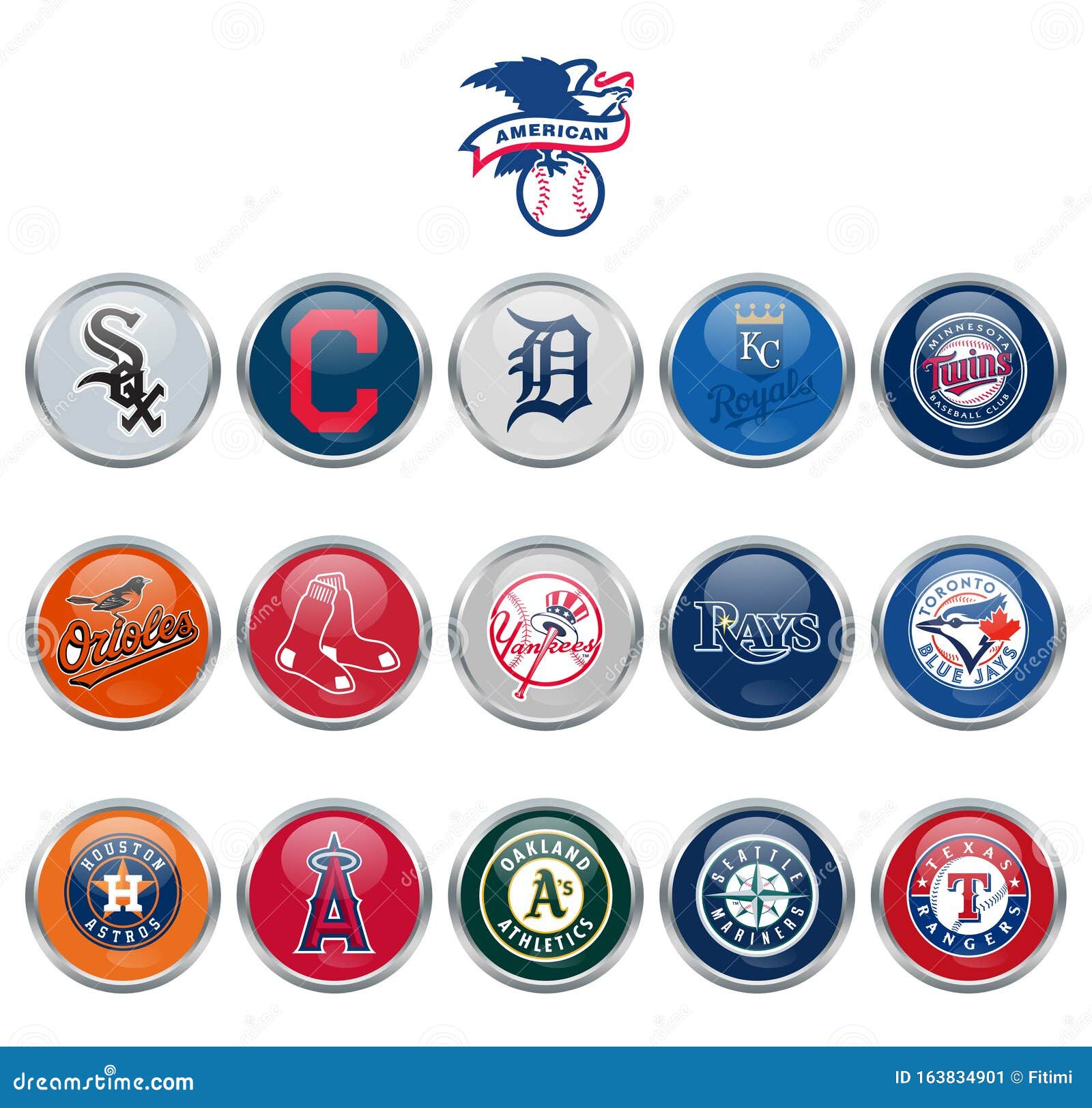
The American League (AL) is one of the two constituent leagues of Major League Baseball (MLB), comprising 15 professional franchises geographically divided into the East, Central, and West divisions. Understanding the structure, history, and competitive landscape of these 15 teams is essential for any fan seeking to grasp the current dynamics of professional baseball in the 2026 season.
The Structural Evolution of the American League
The American League was established in 1901 as a major league, eventually securing its status through the National Agreement of 1903. Over the subsequent decades, the league underwent significant expansion and realignment. The current configuration of 15 teams is a result of the 2013 realignment, which balanced the leagues at 15 teams each and introduced year-round interleague play.
Within the AL, the teams are organized into three distinct divisions: the East, Central, and West. This structure dictates the primary competitive schedule, as teams play a disproportionate number of games against their divisional rivals compared to the rest of the league. Understanding these divisions is the first step toward analyzing standings, playoff implications, and regional rivalries.
American League East: The Powerhouses
The American League East is often regarded as one of the most competitive divisions in baseball, characterized by high payrolls and storied franchises.
- New York Yankees: Perhaps the most iconic franchise in sports history, the Yankees possess a record number of World Series titles. They represent the archetype of the high-spending, large-market team.
- Boston Red Sox: Historically the primary rival of the Yankees, the Red Sox operate out of Fenway Park. They are known for a passionate fanbase and a history of overcoming long-standing droughts.
- Baltimore Orioles: Having transitioned through various eras of success, the Orioles are recognized for their development of young talent and their historic home, Camden Yards, which revolutionized stadium design.
- Tampa Bay Rays: Operating with a smaller budget than their divisional peers, the Rays have built a reputation for analytical innovation, defensive shifting, and scouting efficiency.
- Toronto Blue Jays: As the only team based in Canada, the Blue Jays represent a unique national market. They have historically prioritized offensive firepower and international player acquisition.
American League Central: Midwest Resilience
The AL Central is defined by a blend of legacy organizations and teams that have emphasized iterative rebuilding processes to compete with the larger-market teams on the coasts.
- Chicago White Sox: A charter member of the American League, the White Sox have a long history on the South Side of Chicago and remain a fixture of the city’s sports culture.
- Cleveland Guardians: Known for their consistent ability to develop high-quality pitching talent, the Guardians have remained competitive by maximizing value through internal development.
- Detroit Tigers: With roots tracing back to the 19th century, the Tigers are one of the most historic franchises in the Midwest, known for a tradition of power hitting and classic baseball culture.
- Kansas City Royals: The Royals are remembered for their aggressive style of play and their ability to capture league dominance through speed and elite bullpen management.
- Minnesota Twins: Based in Minneapolis, the Twins have a reputation for stability and community engagement, consistently competing through cohesive team construction.
American League West: The Frontier of Innovation
The AL West covers the largest geographic area, spanning from the Pacific Northwest to the Gulf Coast. This division often features travel challenges and distinct styles of play dictated by local climates and stadium dimensions.
- Houston Astros: Following their transition to the American League in 2013, the Astros established themselves as a dominant force through a rigorous rebuild and a data-driven approach to player development.
- Los Angeles Angels: Centered in Orange County, the Angels have spent recent years focused on maximizing the performance of elite individual superstars while striving for a balanced roster.
- Oakland Athletics: Known for the "Moneyball" philosophy, the franchise has long prioritized high-on-base percentage players and cost-effective roster management.
- Seattle Mariners: As the only franchise in the Pacific Northwest, the Mariners maintain a loyal following and have focused heavily on long-term pitching infrastructure.
- Texas Rangers: Based in the Dallas-Fort Worth metroplex, the Rangers have consistently invested in high-profile talent and modern facility upgrades to attract elite free agents.
Comparative Analysis of AL Team Characteristics
When evaluating the 15 teams, it is helpful to look at how they manage resources and compete within their respective environments. The following table provides a snapshot of the geographic and operational variety within the American League.
| Team | Division | Primary Stadium | Key Historical Focus |
|---|---|---|---|
| NY Yankees | East | Yankee Stadium | Elite Talent & History |
| Boston Red Sox | East | Fenway Park | Tradition & Offense |
| Baltimore Orioles | East | Camden Yards | Homegrown Talent |
| Tampa Bay Rays | East | Tropicana Field | Analytical Efficiency |
| Toronto Blue Jays | East | Rogers Centre | International Scouting |
| Chicago White Sox | Central | Guaranteed Rate Field | Divisional Stability |
| Cleveland Guardians | Central | Progressive Field | Pitching Development |
| Detroit Tigers | Central | Comerica Park | Roster Versatility |
| Kansas City Royals | Central | Kauffman Stadium | Defensive Agility |
| Minnesota Twins | Central | Target Field | Organizational Depth |
| Houston Astros | West | Minute Maid Park | Data-Driven Strategy |
| LA Angels | West | Angel Stadium | Star Power Integration |
| Oakland Athletics | West | Oakland Coliseum | Value Optimization |
| Seattle Mariners | West | T-Mobile Park | Pitching Infrastructure |
| Texas Rangers | West | Globe Life Field | Investment & Facilities |
How Teams Approach the Competitive Cycle
The modern American League is defined by the "competitive cycle." Teams generally oscillate between periods of intensive rebuilding—where they shed high-salary veterans to acquire prospects—and periods of contention, where they trade those prospects to "win now."
A critical component of this is the MLB Draft and the international signing period. Because the American League operates under a collective bargaining agreement that regulates payroll and luxury taxes, teams cannot simply buy championships. Instead, front offices must weigh the cost of signing free agents against the long-term value of developing talent from within the organization’s farm system. Fans watching the league will notice that teams like the Rays or Guardians often prioritize the latter, while teams like the Yankees or Rangers frequently utilize the free-agent market to fill immediate gaps in their roster.
Common Misconceptions About AL Play
One of the most frequent questions from new fans involves the difference between the American League and the National League (NL). Since 2022, Major League Baseball has implemented the Universal Designated Hitter (DH) rule. This means both leagues now use a designated hitter to bat for the pitcher, effectively removing the historical strategic difference that once defined the two leagues. Today, the primary difference between the AL and NL is simply the teams themselves and the specific rivalries that have developed over the last century.
Another misconception relates to "strength of schedule." Because of the balanced schedule introduced in 2023, every team in the American League now plays every other team in the league, as well as every team in the National League, at least once per season. This has made the "strength of division" argument less relevant than it was in previous decades, as no team can rely solely on an "easy" divisional path to reach the postseason.
Managing Expectations as a Fan
If you are just beginning to follow the American League, the best approach is to pick a team based on your geographic region or the specific style of play you enjoy. Once you select a team, follow their local broadcasts and official news sources to understand their current trajectory.
- Monitor the Offseason: Understand how your team is filling roster gaps through free agency or trades.
- Track the Farm System: Look for "prospect rankings" provided by reputable baseball publications; this will tell you which young players are likely to join the major league roster.
- Use Official Data: Utilize the official MLB website or authorized data trackers to view accurate standings, statistics, and injury reports. Avoid speculative rumors on social media, which often misinterpret team strategy.
Frequently Asked Questions
Are all 15 American League teams eligible for the playoffs? All 15 teams have an equal opportunity to reach the postseason. The playoff structure includes the three divisional winners plus three "Wild Card" teams, which are determined by the best remaining records in the league, regardless of division.
How does the designated hitter rule work in the AL? The designated hitter (DH) is a player who bats in place of the pitcher. Under current rules, this player is selected before the game and remains in the lineup for the duration, or until replaced by a pinch hitter. Pitchers do not bat in the American League.
What is the "luxury tax" and how does it affect AL teams? The Competitive Balance Tax, or luxury tax, is a financial penalty imposed on teams that exceed a specific payroll threshold. It is designed to discourage large-market teams from spending excessively on player salaries, theoretically keeping the competitive field more level.
Why do some teams seem to trade away good players? Teams often trade productive players who are nearing "free agency." Since these players will eventually become expensive to re-sign, teams may trade them for younger players under team control for several more years to sustain long-term success.
Where can I find verified team schedules and ticket information? Always use the official MLB.com team pages or the MLB Ballpark application. These provide the only authorized ticket purchasing routes and the most up-to-date schedule changes due to weather or scheduling adjustments.
Next Actions for the Baseball Enthusiast
To deepen your understanding of the 15 American League teams, start by watching a series featuring your local team against a divisional rival. Pay attention to the managers' tactical decisions, such as when they use relief pitchers or how they utilize the bench during high-leverage situations. By observing these patterns over the course of a 162-game season, you will gain a clear sense of the identity of each franchise and the competitive reality of the American League in 2026.