Symptoms are the subjective experiences of illness or injury as described by a patient, such as pain, nausea, or fatigue. Unlike objective clinical signs, symptoms are internal signals that guide healthcare providers toward a diagnosis. Understanding how to categorize, track, and effectively communicate these sensations is essential for receiving accurate medical care and timely intervention.
The Foundational Distinction: Symptoms vs. Signs
In clinical practice, a clear distinction exists between a symptom and a sign. Understanding this difference is the first step in providing a high-quality medical history to a healthcare professional.
A symptom is a subjective experience. It is something only the patient can feel or perceive. For example, if you have a headache, a physician cannot "see" the pain or measure it directly on a scale without your input. Other common symptoms include anxiety, dizziness, fatigue, and various types of internal pain. Because these are personal experiences, the accuracy of a diagnosis often depends heavily on the patient’s ability to describe the intensity, duration, and nature of the sensation.
A sign, conversely, is an objective finding. It is an observation made by a healthcare provider or a measurement taken with a clinical instrument. Examples include a fever measured by a thermometer, a skin rash visible to the eye, high blood pressure recorded by a sphygmomanometer, or an abnormal rhythm detected via an electrocardiogram (ECG).
In many cases, a medical condition presents with both. For instance, a patient with a respiratory infection may report the symptom of "feeling short of breath" (dyspnea), while the clinician observes the sign of "low oxygen saturation" using a pulse oximeter. As of 2026, the integration of wearable technology has blurred these lines slightly, as patients can now provide objective data (signs) like continuous heart rate monitoring alongside their subjective reports (symptoms).
Categorizing Symptoms by Physiological Systems
To provide a comprehensive overview, it is helpful to categorize symptoms based on the bodily systems they typically affect. This systematic approach helps clinicians narrow down potential etiologies.
Constitutional (General) Symptoms
Constitutional symptoms are those that affect the body as a whole rather than a specific organ. They are often the first indicators of systemic issues such as infection, autoimmune disorders, or malignancy.
- Fatigue: A persistent feeling of tiredness or exhaustion that does not improve with rest.
- Fever and Chills: Indications of an inflammatory response or infection.
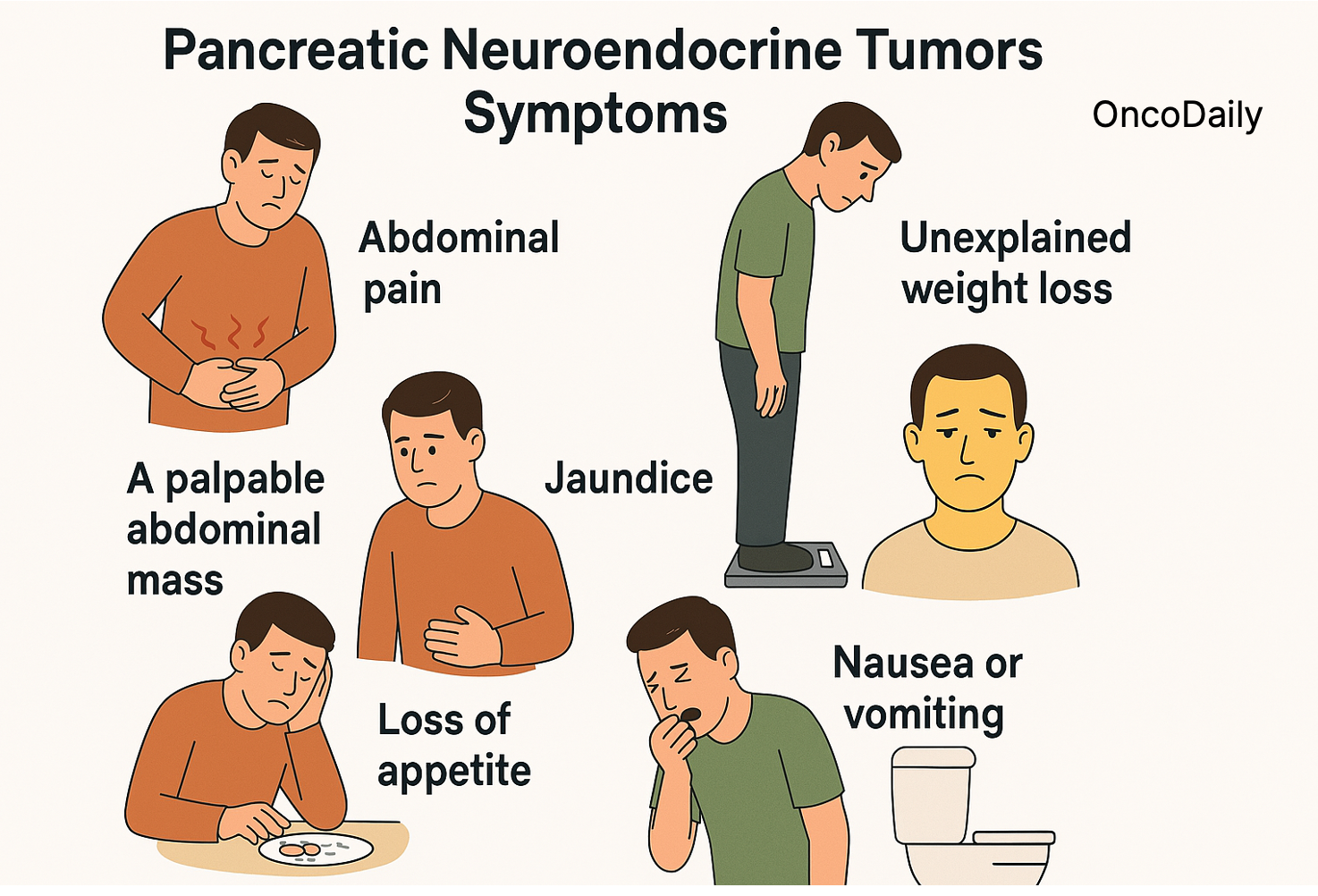
- Unexplained Weight Loss: Often defined as losing more than 5% of body weight within six months without trying.
- Night Sweats: Drenching perspiration during sleep, which can be a marker for chronic infections or certain cancers.
Neurological and Sensory Symptoms
These symptoms involve the brain, spinal cord, and peripheral nerves, as well as the five senses.
- Cephalalgia (Headache): Ranging from tension-type to debilitating migraines or "thunderclap" headaches.
- Paresthesia: Sensations of tingling, "pins and needles," or numbness, often indicating nerve compression or metabolic issues like diabetes.
- Vertigo and Dizziness: A sensation of spinning or lightheadedness, frequently linked to the inner ear or vestibular system.
- Cognitive Changes: Confusion, memory loss, or difficulty concentrating, colloquially known as "brain fog."
Cardiovascular and Respiratory Symptoms
Symptoms in this category are often treated with high priority due to the critical nature of heart and lung function.
- Dyspnea: Labored breathing or shortness of breath, whether at rest or during exertion.
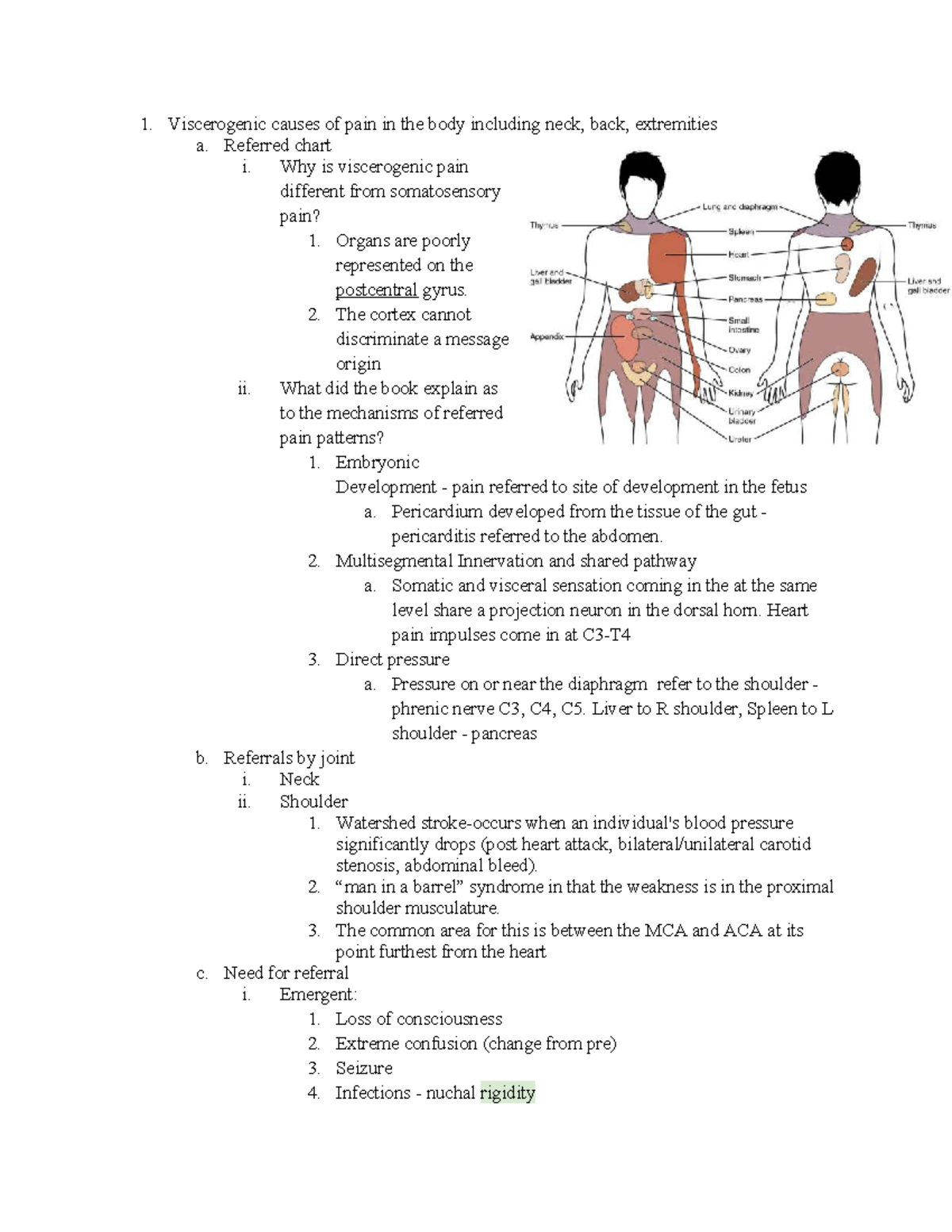
- Angina (Chest Pain): Pressure, squeezing, or heaviness in the chest. It is vital to distinguish between cardiac pain and non-cardiac pain (like acid reflux).
- Palpitations: The feeling that the heart is skipping a beat, fluttering, or beating too hard.
- Edema: Swelling, particularly in the lower extremities, which may indicate heart failure or venous insufficiency.
Gastrointestinal (Digestive) Symptoms
The digestive tract is a common source of both acute and chronic symptoms.
- Dyspepsia: General discomfort in the upper abdomen, often described as indigestion or burning.
- Nausea and Emesis: The urge to vomit and the act of vomiting.
- Changes in Bowel Habits: Constipation, diarrhea, or changes in stool consistency and color, which are significant diagnostic markers.
- Abdominal Distension: Physical bloating or a feeling of fullness.
The Temporal Nature of Symptoms: Acute, Chronic, and Relapsing
How a symptom behaves over time provides critical clues for diagnosis. In 2026, clinical guidelines continue to emphasize the "temporal pattern" as a primary diagnostic tool.
Acute symptoms appear suddenly and are often severe. They are usually the result of a specific injury or a rapid-onset illness, such as a bone fracture or an acute viral infection. These symptoms typically resolve once the underlying cause is treated.
Chronic symptoms persist for an extended period, generally defined as three months or longer. Chronic pain, persistent fatigue, or long-term digestive issues fall into this category. Managing chronic symptoms often focuses on quality of life and functional maintenance rather than a "cure."
Relapsing or Paroxysmal symptoms come and go. A patient may feel entirely healthy for weeks, only to have symptoms flare up suddenly. Conditions like multiple sclerosis, asthma, or certain types of arthritis are characterized by this "waxing and waning" pattern.
Red Flag Symptoms: When to Seek Emergency Care
Certain symptoms act as "red flags," indicating a potentially life-threatening condition that requires immediate medical intervention. If you or someone else experiences the following, contact emergency services immediately.
- Sudden Neurological Deficits: This includes the "FAST" signs of stroke: Facial drooping, Arm weakness, Speech difficulty, and Time to call emergency services.
- Severe Chest Pressure: Especially if accompanied by pain radiating to the jaw, neck, or left arm, and sweating (diaphoresis).
- Anaphylaxis Signs: Swelling of the lips or tongue, difficulty swallowing, or a rapid drop in blood pressure following exposure to an allergen.
- Thunderclap Headache: An extremely severe headache that reaches maximum intensity within seconds or minutes, often described as the "worst headache of one's life."
- Uncontrollable Bleeding: Hemorrhage that cannot be stopped with direct pressure.
- Sudden Loss of Vision: Particularly if it is painless and occurs in one eye, which could indicate retinal detachment or vascular occlusion.
How to Document and Describe Symptoms Using the OPQRST Method
To help your doctor help you, it is beneficial to use a structured method for describing symptoms. The OPQRST mnemonic is a standard tool used by paramedics and emergency room physicians, and it is equally useful for patients preparing for an appointment.
| Letter | Category | Questions to Ask Yourself |
|---|---|---|
| O | Onset | When did the symptom start? Was it sudden or gradual? What were you doing? |
| P | Provocation / Palliation | What makes it worse (e.g., movement, food)? What makes it better (e.g., rest, ice)? |
| Q | Quality | What does it feel like? Is it sharp, dull, crushing, burning, or throbbing? |
| R | Region / Radiation | Where is the symptom located? Does the sensation travel to other parts of the body? |
| S | Severity | On a scale of 0 to 10, how intense is it? Does it interfere with daily activities? |
| T | Timing | Is it constant or intermittent? Does it happen more often at night or in the morning? |
By using this table as a template for a symptom diary, you provide a high level of technical detail that allows a physician to move quickly through the differential diagnosis process.
The Role of Symptom Overlap and Vague Presentations
One of the greatest challenges in modern medicine is the "vague symptom." Many serious conditions do not present with "textbook" symptoms. For example, a heart attack in a female patient or a person with diabetes may not present as crushing chest pain but rather as extreme fatigue, nausea, or jaw discomfort.
Similarly, overlapping symptoms can make diagnosis difficult. Fatigue and weight loss are symptoms of hundreds of different conditions, from clinical depression and thyroid dysfunction to occult infections and cancer. In 2026, healthcare providers increasingly use multi-omic testing and advanced imaging to resolve these ambiguities, but the initial "clue" always begins with the patient's reported symptoms.
Technological Integration in 2026: Digital Symptom Checkers
As of 2026, the landscape of symptom monitoring has shifted significantly toward digital integration. Many patients now utilize "Smart Symptom Diaries" that sync with wearable devices. These tools can correlate a patient's subjective feeling of "palpitations" with objective data such as heart rate variability (HRV) and ECG readings recorded by a smartwatch.
However, a "Comprehensive Overview of Symptoms" must include a cautionary note about digital triage. While AI-driven symptom checkers have become more accurate, they are not a replacement for clinical judgment. They should be used as a tool to prepare for a doctor's visit or to determine the urgency of care, rather than as a final diagnostic tool. Misinterpreting symptoms through self-diagnosis can lead to unnecessary anxiety (sometimes called "cyberchondria") or, more dangerously, the delay of necessary professional treatment.
Psychosomatic Symptoms: The Mind-Body Connection
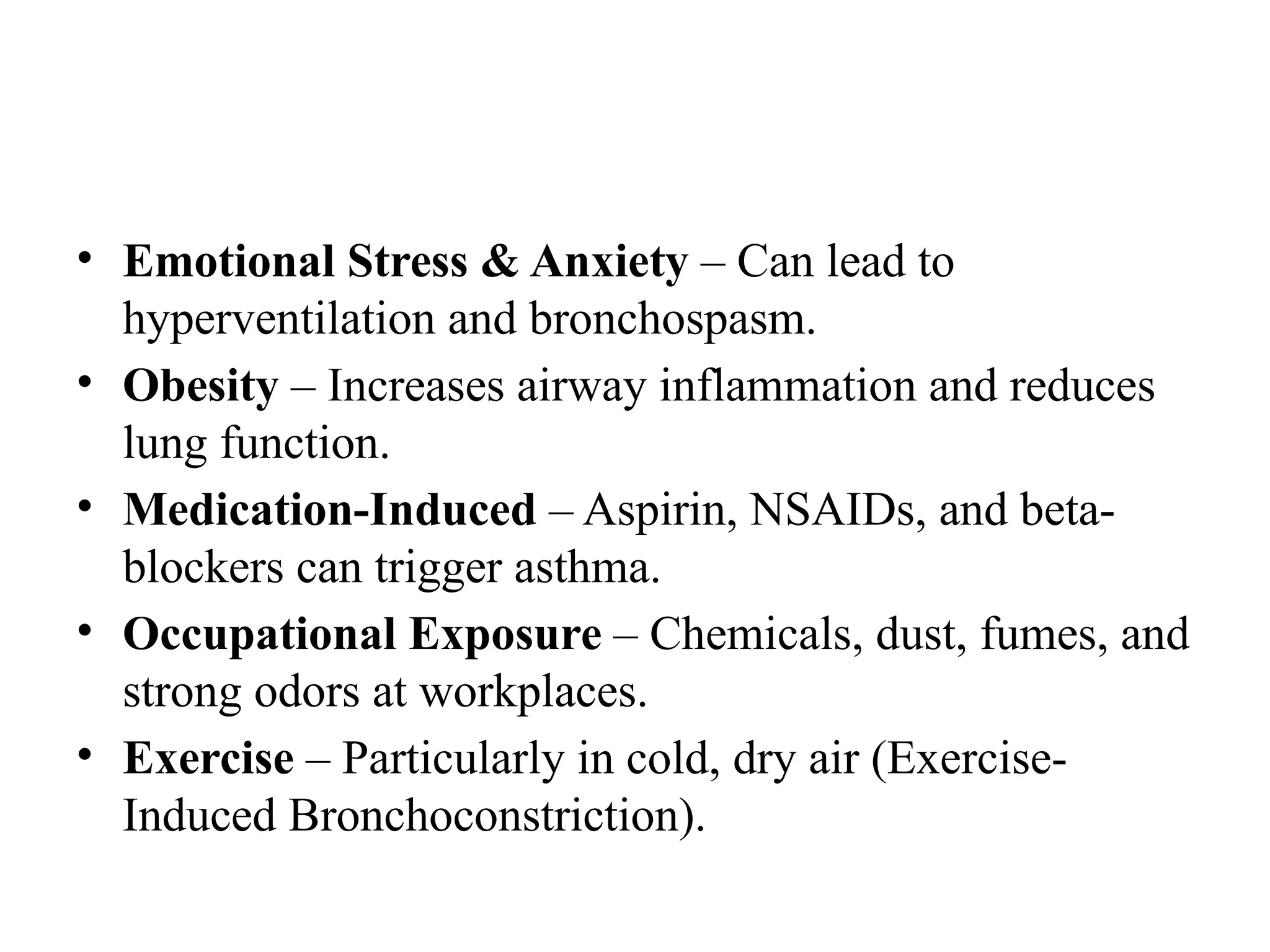
It is important to acknowledge that symptoms can be manifestations of psychological distress. This does not mean the symptoms are "not real." Psychosomatic symptoms—such as stomach pain, headaches, or muscle tension caused by chronic stress or anxiety—are physiologically measurable.
The brain and the nervous system are inextricably linked to the rest of the body. Stress triggers the release of cortisol and adrenaline, which can cause real physical symptoms like tachycardia (fast heart rate) and digestive upset. A comprehensive medical evaluation should always consider both physical and psychological factors to ensure a holistic approach to health.
Frequently Asked Questions
What is the difference between a primary and a secondary symptom?
A primary symptom is a direct result of a disease process. For example, a high blood sugar level in a diabetic patient leads to the primary symptom of polyuria (excessive urination). A secondary symptom is a complication arising from the primary issue, such as the skin irritation or dehydration that might follow frequent urination.
Can symptoms be "silent"?
Strictly speaking, a symptom cannot be silent because a symptom is something you feel. However, many diseases are "asymptomatic," meaning they produce no symptoms in their early stages. Hypertension (high blood pressure) is famously known as the "silent killer" because it often produces no symptoms until it has caused significant damage to the heart or kidneys.
Why does my doctor ask "pertinent negatives"?
When a doctor asks if you don't have a certain symptom (e.g., "Do you have a cough? No?"), they are looking for pertinent negatives. These are symptoms that are absent but would be expected if a specific diagnosis were true. Knowing what symptoms you lack is often just as important as knowing which ones you have for ruling out specific conditions.
How should I track symptoms that are hard to describe?
If you find a sensation difficult to put into words, try using metaphors or comparing it to common experiences (e.g., "It feels like a tight band around my head" or "It feels like an electric shock"). Additionally, note what you were doing right before the symptom appeared, as environmental or behavioral triggers provide vital context.
Are symptoms more reliable than lab tests?
Neither is inherently "more" reliable; they serve different purposes. Symptoms tell the doctor how the illness is affecting your life and function, whereas lab tests (signs) provide the biological evidence of what is happening at a cellular or systemic level. A diagnosis is typically reached by correlating the two.
Practical Recommendations for Symptom Management
To manage your health effectively in 2026, prioritize the following actions:
- Maintain a Symptom Diary: If you have recurring or unexplained sensations, record them for at least two weeks before your appointment using the OPQRST method.
- Be Specific, Not General: Instead of saying "I feel bad," say "I have had a dull ache in my lower right abdomen every afternoon for the last four days."
- Prioritize Your Concerns: If you have multiple symptoms, list them in order of how much they affect your daily life. This helps the clinician focus on your most pressing needs first.
- Review Your Medications: Many symptoms are actually side effects of medications or supplements. Keep an updated list of everything you ingest, including over-the-counter vitamins.
- Seek Professional Consultation: If a symptom is new, worsening, or causing you concern, schedule a visit with a primary care provider. Self-monitoring is a supplement to, not a replacement for, professional medical expertise.
Medical Disclaimer: This article provides general information and is not intended as medical advice. Always seek the advice of a physician or other qualified health provider with any questions you may have regarding a medical condition. Never disregard professional medical advice or delay in seeking it because of something you have read here.
External Resources for Verified Symptom Information: