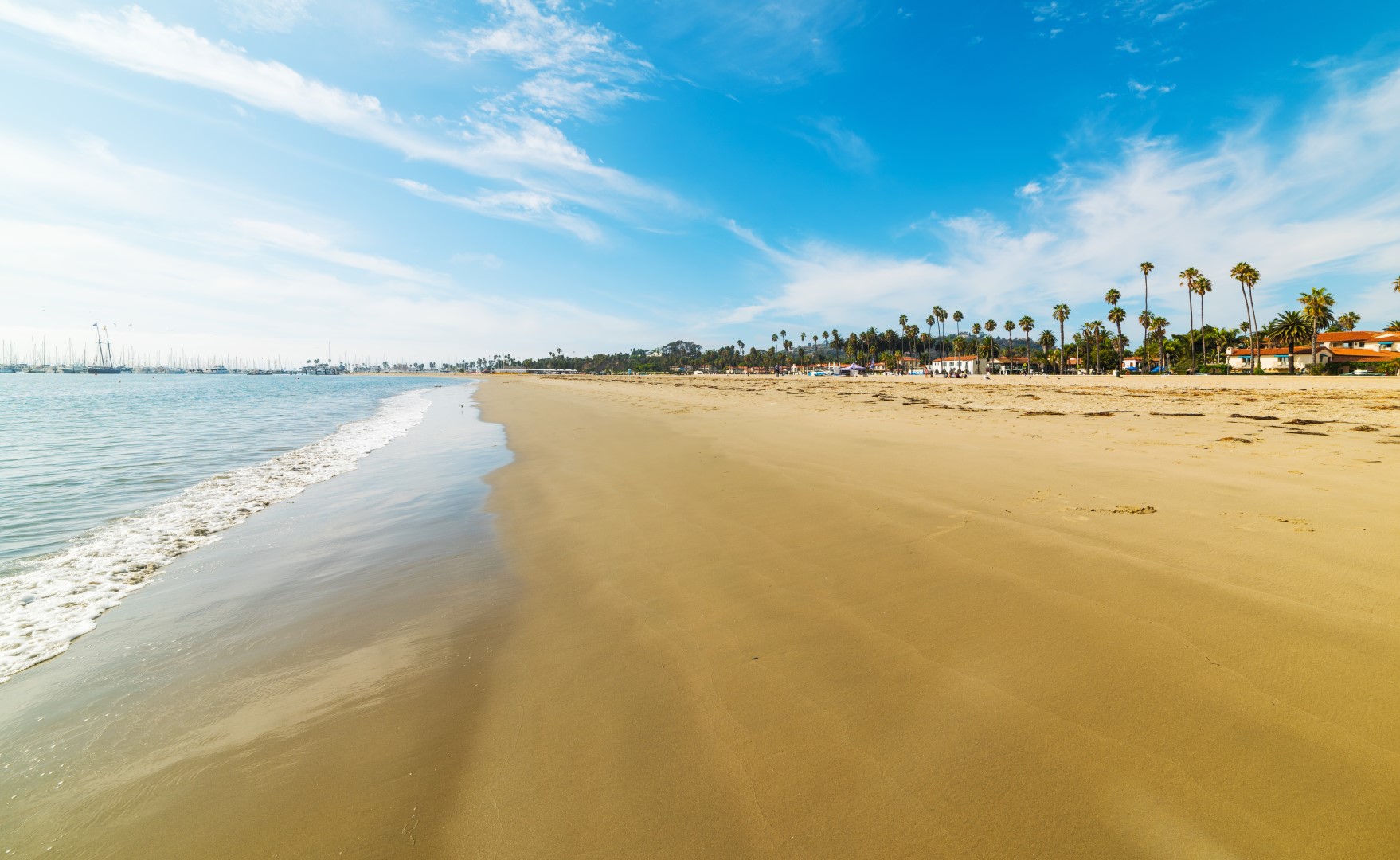
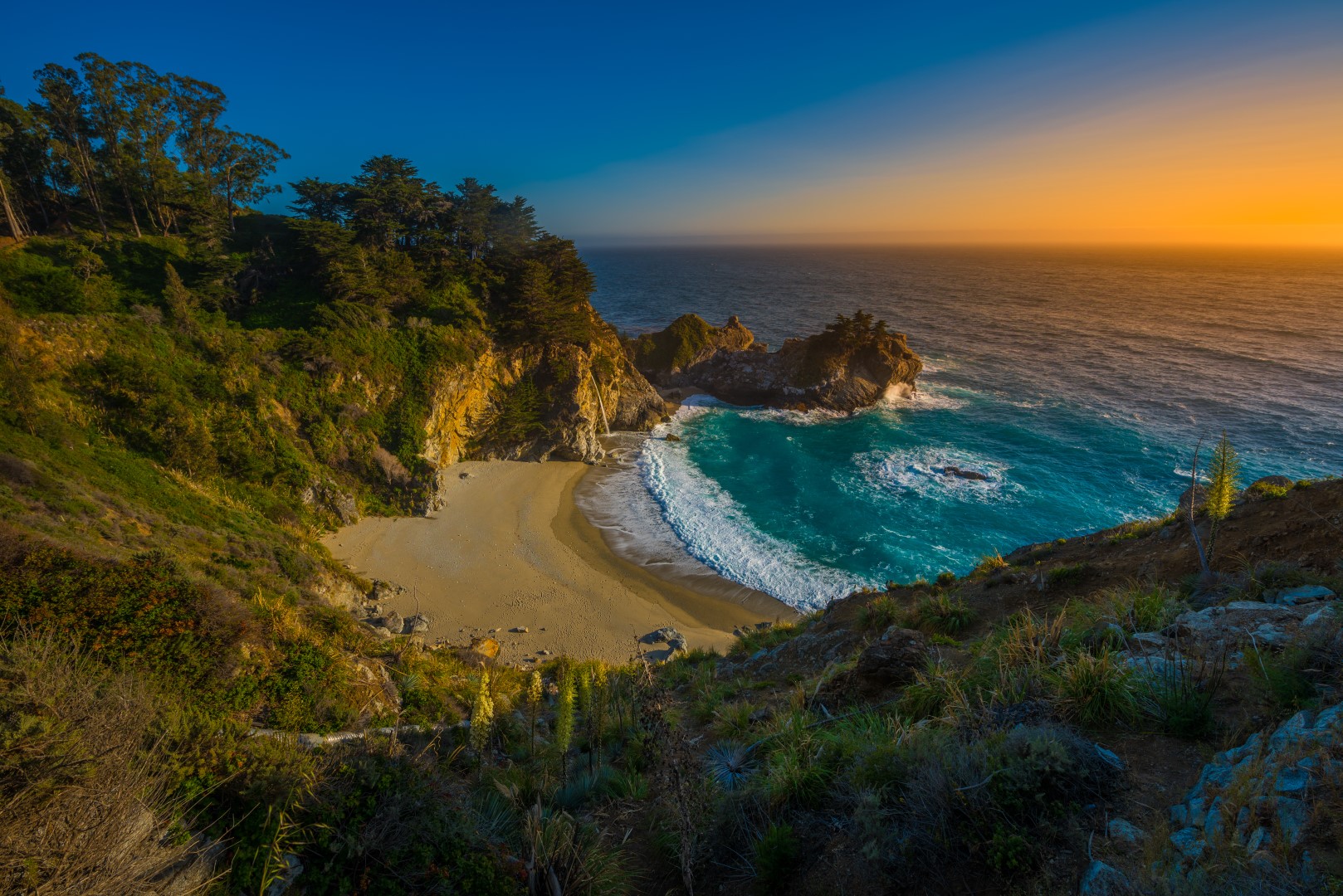
California beaches are generally cold compared to the Atlantic or Gulf Coasts due to the California Current bringing frigid water down from Alaska. Water temperatures range from the mid-50s°F (12°C) in Northern California to the low 70s°F (21°C) in Southern California during peak summer. Most swimmers find wetsuits necessary for extended activity.
The perception of California as a tropical paradise is one of the most common misconceptions for domestic and international travelers alike. While Hollywood depictions often show sun-drenched shores and bronzed surfers, the reality of the Pacific Ocean is one of bracing temperatures and powerful currents. As of 2026, these maritime conditions remain a defining characteristic of the Golden State’s 840 miles of coastline. Understanding why these waters remain chilly even in the height of summer is essential for anyone planning a coastal visit, whether for surfing, swimming, or simply walking the shore.
The Science Behind the Chill: The California Current
The primary reason California beaches are cold is the California Current. This massive movement of water is part of the North Pacific Gyre, a large system of rotating ocean currents. The California Current flows southward along the western coast of North America, beginning off the coast of British Columbia and ending near the southern tip of Baja California.
Because this water originates in the subarctic regions near Alaska, it is inherently cold. Unlike the Gulf Stream on the US East Coast, which brings warm, tropical water from the equator northward, the California Current acts as a conveyor belt for frigid northern waters. Even as the water moves south toward Los Angeles and San Diego, it does not have enough time or exposure to intense solar radiation to reach the "bathtub" temperatures found in Florida or the Caribbean.
The Role of Upwelling
Beyond the southward flow of cold water, a process known as upwelling significantly impacts coastal temperatures. This occurs when strong winds—typically from the northwest—push the warmer surface water away from the shore. To replace this displaced surface water, deep, nutrient-rich, and extremely cold water rises from the bottom of the ocean.
Upwelling is most frequent during the spring and early summer months. This creates a paradox where the air temperature may be rising into the 80s or 90s in May and June, but the ocean temperature actually drops as the deep-sea water reaches the surface. This is one reason why "June Gloom" (persistent coastal fog) is so prevalent; the cold water chills the air above it, leading to condensation and thick marine layers.
Regional Analysis: From the Redwoods to the Mexican Border
California’s coastline is vast, and the temperature experience varies dramatically depending on your latitude. To understand if a beach will be "cold," one must categorize the state into three distinct regions.
Northern California: The Rugged, Frigid Coastline
In regions like Mendocino, Humboldt, and San Francisco, the water is perennially cold. Even in the middle of summer, temperatures rarely climb above 58°F (14°C). In the winter, they can drop into the low 50s or high 40s.
- Experience: Swimming without a high-quality wetsuit in Northern California is not just uncomfortable; it can be dangerous. The risk of cold shock and hypothermia is high for those who are not acclimated.
- Aesthetics: These beaches are characterized by dramatic cliffs, sea stacks, and heavy fog. They are destinations for hiking and photography rather than sunbathing and wading.
Central Coast: The Transitional Zone
The Central Coast, including Monterey, Big Sur, and San Luis Obispo, acts as a transition zone. Here, the water begins to lose its extreme bite but remains firmly in the "cold" category. Temperatures typically hover between 55°F and 62°F (13°C to 17°C).
Monterey Bay is particularly famous for its deep submarine canyon, which facilitates significant upwelling. This makes the bay a haven for marine life like whales and sea otters, but it ensures the water remains bracingly cold year-round. Santa Barbara is often where the "warmth" begins to slightly increase, as the coastline turns eastward and gains some protection from the direct southward flow of the California Current.
Southern California: The Warmest (But Still Brisk) Waters
Southern California—comprising Los Angeles, Orange County, and San Diego—offers the state's warmest ocean temperatures. During late August and September, water temperatures can reach 68°F to 72°F (20°C to 22°C).
While 70°F sounds warm compared to San Francisco, it is still significantly cooler than the 85°F (29°C) waters often found in Miami or the Bahamas. For most casual swimmers, a 70-degree ocean feels refreshing for a few minutes but begins to feel chilly during prolonged exposure. In the winter months (January through March), Southern California water drops back down to the high 50s or low 60s.
Seasonal Variations and the "Best" Time to Swim
Timing is everything when visiting California beaches. Unlike tropical destinations where the water is warm year-round, California has a very specific window for "comfortable" swimming.
- Winter (December–March): This is when the water is at its coldest state-wide. Storms are more frequent, and the surf is often at its largest and most dangerous.
- Spring (April–June): Air temperatures rise, but upwelling keeps the water cold. This is often the most disappointing time for tourists who expect summer conditions but find the water at near-winter temperatures.
- Summer (July–August): Surface temperatures begin to rise. In Southern California, this is the start of the primary swimming season. In Northern California, it remains cold.
- Early Fall (September–October): This is arguably the best time for California beaches. The "upwelling" winds have died down, and the ocean has had all summer to absorb solar heat. In 2026, as in previous years, September remains the "sweet spot" for the warmest water and clearest skies.
Average Water Temperatures by Region (2026 Data)
The following table provides a breakdown of what to expect at various popular destinations along the coast during peak summer and mid-winter.
| Location | Winter Low (Jan-Feb) | Summer High (Aug-Sep) | Typical Wetsuit Required |
|---|---|---|---|
| Crescent City | 48°F (9°C) | 56°F (13°C) | 5/4mm with Hood/Boots |
| San Francisco | 51°F (11°C) | 59°F (15°C) | 4/3mm Fullsuit |
| Monterey | 52°F (11°C) | 61°F (16°C) | 4/3mm Fullsuit |
| Santa Barbara | 56°F (13°C) | 66°F (19°C) | 3/2mm Fullsuit |
| Santa Monica | 58°F (14°C) | 69°F (21°C) | 3/2mm or Springsuit |
| Newport Beach | 59°F (15°C) | 71°F (22°C) | Springsuit or Trunking |
| San Diego | 60°F (16°C) | 73°F (23°C) | Trunking (Short periods) |
Note: "Trunking" refers to swimming in board shorts or a swimsuit without a neoprene top.
Equipment Guide: Choosing the Right Wetsuit
Because California beaches are cold, neoprene is the local "uniform." If you plan on spending more than 15 minutes in the water, you should consider the appropriate gear. Wetsuits are measured in millimeters, with the first number representing the thickness of the torso and the second representing the limbs.
- 5/4mm Fullsuit: Necessary for Northern California and winter sessions in Central California. Often paired with neoprene boots, gloves, and a hood.
- 4/3mm Fullsuit: The "workhorse" of California surfing. This is ideal for Central California year-round and Southern California in the winter and spring.
- 3/2mm Fullsuit: Perfect for Southern California from late spring through early autumn. It provides warmth while maintaining high flexibility.
- 2mm Springsuit: A short-sleeved/short-legged suit used in Southern California during the warmest weeks of summer when the wind creates a slight chill.
- Rash Guards: These provide zero warmth. They are used solely for UV protection and to prevent wax chafing while surfing.
Health and Safety: Managing Cold Water Exposure
Swimming in cold water presents specific physiological challenges that visitors should be aware of. When the body is suddenly immersed in water below 60°F, it can trigger the Cold Shock Response. This includes an involuntary gasp for air, increased heart rate, and potential panic.
Hypothermia Risks
Even in Southern California's 65°F water, hypothermia can set in over time. Early signs include shivering, loss of dexterity in the fingers (making it hard to paddle or swim), and mental confusion. If you begin to shiver uncontrollably, it is a signal from your body to exit the water immediately and dry off.
The Role of the Sun
In California, the air temperature can be deceiving. It is common to have a 90°F day with 62°F water. This temperature gradient can make the water feel even colder than it is. Always have a towel and a windbreaker ready for when you exit the water, as the coastal breeze can lead to rapid evaporative cooling.
Why Do People Still Swim?
Despite the cold, California’s beaches remain some of the most visited in the world. The cold water is a primary reason for the state’s rich biodiversity. Cold water holds more dissolved oxygen than warm water, supporting massive Kelp Forests (Macrocystis pyrifera). These underwater forests house thousands of species, from Garibaldi fish to sea lions and sea otters.
For surfers, the cold water is a small price to pay for the high-quality swells generated by the Pacific. Furthermore, many locals swear by the "cold plunge" effect, citing the invigorating and anti-inflammatory benefits of swimming in the Pacific.
Frequently Asked Questions
Can you swim in California beaches without a wetsuit?
In Southern California (Los Angeles to San Diego), you can comfortably swim without a wetsuit from July through September. However, in Northern California, swimming without a wetsuit is generally not recommended for more than a few minutes due to the risk of hypothermia. Even in the south, most people prefer a "springsuit" (short wetsuit) for added comfort.
Why is the water in California colder than in Florida?
The water in Florida is influenced by the Gulf Stream, which brings warm water from the Caribbean and the equator. California is influenced by the California Current, which brings cold water down from the North Pacific and Alaska. Additionally, the Pacific is much deeper near the coast than the Atlantic, allowing for more upwelling of cold, deep-sea water.
What is the warmest beach in California?
Typically, the beaches in San Diego, specifically those in La Jolla and Coronado, have the warmest water in the state. Because they are the furthest south and benefit from some protection from the Channel Islands, they can see temperatures reaching 72°F or 73°F in late August.
Is the water too cold for kids?
Kids tend to lose body heat faster than adults. In Southern California during the summer, children can usually play in the waves for an hour or two without issue. In Central or Northern California, it is highly recommended to rent or buy a children’s wetsuit to ensure they stay warm and enjoy their time at the beach.
Does the water ever get "warm" in San Francisco?
No. Even during a record-breaking heatwave, the water temperature in San Francisco rarely exceeds 62°F. The geographical positioning and the constant influence of the California Current ensure that the Bay Area remains a "cold water" destination indefinitely.
Practical Recommendation for 2026 Visitors
If you are planning a trip to a California beach in 2026, do not rely on your experience with Atlantic or tropical waters. For those heading to Southern California, pack a high-quality rash guard and check the local water temperature reports on sites like NOAA or Surfline before you go. If you are heading anywhere north of Santa Barbara, plan on renting a wetsuit from a local surf shop. The "cold" of California's beaches is not a deterrent, but rather a characteristic of a powerful, living ecosystem that demands respect and preparation.