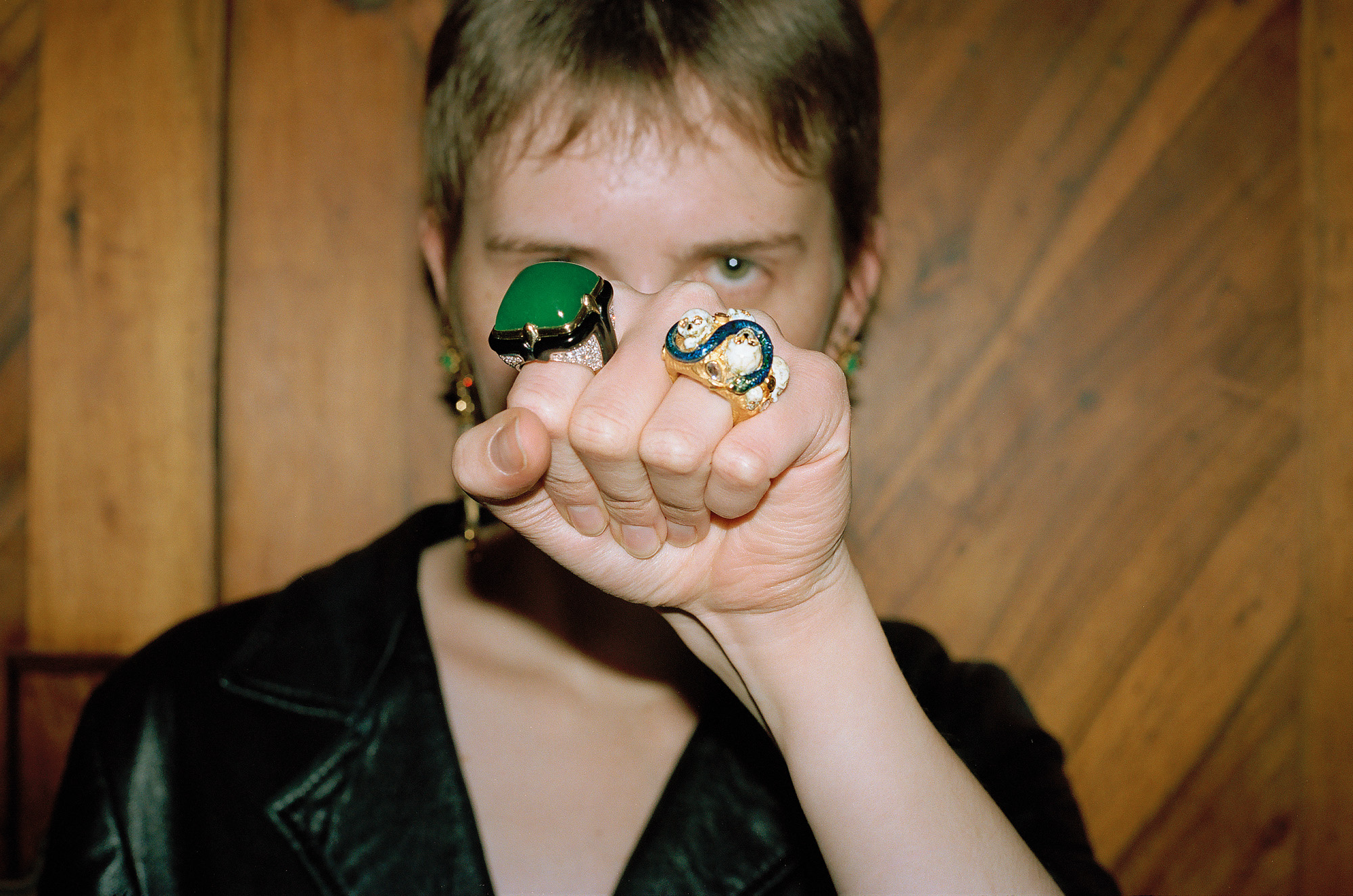
Attilio Codognato represents a legendary lineage of Venetian jewelers whose creations bridge high-end haute joaillerie with profound philosophical meditations on mortality, love, and time. Operating from a historic boutique near St. Mark’s Square in Venice, the House of Codognato has spent over a century crafting wearable art that defies fleeting fashion trends. By reclaiming historical motifs such as memento mori—reminders of human mortality—and vanitas symbolism, Attilio Codognato and his descendants transformed macabre imagery into objects of exquisite elegance, coveted by royalty, artists, and international tastemakers alike.
The Historical Origins and Lineage of the House of Codognato
The legacy of the Codognato family in Venetian jewelry craftsmanship began in the mid-19th century. Founded in 1866 by Simeon Codognato, the establishment quickly rooted itself in the rich cultural fabric of Venice, a city historically positioned at the crossroads of European and Byzantine aesthetic traditions. Simeon possessed a profound appreciation for antique artifacts, archeological discoveries, and the intricate decorative arts of the past, laying a foundation that subsequent generations would meticulously preserve and evolve.
Attilio Codognato, representing the second generation of this distinguished family, expanded the boutique's international reputation during the late 19th and early 20th centuries. Under his stewardship, the store transitioned from a traditional Venetian jeweler into an international destination for connoisseurs of the unusual and the sublime. Attilio possessed an unerring eye for historical curation, blending antique sensibilities with the evolving design languages of the Belle Époque and later the Art Deco movements.
The continuity of the family business across generations ensures that traditional goldsmithing techniques remain alive in modern Venice. Today, the workshop maintains the same uncompromising standards of craftsmanship established by Simeon and Attilio. Every piece is treated as a singular sculptural project, requiring advanced metalworking, micro-mosaic assembly, gemstone carving, and enamel work that can take months to complete by master artisans.
The Philosophy of Memento Mori and Vanitas in Codognato Jewelry
At the core of the Attilio Codognato aesthetic is the deep integration of memento mori and vanitas motifs. Derived from ancient philosophical traditions—most notably Stoicism and Christian contemplation—memento mori serves as a deliberate reminder of the transience of earthly life, power, and beauty. Rather than viewing death and decay as morbid or taboo subjects, the House of Codognato treats them as universal truths that highlight the intense, fragile beauty of existence.
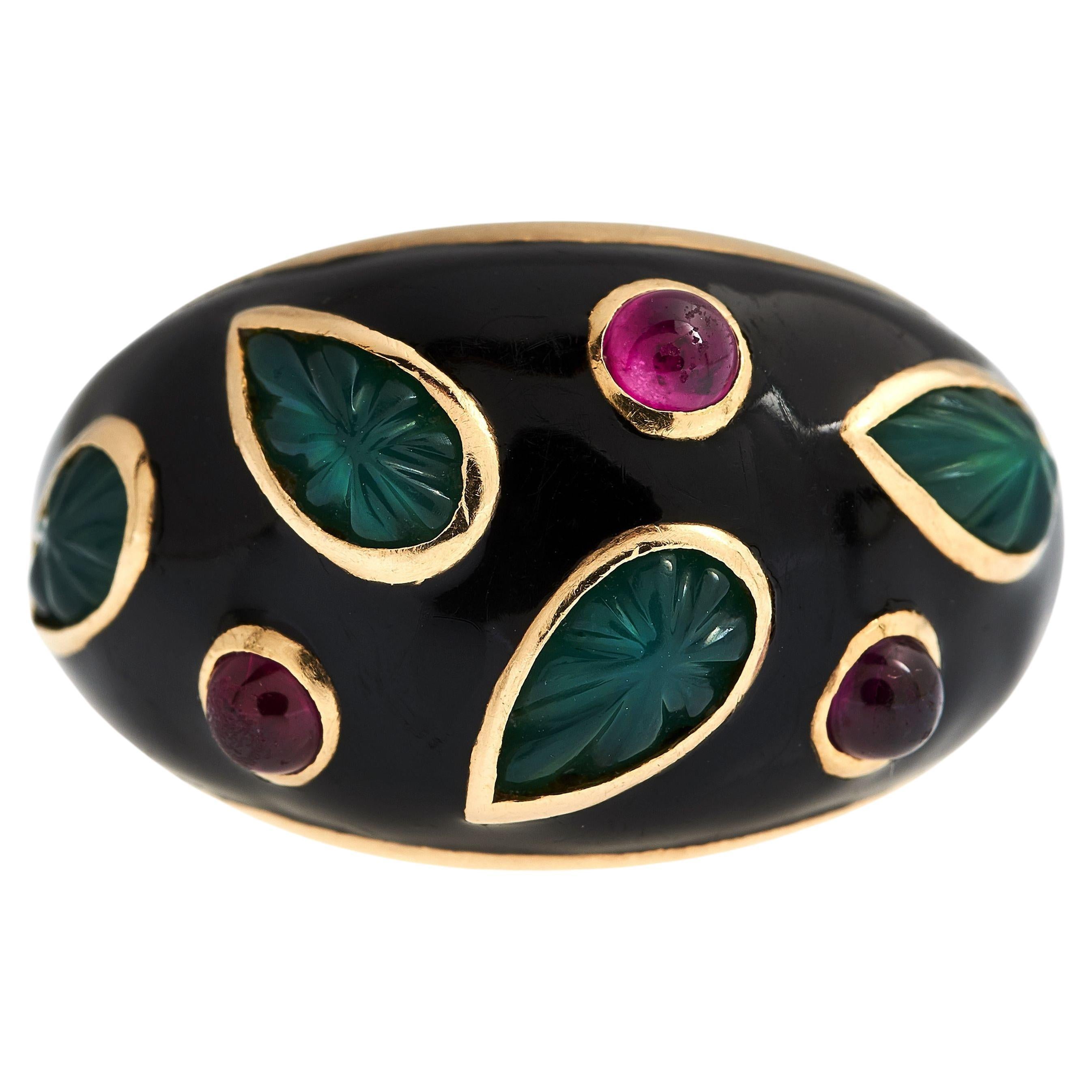
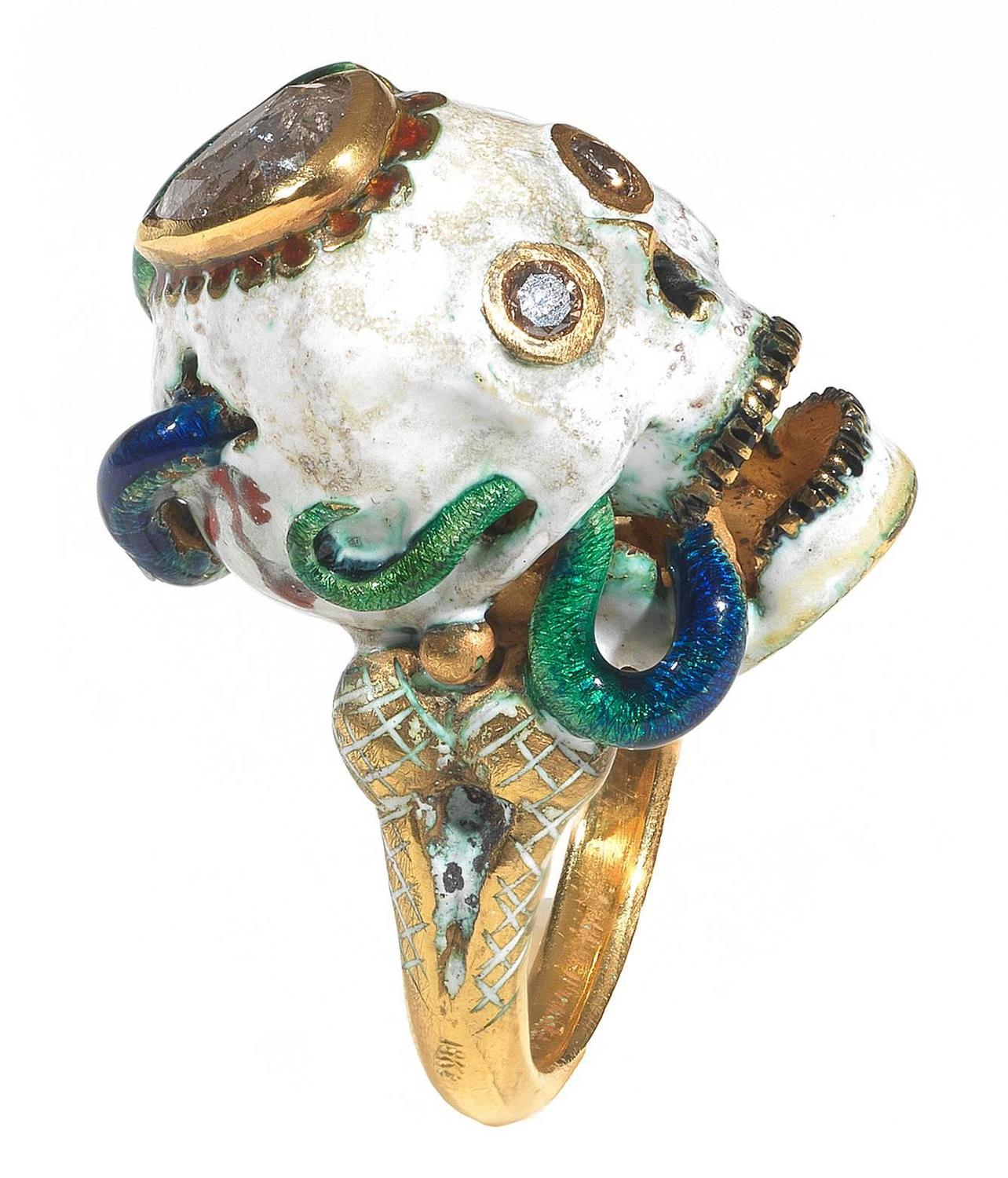
Skulls, crossbones, intertwined serpents, daggers, and weeping figures recur as central design elements in their rings, brooches, and pendants. These symbols are executed with a startling degree of realism and artistic refinement. Skulls are meticulously carved from ivory, bone, coral, or precious gemstones, then set against dark backgrounds of onyx, jet, or black enamel to maximize visual contrast.
This thematic focus attracted intellectuals, artists, and bohemian icons who rejected conventional bourgeois aesthetics. Figures such as Salvador Dalí, Ernest Hemingway, and Elizabeth Taylor were famously drawn to the profound melancholy and romanticism embedded within Codognato's creations. The juxtaposition of precious materials—diamonds, gold, and rubies—with symbols of mortality creates a powerful tension between eternal wealth and organic decay, establishing a signature style that remains instantly recognizable among fine jewelry experts.
Signature Designs and Iconic Motifs
While the skull remains the most famous motif associated with Attilio Codognato, the house's repertoire extends across several distinct categories of symbolic ornamentation. Understanding these specific designs reveals the breadth of the jeweler's technical mastery and iconographic range.
- The Memento Mori Ring: Often featuring a central carved skull flanked by intricate gold filigree or diamond pavé, these rings are engineered for comfortable daily wear despite their heavy philosophical weight.
- Snake and Serpent Motifs: Symbolizing eternity, wisdom, and rebirth, gold snakes encrusted with rubies or emeralds wrap around fingers and wrists, reflecting ancient Roman and Egyptian jewelry traditions reinterpreted through a Venetian lens.
- Micro-Mosaics and Intaglios: Utilizing tiny glass tesserae or carved hardstones, these pieces depict classical ruins, mythological scenes, and symbolic animals, drawing inspiration from the Grand Tour souvenirs popular among 19th-century European travelers.
- Animalier and Flora Symbolism: Spiders, daggers piercing bleeding hearts, and floral wreaths constructed from black enamel and diamonds explore themes of fatal attraction and the cycle of nature.
| Motif Category | Primary Materials Used | Symbolic Significance | Historical Inspiration |
|---|---|---|---|
| Skulls & Skeletons | Gold, Ivory, Diamonds, Onyx | Transience of life, equality in death | 17th-century European mourning jewelry |
| Serpents | Gold, Rubies, Emeralds, Enamel | Eternity, temptation, cyclical renewal | Ancient Egyptian and Roman mythology |
| Bleeding Hearts | Rubies, Yellow Gold, Daggers | Passion, heartbreak, profound devotion | Victorian romantic and sentimental tokens |
| Micro-Mosaics | Glass Tesserae, Gold Frames | Preservation of antiquity, travel | 19th-century archaeological discoveries |
The Venetian Flagship Boutique: A Temple of Curiosities
Visiting the physical location of Casa Codognato on San Marco in Venice is an essential pilgrimage for jewelry historians and collectors. Located near the historic Piazza San Marco, the interior of the boutique resists modern retail trends, favoring an atmosphere of hushed reverence, dark wood paneling, velvet displays, and nineteenth-century vitrines.
The boutique operates less like a conventional jewelry store and more like a private salon or museum of curiosities. Here, clients are invited to examine pieces under loupes, discussing provenance, symbolism, and custom commissions directly with the family. This intimate retail model preserves the historic relationship between patron and artisan, ensuring that each acquisition comes with a deep narrative understanding of its construction and symbolic heritage.
Maintaining a presence in Venice presents unique operational challenges, including high humidity, marine environmental factors, and strict preservation laws governing historic buildings. The Codognato family has navigated these hurdles by maintaining rigorous conservation protocols for their historic inventory and ensuring that all modern workshop activities adhere to traditional preservation standards.
Collecting, Authentication, and Market Value
Acquiring a piece of Attilio Codognato jewelry requires navigating a specialized sector of the high-end vintage and bespoke art market. Because production volumes are exceptionally low and many pieces are custom-made for private collectors, authentic Codognato items rarely appear in standard retail environments. Instead, they circulate through elite auction houses such as Sotheby's and Christie's, or are acquired directly via private appointment at the Venetian boutique.
Evaluating the authenticity and value of a Codognato piece involves examining several key indicators:
- Hallmarks and Signatures: Genuine pieces typically bear specific maker's marks or signatures associated with the Codognato family workshop.
- Material Quality: The use of specific historic materials—such as genuine antique coral, high-grade old-mine cut diamonds, and traditional vitreous enamel—distinguishes authentic works from modern imitations.
- Carving Precision: The anatomical accuracy and expressive detail of carved skulls or figures reflect the high level of artisanal skill unique to the house's master carvers.
- Provenance Documentation: Original receipts, family letters, or inclusion in retrospective exhibition catalogs significantly enhance the verified market value of vintage pieces.
Buyers should exercise caution when evaluating pieces attributed to Attilio Codognato on secondary online markets, as the distinct aesthetic has inspired numerous modern reproductions and unassociated gothic jewelry lines. Consulting specialized fine jewelry appraisers with expertise in 19th- and 20th-century European maker marks is strongly recommended before completing any high-value acquisition.
Frequently Asked Questions About Attilio Codognato
Where is the Attilio Codognato boutique located?
The historic flagship boutique is located in Venice, Italy, near the iconic Piazza San Marco. It remains the primary destination for viewing and acquiring authenticated pieces directly from the family.
What is the significance of the skull motif in Codognato jewelry?
The skull represents memento mori, an artistic and philosophical tradition reminding viewers of human mortality. Rather than expressing grief, Codognato uses skulls to celebrate the intensity and beauty of life by contrasting precious gems with symbols of decay.
Are Attilio Codognato pieces mass-produced?
No, the House of Codognato produces jewelry in very limited quantities. Many pieces are handcrafted using traditional goldsmithing techniques, making vintage and contemporary works highly sought-after by collectors and museums.
How can I verify if a Codognato piece is authentic?
Authentication requires examining proprietary workshop hallmarks, material quality (such as antique stones and hand-mixed enamels), carving precision, and verifiable provenance documents from established auction houses or the Venetian boutique.
Can I commission custom pieces from the House of Codognato?
Clients can discuss bespoke commissions directly with the family through private appointments at the Venetian boutique, where traditional design motifs can be adapted into custom rings, pendants, or brooches.
Conclusion and Next Actions for Connoisseurs
Attilio Codognato stands as a monumental figure in the history of decorative arts, having elevated dark romanticism and philosophical introspection into wearable masterpieces. For collectors, art historians, and enthusiasts seeking to engage with this legacy, the most reliable next step is to arrange a direct consultation at the Venetian boutique or review authenticated catalogs from major international fine art auction houses. By appreciating the meticulous craftsmanship and profound philosophy behind each piece, collectors preserve a vital link to Venice’s rich artistic heritage.