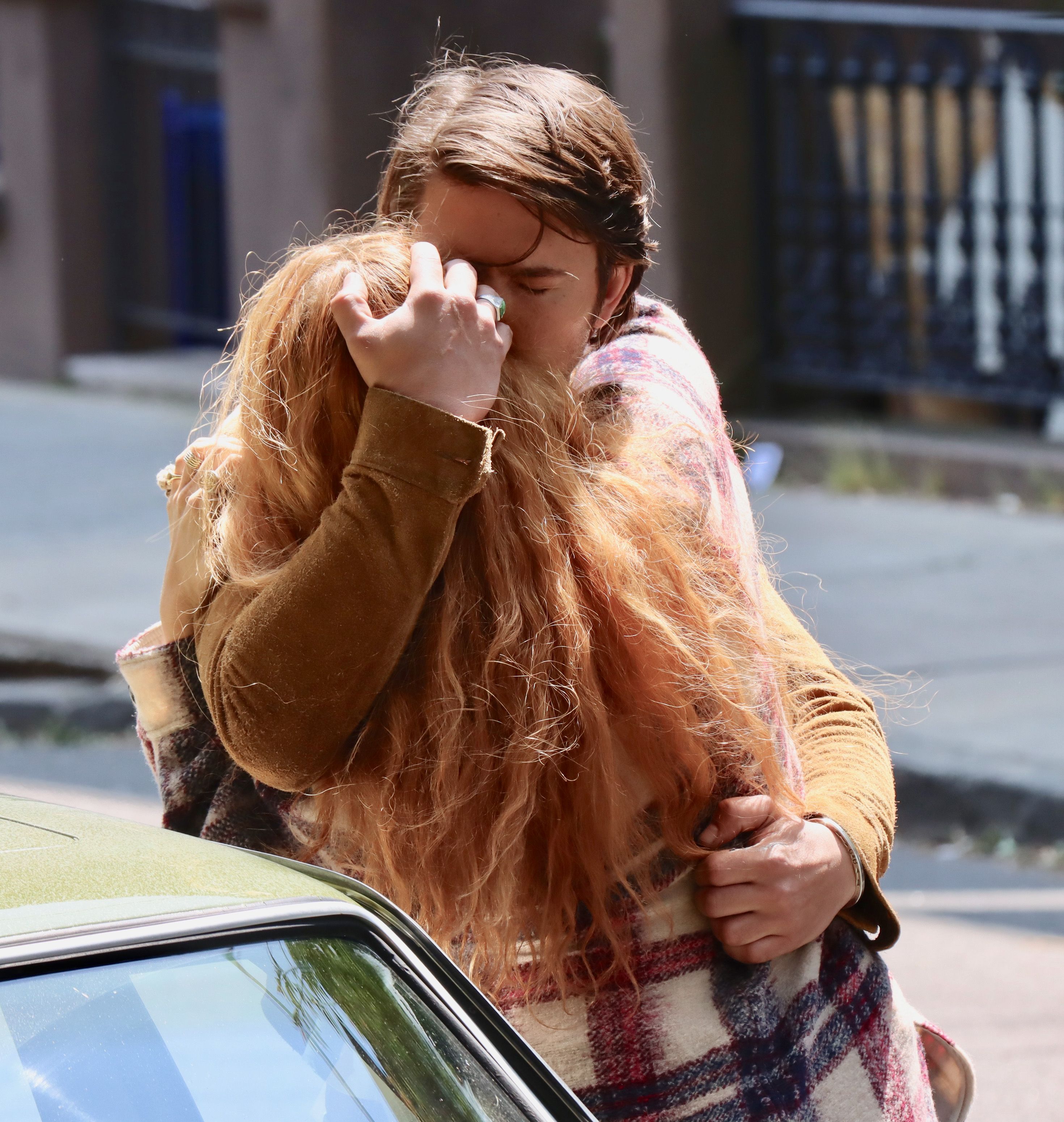
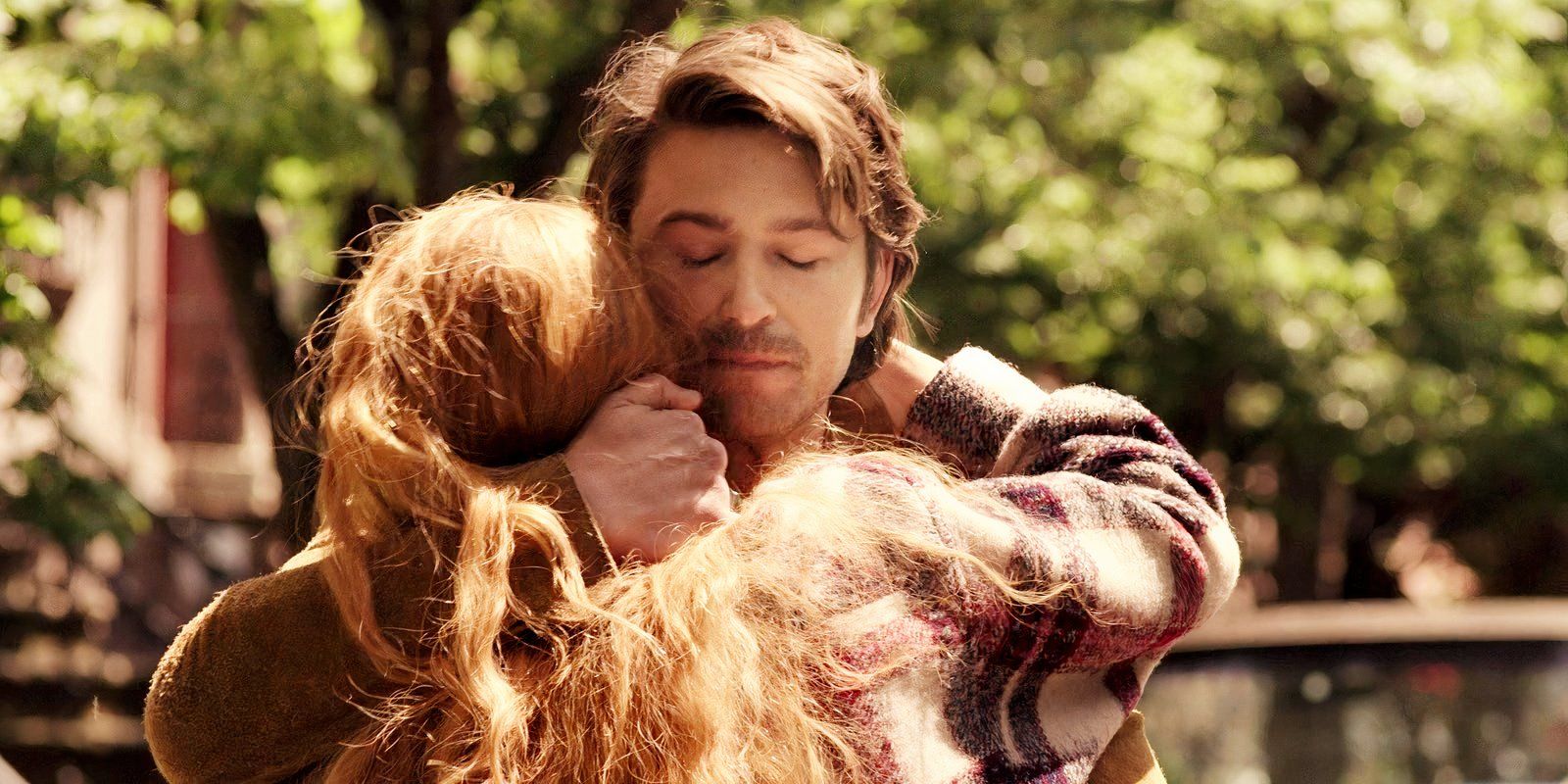
Atlas Corrigan is the secondary protagonist and ultimate love interest in Colleen Hoover’s best-selling novel It Ends With Us and the primary narrator of its sequel, It Starts with Us. He represents the "first love" who provides a safe harbor for the protagonist, Lily Bloom, serving as a structural and emotional foil to the book’s antagonist, Ryle Kincaid.
Since the publication of the original novel in 2016 and the subsequent cinematic release in 2024, Atlas has become a cultural touchstone for "healthy masculinity" in contemporary romance. As of 2026, he remains one of the most discussed fictional characters in the "BookTok" ecosystem, lauded for his resilience, emotional intelligence, and unwavering support of Lily’s autonomy. Understanding Atlas requires looking beyond his role as a romantic lead and examining his history of trauma, his professional journey as a chef, and his function as a symbol of hope within the cycle of domestic abuse.
The Foundation of Atlas Corrigan: Early Life and Trauma
To understand Atlas as an adult, one must first dissect his formative years in Maine. Atlas’s backstory is defined by severe familial neglect and physical displacement. Born into a household where he was unwanted by his mother and abused by his stepfather, Atlas’s early life was a calculated struggle for survival.
At eighteen, Atlas was kicked out of his home with nothing but a backpack. This period of homelessness is a critical juncture in the narrative. He sought refuge in an abandoned house behind Lily Bloom’s childhood home. This setting is where the foundational bond between Atlas and Lily was forged. While Lily provided him with food, warmth, and clothing, Atlas provided Lily with a sense of being truly "seen"—a necessity for a young girl living in a household dominated by her father’s domestic violence.
The dynamic between them was never purely transactional. Atlas’s insistence on eventually paying Lily back or protecting her, even when he had nothing, established his core character trait: a sense of responsibility and protective instinct that is rooted in consent rather than control. This early period highlights the "Just Keep Swimming" mantra—a reference to Finding Nemo—which became a lifelong philosophy for both characters as they navigated their respective traumas.
Transition to Adulthood: The Military and Culinary Success
After leaving Maine to join the Marine Corps, Atlas underwent a period of significant growth that occurs largely off-page in the first novel but is fleshed out through letters and memories. His military service provided the discipline and financial stability he lacked in his youth, but it also physically separated him from Lily at a time when they were most vulnerable.
Upon his honorable discharge, Atlas transitioned into the culinary world. This choice is narratively significant. For someone who experienced food insecurity and homelessness, becoming a successful chef and restaurateur represents the ultimate reclamation of power. By the time he re-enters Lily’s life in Boston, he is the owner of a successful restaurant named Bib’s (an acronym for "Better in Boston").
Bib’s is more than just a business; it is a manifestation of Atlas’s success and his enduring love for Lily. The restaurant serves as a neutral ground where their adult relationship begins to rekindle. His professional success serves as a direct contrast to Ryle Kincaid’s career as a neurosurgeon. While Ryle’s career is high-status and high-pressure, contributing to his "God complex" and volatile outbursts, Atlas’s career is service-oriented and grounded in the creation of a welcoming environment.
Atlas Corrigan vs. Ryle Kincaid: A Study in Contrast
The narrative of It Ends With Us hinges on the dichotomy between Atlas and Ryle. Readers often categorize the two as "Team Atlas" or "Team Ryle," but from a literary perspective, they represent two different responses to male trauma and two different styles of loving Lily Bloom.
Comparative Dynamics
| Feature | Atlas Corrigan | Ryle Kincaid |
|---|---|---|
| Primary Trait | Emotional Stability / Resilience | Ambition / Volatility |
| Conflict Resolution | Communication and Space | Physical Aggression and Gaslighting |
| View of Lily | An equal and an independent soul | A possession or an extension of self |
| Response to Trauma | Breaking the cycle through healing | Perpetuating the cycle through denial |
| Symbolism | The Oak Tree (Steady, protective) | The Storm (Unpredictable, destructive) |
Atlas represents the "safe" love. He does not demand Lily’s attention or force himself into her life when she is married. His interactions with her are characterized by a profound respect for her boundaries. When he sees signs of abuse in Lily’s life, he offers her a "way out" without making her feel judged or pressured. This is the antithesis of Ryle’s love, which is passionate but ultimately suffocating and dangerous.
The Role of Atlas in It Starts with Us
In the 2022 sequel, It Starts with Us, Atlas moves from a supporting role to a primary narrator. This perspective shift allows readers to see his internal life and the challenges he faces as he navigates a relationship with a woman who is co-parenting with her abuser.
In this installment, Atlas’s character is further complicated by the introduction of his brother, Josh, and the return of his estranged mother. These plot points serve to show that Atlas’s "perfection" is not effortless; it is a daily choice. He has to decide whether to let the bitterness of his past infect his future. His decision to take in his brother and provide the stable home he never had brings his character arc full circle. He transitions from the boy who needed a home to the man who builds one for others.
The Cinematic Portrayal: Brandon Sklenar’s Atlas
The 2024 film adaptation of It Ends With Us brought Atlas to life through the performance of actor Brandon Sklenar. The casting was a significant point of discussion among the fanbase, as the book describes Atlas as having a rugged, weathered look that reflects his difficult past.
Sklenar’s portrayal emphasized the "quiet strength" of the character. Film critics noted that the cinematic version of Atlas had to convey a great deal through subtext and chemistry, as many of Atlas’s most impactful moments in the book are internal or written in journals. The film successfully highlighted the contrast between Atlas’s grounded presence and the frenetic energy of the scenes involving Ryle. As we look back from 2026, Sklenar's performance is often credited with humanizing the "perfect book boyfriend" archetype, making Atlas feel like a realistic man rather than a romantic fantasy.
Thematic Significance: Breaking the Cycle
The primary function of Atlas Corrigan in the overarching story is to prove that "better" exists. Lily Bloom grew up watching her father abuse her mother, and she eventually found herself in a similar pattern with Ryle. Atlas serves as the living proof that a man can experience trauma and hardship without becoming a monster.
He is not just a "prize" at the end of Lily’s journey; he is a partner who waits for her to reach the point where she is ready to prioritize her own safety and that of her daughter, Emerson. Atlas’s patience is perhaps his most radical trait. In many romance novels, the hero "rescues" the heroine. Atlas, however, allows Lily to rescue herself, standing ready to support her once she has made the difficult decision to leave her marriage.
Key Motifs Associated with Atlas
Several recurring symbols define Atlas’s presence in the narrative:
- The Oak Tree: When they were teenagers, Atlas told Lily he wanted to be an oak tree—strong and immovable. This imagery persists into adulthood, representing his role as Lily’s anchor.
- "Just Keep Swimming": This Dory quote from Finding Nemo is the spiritual tether between Atlas and Lily. It signifies the endurance required to survive domestic hardship.
- The Heart Carving: The physical marks left on the abandoned house and the eventual gifts Atlas gives Lily (like the heart-shaped magnet or the carved wood) symbolize the permanence of their connection despite years of absence.
- The Journal/Letters: Atlas’s voice is often heard through the things he writes. This highlights his thoughtfulness and his preference for deliberate communication over impulsive action.
Addressing the "Perfect Hero" Criticism
Critics of Colleen Hoover’s work sometimes argue that Atlas is "too perfect," functioning as a "Mary Sue" (or Gary随) equivalent for the romance genre. However, a deeper analysis reveals significant flaws and struggles. Atlas suffers from abandonment issues and a deep-seated fear that he is not enough for the life he has built.
His "perfection" is actually a defense mechanism—hyper-competence born from a childhood where he had to be perfect to survive. His struggle in the sequel to integrate his messy past (his mother and brother) into his organized present shows a man who is still very much in the process of healing. By 2026, literary discourse has shifted to view Atlas not as an unrealistic ideal, but as a necessary representation of a man who has actively engaged in the emotional labor of self-improvement.
Frequently Asked Questions
Is Atlas Corrigan based on a real person?
Colleen Hoover has stated that It Ends With Us is loosely based on her own mother’s experience with domestic violence. While the specific character of Atlas is fictional, he represents the "hope" and the "different path" that many survivors of domestic abuse wish for or eventually find. He is a composite of the qualities that define a healthy, supportive partner.
Why did Atlas and Lily lose touch for so many years?
They lost touch primarily due to Atlas joining the military and the lack of reliable communication methods for a homeless teenager. Atlas wanted to become "something" before he returned to Lily, a classic trope of the "hero's journey." By the time he was stable enough to find her, their lives had diverged, and Lily was beginning her life in Boston.
What happens to Atlas at the end of the series?
By the conclusion of It Starts with Us, Atlas and Lily are officially together and moving toward a permanent life together. Atlas becomes a father figure to Lily’s daughter, Emerson, and takes on the guardianship of his younger brother, Josh. The story ends on a note of domestic peace, suggesting that the cycle of violence has finally been broken.
How did the fans react to the age gap in the movie?
In the 2024 film, the actors (Blake Lively and Brandon Sklenar) were older than the characters described in the book. While this initially sparked debate, it eventually led to a more mature interpretation of the story. Viewers in 2026 generally agree that the increased age of the characters added a layer of gravity to the domestic violence themes, making the stakes feel higher and the characters' decisions more seasoned.
Does Atlas have any children of his own?
In the timeline of the books, Atlas does not have biological children of his own. However, he fully embraces the role of a parent to Emerson (Lily’s daughter with Ryle) and a guardian to his brother Josh. His character arc focuses on the "chosen family" rather than traditional biological lineage.
Conclusion and Final Recommendation
Atlas Corrigan remains a vital figure in contemporary literature because he redefines what it means to be a "hero" in a romance novel. He is not a hero because he fights or because he is wealthy; he is a hero because he is safe. For readers navigating their own relationships or recovering from trauma, Atlas provides a blueprint for what respectful, consensual, and patient love looks like.
If you are a reader coming to It Ends With Us for the first time in 2026, pay close attention to Atlas’s dialogue—or lack thereof. His strength lies in his ability to listen and his willingness to wait. For those who have already read the first book, It Starts with Us is an essential companion that provides the necessary closure for Atlas’s personal journey of healing. To truly understand the impact of this character, one must look at him as more than a romantic interest; he is the personification of the idea that your past does not have to dictate your future.