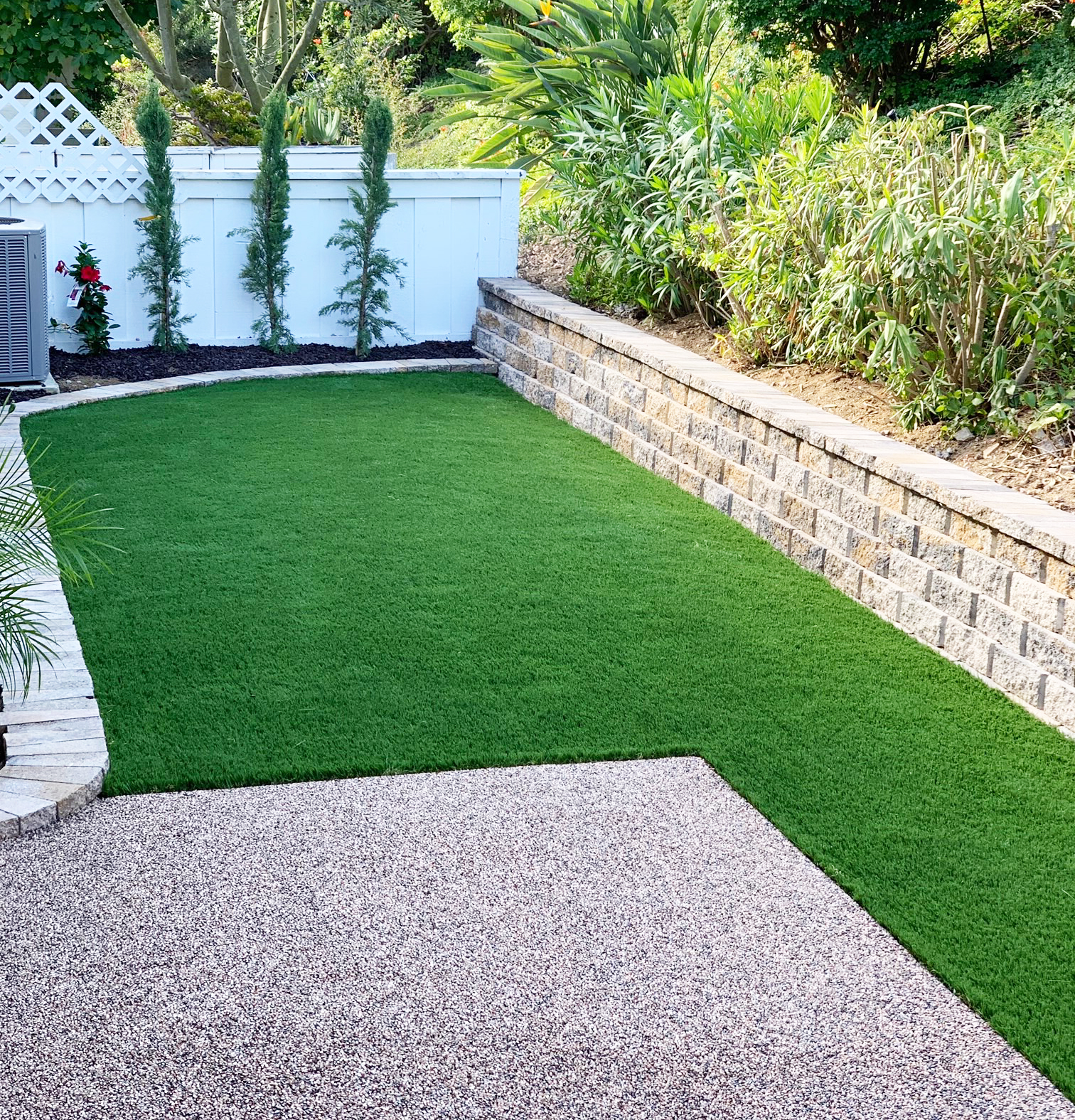
In 2026, San Diego residents prioritize artificial turf to navigate strict water conservation mandates and high utility costs. Professional installation involves meticulous site preparation, high-permeability base layers, and UV-stabilized fibers designed for Southern California’s intense sun. Average project costs in San Diego typically range from $9 to $16 per square foot.
The transition from natural grass to synthetic alternatives—often colloquially referred to as "AstroTurf"—has become a standard practice for homeowners from Chula Vista to Oceanside. As San Diego continues to face fluctuating drought conditions and rising water rates, the utility of a low-maintenance, evergreen landscape is no longer just an aesthetic choice; it is a strategic financial investment. This guide explores the technical specifications, local environmental factors, and installation standards necessary for a successful turf project in the San Diego region.
Why San Diego’s Climate Dictates Specific Turf Requirements
San Diego’s unique Mediterranean climate presents specific challenges for outdoor surfaces. While the coastal regions enjoy temperate weather and "June Gloom" humidity, inland areas like Escondido, Santee, and Poway experience significant heat spikes and high UV exposure.
UV Stabilization and Heat Dissipation
Standard synthetic grass can become uncomfortably hot under the direct San Diego sun. In 2026, the industry has standardized heat-reflective technology. High-quality turf manufactured for the Southwest market includes cooling minerals embedded in the leaf blades and specialized "cool-yarn" technology. These innovations can reduce surface temperatures by up to 15% compared to older, non-treated versions. When selecting a product, verify that it is UV-stabilized to prevent the emerald-green hue from fading into a dull grey over years of exposure.
Microclimates and Material Choice
Coastal homes must account for salt spray and high humidity, which can affect the lifespan of certain infills and backing materials. Conversely, inland San Diego installations require a focus on fiber resilience. The Santa Ana winds bring dry heat and dust; therefore, a turf with a "self-cleaning" blade shape—such as a W-shaped or C-shaped fiber—is preferable as it resists flattening and sheds debris more efficiently than flat blades.
Technical Specifications: Navigating Face Weight and Pile Height
To the untrained eye, all artificial grass may look similar, but the technical specifications determine how the lawn will perform over a 15-to-20-year lifespan.
- Face Weight: This refers to the weight of the turf fibers per square yard, excluding the backing. For a residential San Diego lawn that sees moderate foot traffic, a face weight of 60 to 90 ounces is ideal. Higher face weights offer a denser, more luxurious feel but may require more aggressive grooming.
- Pile Height: This is the length of the blades from the backing to the tip. A height of 1.5 to 1.75 inches is the "sweet spot" for most San Diego landscapes, providing a natural, freshly mowed appearance without the matting issues associated with overly long fibers.
- Backing Strength: In regions with expansive clay soils (common in parts of San Diego County), the backing must be durable yet permeable. A dual-layer primary backing reinforced with a secondary coating of polyurethane is the gold standard for preventing turf ripples as the ground shifts.
The Professional Installation Process in Southern California
A common mistake in San Diego DIY projects is underestimating the soil preparation. The region’s soil composition varies from sandy loam near the beaches to dense "Otay Mesa" clay.
1. Excavation and Sub-grade Preparation
Installers must remove 3 to 4 inches of existing sod and soil. This depth allows for the installation of a proper sub-base. In San Diego, where drainage is critical during occasional atmospheric river events, a "non-expansive" base is required.
2. Base Compaction
The sub-base typically consists of Class II Road Base or Decomposed Granite (DG). This material is spread, moistened, and vibrated with a plate compactor until it reaches a 90-95% compaction rate. A properly compacted base prevents the "lumpy" appearance that plagues low-quality installations.
3. Weed Barrier and Turf Layout
A heavy-duty geotextile weed barrier is applied before the turf is rolled out. Professionals allow the turf to "acclimate" to the sun for several hours before securing it; this prevents the material from expanding or contracting after it has been pinned down.
4. Seaming and Securing
The most visible failure in artificial turf is a prominent seam. In 2026, installers use specialized S-cut or wave-cut patterns to blend pieces of turf together. These seams are secured with industrial-grade adhesive and seaming tape. The perimeter is then fastened with 6-inch non-corrosive sod staples or galvanized nails.
5. Infill Distribution
Infill is not just "sand"; it serves as the ballast that keeps the turf weighted and the blades standing upright. Modern San Diego projects often use antimicrobial acrylic-coated sand or ZeoFill, particularly if pets are present, to neutralize odors and inhibit bacteria growth.
Comparison of Artificial Turf Types for San Diego Residents
| Feature | Landscape/Lawn Turf | Pet-Friendly Turf | Putting Green Turf |
|---|---|---|---|
| Primary Goal | Curb appeal and aesthetics | Drainage and odor control | Ball roll and performance |
| Pile Height | 1.5" - 2.0" | 1.0" - 1.5" | 0.5" - 0.75" |
| Blade Shape | S, W, or C-Shape | Short, resilient blades | Textured Nylon/PE |
| Infill Type | Silica Sand | Antimicrobial/Zeolite | Fine Round Sand |
| Permeability | Standard (30+ inches/hr) | High (60+ inches/hr) | Moderate |
| Durability | High | Extreme | Very High |
Pet Turf Considerations: Managing the San Diego Heat and Hygiene
San Diego is one of the most dog-friendly cities in the United States, making "pet turf" a high-demand category. However, a standard turf installation can quickly become a source of odor if not handled correctly.
Perforated Backing vs. Flow-Through Backing: For pet owners, a "flow-through" or "hole-punched" backing is essential. This allows liquid waste to pass immediately through the turf into the sub-base. When combined with a layer of crushed volcanic ash (Zeolite), the ammonia in pet urine is trapped and neutralized before it can produce a smell.
Surface Temperatures for Paws: Pet owners should specifically request turf with "cool-blade" technology. On a 90-degree day in El Cajon, uncooled synthetic grass can reach temperatures exceeding 150 degrees Fahrenheit, which is unsafe for animal paws. Modern 2026 turf products aim to keep surfaces below 120 degrees through evaporative cooling infills.
Local Regulations, HOAs, and Water Rebates
Before breaking ground, San Diego residents must navigate local governance. Most Homeowners Associations (HOAs) in neighborhoods like Carmel Valley or Otay Ranch now permit artificial turf, but they often have strict requirements regarding color (must match local dormant grass) and "shine" (low-luster finishes are usually required).
San Diego County Water Authority Rebates
As of 2026, the San Diego County Water Authority and the Metropolitan Water District of Southern California frequently offer "Turf Replacement" incentives. While these programs vary in funding availability, they often provide a rebate per square foot for replacing water-thirsty lawns with sustainable landscapes. Many programs require the inclusion of "living" elements—such as drought-tolerant succulents or native shrubs—alongside the artificial turf to mitigate urban heat island effects. For the most current requirements, homeowners should consult the SoCal Water$mart portal or the San Diego County Water Authority website.
Cost Analysis for 2026
The cost of artificial turf in San Diego is influenced by accessibility (e.g., if the yard is on a steep canyon slope) and the quality of the selected material.
- Materials: $3.50 – $7.00 per square foot.
- Labor and Installation: $5.50 – $9.00 per square foot.
- Total Project Average: $9.00 – $16.00 per square foot.
While the initial price point is higher than sod, the return on investment (ROI) is typically realized within 4 to 6 years through water savings and the elimination of gardening services, fertilizers, and mower maintenance.
Maintenance and Long-term Care
Despite being "low-maintenance," artificial turf is not "no-maintenance." To preserve the warranty and appearance of a San Diego installation, homeowners should follow a seasonal routine:
- Debris Removal: Use a leaf blower or a plastic rake to remove organic matter. In San Diego, palm fronds and eucalyptus leaves can break down and create a "thatch" that blocks drainage if left unattended.
- Rinsing: A bi-weekly rinse helps remove dust and pollen, which is particularly prevalent during the spring bloom in the county.
- Power Brushing: Once or twice a year, a professional power brush can be used to "bloom" the fibers and redistribute infill that has migrated due to heavy foot traffic.
- Weed Management: While rare, weeds can occasionally grow in the dust trapped in the fibers. A mild, water-based weed killer is safe for most turf products.
Frequently Asked Questions
Does artificial turf increase the temperature of my yard?
Yes, synthetic fibers naturally retain more heat than living grass. However, in 2026, advanced cooling infills and specialized yarn shapes significantly mitigate this. In San Diego, choosing a "cool-tech" product and maintaining a layer of infill will keep the temperature manageable for most of the year.
How long does artificial turf last in the San Diego sun?
High-quality, UV-stabilized turf is designed to last 15 to 25 years. Most reputable San Diego installers provide a 10-to-15-year manufacturer's warranty against fading and fiber degradation.
Is artificial turf permeable during heavy rain?
Professional-grade turf is highly permeable, often draining at a rate of over 30 inches per hour per square yard. This far exceeds the heaviest rainfall rates ever recorded in San Diego. The key to drainage is the sub-base, not just the turf itself.
Can I install artificial turf on a slope or canyon lot?
Yes, but it requires specialized "trenching" and additional securing methods to prevent the turf from sliding or the base from eroding. Many San Diego homes are built on canyon edges, and professional installers use timber headers or concrete curbing to lock the installation in place.
Is artificial turf environmentally friendly?
While it is a plastic product, it saves thousands of gallons of water annually and eliminates the need for chemical fertilizers and pesticides that can run off into San Diego’s lagoons and the ocean. Many 2026 turf products are also fully recyclable at the end of their lifespan.
Final Recommendation
When investing in artificial turf in San Diego, the quality of the installation is just as important as the quality of the grass. Residents should prioritize contractors who provide a detailed sub-base plan and offer products specifically tested for the Southwest’s UV index. Before signing a contract, ensure the product has a documented "drainage rate" and a "melt point" high enough to withstand reflected heat from energy-efficient windows, which is a common issue in modern San Diego developments.